
The Iranian government has responded vehemently, condemning the strikes and vowing to retaliate against any aggressors. On October 10, 2023, Iran’s Supreme Leader Ali Khamenei stated that the nation would not tolerate foreign attacks and would take necessary measures to defend its sovereignty. This rhetoric has heightened fears of a broader conflict in the Middle East.
Internationally, the situation has drawn mixed reactions. The United States has expressed support for Israel’s right to defend itself, while European nations have called for de-escalation and dialogue. The United Nations has urged all parties to exercise restraint, emphasizing the need for diplomatic solutions to avoid further destabilization in the region.
As the situation unfolds, the implications of these attacks extend beyond immediate military concerns. Analysts warn that continued hostilities could disrupt global oil supplies, given Iran’s significant role in the energy market. Moreover, the potential for a wider regional conflict raises alarms about the humanitarian impact on civilians in Iran and neighboring countries.
Historical Context of Tensions with Iran
The relationship between Iran and various Western nations, particularly the United States, has been fraught with tension for decades. This complex history can be traced back to the early 20th century, when foreign powers, particularly Britain and Russia, exerted significant influence over Iran’s political and economic landscape. The discovery of oil in Iran in the early 1900s further intensified foreign interest, leading to a series of interventions that would shape Iran’s modern history.
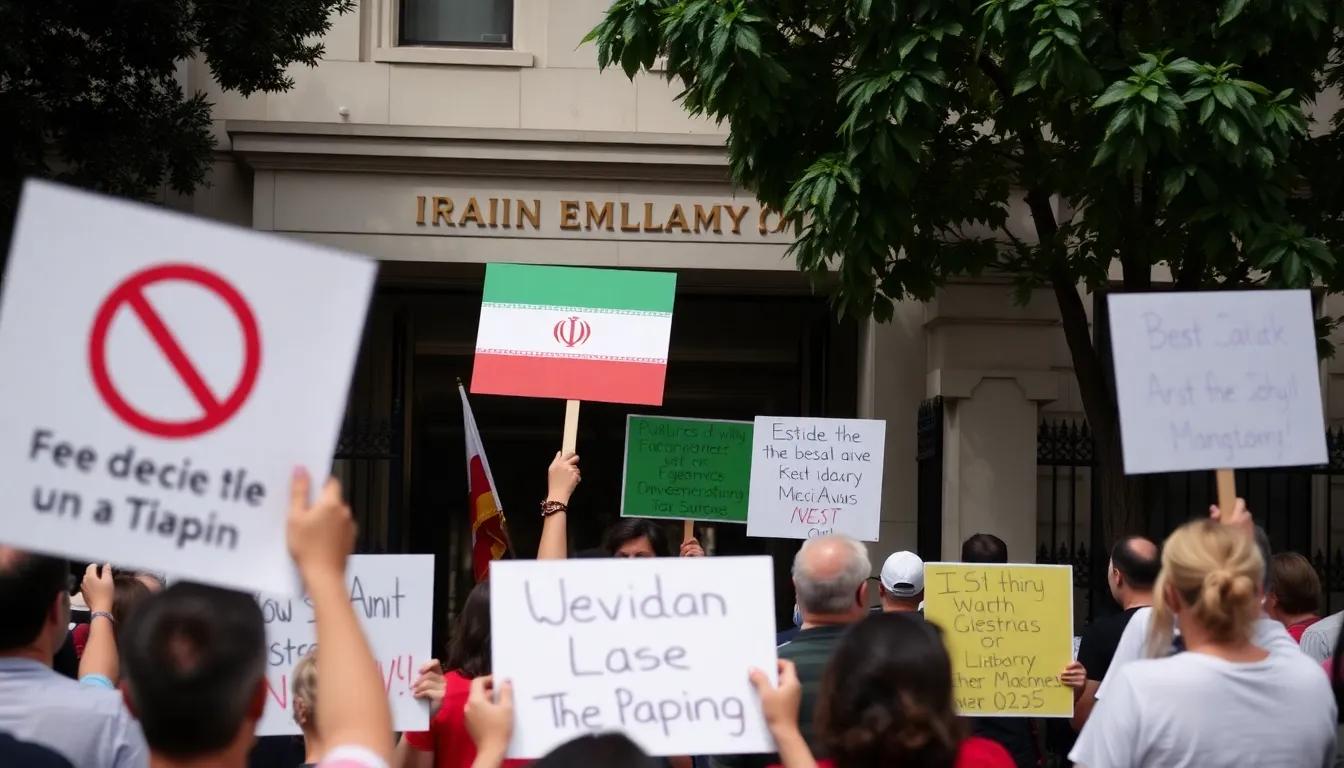
One of the pivotal moments in this relationship occurred in 1953 when a CIA-backed coup overthrew Iran’s democratically elected Prime Minister Mohammad Mossadegh. This event not only restored the Shah, Mohammad Reza Pahlavi, to power but also instilled a deep-seated resentment among many Iranians toward the United States, which they viewed as an imperialist force interfering in their sovereignty. The Shah’s regime, supported by the West, was marked by authoritarianism and widespread human rights abuses, which fueled opposition movements across the country.
The 1979 Islamic Revolution marked a significant turning point, resulting in the overthrow of the Shah and the establishment of the Islamic Republic under Ayatollah Khomeini. This revolution was not only a reaction to Western influence but also a culmination of various social, economic, and political grievances that had been building over decades. The new regime’s anti-Western rhetoric and policies, including the hostage crisis where American diplomats were held for 444 days, solidified a hostile relationship between Iran and the West, particularly the U.S.
Key Milestones in Recent History
In the decades that followed, several key events further escalated tensions. The Iran-Iraq War (1980-1988) saw Iraq, backed by several Western nations, invade Iran, leading to a devastating conflict that resulted in hundreds of thousands of casualties. The U.S. involvement in the Gulf War in the early 1990s and subsequent sanctions against Iran over its nuclear program in the 2000s further alienated the two nations. The Joint Comprehensive Plan of Action (JCPOA) in 2015 was a brief attempt at reconciliation, aiming to curb Iran’s nuclear ambitions in exchange for the lifting of sanctions. However, the U.S. withdrawal from the agreement in 2018 reignited tensions, leading to a cycle of retaliatory actions and increasing hostilities.
Today, the costs of these ongoing attacks on Iran are felt not only in the geopolitical arena but also in the economic and social fabric of the nation. The sanctions imposed by the U.S. and its allies have crippled Iran’s economy, leading to widespread poverty and discontent among the population. As the situation continues to evolve, understanding this historical context is crucial to grasping the complexities of current events and their implications for regional stability.
Key Stakeholders and Issues Surrounding the Attacks
The recent attacks on Iran have drawn the attention of various stakeholders, each with distinct interests and motivations. These actors include the Iranian government, regional powers, global superpowers, and non-state actors. Understanding their positions is crucial to grasping the broader implications of the conflict.
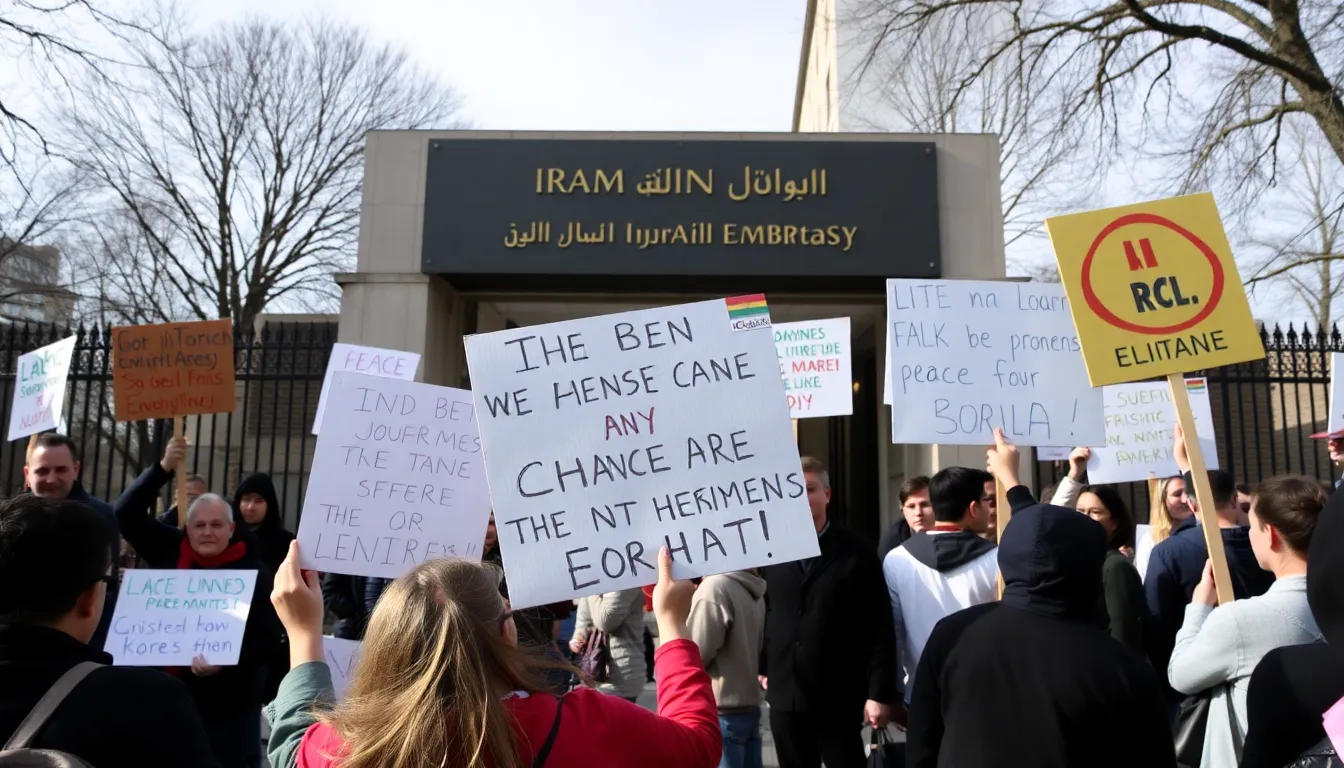
At the forefront, the Iranian government seeks to maintain its sovereignty and regional influence while countering what it perceives as external aggression. This involves not only military responses but also diplomatic efforts to rally support from allies such as Russia and China. Conversely, nations like the United States and its allies have interests in curbing Iran’s nuclear ambitions and its influence in the Middle East, often justifying their actions as necessary for regional stability.
Additionally, regional powers such as Saudi Arabia and Israel view Iran’s actions through the lens of sectarian rivalry and national security. Their interests often clash with those of Iran, leading to a complex web of alliances and hostilities that complicate the situation further. The involvement of non-state actors, such as various militia groups, adds another layer of complexity, as these entities may operate independently or in alignment with broader national interests.
- Economic Sanctions: The impact of economic sanctions on Iran and how they affect its ability to respond militarily.
- Legal Implications: The legality of military actions under international law and the potential for accountability.
- Humanitarian Concerns: The effects of conflict on civilian populations and the international response to humanitarian crises.
- Energy Markets: How attacks influence global oil prices and energy security for various countries.
- Geopolitical Shifts: The potential for changing alliances and power dynamics in the Middle East.
These key issues highlight the multifaceted nature of the conflict, where economic, legal, and humanitarian considerations intersect with the strategic interests of various stakeholders. Understanding these dynamics is essential for analyzing the potential outcomes of the ongoing tensions surrounding Iran.
Impact on the Iranian Population and Global Markets
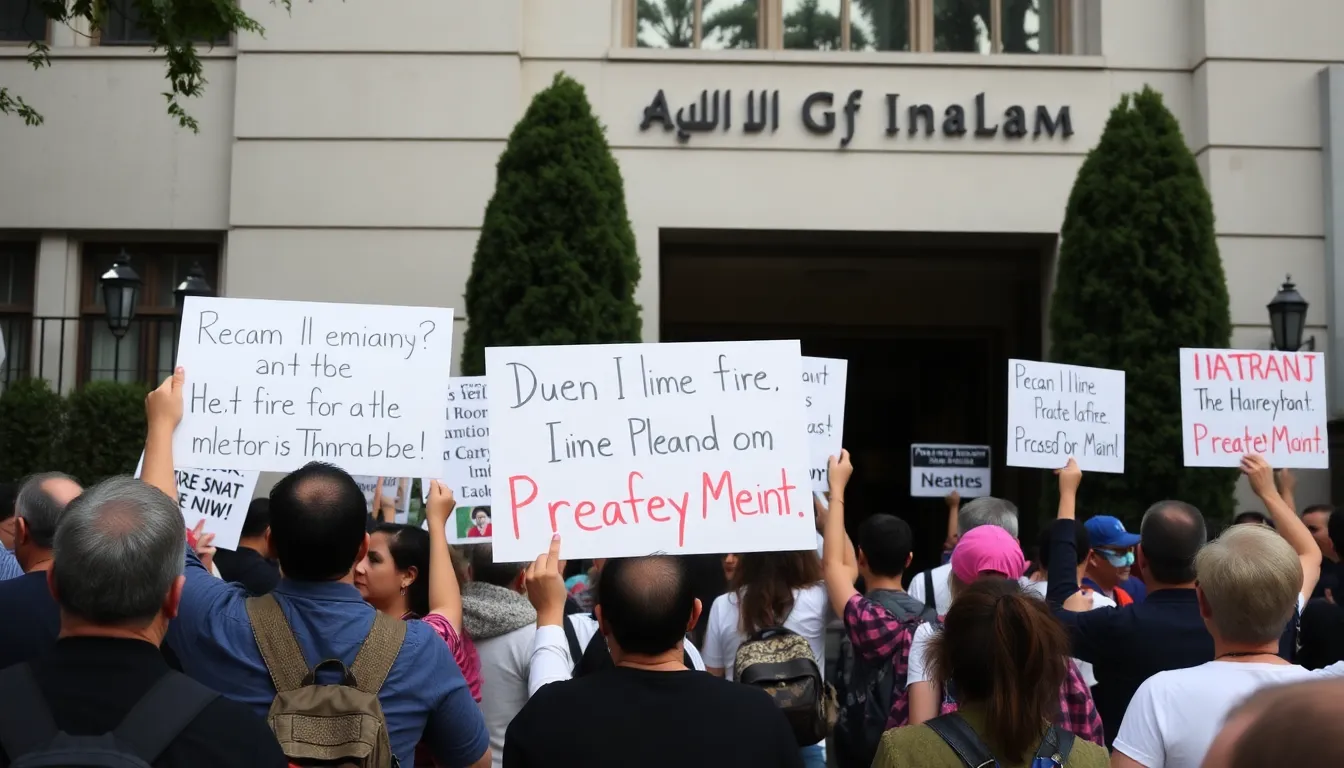
The recent attacks on Iran have far-reaching consequences that extend beyond its borders, affecting various groups, industries, and global markets. The Iranian population, particularly those in urban areas, faces immediate repercussions, including disruptions to daily life, increased prices, and a potential escalation of political tensions. The uncertainty surrounding the situation can lead to heightened anxiety among citizens and a decrease in consumer confidence.
Key industries such as oil and gas, technology, and agriculture are particularly vulnerable. The oil sector, which is crucial to Iran’s economy, may experience supply chain disruptions and fluctuating prices. This instability can ripple through global markets, influencing energy prices worldwide. Additionally, sectors reliant on import-export activities may face increased tariffs and sanctions, further complicating business operations.
- Short-term economic instability leading to inflation.
- Increased unemployment rates as businesses struggle to adapt.
- Potential for sanctions to be re-imposed or tightened.
In the mid-term, the socio-economic landscape may shift significantly. Businesses may pivot to adapt to new regulations or market conditions, potentially creating opportunities for innovation in sectors such as renewable energy and technology. However, the risk of heightened geopolitical tensions could deter foreign investment, making it challenging for local businesses to thrive.
Ultimately, while the immediate impacts are largely negative, there may be opportunities for growth in industries that can pivot quickly or innovate in response to the crisis. The situation underscores the interconnectedness of global markets and the need for strategic planning to navigate the complexities arising from geopolitical conflicts.
A: The immediate costs include military expenditures, infrastructure damage, and humanitarian impacts on the civilian population. A: The attacks have strained diplomatic relations, particularly with countries that advocate for peaceful resolutions and could lead to increased tensions in the region. A: Long-term economic implications may include sanctions, reduced foreign investment, and a decline in oil exports, further crippling the Iranian economy. A: Some may argue that the attacks serve to deter Iran’s nuclear ambitions, but the broader consequences often outweigh these perceived benefits. A: Civilians are experiencing heightened anxiety and fear, leading to protests and calls for government accountability amidst the chaos.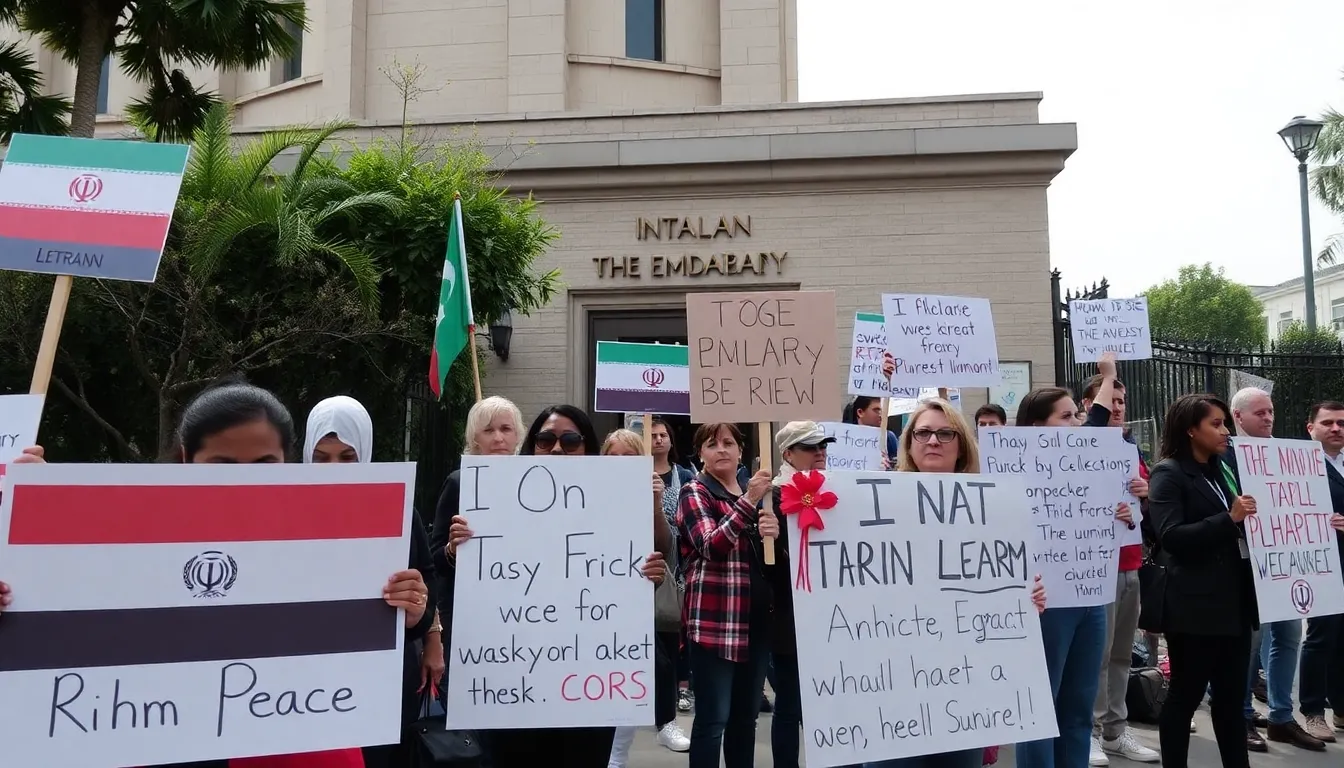
Frequently Asked Questions About the Attacks
Key Takeaways and Future Outlook on the Situation
The recent attacks on Iran have far-reaching implications that extend beyond immediate geopolitical tensions. As regional dynamics shift, the responses from both Iran and its adversaries will play a critical role in shaping the landscape of Middle Eastern politics. The potential for escalated conflict remains high, but so does the opportunity for diplomatic engagement, particularly if key global powers intervene to mediate the situation.
Monitoring the evolving strategies of Iran, including its military posture and alliances, will be essential. Additionally, the economic ramifications of these attacks, both for Iran and its neighbors, will likely influence future decisions and actions. Stakeholders should remain vigilant as the situation develops, particularly in relation to energy markets and international diplomatic efforts.
- Watch for shifts in Iran’s military strategy and regional alliances as a response to the attacks.
- Monitor the economic impact on Iran and its neighbors, especially in energy markets.
- Observe the role of global powers in mediating tensions and facilitating dialogue.
- Consider the potential for increased cyber warfare as a new front in the conflict.
- Stay informed on public sentiment within Iran, as domestic pressures may influence government actions.