
The generals in question, who played prominent roles in China’s military operations, have been part of the CPPCC, which serves as a platform for non-Communist Party members to provide input on policy matters. Their removal reflects a broader trend of consolidating power within the military and political leadership under President Xi Jinping.
This action comes amid ongoing tensions in the region, particularly concerning China’s military posture in the South China Sea and its relationship with Taiwan. Analysts suggest that the purge of these military figures may signal Xi’s intent to strengthen loyalty within the armed forces and reduce any potential dissent from retired leadership. For more on regional tensions, see the article on Japan’s missile deployment near Taiwan.
The timing of this decision coincides with the upcoming 20th National Congress of the Communist Party, where key leadership roles will be discussed. By sidelining these generals, the government may be attempting to reshape the military’s advisory framework to align more closely with Xi’s strategic objectives.
As the situation unfolds, observers will be watching closely to see how this reshuffling impacts China’s military policy and its relationship with neighboring countries. The removal underscores the delicate balance of power within China’s political and military institutions and the ongoing evolution of its governance structure.
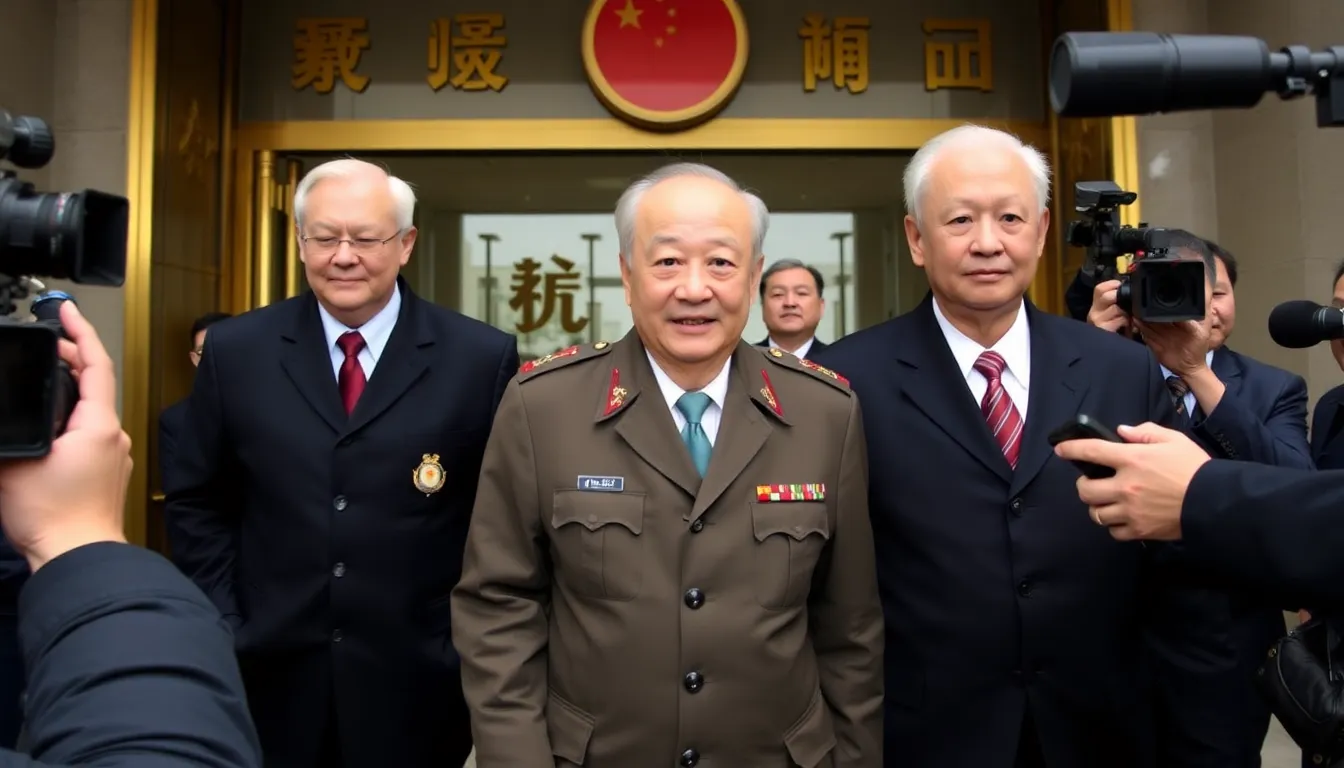
Understanding the significance of military advisory roles in China
In China, the military plays a crucial role not only in national defense but also in the political landscape. The People’s Liberation Army (PLA) has historically been intertwined with the Communist Party’s governance, and military advisory bodies serve as platforms for retired military officials to influence policy and strategy. The recent removal of three retired generals from a national advisory body signals potential shifts in military influence, as discussed in more detail in this analysis of Trump’s speech and its global responses.
The advisory body in question, the Chinese People’s Political Consultative Conference (CPPCC), is a key institution for political consultation and collaboration among various sectors of society, including the military. The presence of retired generals in this body has traditionally lent military perspectives to national policy discussions. Their removal raises questions about the current leadership’s approach to military advice and the balance of power within the party.
Historically, the relationship between the military and the Communist Party has seen significant changes, particularly since the reforms initiated by Deng Xiaoping in the late 1970s. These reforms aimed to modernize China’s economy and military, leading to a more professional military establishment. However, the political influence of military leaders has remained a contentious issue, especially as the party seeks to consolidate power and streamline decision-making processes.
The context of recent military purges
The removal of these generals can be viewed in the context of a broader trend of military purges and reshuffling within the Chinese leadership. In recent years, President Xi Jinping has emphasized the need for loyalty and discipline within the ranks of the military. This has resulted in the dismissal of various high-ranking officials, reflecting Xi’s desire to reinforce his authority and eliminate any potential challenges to his leadership.
Furthermore, the geopolitical landscape, characterized by rising tensions in the South China Sea and increasing competition with the United States, necessitates a military that is not only capable but also aligned with the party’s strategic goals. The removal of these generals may indicate a shift towards a new generation of military leaders who are seen as more aligned with Xi’s vision for China’s future. This context underlines the importance of understanding recent military and political shifts, similar to the implications of FedEx’s lawsuit regarding Trump tariffs.
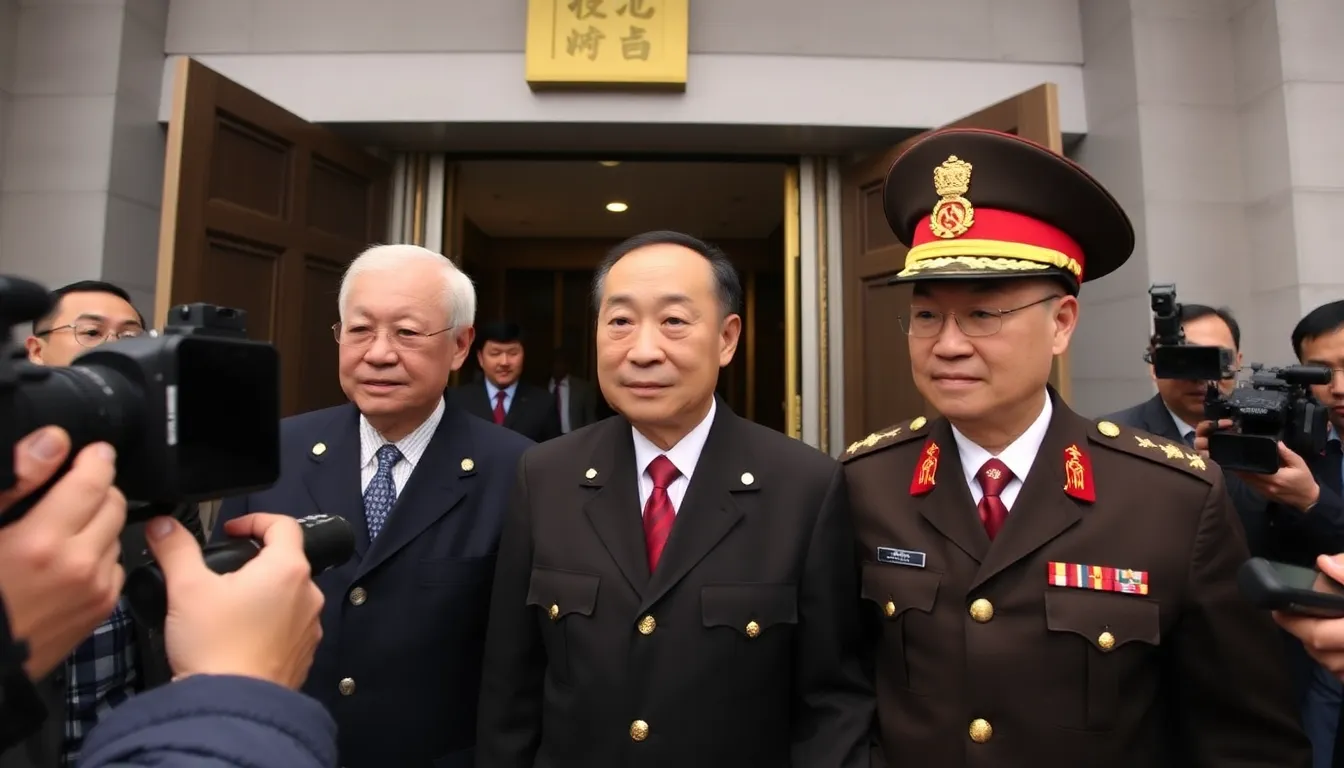
Examining the implications for military and political stakeholders
The recent removal of three retired generals from China’s national advisory body has sparked significant discussion among various stakeholders, including military leaders, political analysts, and international observers. These changes may reflect underlying tensions within the Chinese military establishment and could signal shifts in the balance of power within the country.
The primary actors in this scenario include the Chinese Communist Party (CCP), the People’s Liberation Army (PLA), and the retired generals themselves. The CCP’s interest lies in maintaining a unified and loyal military that adheres to its directives, while the PLA seeks to ensure its operational effectiveness and strategic autonomy. The retired generals, having served the military for decades, may have interests that align with preserving their legacy and influence within the military hierarchy.
Key issues surrounding this development include the potential for internal conflict within the military ranks, the implications for China’s defense policy, and broader geopolitical ramifications. The removal of these generals could indicate a consolidation of power by current leadership, which may prioritize loyalty over experience, potentially impacting military strategy and effectiveness.
- Internal Military Dynamics: The removal may create rifts among military factions, affecting morale and cohesion.
- Policy Shifts: Changes in advisory roles could lead to a reevaluation of defense strategies and priorities.
- Geopolitical Tensions: The international community may perceive these changes as a sign of instability or a shift in military posture.
- Impact on Retired Officers: The sidelining of experienced generals could diminish the influence of veterans in military decision-making.
Overall, the removal of these generals serves as a critical juncture in understanding the evolving landscape of military and political power in China. Stakeholders will need to navigate these changes carefully, as the implications extend beyond the military to affect national security and international relations.
Potential impacts on military policy and governance in China
The removal of three retired generals from China’s national advisory body signals a potential shift in military policy and governance. This decision may affect various groups, including military personnel, government officials, and defense contractors. The implications could resonate across multiple sectors, particularly those linked to national security and defense.
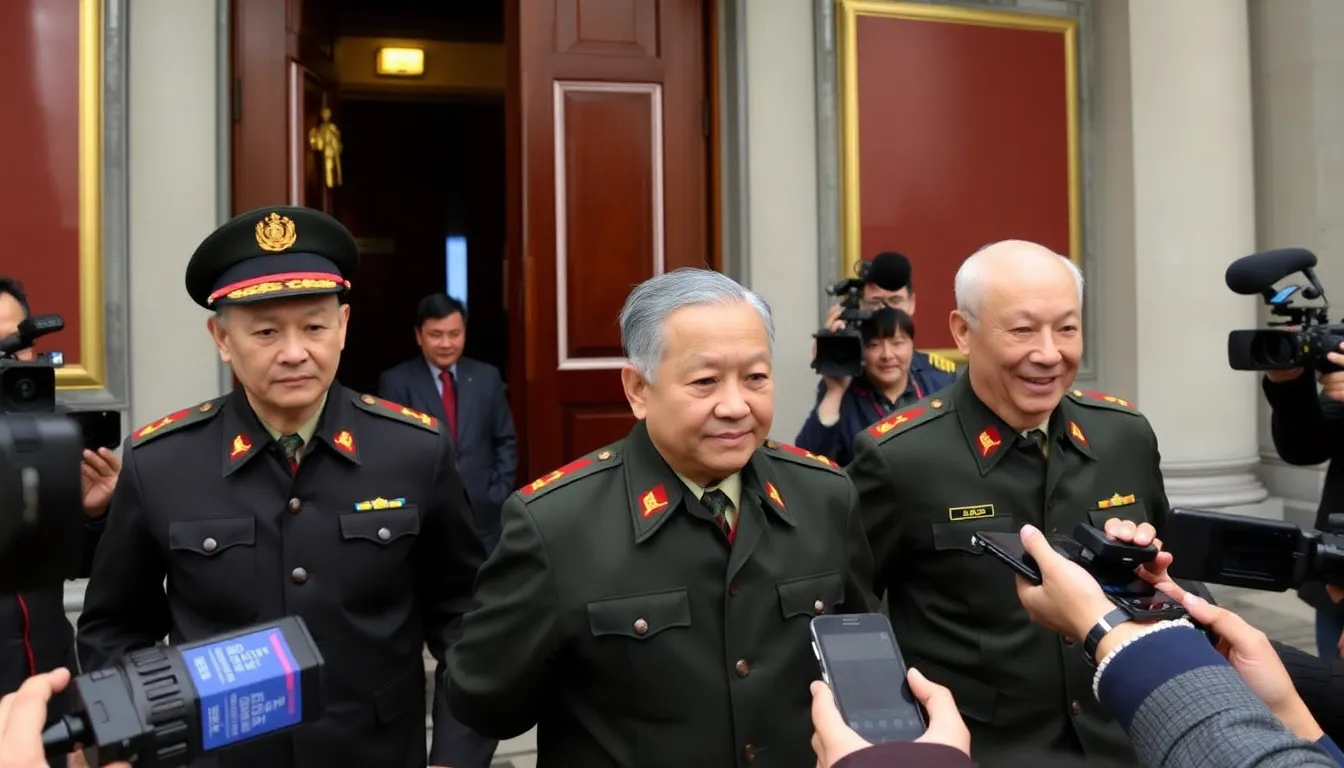
In the short term, military personnel may experience uncertainty regarding leadership and strategic direction. This could lead to a temporary slowdown in decision-making processes within the armed forces, affecting training schedules and operational readiness. For defense contractors, the lack of clarity may stall ongoing projects, impacting revenue and investment in the sector.
In the mid-term, the political landscape may shift as new leaders emerge, potentially leading to changes in defense policy. This could create opportunities for companies that adapt swiftly to new government priorities, particularly those focusing on advanced technologies and cybersecurity. However, there is also a risk of increased competition among defense contractors as they vie for limited government contracts.
- Military personnel: Uncertainty in leadership may affect morale and operational efficiency.
- Defense contractors: Potential delays in contracts and projects could impact financial stability.
- Political landscape: New leadership may bring changes in policy, affecting strategic alliances.
- Technology sector: Opportunities may arise for innovation in defense-related technologies.
Regions with a strong military presence or defense industry, such as Beijing and Guangdong, may feel the effects more acutely. Local economies that rely on defense contracts could face challenges, but those that pivot to emerging technologies may find new avenues for growth. Balancing these risks and opportunities will be crucial for stakeholders navigating this evolving landscape.
A: The exact reasons for their removal have not been publicly disclosed, but it may relate to shifts in political dynamics and military influence within the government. A: The national advisory body, known as the Chinese People’s Political Consultative Conference, provides advice and recommendations to the government, including military matters. A: The removal of these generals could indicate a change in military strategy or a consolidation of power within the ruling party, potentially affecting future military policies. A: Yes, there have been instances in the past where retired military officials were removed or sidelined, often reflecting shifts in political alliances or power structures. A: This move may suggest a rebalancing of the relationship, with the government seeking to assert more control over military affairs and reduce the influence of retired officials.
Frequently asked questions about the removal of generals
Key takeaways and future outlook on military advisory roles
The recent removal of three retired generals from China’s national advisory body signals significant shifts within the military and political landscape. This development may reflect broader strategic realignments as the Chinese government seeks to consolidate power and streamline military advice in alignment with current geopolitical challenges.
As China navigates complex international relations and domestic pressures, the implications of these changes in military advisory roles warrant close attention. Observers should consider how this may impact decision-making processes within the military hierarchy and the potential for new leadership dynamics.
- The removal indicates a possible trend towards younger, more aligned military leadership that could influence China’s strategic direction.
- Watch for shifts in military policy or doctrine that may emerge as new advisors take on their roles.
- The changes may affect China’s foreign relations, particularly in areas of military cooperation and defense strategy.
- Increased scrutiny on the military’s role in domestic governance could arise as the government seeks to balance military influence with civilian oversight.
- Monitor the reactions from regional neighbors and global powers, as these changes could alter perceptions of China’s military intentions.