
This military buildup underscores the strategic importance of the region, where a significant portion of the world’s oil supply is transported, making it critical for international trade and shipping.
Moreover, the conflict has broader implications for international shipping and trade. Insurance rates for vessels traversing the Red Sea have surged, as shipping companies reassess risks associated with navigating these waters. The potential for further escalation poses a threat not only to regional stability but also to the global economy, as disruptions could lead to increased fuel prices and supply chain challenges.
As diplomatic efforts to de-escalate tensions have so far proven ineffective, the situation remains precarious. The international community is closely monitoring developments, with calls for dialogue intensifying amid fears of a wider conflict. The interplay of military actions, economic interests, and geopolitical alliances continues to shape the dynamics of this complex situation.
Exploring the Historical Context of US-Israel Relations with Iran
The relationship between the United States, Israel, and Iran has been shaped by decades of political maneuvering, ideological differences, and shifting alliances. The roots of this complex relationship can be traced back to the 1953 Iranian coup, which saw the US and UK orchestrate the overthrow of Prime Minister Mohammad Mossadegh, leading to the reinstatement of the Shah. This event set the stage for a long-standing alliance between Iran and the West, particularly the United States, which would later unravel dramatically.
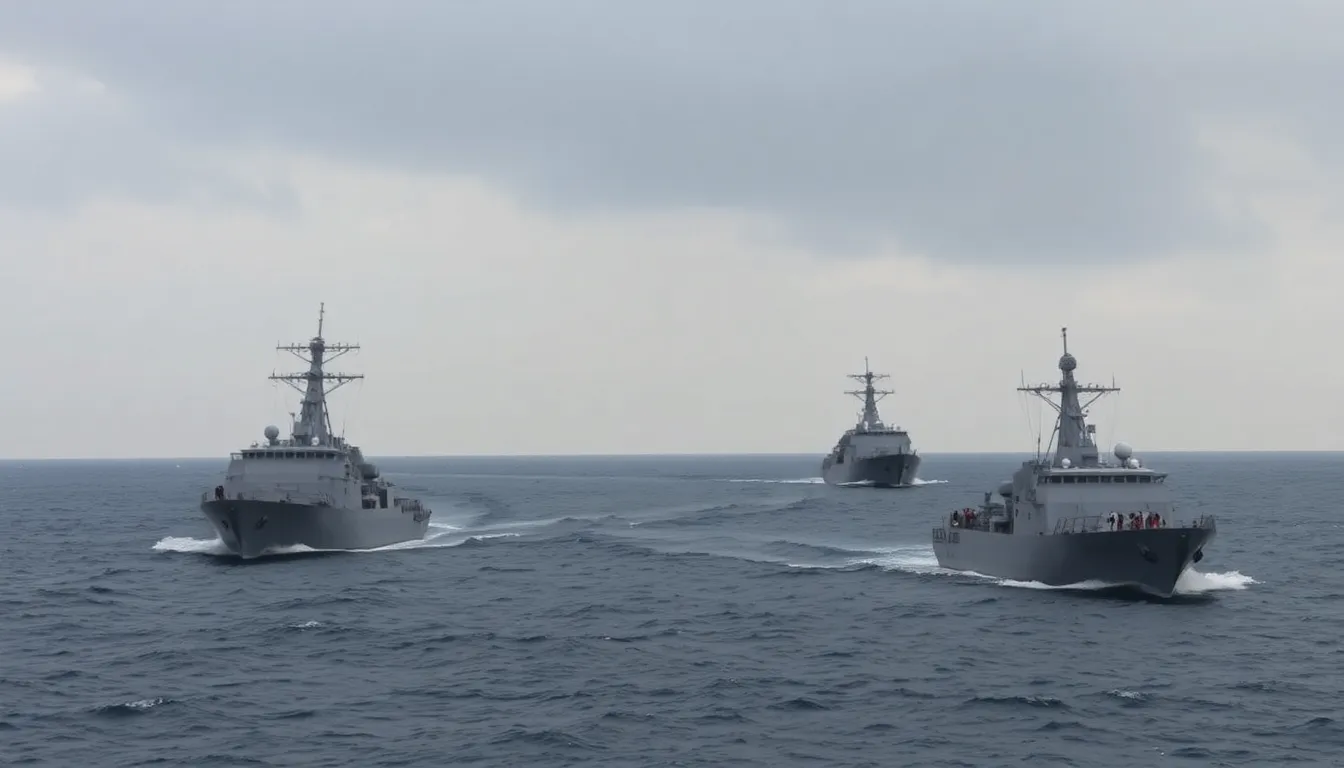
In 1979, the Iranian Revolution marked a significant turning point, as the Shah was ousted and the Islamic Republic was established under Ayatollah Khomeini. The new regime adopted an anti-Western stance, fundamentally altering the geopolitical landscape of the Middle East. This shift prompted the US to reevaluate its alliances, leading to a closer relationship with Israel, which viewed Iran as a growing threat to its national security.
Throughout the 1980s and 1990s, tensions continued to escalate, particularly as Iran supported militant groups that opposed Israel, such as Hezbollah. The US, in turn, reinforced its military and economic support for Israel, establishing a framework of cooperation designed to counterbalance Iranian influence in the region. This dynamic intensified following the events of September 11, 2001, as the US launched its War on Terror, further isolating Iran and positioning Israel as a key ally in the fight against perceived threats.
Key Milestones in US-Israel-Iran Relations
Several critical milestones have defined the trajectory of US-Israel relations with Iran. The 2006 Lebanon War, which saw Israel engage in conflict with Hezbollah, underscored the direct implications of Iranian support for militant groups. The 2015 nuclear deal, formally known as the Joint Comprehensive Plan of Action (JCPOA), temporarily eased tensions but was met with skepticism from Israel, which viewed it as a pathway for Iran to develop nuclear weapons. The US withdrawal from the JCPOA in 2018 under the Trump administration reignited hostilities and led to increased military posturing in the region.
Today, the ongoing conflict between Israel and Iran, exacerbated by US involvement, has serious implications for global shipping routes, particularly in the Strait of Hormuz, a critical chokepoint for oil transportation. As military operations and retaliatory strikes become more frequent, the stability of this vital maritime corridor hangs in the balance, affecting economies worldwide and highlighting the interconnectedness of geopolitical tensions.
Analyzing Key Stakeholders and Issues in the Conflict
The ongoing tensions surrounding the US-Israel conflict with Iran have drawn in multiple stakeholders, each with distinct interests and objectives. The primary actors include the United States, Israel, Iran, and various international shipping companies that operate in the region. Understanding their motivations and the implications of their actions is crucial for grasping the broader impact on global shipping and trade.
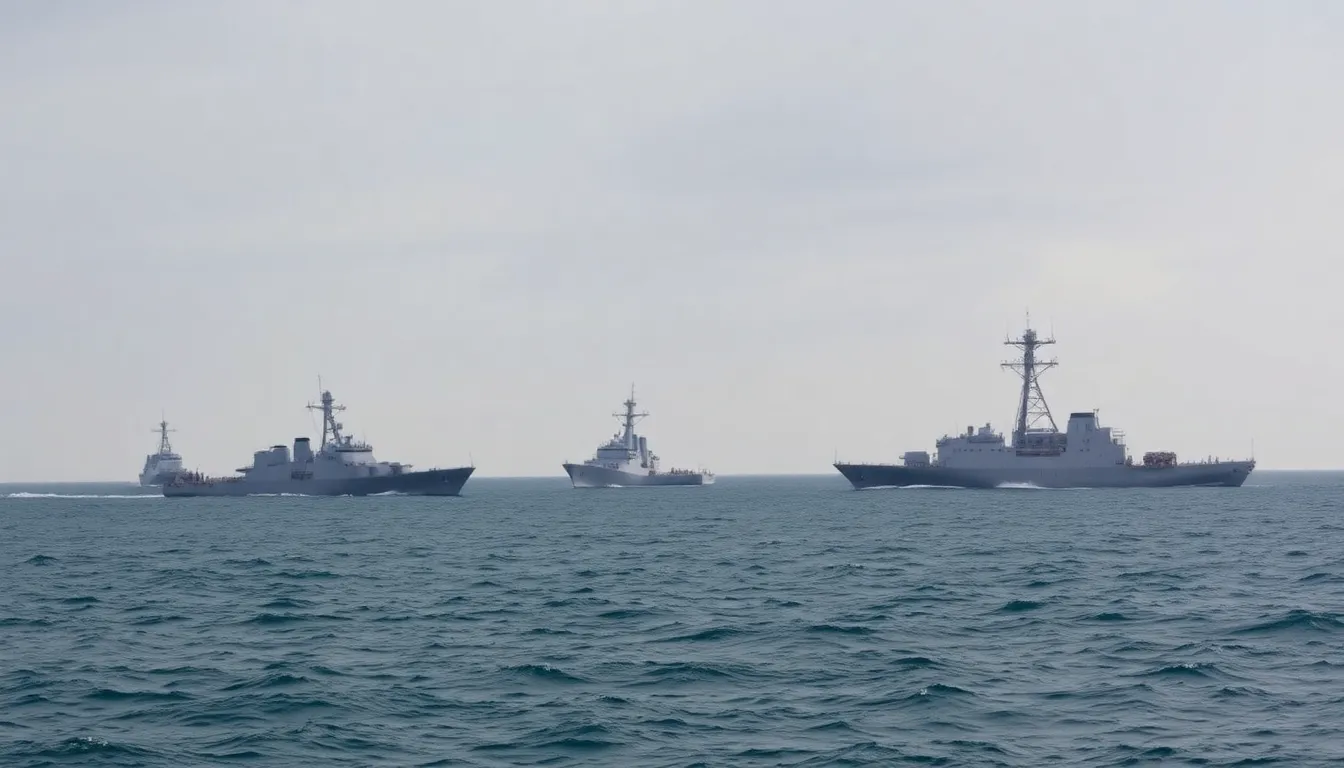
The United States aims to curb Iran’s influence in the Middle East, particularly regarding its nuclear program and support for militant groups. This goal often aligns with Israel’s interests, as both nations view Iran as a significant threat to regional stability. However, this alliance also complicates relations with other countries that advocate for a more diplomatic approach to Iran, highlighting a key conflict in international relations.
Iran, on the other hand, seeks to assert its sovereignty and counter perceived aggression from the US and Israel. The Iranian government views its military presence in the region as a deterrent against foreign intervention, which can lead to escalated tensions affecting shipping routes in the Persian Gulf. This has created a precarious situation for international shipping companies, which rely on these routes for the transport of goods.
- Shipping Disruptions: Increased military activity and threats in the region can lead to shipping delays, higher insurance costs, and rerouting of vessels.
- Economic Sanctions: The US has imposed sanctions on Iran, impacting not only Iranian trade but also affecting global oil prices and shipping logistics.
- Legal Implications: Maritime law may come into play as incidents occur, potentially leading to international disputes over territorial waters and shipping rights.
- Regional Alliances: The conflict has prompted other nations to either support or oppose the US-Israel stance, further complicating diplomatic relations and trade agreements.
Ultimately, the interplay of these stakeholders and their conflicting interests shapes the landscape of the US-Israel-Iran conflict. The ramifications extend beyond military engagements, influencing global shipping routes and economic stability, thereby affecting a wide array of industries reliant on maritime trade.
Assessing the Impact on Global Shipping and Trade
The ongoing conflict involving the US, Israel, and Iran is creating significant ripples across various sectors, particularly in shipping and trade. Key industries such as oil and gas, consumer goods, and electronics are feeling the strain, as disruptions in maritime routes pose risks to supply chains. Regions heavily reliant on shipping, such as the Middle East, Europe, and parts of Asia, are particularly vulnerable to these disturbances.
In the short term, shipping companies face increased operational costs due to heightened security measures and potential rerouting of vessels. This can lead to delays in delivery times, affecting businesses that depend on just-in-time inventory systems. Additionally, consumers may experience rising prices as the cost of goods increases, driven by supply chain disruptions and elevated shipping fees.
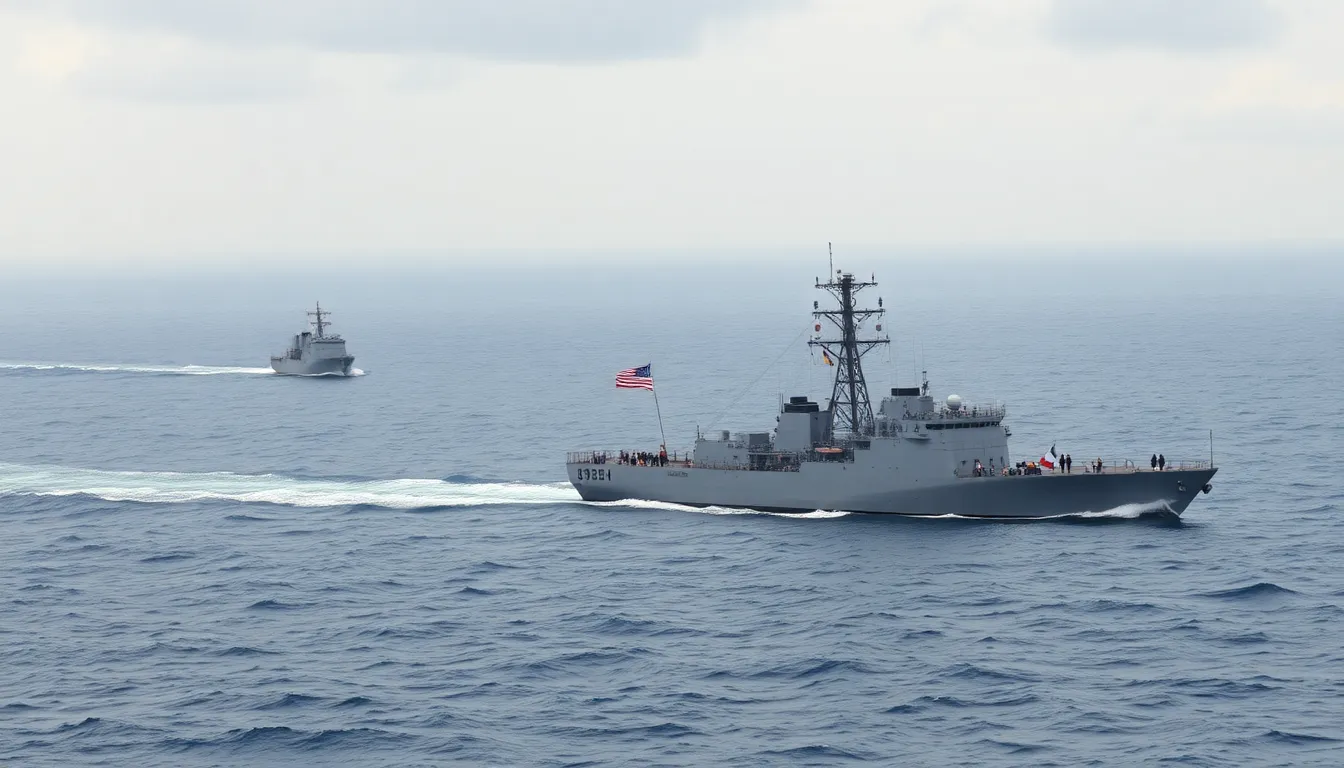
Mid-term impacts could include shifts in trade policies as nations reassess their reliance on certain shipping routes. Countries may seek to diversify their supply chains or invest in alternative transportation methods, such as rail or air freight, to mitigate risks. This could lead to a realignment of global trade patterns, influencing economic relationships and partnerships.
- Increased shipping costs: Higher insurance premiums and security expenses may lead to elevated prices for consumers.
- Supply chain disruptions: Delays and interruptions could affect product availability in various markets.
- Policy shifts: Governments may implement new regulations or trade agreements to enhance security and stability.
- Opportunities for innovation: Companies may invest in technology to enhance supply chain resilience and efficiency.
While risks abound, there are also potential opportunities for businesses willing to adapt. Companies that can pivot quickly to alternative logistics solutions or innovate their supply chains may find a competitive edge in a rapidly changing landscape. Furthermore, nations may collaborate on new trade agreements aimed at ensuring safer shipping practices, fostering a more stable economic environment in the long run.
A: The conflict has led to increased military presence in key shipping lanes, resulting in heightened risks for vessels transiting these areas. This has caused some shipping companies to reroute their operations to avoid potential conflicts. A: Disruptions in shipping can lead to delays in the supply chain, increased shipping costs, and potential shortages of goods in various markets. This could have a ripple effect on global economies. A: Yes, routes through the Strait of Hormuz and the Red Sea are particularly vulnerable due to their strategic importance and the ongoing tensions in the region. A: Many shipping companies are enhancing security protocols, considering alternative routes, and closely monitoring geopolitical developments to ensure the safety of their vessels. A: The instability in shipping routes can lead to fluctuations in oil supply, which often results in increased oil prices. Markets react to perceived risks associated with the conflict.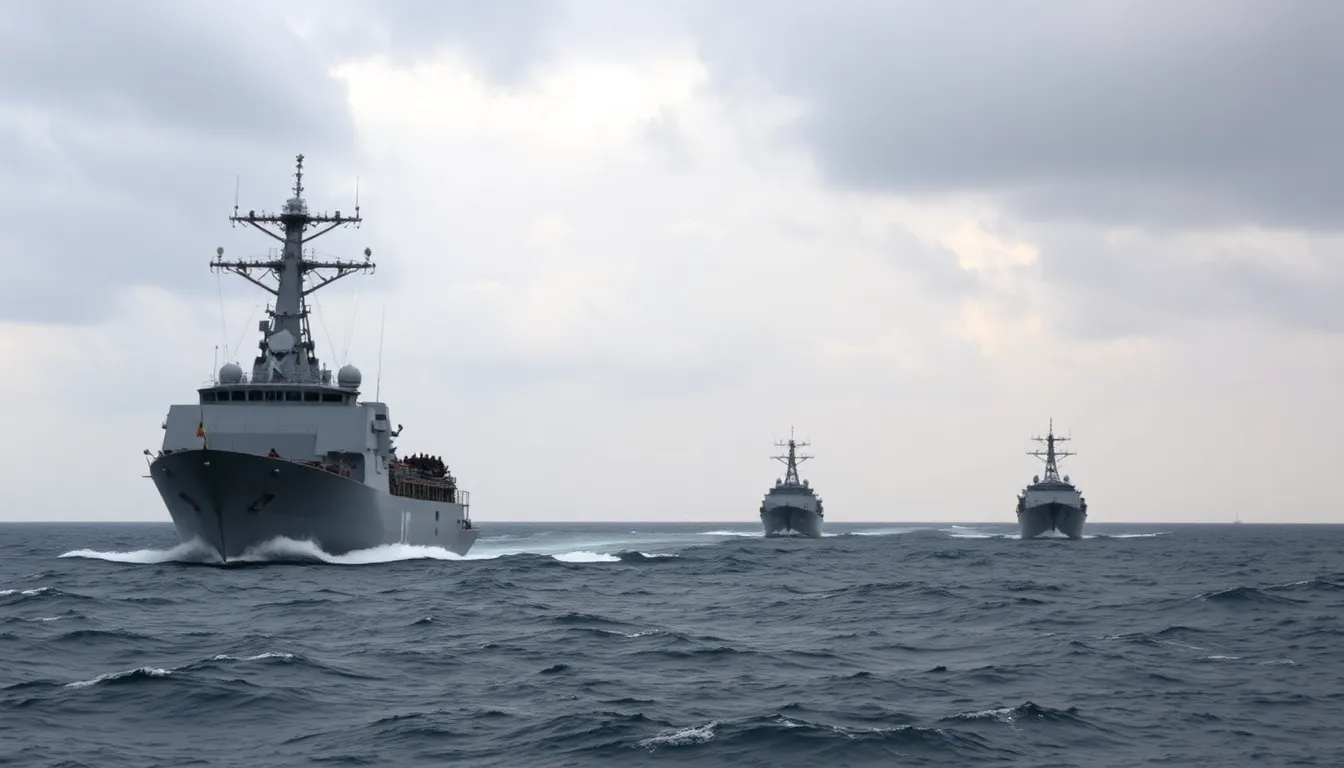
Frequently Asked Questions about the Conflict and Shipping
Key Insights and Future Outlook on Shipping Risks
The ongoing conflict involving the US, Israel, and Iran has introduced significant uncertainties in global shipping routes, particularly in the Strait of Hormuz, a critical passage for oil and goods. As tensions escalate, shipping companies must navigate not only the physical risks of potential military actions but also the economic implications of increased insurance costs and shipping delays. The geopolitical landscape is evolving, and stakeholders in the shipping industry must remain vigilant to adapt to these changes.
Looking ahead, the situation could lead to various scenarios that impact maritime trade. Increased naval presence in the region may provide some level of security, yet the threat of asymmetric warfare and targeted attacks remains a concern. Companies should consider diversifying routes and enhancing their risk management strategies to mitigate potential disruptions.
- Monitor developments in US-Iran relations, as diplomatic changes could influence shipping security.
- Assess the potential for increased shipping insurance costs and incorporate them into operational budgets.
- Explore alternative shipping routes to minimize exposure to conflict zones.
- Invest in advanced tracking and communication technologies to enhance situational awareness at sea.
- Engage in contingency planning to prepare for possible disruptions in supply chains.