
The luxury hotel, known for its opulence and popularity among international travelers, experienced disruptions as alarms were triggered during the attacks. Although there were no immediate reports of casualties at the hotel, the incident has raised concerns about the safety of high-profile locations in the UAE, a country that has largely been viewed as a safe haven in the region. For more insight into the impact of geopolitical tensions, see this article on Hungary’s loan challenges.
In response to the strikes, the UAE government has increased security measures, particularly around tourist destinations and critical infrastructure. This move aims to reassure both residents and visitors that their safety is a priority amid rising regional instability. The government has also urged citizens and tourists to remain vigilant and report any suspicious activities.
The ongoing situation underscores the broader implications of regional conflicts on global tourism and commerce. As Dubai continues to position itself as a leading luxury destination, the recent events could potentially deter travelers and impact the local economy, which heavily relies on tourism revenue. This aspect reflects a parallel to how AI technologies are influencing markets worldwide.
Understanding the background of the ongoing conflict
The recent escalation involving Iran and its retaliatory strikes across the region is deeply rooted in a complex tapestry of historical grievances, political maneuvers, and economic interests. The geopolitical landscape of the Middle East has been shaped by decades of conflict, particularly following the 1979 Iranian Revolution, which transformed Iran into a theocratic state and set the stage for tensions with neighboring countries and the West.

One of the key milestones in this ongoing conflict can be traced back to the U.S. invasion of Iraq in 2003. This event significantly altered the balance of power in the region, leading to increased Iranian influence in Iraq and a perceived threat to Sunni-majority nations, particularly Saudi Arabia and the UAE. The rise of militant groups, including ISIS, further complicated the dynamics, prompting various regional players to engage in proxy conflicts to secure their interests.
In recent years, the assassination of Iranian General Qassem Soleimani by a U.S. drone strike in January 2020 marked a pivotal moment in U.S.-Iran relations, intensifying hostilities and prompting Iran to adopt a more aggressive posture. The subsequent retaliatory actions by Iran, including missile strikes on U.S. bases and allies, have heightened fears of a broader conflict, leading to increased military presence in the Gulf region.
The Economic Dimension
The economic implications of these tensions cannot be overlooked. The Gulf region, particularly Dubai, has been a hub for luxury tourism and investment, attracting visitors from around the world. However, the threat of conflict has raised concerns about the stability of the region. As Iran continues to assert its influence and respond to perceived aggressions, the economic repercussions could lead to a decline in tourism and foreign investment, further complicating the fragile economic recovery post-pandemic.
Key stakeholders and issues surrounding the strikes
The recent retaliatory strikes launched by Iran have significant implications for various stakeholders in the region, particularly in the luxury tourism sector in Dubai. Key actors include the Iranian government, the United Arab Emirates (UAE), international hotel chains, and regional security organizations. Each of these entities has distinct interests that shape their responses to the escalating tensions.
The Iranian government, under pressure from domestic and international factors, seeks to assert its influence and respond to perceived aggressions. This move is aimed at reinforcing its position in the geopolitical landscape, while also catering to nationalist sentiments at home. In contrast, the UAE government, which has invested heavily in its tourism sector, aims to maintain stability and security to protect its economic interests.

International hotel chains operating in Dubai are directly impacted by the recent strikes, as they rely on a steady influx of tourists. The luxury hotel sector, which caters to high-profile guests, faces potential cancellations and a decline in bookings due to safety concerns. This could lead to significant economic repercussions not only for the hotels themselves but also for the broader hospitality and service industries in the region.
- Geopolitical tensions: The strikes highlight ongoing conflicts between Iran and its adversaries, raising concerns about regional stability.
- Economic implications: A decline in tourism could adversely affect local economies, particularly in Dubai, which has positioned itself as a global luxury destination.
- Security concerns: Increased military activity raises questions about the safety of international visitors and the measures necessary to ensure their protection.
- International relations: The situation may strain diplomatic ties between the UAE and Iran, as well as with other nations involved in the conflict.
- Legal ramifications: Potential legal issues may arise regarding liability and insurance claims for businesses affected by the strikes.
In summary, the complex interplay of interests among these stakeholders illustrates the broader implications of the strikes, emphasizing the need for careful navigation of the evolving geopolitical landscape.
The effects on tourism and local businesses in Dubai
The recent Iranian retaliatory strikes have sent shockwaves through the tourism sector in Dubai, a city renowned for its luxury accommodations and vibrant hospitality industry. Tourists, particularly from regions with heightened geopolitical tensions, may reconsider their travel plans, leading to a decline in visitor numbers. This could significantly impact hotels, restaurants, and entertainment venues that rely heavily on international clientele, much like trends observed in Japan’s tourist sector.
Local businesses that cater to tourists, such as retail shops and tour operators, are also feeling the pinch. Reduced tourist footfall may lead to a drop in sales, affecting not only revenue but also employment levels in these sectors. The ripple effect on the economy could be profound, particularly for small and medium enterprises that are less resilient to sudden market changes.
In the short term, the immediate impact may include cancellations of hotel bookings and a decrease in foot traffic in popular tourist areas. This could lead to a temporary downturn in profits for local businesses. In the mid-term, if tensions persist, there may be a re-evaluation of travel advisories by foreign governments, further complicating the recovery of the tourism sector.

- Potential decline in hotel occupancy rates.
- Increased operational costs due to heightened security measures.
- Loss of revenue for local businesses reliant on tourism.
- Possible shifts in tourist demographics and origins.
However, there are also potential opportunities that may arise from this situation. For instance, luxury hotels may pivot to attract domestic tourists or regional visitors seeking safe havens amidst geopolitical unrest. Additionally, businesses may innovate to enhance local experiences, tapping into the growing trend of staycations and local tourism.
A: The strikes are a response to recent geopolitical tensions involving Iran and its neighboring countries, escalating the situation significantly. A: The hotel industry is closely monitoring the situation, with some establishments enhancing security measures to ensure guest safety. A: Yes, several countries have issued travel advisories urging caution for travelers heading to Dubai due to the heightened tensions. A: Local authorities and hotel management are implementing increased security protocols and are in constant communication with law enforcement. A: While immediate impacts are evident, the long-term effects will depend on the resolution of regional tensions and the perception of safety among travelers.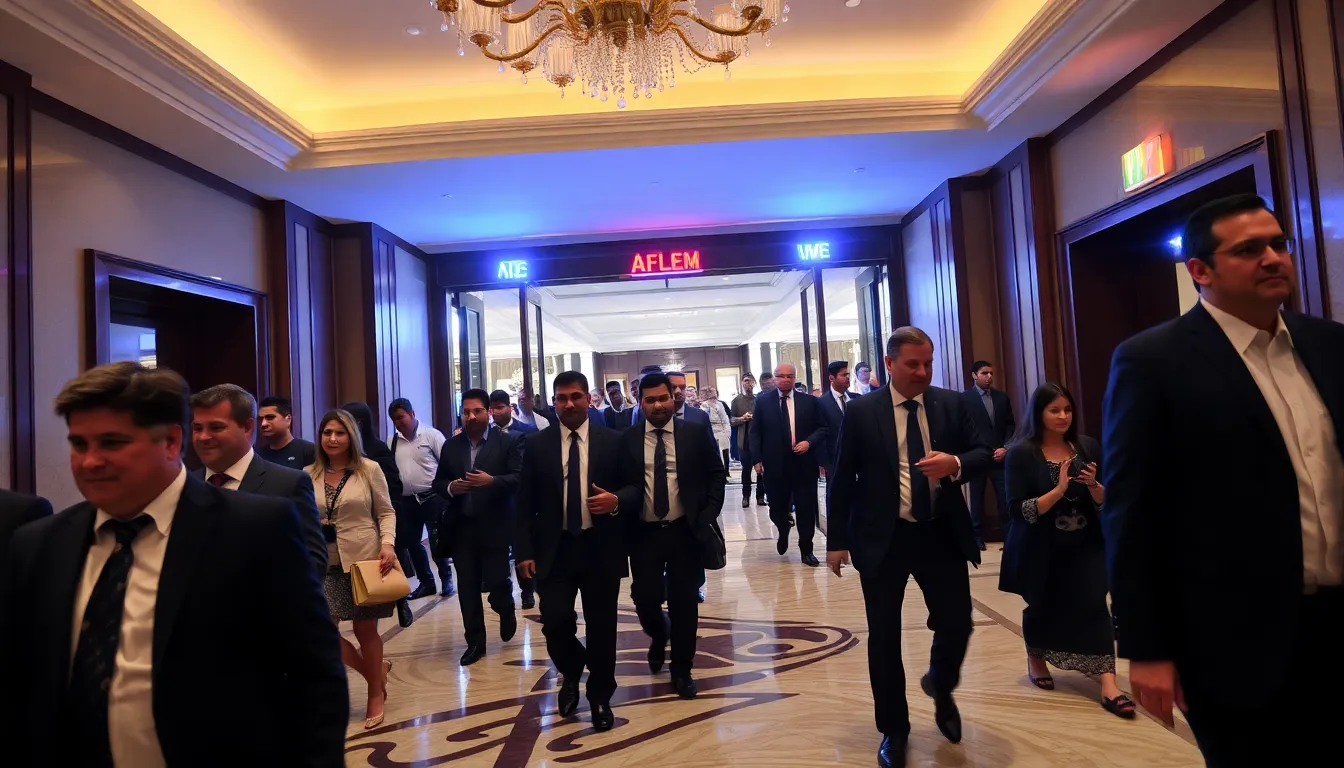
Frequently asked questions about the situation
Outlook on the implications of the strikes
The recent retaliatory strikes by Iran have not only escalated tensions in the region but have also raised concerns about the stability of luxury tourism in Dubai. As the city is known for its opulent hotels and attractions, the impact of such geopolitical events could lead to a decline in tourist confidence, which is crucial for the local economy. Stakeholders must remain vigilant about the evolving situation and its potential ramifications on travel patterns and safety perceptions.
In the coming weeks, it will be essential to monitor how these developments influence international relations and regional security dynamics. The luxury hospitality sector may need to adapt its strategies to reassure guests and mitigate any fallout from these events, ensuring that Dubai remains a desirable destination for travelers.
- Watch for changes in travel advisories issued by foreign governments concerning travel to Dubai.
- Monitor the response of the luxury hotel sector in terms of security enhancements and marketing strategies.
- Observe shifts in tourist demographics, as travelers may seek alternative destinations amid regional instability.
- Consider the potential long-term effects on investment in Dubai’s luxury real estate and hospitality sectors.
- Evaluate the role of diplomatic efforts in de-escalating tensions and restoring confidence in the region.