
The operation involves collaboration between US forces and Ecuadorian law enforcement agencies, focusing on key drug-producing areas in the country. As part of this effort, Japan plans to deploy missiles to enhance regional security and stability, which has been increasingly threatened by the influence of organized crime.
Officials from both nations have emphasized the importance of this operation in combating the flow of illegal drugs, particularly cocaine, which has seen record levels of production in recent years. The United Nations reported that Ecuador has become a major transit point for cocaine heading to the United States and Europe, prompting urgent action from both governments.
As the operation unfolds, it is expected to include intelligence sharing, training for local law enforcement, and direct military support in operations against drug trafficking organizations. The implications of this initiative are significant, as it aims not only to curb drug-related violence but also to strengthen bilateral relations between the US and Ecuador.
Understanding the drug trafficking crisis in Ecuador
Ecuador has increasingly become a focal point in the global drug trafficking landscape, primarily due to its strategic location between major cocaine-producing countries, Colombia and Peru. This shift has created a complex social and political environment, which has prompted both national and international responses, including the recent U.S. military operation aimed at combating this crisis.
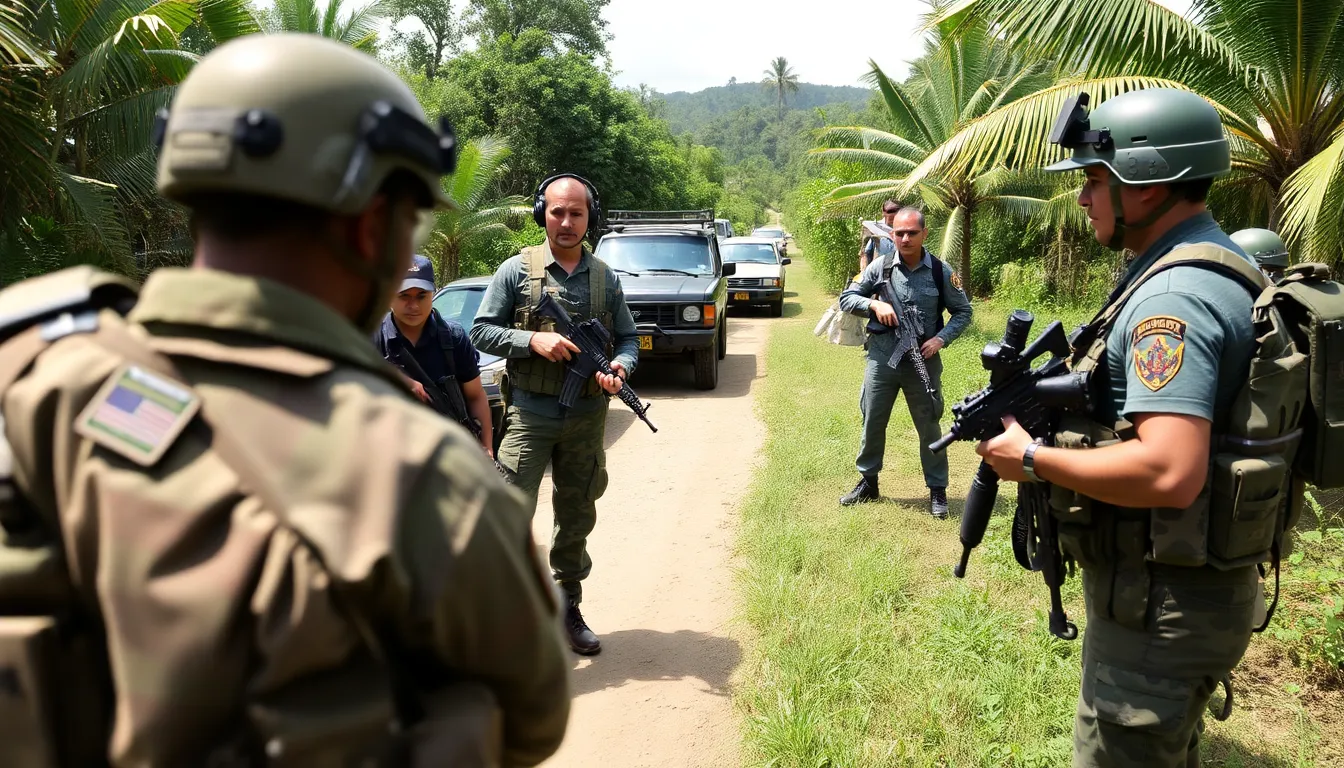
The roots of Ecuador’s drug trafficking issues can be traced back to the late 20th century, when the country began to experience an influx of Colombian drug traffickers seeking refuge from law enforcement efforts in their home country. As these traffickers established operations in Ecuador, they brought with them not only the drug trade but also a culture of violence and corruption. The situation escalated in the 2000s, when the Ecuadorian government began to confront the growing influence of these cartels, leading to a series of violent confrontations and political instability.
Economically, the impact of drug trafficking has been profound. While Ecuador has traditionally relied on agriculture and exports like bananas and shrimp, the drug trade has introduced a lucrative, albeit illegal, economy that has attracted many individuals, particularly in impoverished regions. This economic allure has made it challenging for the government to implement effective anti-drug strategies, as many communities depend on the income generated by the drug trade, similar to how GPs receive £3,000 bonus to increase prescriptions.
Political Responses and International Involvement
In response to the escalating crisis, Ecuador has sought international assistance, notably from the United States, which has a vested interest in curbing drug trafficking in the Andean region. Historical milestones, such as the signing of bilateral agreements for military and economic support, have paved the way for increased U.S. involvement in Ecuador’s fight against drugs. Recent operations, including the deployment of U.S. military personnel, signify a renewed commitment to addressing the growing threat posed by drug cartels and their impact on regional security.
Key stakeholders involved in the operation
The recent U.S. military operation in Ecuador to combat drug trafficking involves a variety of stakeholders, each with distinct interests and concerns. The primary actors include the U.S. government, the Ecuadorian government, local law enforcement agencies, drug trafficking organizations, and international organizations focused on drug control and human rights.
The U.S. government, through its military and drug enforcement agencies, aims to curb the flow of narcotics into the United States, which has significant social and economic implications. By collaborating with Ecuador, the U.S. seeks to strengthen regional security and enhance its counter-narcotics efforts. This operation is part of a broader strategy to combat drug-related violence and instability that affects both nations.
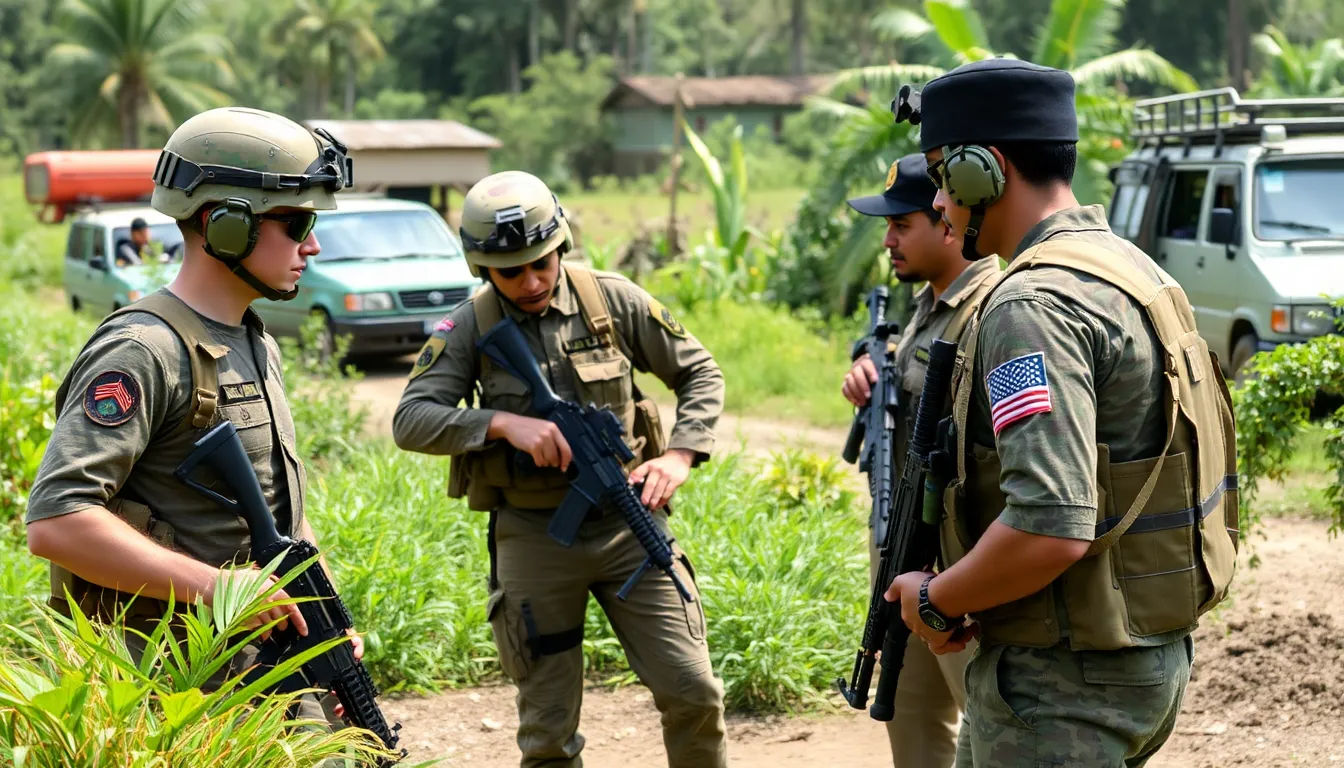
On the other hand, the Ecuadorian government has a vested interest in maintaining sovereignty while addressing its internal challenges with drug trafficking. The local administration may welcome U.S. support but must balance this with public sentiment that may oppose foreign military presence. Additionally, the Ecuadorian military and police forces are crucial players, as they will be directly involved in the operation, often facing the dual challenge of combating organized crime while ensuring public safety.
Drug trafficking organizations are significant stakeholders as well, as they stand to lose power and profits from increased military operations. This can lead to violent confrontations, posing risks to civilians and complicating the operational landscape for both U.S. and Ecuadorian forces. The potential for retaliation and increased violence raises concerns about the effectiveness and safety of the operation.
- U.S. government: Focused on reducing drug trafficking and enhancing national security.
- Ecuadorian government: Aims to address internal drug issues while managing public opinion regarding foreign intervention.
- Local law enforcement: Tasked with implementing strategies on the ground, facing challenges from organized crime.
- Drug trafficking organizations: Likely to resist operations, leading to potential violence and instability.
- International organizations: Monitoring the operation for compliance with human rights and legal standards.
Potential impacts on local communities and markets
The recent US military operation in Ecuador to combat drug trafficking is poised to have significant effects on various groups and industries within the region. Local communities, law enforcement agencies, and businesses operating in affected areas will experience both immediate and longer-term changes. The operation aims to disrupt drug supply chains, which could lead to shifts in local economies and daily life.
In the short term, residents in regions targeted by military operations may face heightened security measures, including increased military presence and potential disruptions to daily activities. This could result in a temporary decline in tourism and local commerce, as visitors may avoid areas perceived as unstable. Additionally, local farmers and small businesses that inadvertently become collateral damage in the crackdown may experience economic hardships.
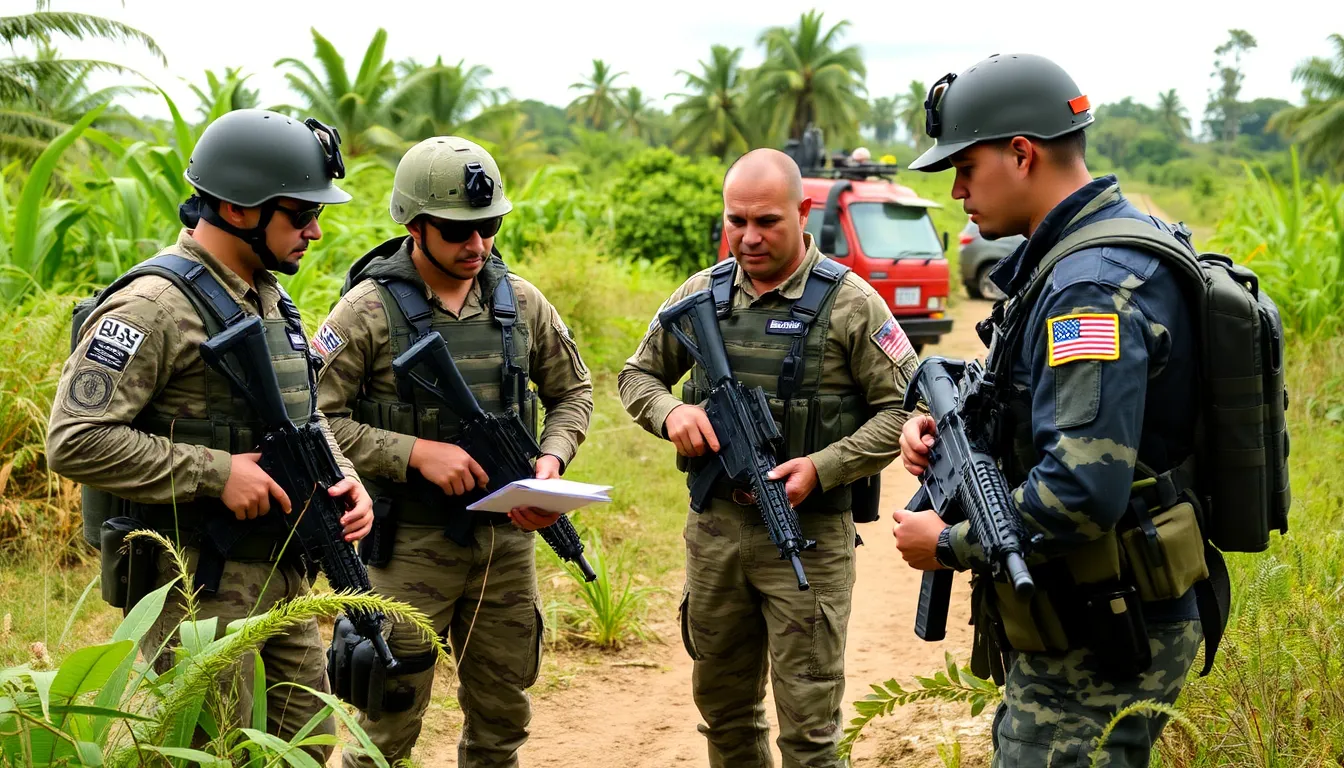
On the other hand, the operation could create opportunities for local law enforcement and security sectors. As the US military collaborates with Ecuadorian forces, there may be an influx of resources and training aimed at strengthening local capabilities to combat crime. This partnership could enhance public safety in the long run, fostering a more stable environment for business operations.
- Short-term disruptions: Increased military presence may affect daily life and local businesses.
- Economic adjustments: Farmers and small businesses could experience financial strain.
- Opportunities for law enforcement: Enhanced training and resources may improve local security.
- Long-term stability: Potential for a safer environment may attract future investments.
In the mid-term, the effectiveness of the operation will determine its impact on drug trafficking networks and overall crime rates. If successful, communities may see a reduction in violence and drug-related activities, leading to a more conducive environment for economic growth. However, there is also the risk that drug traffickers could adapt by shifting operations to other regions, potentially leading to new challenges for local authorities.
A: The primary goal is to combat drug trafficking and reduce the influence of drug cartels in the region. A: The operation aims to support local law enforcement agencies by providing training and resources to enhance their capabilities. A: Expected outcomes include a decrease in drug trafficking activities and improved safety for local communities. A: The duration of the operation has not been specified, but it will depend on the evolving situation regarding drug trafficking. A: Some local groups express concerns about sovereignty and the potential for increased militarization in the region.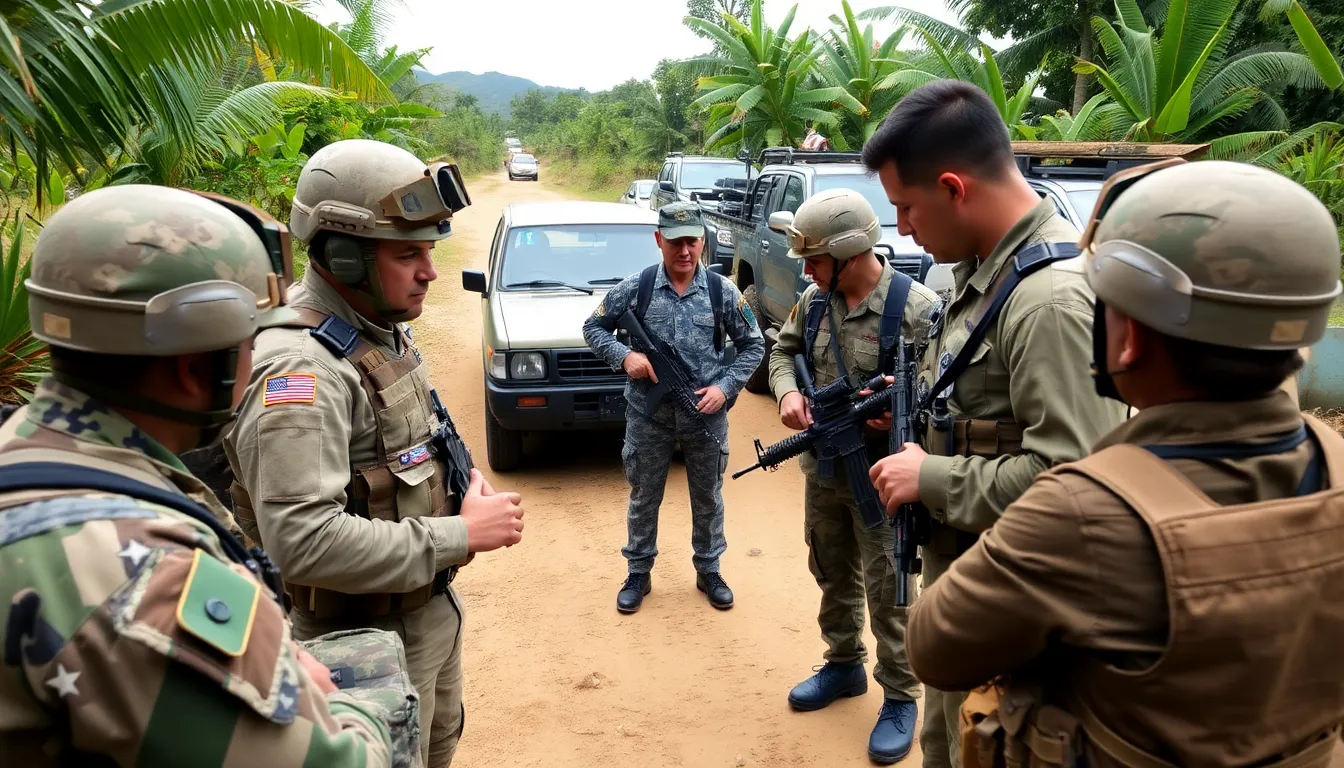
Frequently asked questions about the operation
Key takeaways and future outlook on the operation
The recent deployment of U.S. military forces in Ecuador marks a significant escalation in the fight against drug trafficking in the region. This operation not only reflects the U.S. commitment to international drug control efforts but also highlights the increasing challenges faced by Ecuador as it grapples with rising violence and organized crime linked to narcotics. As this operation unfolds, it will be critical to monitor its impact on local communities and the broader geopolitical landscape in Latin America.
Looking ahead, the success of this initiative will depend on various factors, including collaboration with Ecuadorian authorities, the response from drug cartels, and the potential for regional cooperation against transnational crime. Observers should remain vigilant about the implications this operation may have on U.S.-Latin America relations and the long-term stability of Ecuador.
- Increased U.S. presence: This operation may pave the way for a more sustained U.S. military involvement in Ecuador and potentially other Latin American countries facing similar challenges.
- Impact on local dynamics: The operation could influence local power structures, possibly leading to shifts in control among drug trafficking organizations.
- International cooperation: Success will likely depend on effective collaboration with Ecuadorian forces and other regional allies, highlighting the need for a unified approach to combat drug trafficking.
- Community response: The reaction of local communities to the military presence will be crucial; public support or opposition could significantly affect the operation’s effectiveness.
- Long-term implications: Observing the outcomes of this operation will provide insights into the effectiveness of military interventions in addressing complex social issues like drug trafficking.