
In September 2023, the United States hosted a summit that included discussions on regional cooperation and democracy, which further highlighted the divide between pro-Cuban and anti-Cuban sentiment in Latin America. Notably, countries like Argentina and Mexico have historically maintained a supportive posture towards Cuba, but recent developments have prompted some leaders to reconsider their positions. The influence of the U.S. in the region remains a significant factor in these discussions, as seen in China’s Influence in Latin America and the US Response.
Furthermore, the economic ramifications of the COVID-19 pandemic have exacerbated existing tensions. Many Latin American nations are grappling with their own economic crises, leading to a reluctance to support a government that is perceived as failing to address its citizens’ needs. This has resulted in a growing chorus of voices advocating for a reevaluation of Cuba’s role within regional alliances, such as CELAC (Community of Latin American and Caribbean States).
The shifting dynamics are underscored by the upcoming elections in several countries, where candidates are increasingly vocal about their foreign policy stances, particularly regarding Cuba. As public opinion shifts and political landscapes evolve, the question of whether Latin America is ready to abandon Cuba becomes increasingly pressing, with potential implications for the future of regional unity and cooperation.
Historical ties and recent developments in Cuba
Cuba has long been a focal point of geopolitical tensions in Latin America, particularly since the Cuban Revolution in 1959, which saw Fidel Castro rise to power and establish a socialist state. This event marked a significant shift in the region’s political landscape, as Cuba became a symbol of resistance against U.S. influence in Latin America. Over the decades, the island nation has maintained close ties with various leftist governments in the region, fostering a sense of solidarity among like-minded nations.

In recent years, however, the political climate in Latin America has begun to shift. Countries such as Brazil, Argentina, and Chile have seen the rise of more centrist or right-leaning governments that prioritize economic reform and trade relationships, often at the expense of historical alliances with Cuba. This change reflects a broader trend in the region where economic stability and democratic governance are increasingly prioritized over ideological affiliations.
The Impact of U.S. Policy
The United States has played a pivotal role in shaping the relationship between Cuba and its Latin American neighbors. The embargo imposed in 1960 has not only isolated Cuba economically but has also influenced the political dynamics in the region. Many Latin American countries have had to navigate their relationships with both the U.S. and Cuba, often leading to a delicate balancing act. As U.S. policies towards Cuba have fluctuated, so too have the responses from Latin American nations, with some advocating for engagement and others supporting continued isolation. This nuanced situation mirrors themes discussed in Exploring the Connection Between Slow Living and Financial Success.
Moreover, the recent protests in Cuba, fueled by economic hardships and demands for greater freedoms, have sparked discussions throughout Latin America about the future of the island. These events have prompted some leaders to reconsider their positions on Cuba, weighing the benefits of solidarity against the need for reform and modernization in their own countries. As the region grapples with its identity and future direction, the question of whether to maintain ties with Cuba or move towards a more pragmatic approach is becoming increasingly pressing.
Key stakeholders and their positions on Cuba
In the context of Latin America’s evolving relationship with Cuba, several key stakeholders emerge, each with distinct interests and perspectives. These include regional governments, international organizations, and various civil society groups. Understanding their positions is crucial to analyzing the broader implications of potential shifts in policy towards Cuba, especially given the rising political voices advocating for change as seen in the Pro-American Kurdish Forces Prepare for Possible Iran Incursion.
Firstly, the governments of countries like the United States, Brazil, and Mexico play significant roles. The United States has historically maintained a hardline stance against the Cuban regime, prioritizing human rights and democratic reforms. In contrast, Brazil and Mexico have shown more willingness to engage with Cuba, emphasizing diplomatic relations and economic cooperation. This divergence creates a complex dynamic where bilateral relations can influence regional stability and economic partnerships.
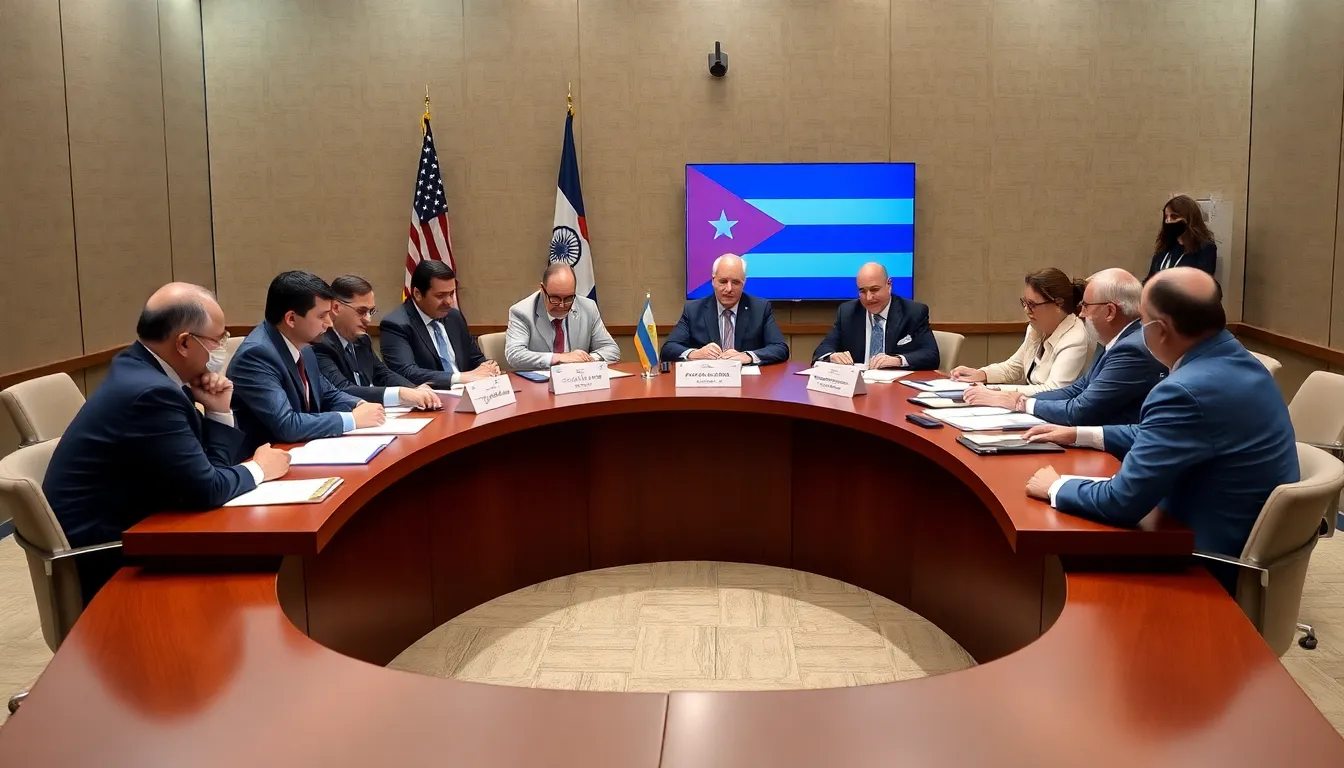
International organizations, such as the Organization of American States (OAS) and the United Nations, also have vested interests in the situation. The OAS has been critical of Cuba’s political system, advocating for democratic governance across the region. Meanwhile, the UN often emphasizes humanitarian aid and development, pushing for a more nuanced approach that considers the socio-economic realities of the Cuban population.
- Human Rights Concerns: Stakeholders like the U.S. prioritize human rights, leading to potential sanctions against Cuba.
- Economic Interests: Countries like Brazil and Mexico advocate for trade and investment opportunities, seeing Cuba as a market for their goods and services.
- Geopolitical Influence: Nations such as China and Russia may seek to strengthen their ties with Cuba, countering U.S. influence in the region.
- Migration Issues: The potential for increased migration from Cuba could impact neighboring countries, raising concerns about border security and social integration.
- Public Opinion: Civil society groups across Latin America are increasingly vocal about their positions on Cuba, influencing government policies and international relations.
In conclusion, the interplay between these stakeholders reveals a landscape marked by competing interests and potential conflicts. As Latin America grapples with the question of whether to abandon or support Cuba, the implications of these decisions will resonate throughout the region, shaping future diplomatic and economic relations.
Potential consequences for the region if Cuba is abandoned
The potential abandonment of Cuba by its Latin American neighbors could have significant repercussions across various sectors. Key groups affected include the Cuban population, regional governments, and industries reliant on tourism and trade. The shift in diplomatic and economic relations may create a ripple effect that alters the landscape of regional cooperation and stability.
In the short term, the Cuban people may face increased isolation as access to resources and support diminishes. This could lead to heightened economic hardship, exacerbating existing issues such as food scarcity and healthcare challenges. Businesses in countries that have historically supported Cuba may also feel the immediate impact, as they navigate the potential loss of markets and partnerships.
Mid-term effects might include shifts in regional alliances and trade patterns. Countries like Venezuela and Nicaragua, which have maintained close ties with Cuba, could experience political and economic instability as they reassess their relationships. Conversely, nations that have been hesitant to engage with Cuba may find new opportunities for investment and trade, creating a dynamic shift in regional economic power.
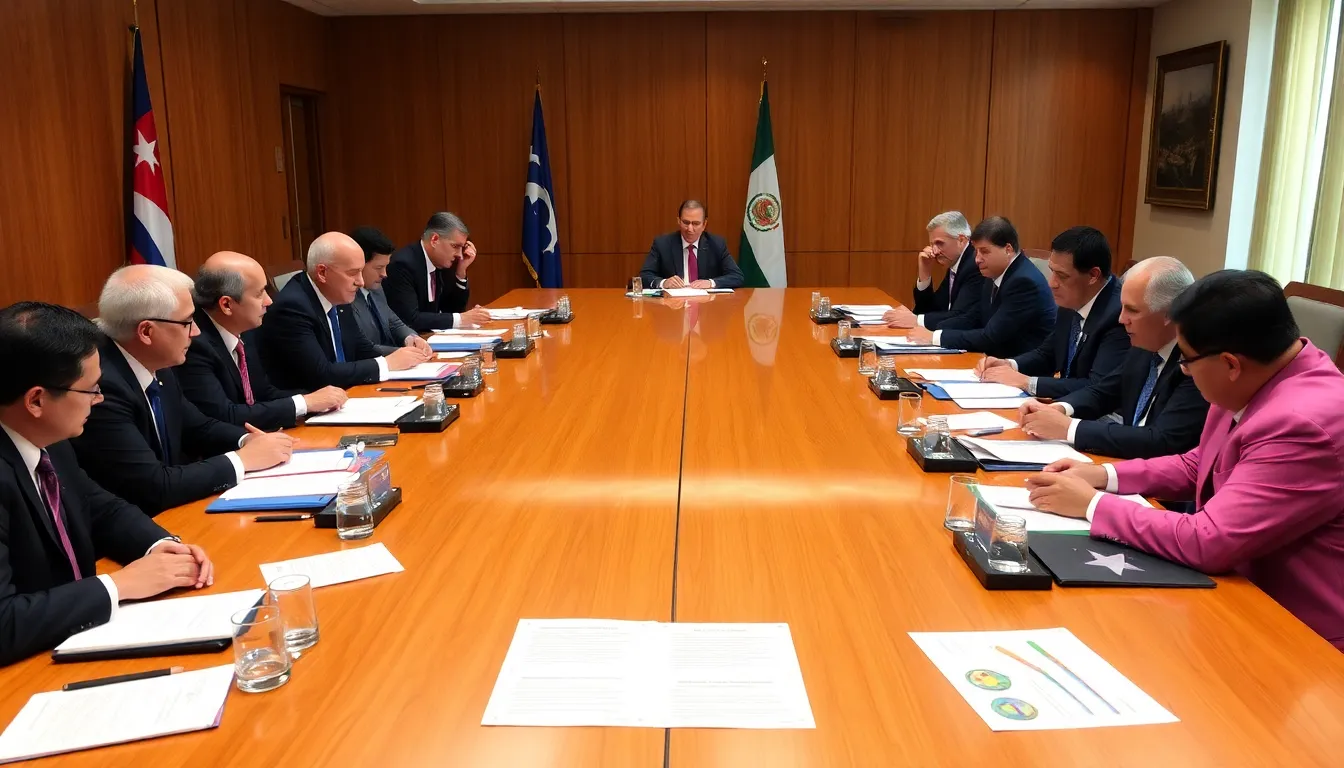
- Economic Opportunities: New markets for investments in sectors like tourism and agriculture may emerge.
- Political Realignment: Countries may reassess their alliances, leading to new regional partnerships.
- Social Impact: Increased migration from Cuba could strain neighboring countries’ resources.
While the abandonment of Cuba poses risks, it also opens avenues for innovation and collaboration among Latin American nations. The potential for new trade agreements and cooperative ventures could redefine the economic landscape, fostering growth and resilience in the region.
A: The main reasons include economic pressures, shifts in political leadership, and a desire for democratic reforms in the region. A: Abandoning Cuba could lead to increased isolation for the island and potentially shift alliances among Latin American countries. A: Yes, countries like Venezuela and Nicaragua continue to support Cuba due to shared political ideologies and historical ties. A: If Latin America distances itself from Cuba, it could exacerbate the economic challenges faced by Cuban citizens and limit their access to support. A: While tensions are high, there remains a possibility for reconciliation if political dynamics shift and dialogue is prioritized.
Frequently asked questions about Latin America’s stance on Cuba
Future outlook on Latin America’s relationship with Cuba
The evolving political landscape in Latin America suggests a significant shift in the region’s relationship with Cuba. As countries grapple with their own socio-economic challenges and seek new alliances, the traditional solidarity with Cuba may be tested. The increasing influence of pragmatism over ideology could lead to a reevaluation of Cuba’s role in regional politics.
Observers should pay attention to how the younger generation of leaders in Latin America approaches Cuba, especially as they prioritize economic growth and democratic governance. This shift may result in a more transactional relationship, where support for Cuba is contingent on its reforms and responsiveness to the region’s changing dynamics.
- Watch for potential diplomatic shifts as countries like Brazil and Argentina reassess their support for Cuba in light of domestic priorities.
- Monitor the impact of U.S. policies on Latin American countries’ relations with Cuba, particularly as tensions rise in the region.
- Consider the role of civil society and grassroots movements in shaping public opinion about Cuba, which may influence government policies.
- Observe economic partnerships and trade agreements, as they may dictate the level of engagement with Cuba moving forward.
- Keep an eye on the response of Cuba’s government to regional pressures, which could either lead to reforms or further isolation.