
However, this increasing reliance on Chinese investments raises concerns about potential debt dependency and the geopolitical implications of such ties, particularly in the context of China’s ambitions.
In contrast, the United States has struggled to maintain its traditional influence in the region, particularly under the previous administration. The shift in focus towards Asia and the withdrawal from various international agreements have left a vacuum that China has been quick to fill. The Biden administration has signaled a desire to re-engage with Latin America, emphasizing democratic values and economic partnerships, but the effectiveness of these efforts remains to be seen.
The upcoming electoral cycle in the United States adds another layer of complexity to this dynamic. With former President Donald Trump hinting at a potential run in 2024, questions arise about how his foreign policy approach would impact U.S.-Latin America relations. If Trump were to regain power, it could lead to a renewed focus on countering Chinese influence, but such a pivot would require substantial diplomatic and economic resources.
Overall, the interplay between China and Latin America is a critical issue that could reshape the region’s political and economic landscape. As both powers vie for influence, the outcomes will have lasting implications not only for Latin American countries but also for global geopolitics.
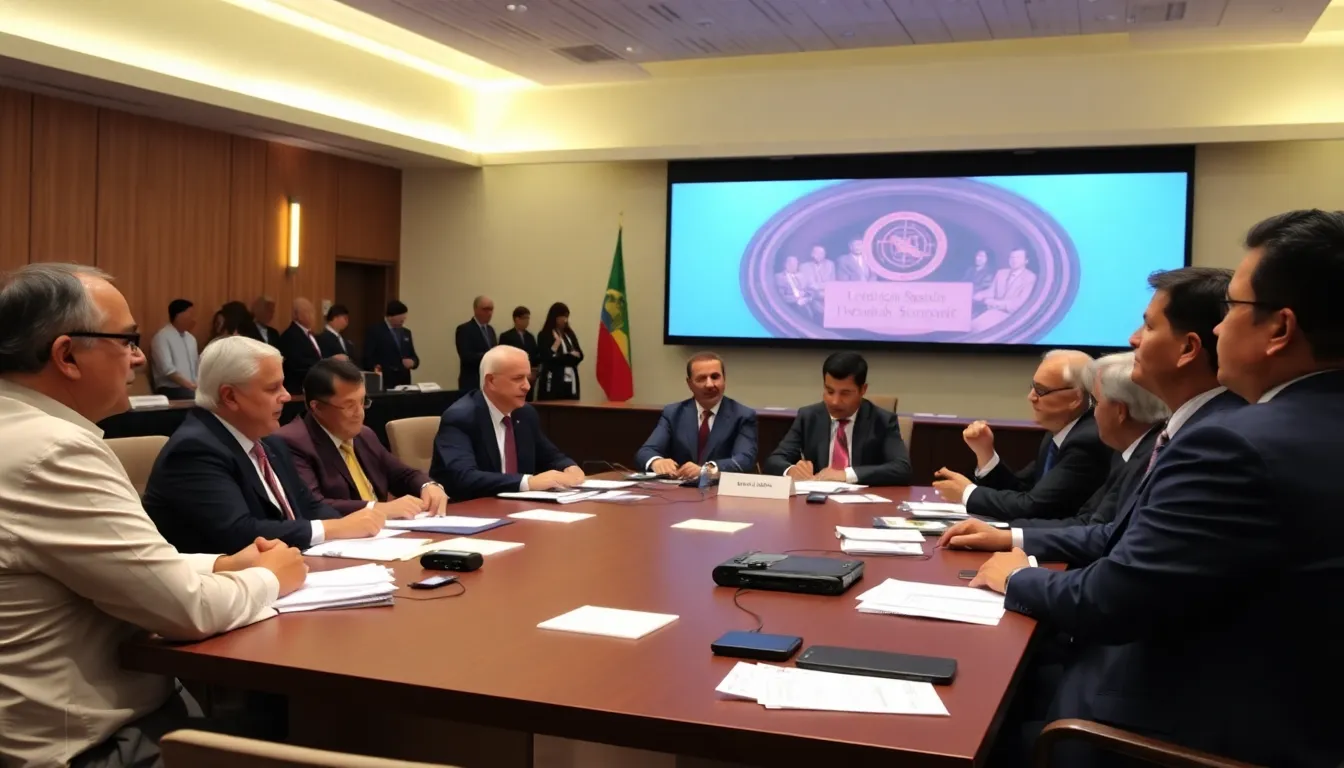
Historical Context of China’s Engagement in Latin America
This shift began in the early 2000s, coinciding with China’s rapid economic growth and its need for natural resources to fuel its industrial expansion, an aspect that echoes in other global contexts, such as infrastructure projects.
One of the key milestones in this engagement was the establishment of the Forum of China and the Community of Latin American and Caribbean States (CELAC) in 2014. This platform allowed for enhanced political dialogue and economic cooperation, further solidifying China’s presence in the region. By offering loans, investments, and trade partnerships, China positioned itself as a viable alternative to U.S. influence, particularly in countries with strained relations with Washington.
Moreover, China’s Belt and Road Initiative, launched in 2013, has played a crucial role in deepening ties with Latin American nations. Through infrastructure projects and trade agreements, China has invested billions in the region, fostering economic dependencies that have reshaped traditional alliances. Countries like Venezuela, Brazil, and Argentina have become key partners, benefiting from Chinese investments while simultaneously increasing their reliance on Beijing.
Political Dynamics and U.S. Response
The political landscape in Latin America has also shifted, with several left-leaning governments emerging that are more amenable to Chinese partnerships. This has prompted the U.S. to reassess its foreign policy in the region. Historically, the U.S. has viewed Latin America as its sphere of influence, but China’s growing footprint has challenged this notion. The Trump administration, in particular, attempted to counter China’s influence through diplomatic efforts and economic incentives, but the effectiveness of these strategies remains a topic of debate.
Key Stakeholders and Issues in US-Latin America Relations
Each stakeholder has distinct interests that shape their engagement strategies and diplomatic efforts, emphasizing the need for urgent reforms akin to those now debated in areas like student loan regulations.

The United States, under the Trump administration, aims to reassert its influence in a region that has seen increasing Chinese investment and presence. This interest is driven by economic considerations, such as the desire to secure trade agreements and counteract China’s Belt and Road Initiative, which has significantly bolstered China’s ties with Latin American nations. Conversely, Latin American countries seek to diversify their economic partnerships, balancing their ties with both the US and China to maximize benefits for their economies.
Several key issues complicate this dynamic, including:
- Trade Relations: The renegotiation of trade agreements, such as NAFTA into USMCA, reflects a shift in US policy that prioritizes American workers and industries, potentially at the expense of Latin American economies.
- Political Ideologies: The ideological divide between leftist governments in some Latin American countries and the conservative policies of the Trump administration may lead to friction in diplomatic relations.
- Security Concerns: Issues such as drug trafficking and immigration are critical for the US, which may push for more stringent border policies that could strain relations with neighboring countries.
- Human Rights: The US has historically emphasized human rights in its foreign policy, which can conflict with the domestic policies of certain Latin American governments.
As these stakeholders navigate their interests, the potential for conflict and trade-offs will shape the future of US-Latin America relations. The challenge for the Trump administration will be to find a balance that allows for constructive engagement without alienating key partners in a region that is increasingly looking to China for investment and support.
Potential Impacts on Trade and Diplomacy in the Region
The shifting dynamics of U.S.-China relations in Latin America are poised to affect various groups and industries across the region. Governments, businesses, and local communities are all likely to experience significant changes as the U.S. attempts to reassert its influence against China’s growing presence.
In the short term, industries such as agriculture, mining, and technology could see a shift in trade partnerships. The U.S. may seek to enhance trade agreements with Latin American countries, potentially leading to increased exports of agricultural products and raw materials to the U.S. market. This could benefit local farmers and mining companies, but it also carries risks of over-dependence on U.S. markets.

Mid-term impacts may involve changes in diplomatic relations, as Latin American countries navigate their ties with both superpowers. Some nations may find themselves caught in a tug-of-war between U.S. interests and Chinese investments, leading to potential political instability. This could affect local economies and governance, as leaders may prioritize short-term economic gains over long-term strategic partnerships.
- Increased U.S. investment opportunities in infrastructure and technology sectors.
- Greater competition for Chinese firms in key industries.
- Potential backlash from communities reliant on Chinese investments.
While there are risks associated with these changes, there are also opportunities for innovation and growth. Latin American countries could leverage their strategic position to negotiate better terms with both the U.S. and China, fostering a more balanced economic environment. However, the outcome will largely depend on how effectively these nations can manage their relationships with both powers.
A: China has invested heavily in infrastructure projects, offered loans, and engaged in trade agreements to build strong relationships with Latin American countries. A: The US has often viewed China’s growing presence with concern, leading to efforts to reinforce its own diplomatic and economic ties in the region. A: Trump faces significant challenges, including geopolitical competition, economic dependencies, and the need to present a coherent strategy to Latin American nations. A: While it is possible for the US to regain influence, it will require a comprehensive approach that addresses economic, political, and social factors. A: Latin American countries are key players, as they must navigate their relationships with both China and the US based on their national interests.
Frequently Asked Questions About US and China Relations in Latin America
Future Outlook for US Engagement in Latin America
As China continues to deepen its influence in Latin America through infrastructure investments and trade partnerships, the United States faces a critical juncture in its foreign policy approach to the region. The potential for renewed engagement under the Trump administration could reshape the dynamics of international relations in Latin America, offering both challenges and opportunities for U.S. interests.
Monitoring the responses of Latin American countries to U.S. initiatives will be crucial, as these nations weigh their options amid competing offers from both superpowers. The effectiveness of U.S. diplomacy and economic strategies will determine whether the region remains aligned with American interests or shifts further towards China.
- Renewed Diplomatic Efforts: Watch for increased U.S. diplomatic missions aimed at strengthening ties with key Latin American countries.
- Trade Agreements: The potential for new trade deals could reshape economic relationships and counterbalance China’s influence.
- Infrastructure Investments: U.S. investments in infrastructure will be essential to compete with China’s Belt and Road Initiative.
- Regional Security Cooperation: Enhanced collaboration on security issues may foster stronger alliances and mutual interests.
- Public Sentiment: Observing the public’s response to U.S. policies in the region will provide insights into the long-term sustainability of American engagement.