
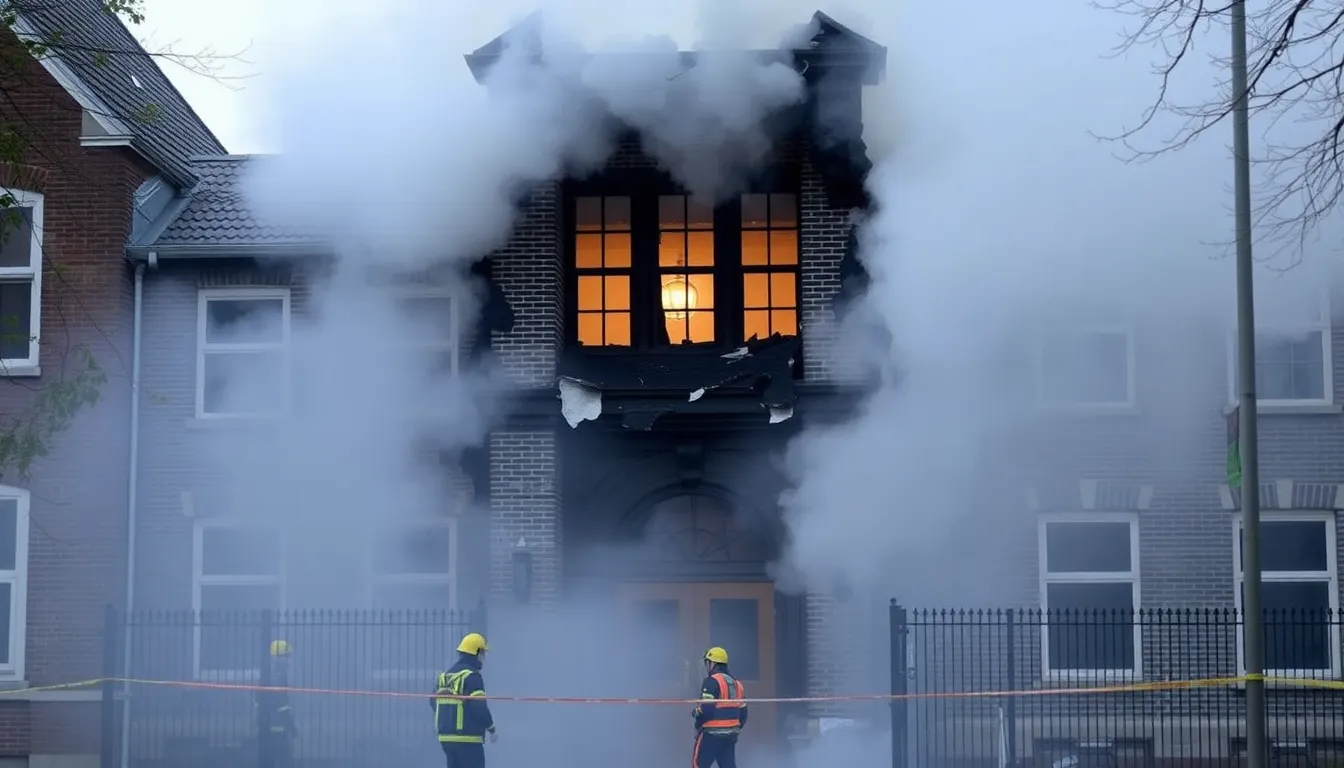
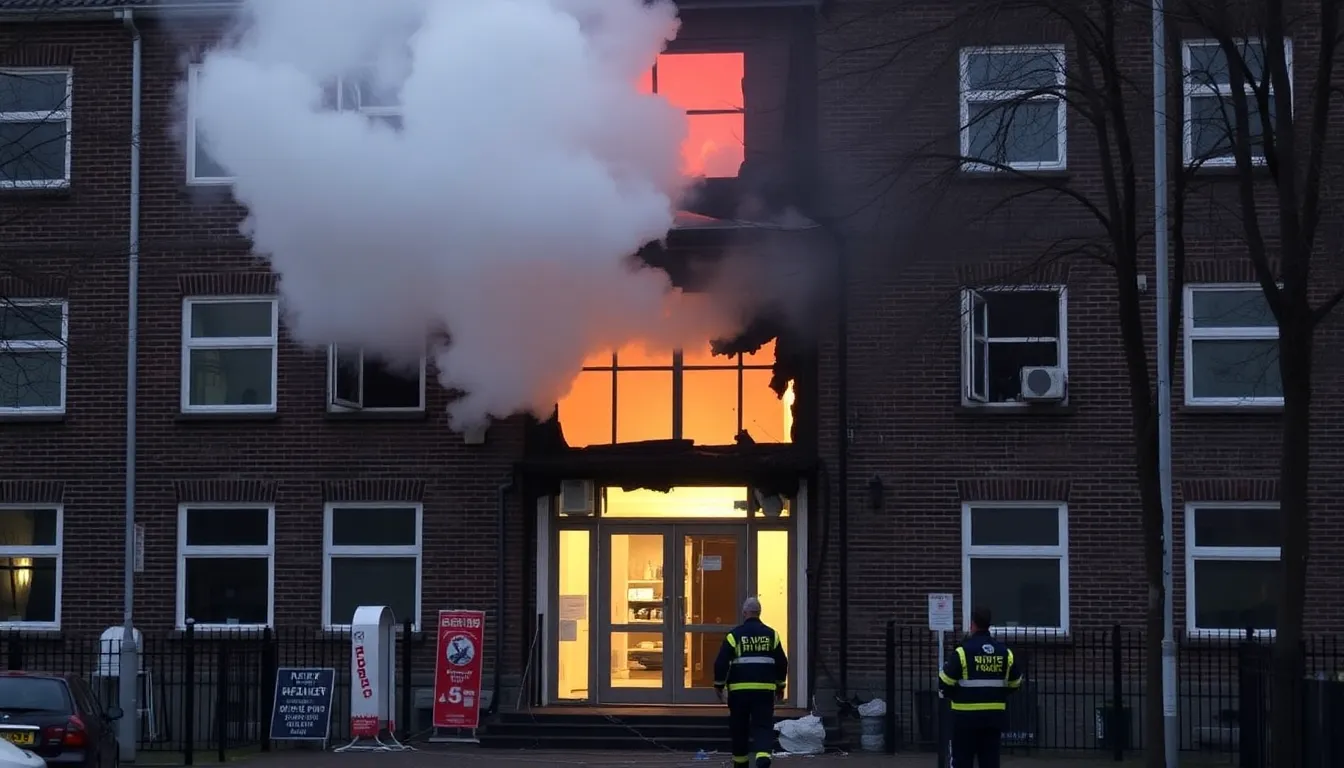
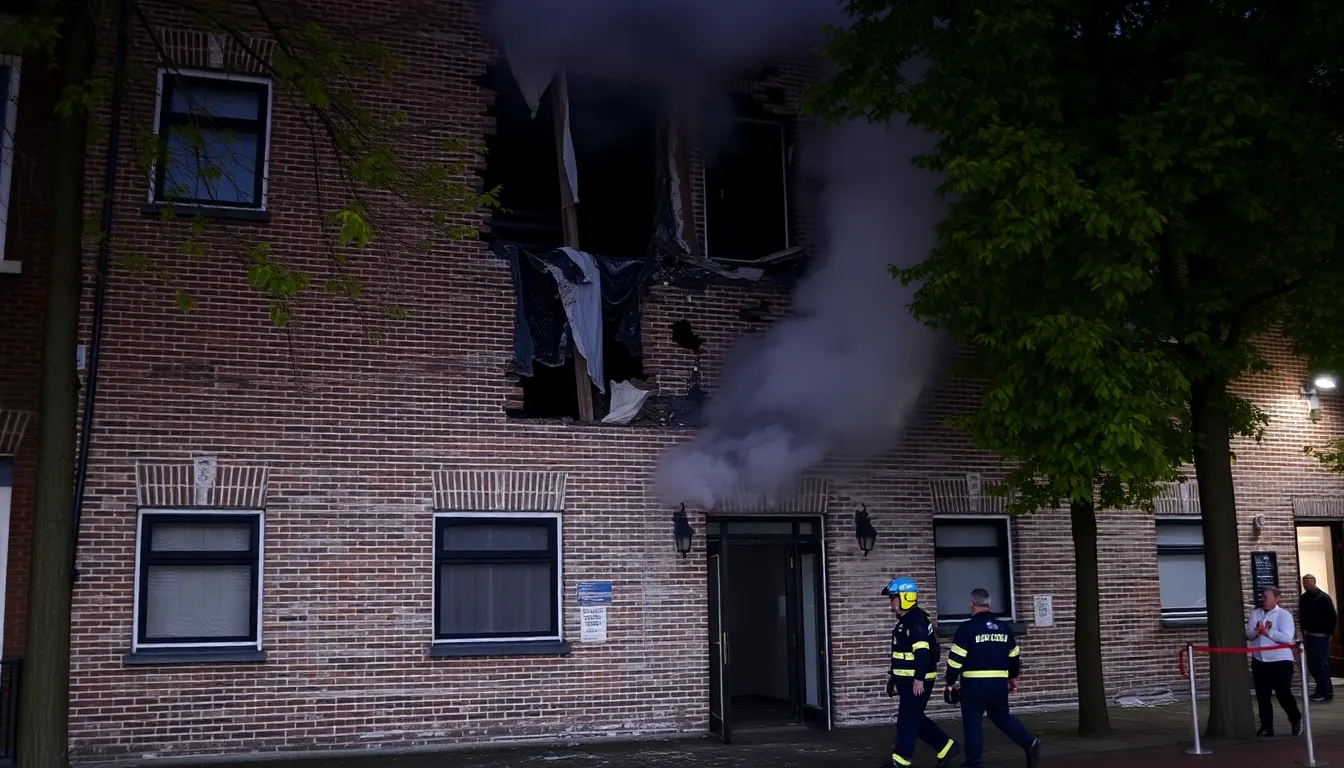
The explosion took place during the early morning hours, causing damage to the school but fortunately resulting in no injuries. Authorities quickly responded to the scene, launching an investigation to determine the cause of the blast and whether it was a targeted act of violence against the Jewish community.
Local law enforcement has reported a disturbing rise in antisemitic activities in recent months, prompting increased security measures around Jewish institutions. The recent attacks have intensified fears within the community, with many calling for stronger protections and a more robust response from law enforcement officials.
In light of these events, Amsterdam’s mayor and other officials have condemned the violence and expressed solidarity with the Jewish community. They emphasized the importance of addressing hate crimes and ensuring that all citizens feel safe and secure in their neighborhoods.
Recommended Articles
- Video captures near miss of Indian politician in gunshot incident
- Ex-Executive at Blood Filter Start-Up Faces Charges Over Death Cover-Up
- Brazil's Rodrygo expresses heartbreak over World Cup exit
- Comparing the Current Oil Supply Shock to the 1973 Embargo
- Police release images of suspect in Oslo US embassy explosion
- Video captures near miss of Indian politician in gunshot incident
- Ex-Executive at Blood Filter Start-Up Faces Charges Over Death Cover-Up
- Brazil's Rodrygo expresses heartbreak over World Cup exit
- Comparing the Current Oil Supply Shock to the 1973 Embargo
- Police release images of suspect in Oslo US embassy explosion
Understanding the rise of antisemitic incidents in the Netherlands
The recent explosion at a Jewish school in Amsterdam marks a troubling escalation in antisemitic violence, reflecting a broader pattern of rising hostility towards Jewish communities in the Netherlands. Historically, the Netherlands has been home to a vibrant Jewish population, but the shadows of World War II and the Holocaust continue to cast a long shadow over Jewish life in the country. The memory of the deportation and extermination of Dutch Jews during the Nazi occupation has instilled a deep awareness of the dangers of antisemitism, yet recent years have seen a worrying resurgence of antisemitic attitudes and actions.
In recent years, there has been a notable increase in reported antisemitic incidents across Europe, with the Netherlands experiencing a significant rise. According to reports from various organizations, including the Netherlands’ Center for Information and Documentation on Israel (CIDI), antisemitic incidents have doubled over the past decade. Factors contributing to this rise include the proliferation of hate speech online, the resurgence of far-right movements, and the politicization of the Israeli-Palestinian conflict, which has often spilled over into antisemitic rhetoric and actions.
Key events shaping the current landscape
Several key events have shaped the current landscape of antisemitism in the Netherlands. The 2014 Gaza conflict sparked widespread protests, some of which were marked by overt antisemitic slogans and imagery. Additionally, the rise of populist political parties has further polarized public discourse, often using anti-Jewish sentiments as a rallying point. The assassination of Dutch politician Pim Fortuyn in 2002 and the subsequent rise of anti-immigrant sentiment have also contributed to an environment where antisemitism can thrive.
Moreover, the COVID-19 pandemic has seen a disturbing trend of conspiracy theories linking Jews to the virus, exacerbating existing prejudices. This toxic mix of historical grievances, political polarization, and social media amplification has created a volatile environment for Jewish communities, leading to increased fears for safety and security. The recent attacks are a stark reminder of the urgent need for society to confront and address these deep-rooted issues of antisemitism.
Key stakeholders address the implications of repeated attacks
The recent explosion at a Jewish school in Amsterdam, following closely on the heels of another antisemitic incident, has raised significant concerns among various stakeholders. These include local government officials, community leaders, law enforcement agencies, and international organizations dedicated to combating antisemitism. Each of these actors has distinct interests that shape their responses to the escalating violence.
Local government officials are primarily focused on ensuring the safety and security of their constituents. Their interests lie in maintaining public order and preventing further incidents, which may lead to increased scrutiny of community relations and resource allocation for security measures. In contrast, community leaders from the Jewish population seek to protect their cultural and religious identity while advocating for greater awareness and action against antisemitism.
Law enforcement agencies face the challenge of investigating these attacks while balancing civil liberties with the need for heightened security. The trade-offs involved include potential over-policing in certain neighborhoods versus the necessity of ensuring community safety. Additionally, international organizations, such as the Anti-Defamation League (ADL), are concerned with the broader implications of rising antisemitism globally, advocating for policy changes and educational initiatives to combat hate crimes.
- Increased Security Measures: Local governments may introduce stricter security protocols at Jewish institutions and public spaces.
- Community Relations: The need for dialogue between different communities to foster understanding and cooperation.
- Policy Advocacy: International organizations may push for legislative changes to strengthen hate crime laws.
- Resource Allocation: Law enforcement may require additional funding and resources to effectively address and prevent such incidents.
- Public Awareness Campaigns: Initiatives aimed at educating the public about antisemitism and promoting tolerance.
As these stakeholders navigate the complexities of the situation, their interactions and decisions will significantly impact the broader social landscape. The ongoing conflict between ensuring safety and protecting civil liberties will continue to shape the discourse surrounding these antisemitic attacks.
Community response and the broader societal impact of these attacks
The recent explosion at a Jewish school in Amsterdam marks a troubling escalation in antisemitic violence, affecting not only the local Jewish community but also the broader population. This incident, occurring just two days after another antisemitic attack, raises urgent concerns about safety and security for Jewish individuals and organizations across the Netherlands and beyond. The psychological impact on the community is profound, leading to heightened fear and anxiety among Jewish families and students.
In the short term, businesses and institutions associated with the Jewish community may experience disruptions. Schools, synagogues, and community centers might implement increased security measures, diverting funds and resources away from educational and cultural programs. Additionally, local law enforcement may allocate more resources to protect these sites, impacting their operational capacity elsewhere. This could lead to a temporary decline in community engagement and participation in cultural events.
In the mid-term, the ongoing threat of antisemitic violence could influence public policy. Authorities may be compelled to enact stricter laws and regulations concerning hate crimes and security measures for vulnerable communities. This could result in increased funding for community safety initiatives and educational programs aimed at combating antisemitism, potentially fostering a more inclusive environment in the long run.
- Increased security costs for Jewish institutions and businesses.
- Potential rise in community solidarity initiatives aimed at countering hate.
- Policy changes that enhance protections for minority communities.
- Opportunities for dialogue between different community groups to promote understanding.
While the immediate risks are significant, there may also be opportunities for social change. The response to these attacks could galvanize broader coalitions among various community groups, fostering a united front against hate and discrimination. This solidarity could lead to collaborative efforts that not only address antisemitism but also combat other forms of prejudice, ultimately strengthening societal bonds and resilience.
A: The explosion occurred early in the morning, damaging the school building but fortunately resulting in no injuries. Authorities are investigating the cause and potential motives behind the attack. A: This explosion is the second antisemitic attack reported in Amsterdam within two days, highlighting a concerning trend of rising antisemitism in the area. A: Local authorities are increasing police presence around Jewish institutions and are working with community leaders to enhance security measures. A: As of now, no suspects have been publicly identified, and investigations are ongoing to determine the individuals responsible for both attacks. A: Community members are encouraged to participate in solidarity events, support local Jewish organizations, and report any suspicious activities to the authorities.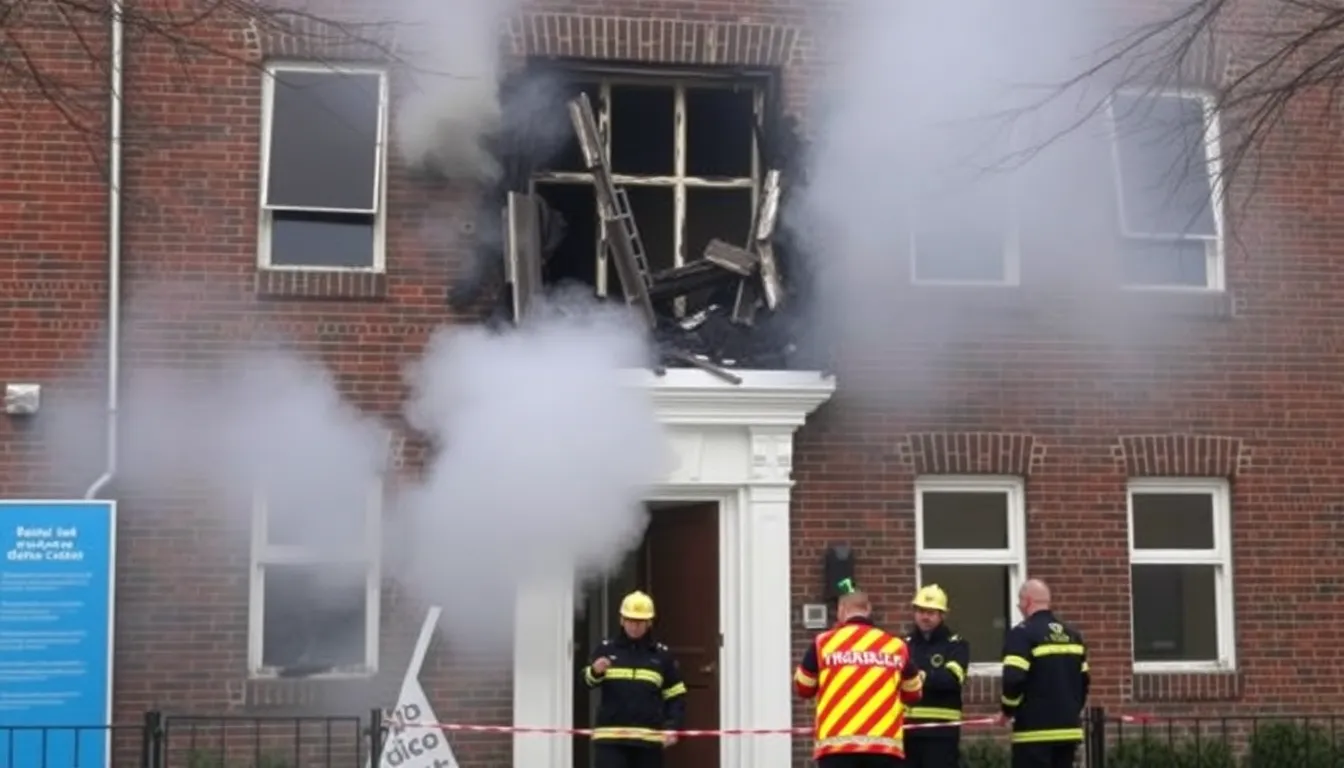
Frequently Asked Questions about the recent attacks
Looking ahead: the need for increased security and community support
The recent explosion at a Jewish school in Amsterdam marks a troubling escalation in antisemitic incidents, following another attack just days prior. This pattern underscores the urgent need for heightened security measures in vulnerable communities and a collective response from both local authorities and civil society. As the situation evolves, it is imperative to monitor how these events impact community cohesion and the safety of minority groups.
In the face of rising antisemitism, fostering dialogue and understanding within the community will be essential. Initiatives aimed at educating the public about the dangers of hate and intolerance can play a pivotal role in countering these threats. Stakeholders must remain vigilant and proactive in their efforts to ensure safety and promote inclusivity.
- Increased collaboration between law enforcement and community organizations to enhance security measures.
- Potential for community-led initiatives focused on education and awareness to combat antisemitism.
- Monitoring of political rhetoric and its influence on societal attitudes towards minority groups.
- Support for mental health services for those affected by recent violence and fear in the community.
- Engagement of local leaders in fostering dialogue to strengthen community bonds and resilience.