
On October 10, 2023, the Kurdish-led Syrian Democratic Forces (SDF) reported unusual movements of Iranian troops and affiliated militias close to their positions. The SDF has historically relied on support from the United States to counter threats from both the Syrian government and Iranian-aligned groups. As tensions mount, the SDF is seeking assurances from their American allies regarding military support and strategic guidance, which is crucial for understanding the dynamic situation.
The situation is further complicated by the ongoing geopolitical dynamics in the region, where various actors, including Turkey and Russia, have vested interests. Turkey has long viewed the Kurdish forces as a terrorist threat due to their links with the PKK, a Kurdish militant group. This adds another layer of complexity to the potential conflict, as any Iranian aggression could prompt a response from multiple fronts.
Analysts warn that a direct confrontation between Kurdish forces and Iranian-backed militias could destabilize the region further, impacting the already fragile security situation in Iraq and Syria. The international community is closely monitoring developments, as any escalation could have broader implications for U.S. foreign policy in the Middle East.
Background on Kurdish forces and regional tensions
The Kurdish people, an ethnic group primarily located in the mountainous regions of Turkey, Iraq, Iran, and Syria, have long sought greater autonomy and recognition of their cultural rights. Historically, the Kurds have faced oppression and marginalization in each of these countries, leading to a strong desire for self-determination. The establishment of the Kurdistan Regional Government (KRG) in Iraq in the early 1990s marked a significant milestone in Kurdish political aspirations, providing a degree of autonomy that has influenced Kurdish movements in neighboring countries.
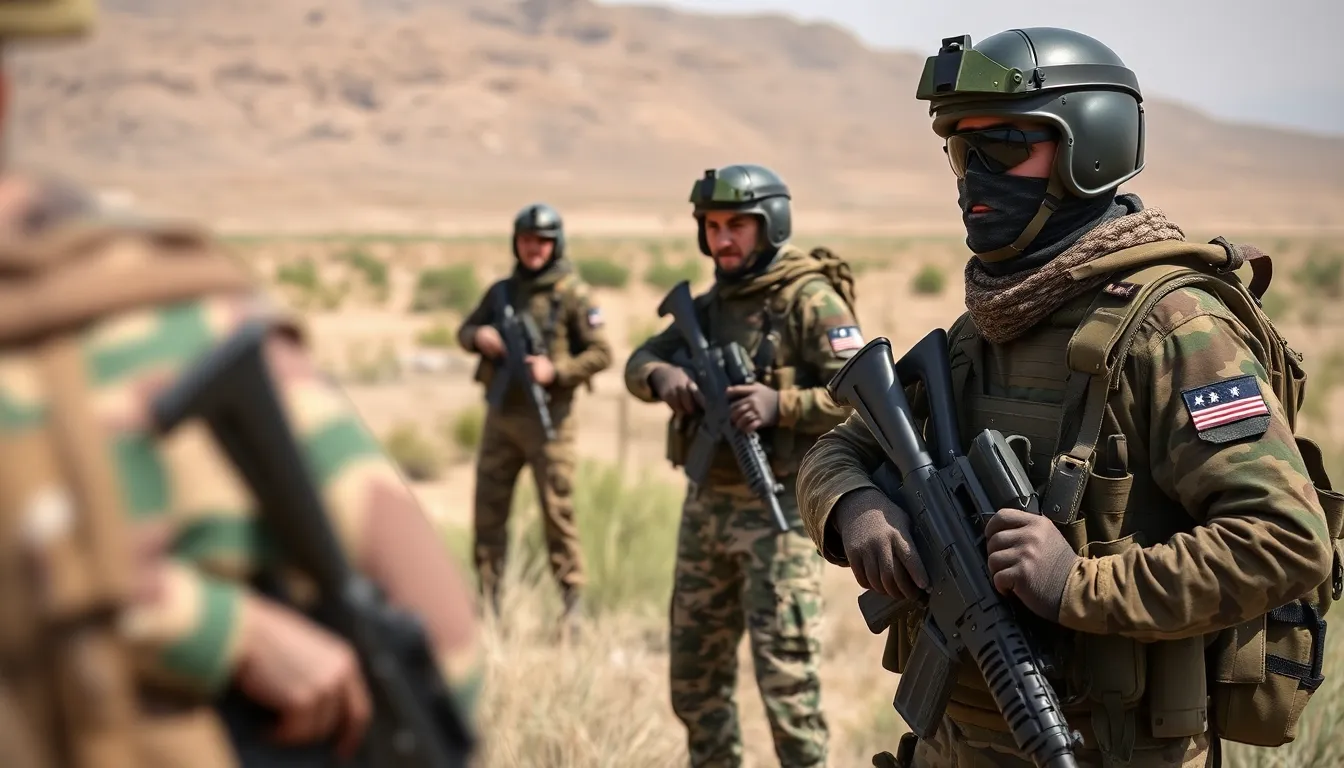
In recent years, the rise of the Islamic State (ISIS) posed a significant threat to the region, leading to a unique alliance between Kurdish forces, particularly the People’s Protection Units (YPG) in Syria, and the United States. This partnership not only helped to combat ISIS but also positioned Kurdish forces as key players in the geopolitical landscape of the Middle East, a fact that is often overlooked when discussing regional stability.
Iran’s Response to Kurdish Aspirations
Iran has historically been wary of Kurdish movements, fearing that any gains in autonomy could inspire its own Kurdish population to seek similar rights. The Iranian government has responded to Kurdish aspirations with a mix of military action and political repression. The Iranian Revolutionary Guard Corps (IRGC) has conducted operations against Kurdish groups in the border regions, further escalating tensions. As Kurdish forces in Iraq and Syria gain strength, the potential for an Iranian incursion into these areas to suppress Kurdish influence has become a pressing concern.
Additionally, the economic dynamics in the region play a crucial role in the ongoing tensions. The Kurdish regions are rich in natural resources, particularly oil, which has led to conflicts over control and revenue-sharing. This economic interest complicates the relationships between Kurdish forces and their neighboring states, as each country seeks to secure its own economic and strategic interests amid the shifting political landscape, similar to the complexities seen in a legal confrontation.
As the situation evolves, the potential for an Iranian incursion into Kurdish-held territories remains a critical issue. With the backing of the U.S. and other international actors, Kurdish forces are preparing for various scenarios, all while navigating the complex web of alliances and enmities that characterize the region. The historical context of Kurdish struggles for autonomy, coupled with current geopolitical tensions, sets the stage for a volatile and uncertain future.
Key stakeholders and issues at play
The situation surrounding the potential incursion by pro-American Kurdish forces into Iran involves a complex web of stakeholders, each with distinct interests and motivations. The primary actors include the Kurdish forces, the Iranian government, the United States, and regional powers such as Turkey and Iraq. Understanding their positions is essential for grasping the broader implications of any military action.
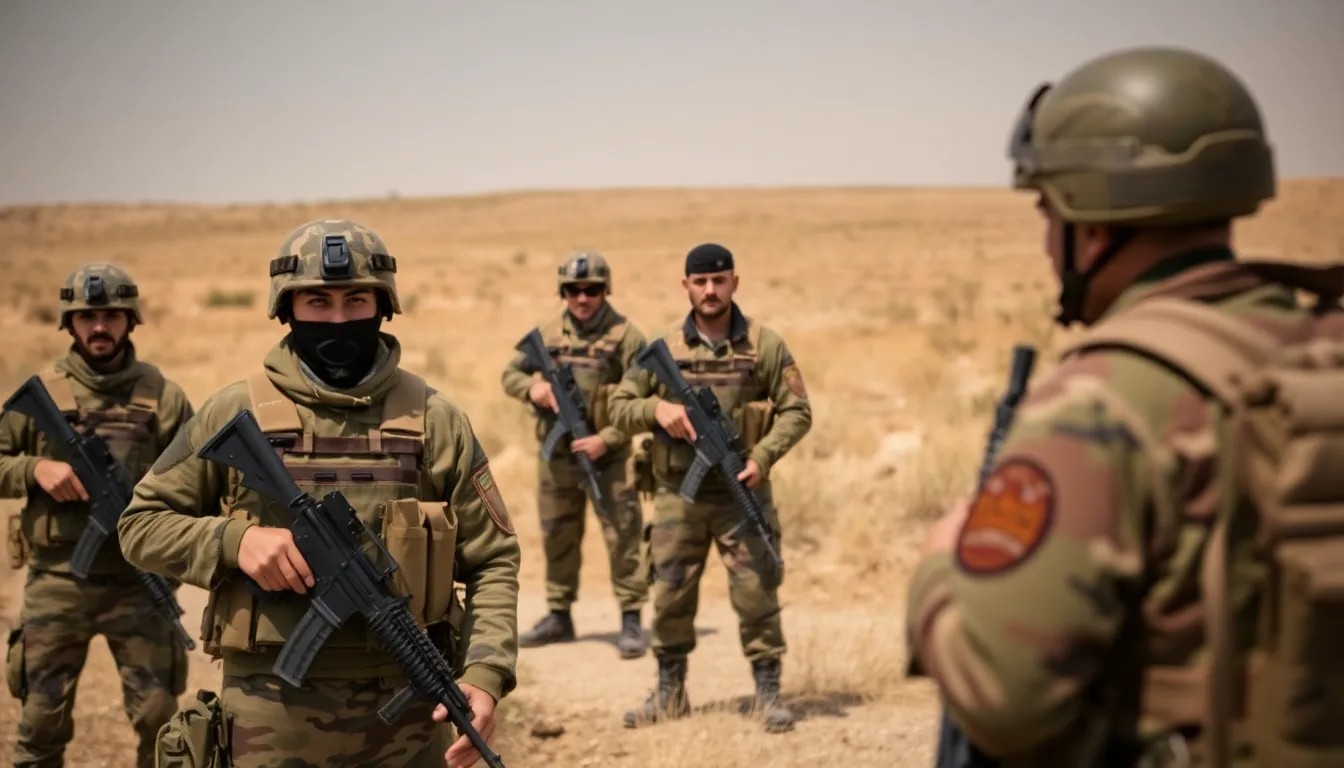
Pro-American Kurdish forces, primarily the Syrian Democratic Forces (SDF) and the Kurdistan Regional Government (KRG) in Iraq, are motivated by a desire to secure autonomy and protect their territories from perceived threats, particularly from Iran and Turkey. Their alignment with U.S. interests has provided them with military support, but it also places them in a precarious position, as they must navigate the geopolitical tensions between their allies and adversaries.
The Iranian government views any incursion by Kurdish forces as a direct threat to its sovereignty and regional influence. Iran has a vested interest in maintaining stability within its borders and suppressing any separatist movements that could inspire similar actions among its own Kurdish population. This leads to heightened tensions and the potential for military confrontation, which could destabilize the region further.
Meanwhile, the United States has a strategic interest in countering Iranian influence in the Middle East. By supporting Kurdish forces, the U.S. aims to create a buffer against Iran and maintain its foothold in the region. However, this support comes with trade-offs, as the U.S. must balance its relationship with Turkey, which views the Kurdish forces as a terrorist threat due to their connections with the PKK (Kurdistan Workers’ Party).
- The potential for increased military conflict in the region, which could draw in multiple actors.
- The risk of a humanitarian crisis resulting from displacement and violence against civilians.
- The implications for U.S.-Turkey relations, particularly regarding arms sales and military cooperation.
- The impact on Iraq’s stability, as Kurdish movements could influence its internal dynamics.
- The broader geopolitical ramifications, including shifts in alliances and power balances in the Middle East.
Potential impacts on the region and global markets
The ongoing preparations by Pro-American Kurdish forces for a potential incursion into Iran have far-reaching implications for various groups and industries. The primary stakeholders include regional governments, local populations in affected areas, and global energy markets. As tensions rise, the stability of the Middle East could be jeopardized, impacting international relations and economic conditions.
In the short term, local businesses in border regions may experience disruptions due to increased military activity and potential conflict. Industries such as agriculture and tourism could be particularly hard hit, as safety concerns may deter investment and movement. Additionally, the local populations might face challenges related to security and access to essential services.
Mid-term impacts could include shifts in policy from regional governments, particularly those aligned with the U.S. or Iran. This may lead to changes in trade agreements and foreign investment strategies. Furthermore, the potential for conflict could drive up oil prices globally, affecting economies reliant on stable energy prices.
- Increased military spending: Governments may allocate more resources to defense, impacting social services.
- Disruption of trade routes: Key supply chains could be affected, leading to shortages and price fluctuations.
- Humanitarian concerns: A rise in displaced populations could strain resources in neighboring countries.
- Opportunities for energy sector: Increased demand for alternative energy sources may arise as tensions affect oil supply.
While the risks are significant, there may also be opportunities for diplomatic engagement and conflict resolution initiatives. Countries that can mediate between the conflicting parties may enhance their geopolitical influence, while businesses that adapt to changing conditions could find new markets or investment avenues.
A: The main concerns include the potential for increased violence in the region, the impact on local populations, and the geopolitical ramifications for U.S. interests. A: Pro-American Kurdish forces are reportedly enhancing their military readiness, conducting drills, and seeking additional support from U.S. allies in anticipation of potential Iranian actions. A: The U.S. has historically supported Kurdish forces, and its involvement may include intelligence sharing, military aid, and diplomatic efforts to deter Iranian aggression. A: Local civilians may face increased risks of conflict, displacement, and humanitarian crises as tensions escalate between Kurdish forces and Iran. A: The situation could strain relations between the U.S. and Iran, impact alliances in the region, and influence global energy markets due to instability.
Frequently asked questions about the situation
Insights and outlook on the future of Kurdish forces and Iran
The evolving dynamics between Pro-American Kurdish forces and Iran present a complex geopolitical landscape that warrants close attention. As these Kurdish factions prepare for a potential incursion, the implications for regional stability, U.S. foreign policy, and Iranian responses are significant. The interplay of local ambitions and international alliances could reshape the balance of power in the Middle East.
Monitoring the developments in this situation is crucial, as the actions taken by both the Kurdish forces and Iran may influence broader U.S. strategies in the region. The potential for increased tensions or even conflict could have far-reaching consequences, not only for the countries directly involved but also for neighboring nations and global stakeholders.
- Heightened Military Readiness: Kurdish forces may increase their military capabilities in anticipation of a possible Iranian response, leading to a more militarized northern Iraq.
- Impact on U.S. Relations: The U.S. may need to recalibrate its support for Kurdish forces, balancing its commitments against the risks of escalating tensions with Iran.
- Regional Alliances: The situation could prompt shifts in alliances, with other regional players reassessing their positions in response to Kurdish actions and Iranian countermeasures.
- Humanitarian Concerns: An incursion or conflict could exacerbate humanitarian crises, necessitating international attention and aid to affected populations.
- Long-term Stability: The outcomes of this situation will likely influence long-term stability in Iraq and the surrounding regions, affecting everything from governance to economic conditions.