
Key figures in the slow living movement, including authors and lifestyle influencers, have played a pivotal role in popularizing this philosophy. Notably, the publication of books and articles focusing on the benefits of slowing down has sparked widespread interest, similar to the discussions around global orders. Events such as workshops and retreats centered around the slow living ethos have also emerged, further cementing its relevance in contemporary culture.
The COVID-19 pandemic has acted as a catalyst for the slow living trend, prompting individuals to reevaluate their priorities and lifestyles. With lockdowns and social distancing measures in place, many found themselves with more time to reflect on their daily routines. This period of introspection has led to a growing desire for simplicity and connection, driving more people towards adopting slow living practices.
As this movement continues to evolve, it is essential to recognize its impact on various sectors, including wellness, food, and travel. The shift towards sustainable practices and local sourcing is becoming increasingly evident as consumers seek to align their values with their purchasing decisions. This change not only supports local economies but also fosters a sense of community and belonging.
In conclusion, the rise of slow living is a multifaceted phenomenon that reflects broader societal shifts towards mindfulness and sustainability. As more individuals embrace this lifestyle, it is crucial to consider the long-term implications for personal health, community engagement, and environmental stewardship.
The Cultural Shift Towards Mindfulness and Simplicity
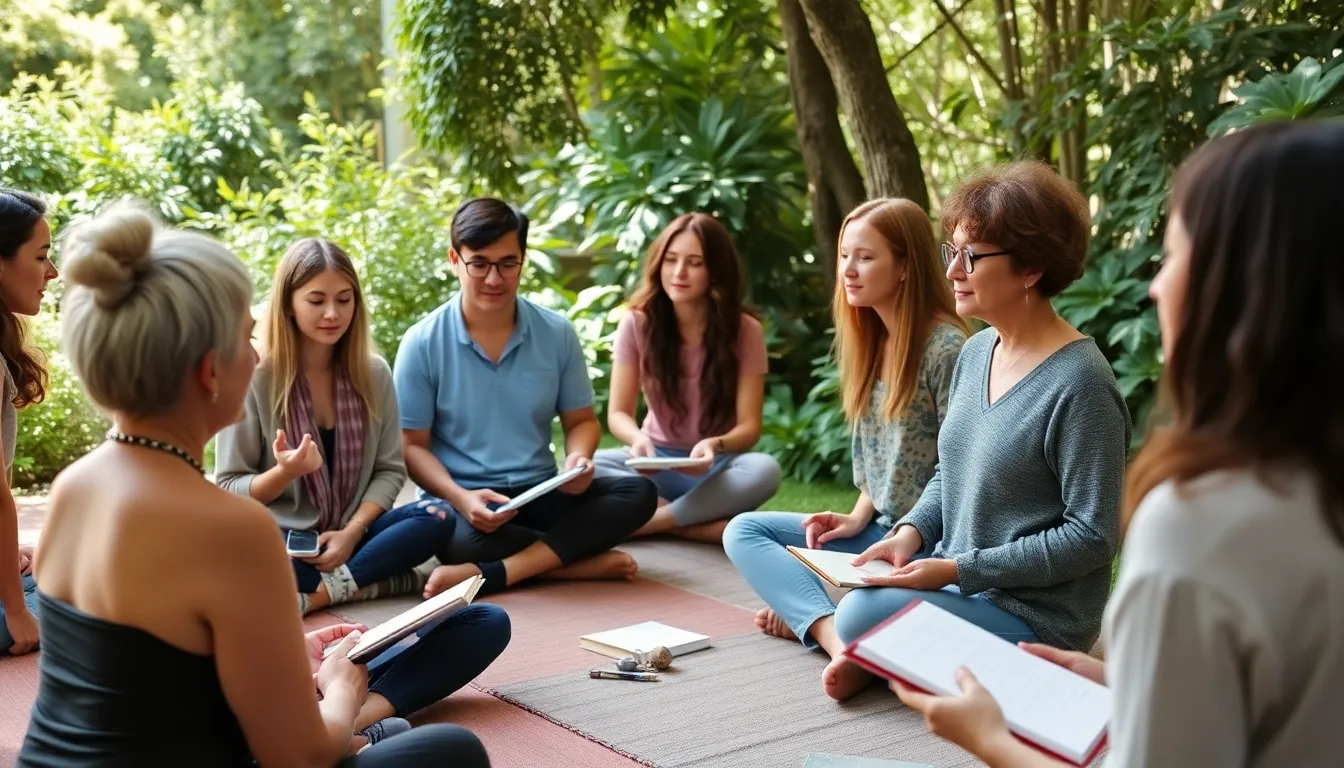
In recent years, there has been a notable cultural shift towards mindfulness and simplicity, as individuals increasingly seek to escape the fast-paced, consumer-driven lifestyle that has dominated modern society. This movement can be traced back to various historical and social developments, including the rise of industrialization in the 19th century, which prioritized efficiency and productivity over personal well-being. As a result, many people found themselves trapped in a cycle of work and consumption, leading to a growing sense of dissatisfaction and disconnection from their surroundings.
The economic pressures of the late 20th and early 21st centuries, particularly during periods of recession, further exacerbated this discontent. With rising living costs and an unstable job market, individuals began to reevaluate their priorities and consider alternative ways of living. This introspection has contributed to the popularity of slow living, a lifestyle choice that emphasizes quality over quantity, encouraging individuals to savor experiences rather than rush through them, much like those who navigate complex situations.
Key Milestones in the Slow Living Movement
The slow living movement gained significant traction in the early 2000s, with various authors and thought leaders advocating for a more mindful approach to life. Notable milestones include the publication of books such as “In Praise of Slowness” by Carl Honoré, which challenged the cultural obsession with speed and efficiency. Additionally, the rise of social media platforms has allowed for the sharing of ideas and practices related to slow living, creating a sense of community among those who embrace this lifestyle.
Moreover, the global pandemic of 2020 acted as a catalyst for many to adopt slow living principles. With lockdowns and social distancing measures in place, individuals were forced to slow down and reflect on their lives, often leading to a renewed appreciation for simplicity, nature, and personal connections. This period of introspection has not only influenced personal choices but has also sparked broader discussions about sustainability and the future of work.
As a result, figures like Vladimir, who embody the principles of slow living, have emerged as influential voices in this cultural shift. Their emphasis on embracing a slower pace of life resonates with a growing audience seeking fulfillment beyond material success. This transformation reflects a significant societal change, as more individuals prioritize mental health, well-being, and meaningful experiences over traditional markers of success.
Key Players and Their Perspectives on Slow Living
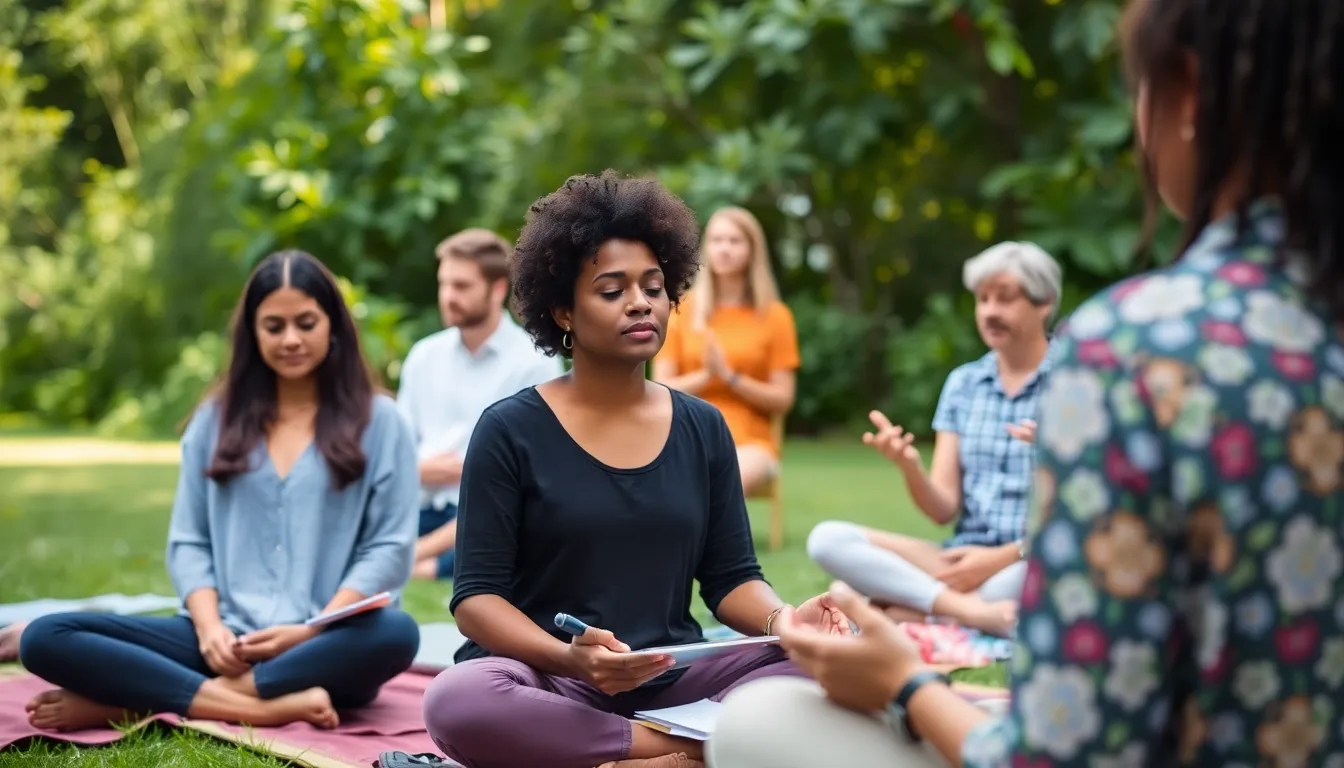
In the discourse surrounding slow living, several key stakeholders emerge, each with distinct interests and motivations. These include individuals advocating for sustainable lifestyles, organizations promoting wellness and mindfulness, local governments aiming to enhance community well-being, and businesses that align their products with the slow living ethos.
Individuals who embrace slow living often prioritize mental health, environmental sustainability, and a more meaningful engagement with daily life. Their interest lies in reducing the pace of modern existence, which they believe leads to greater happiness and fulfillment. This group often participates in community initiatives, workshops, and social media campaigns to spread awareness about the benefits of slow living.
Organizations such as non-profits and wellness companies play a crucial role in promoting slow living principles. They often focus on education and advocacy, providing resources that highlight the importance of mindfulness, sustainable practices, and community engagement. Their challenge lies in balancing the commercial aspects of their services while remaining true to the core values of slow living, in a world increasingly influenced by the latest technological advancements.
Local governments can also be seen as key players in this landscape. They have the potential to influence urban planning, green spaces, and community programs that support slower, more intentional lifestyles. However, their interests may conflict with economic development goals that prioritize rapid growth and consumerism, leading to tensions between community wellness and economic pressures.
- Individuals: Seek mental health benefits and sustainable lifestyles.
- Organizations: Advocate for slow living while balancing commercial interests.
- Local Governments: Aim to enhance community well-being but face economic growth pressures.
- Businesses: Adapt products to meet the demands of slow living consumers.
- Media: Plays a role in shaping public perception and awareness of slow living.
How Slow Living Affects Personal Finances and Wellbeing
The trend of slow living, as showcased by Vladimir Star, resonates deeply with various demographics, particularly millennials and Gen Z. These groups, often feeling the pressures of fast-paced lifestyles, are seeking alternatives that prioritize mental health, sustainability, and meaningful experiences over consumerism. As a result, industries such as travel, wellness, and local agriculture are experiencing a shift in demand.
In the short term, individuals embracing slow living may notice a reduction in expenses related to fast fashion and impulsive purchases. Instead, they may invest in quality products and services that promote well-being. This shift can lead to local businesses thriving, as consumers increasingly favor artisanal goods and experiences that reflect their values.
Mid-term impacts could include changes in workplace policies, as companies recognize the importance of employee well-being and work-life balance. Organizations might adopt flexible work hours or remote work options, fostering a culture that aligns with the principles of slow living. This could enhance productivity and job satisfaction, ultimately benefiting the bottom line.
- Risks: A potential downside is the economic impact on fast-paced industries, such as mass retail and tourism, which may struggle to adapt.
- Opportunities: Conversely, businesses that pivot towards sustainable practices and slow living principles could see significant growth.
- Community Impact: Local communities may strengthen as consumers prioritize supporting small businesses, leading to a more resilient local economy.
Overall, the slow living movement encourages a re-evaluation of priorities, promoting a lifestyle that values quality over quantity. This paradigm shift not only affects personal finances but also has far-reaching implications for businesses and communities alike, paving the way for a more sustainable future.
A: Slow living is a lifestyle choice that emphasizes mindfulness, simplicity, and a focus on quality over quantity. It encourages individuals to take their time and prioritize what truly matters in life. A: By adopting slow living principles, individuals often make more intentional spending choices, reduce unnecessary expenses, and focus on building sustainable income streams. This can ultimately lead to better financial health. A: Vladimir is a prominent figure who advocates for slow living, sharing his personal journey and insights on how this lifestyle has positively impacted his financial success and overall happiness. A: Yes, slow living is accessible to anyone willing to make small changes in their daily routine. It can be tailored to fit individual circumstances and preferences. A: Practical tips include prioritizing tasks, decluttering your environment, setting aside time for reflection, and focusing on quality relationships. Gradually incorporating these habits can lead to a more fulfilling life.
Frequently Asked Questions About Slow Living and Financial Success
Key Takeaways and Future Outlook on Slow Living
The embrace of slow living, as exemplified by the principles of ‘How To Make a Killing’ and the lifestyle of Vladimir, highlights a growing cultural shift towards mindfulness and intentionality. This movement encourages individuals to prioritize quality over quantity, fostering deeper connections with both themselves and their surroundings. As we navigate an increasingly fast-paced world, the insights gained from this approach can serve as a valuable guide for those seeking balance and fulfillment.
Looking ahead, the integration of slow living principles into daily routines offers promising avenues for personal and communal growth. By consciously choosing to slow down, individuals can enhance their well-being, improve productivity, and cultivate a more sustainable lifestyle.
- Prioritize Quality Experiences: Focus on meaningful interactions and activities that enrich your life rather than merely filling time.
- Embrace Mindfulness: Incorporate practices such as meditation or journaling to enhance self-awareness and reduce stress.
- Foster Community Connections: Engage with local communities to build relationships and support networks that align with slow living values.
- Advocate for Sustainable Choices: Make conscious decisions regarding consumption, supporting local businesses and environmentally friendly products.
- Reflect on Personal Values: Regularly assess what truly matters to you, allowing for adjustments in lifestyle that align with your core beliefs.