
This decline has raised concerns about the brand’s ability to attract a younger demographic that is increasingly drawn to sustainability and unique fashion statements.
Efforts to reinvigorate the brand include collaborations with contemporary designers and a renewed focus on digital marketing strategies. In September 2023, French Connection launched a limited-edition collection featuring bold graphics and sustainable materials, aiming to capture the attention of fashion-forward consumers. This move reflects a broader trend in the industry where brands are pivoting towards eco-friendly practices.
By tapping into this sentiment, French Connection hopes to reignite interest in its products and create a sense of community among its customers.
The history and evolution of the FCUK brand
French Connection, commonly known by its acronym FCUK, was established in 1972 in London by Stephen Marks. Initially, the brand focused on selling clothing imported from France, but it quickly grew to create its own unique identity in the fashion industry. The bold and provocative use of the acronym FCUK became a hallmark of the brand, capturing attention and sparking conversations about fashion and branding.
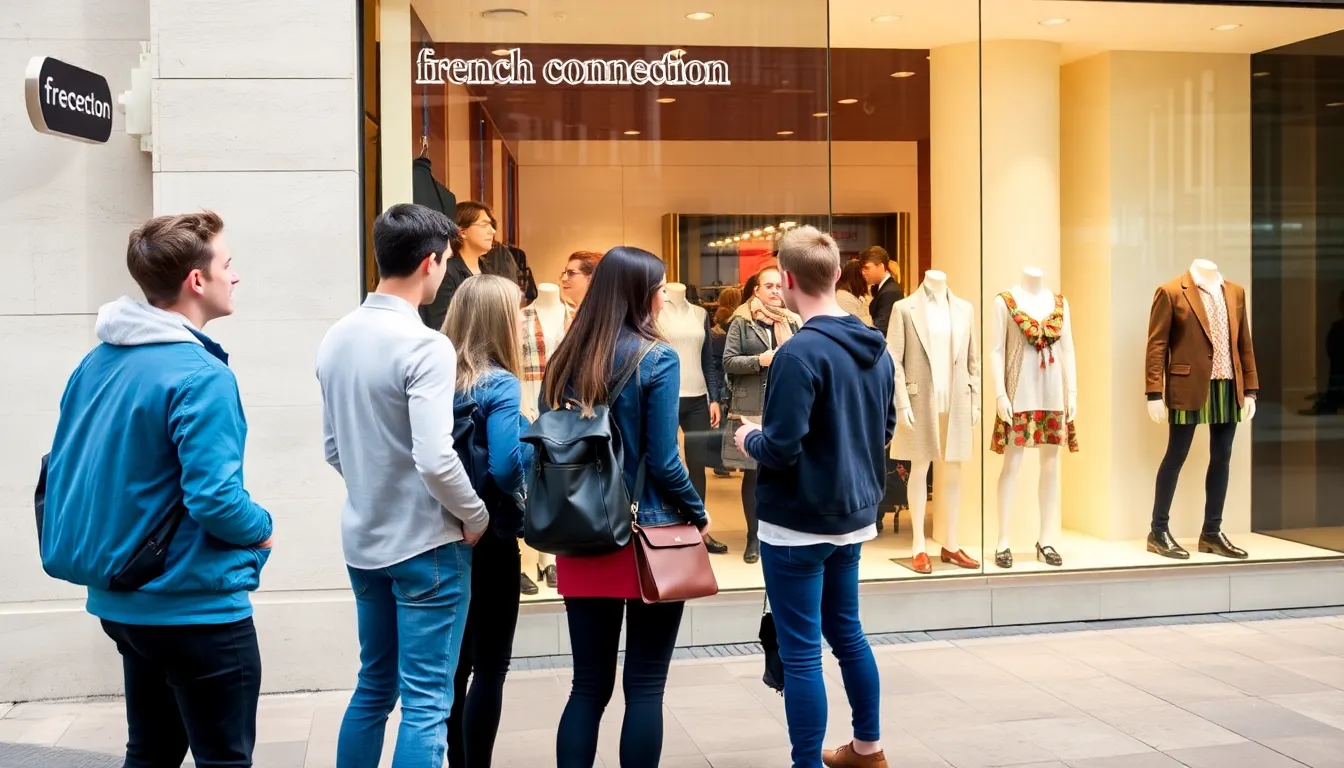
In the late 1990s and early 2000s, FCUK enjoyed a surge in popularity, largely due to its edgy marketing campaigns and the rise of casual fashion. The brand became synonymous with a youthful, irreverent attitude, appealing to a generation that embraced both fashion and social commentary. This period marked a significant milestone in the brand’s history, as it expanded its product range and opened numerous retail outlets across the UK and internationally.
Challenges and Decline
However, the brand’s fortunes began to wane in the late 2000s due to various factors, including increased competition, changing consumer preferences, and economic downturns. The retail landscape shifted dramatically with the rise of fast fashion giants, which offered similar styles at lower prices. As a result, FCUK struggled to maintain its relevance and market share, leading to a decline in sales and store closures.
This inquiry not only reflects the challenges faced by the brand but also highlights broader themes in the fashion industry regarding sustainability, consumer engagement, and brand loyalty.
Key stakeholders and their roles in the brand’s revival
In the quest to revive French Connection’s iconic FCUK brand, several key stakeholders play pivotal roles. These include the company’s management team, investors, fashion influencers, and consumers. Each of these actors has distinct interests that shape the brand’s direction and potential for resurgence.
The management team at French Connection is primarily focused on revitalizing the brand’s image and increasing profitability. They aim to innovate product lines while leveraging nostalgia to attract both old and new customers. Their strategies may involve collaborations with contemporary designers or influencers who resonate with younger demographics.

Investors also hold significant stakes in the brand’s future. They are interested in financial returns and may pressure the management to implement strategies that ensure quick profitability. This could lead to conflicts between long-term brand building and short-term financial objectives, creating a delicate balance that the company must navigate.
Fashion influencers and trendsetters are crucial in shaping public perception of the FCUK brand. Their endorsement or criticism can significantly impact consumer interest and sales. Engaging these individuals effectively could be a double-edged sword, as their tastes and trends can change rapidly, posing a risk to brand stability.
- Market Trends: The brand must adapt to current fashion trends while retaining its unique identity.
- Consumer Preferences: Understanding the evolving tastes of consumers is essential for product development.
- Legal Considerations: Navigating trademark and branding issues is critical to avoid legal disputes.
- Economic Factors: The brand’s revival may be influenced by broader economic conditions affecting consumer spending.
- Competitive Landscape: Analyzing competitors’ strategies and positioning will be vital for FCUK’s market re-entry.
How a revival could affect consumers and the fashion market
The potential resurgence of French Connection’s FCUK brand could have significant implications for various groups, including consumers, retailers, and the broader fashion industry. As the brand attempts to reclaim its place in the market, the impact may be felt across different demographics and sectors.
In the short term, consumers may experience a renewed interest in the brand, leading to increased foot traffic in stores and online platforms. This could benefit not only loyal customers but also attract a new, younger audience looking for trendy and affordable fashion options. Retailers may need to adapt their inventory and marketing strategies to accommodate the anticipated demand.
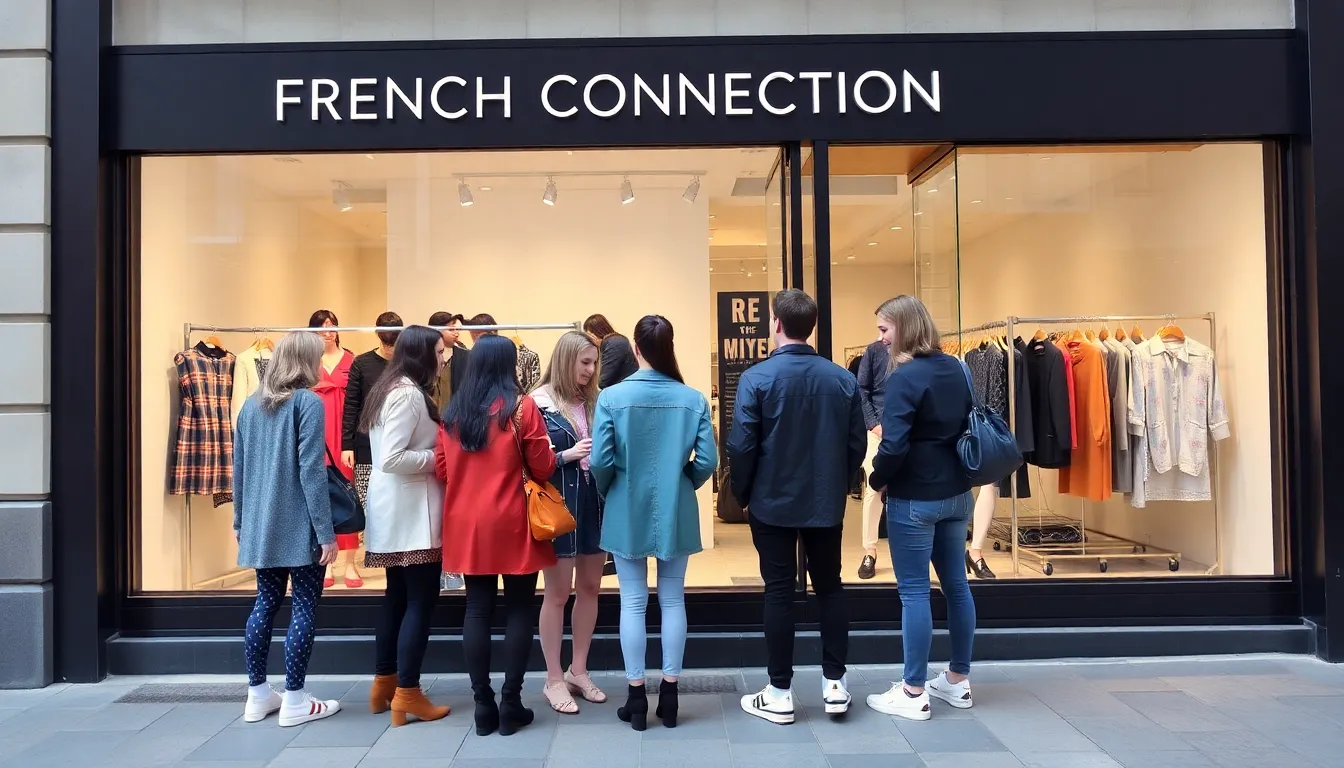
From a business perspective, the revival of FCUK could stimulate competition within the fashion industry. Brands may respond by innovating their product lines or enhancing their marketing efforts to capture market share. This could lead to a more dynamic and diverse fashion landscape, benefiting consumers with a wider array of choices.
- Risks: If the revival fails to resonate with consumers, it could lead to financial losses for the company and negatively impact its reputation.
- Opportunities: A successful rebranding could position FCUK as a leader in sustainable fashion, appealing to environmentally conscious consumers.
- Market Impact: Increased collaboration with influencers and social media campaigns could enhance brand visibility and relevance.
In the mid-term, if French Connection successfully reinvents FCUK, it could influence fashion trends and consumer behavior. The brand’s revival might encourage other companies to rethink their strategies and invest in similar branding efforts, potentially reshaping the fashion market landscape.
A: The decline of the FCUK brand can be attributed to changing consumer preferences and increased competition in the fashion industry. Additionally, the brand’s provocative marketing strategy became less appealing over time. A: French Connection may focus on modernizing the brand’s image through collaborations with influencers, sustainable fashion initiatives, and a refreshed marketing approach that resonates with younger audiences. A: Yes, current trends such as nostalgia for early 2000s fashion and a growing interest in unique, statement pieces could provide an opportunity for FCUK to attract attention and sales. A: Social media plays a crucial role in brand revival, as it allows for direct engagement with consumers and helps in building a community around the brand. Effective social media campaigns can significantly enhance visibility and appeal.
Frequently asked questions about FCUK’s future
Insights on the potential for FCUK’s resurgence
The revival of the FCUK brand hinges on its ability to resonate with a new generation of consumers while maintaining the edgy identity that once made it a household name. French Connection’s strategic focus on sustainability and contemporary fashion trends could play a significant role in reinvigorating interest in the brand. As the market evolves, so too must the brand’s approach, leveraging digital platforms and influencer partnerships to reach a wider audience.
Monitoring consumer sentiment and fashion trends will be crucial as French Connection navigates this potential comeback. The brand’s success will depend on its agility in adapting to the fast-paced fashion landscape, ensuring that FCUK can not only reclaim its place in the market but also redefine what it means to be fashionable in today’s context.
- Observe how French Connection integrates sustainability into its product lines, as eco-conscious consumers are increasingly influential.
- Watch for collaborations with influencers and fashion icons that could enhance the brand’s visibility and relevance.
- Track the effectiveness of digital marketing strategies in engaging younger demographics who may not be familiar with the brand’s history.
- Evaluate customer feedback on new collections to gauge the brand’s alignment with current fashion trends.
- Consider the impact of retail partnerships and online presence on the overall brand revival strategy.