
The lawsuit was initiated by a group of parents in 2021, who claimed that TikTok’s design and algorithms are deliberately addictive, leading to harmful effects on their children’s well-being. As part of the settlement, TikTok has agreed to implement new measures aimed at promoting healthier usage habits, although specific terms of the agreement have not been disclosed.
This settlement is particularly noteworthy as it marks one of the first major legal actions against a social media platform specifically addressing addiction. Experts believe that the outcome of this case could set important precedents for how social media companies are held accountable for their impact on users, especially minors.
As the digital landscape continues to evolve, the implications of this lawsuit extend beyond TikTok, potentially influencing regulatory discussions and future litigation against other platforms. The settlement reflects a growing recognition of the need to balance user engagement with the mental health of young users, a topic that is increasingly at the forefront of public discourse.
Understanding the background of the lawsuit against TikTok
The rise of TikTok as a dominant social media platform has been meteoric, capturing the attention of millions globally, particularly among younger audiences. Launched in 2016, TikTok quickly gained traction due to its engaging short-form video content and algorithm-driven user experience. However, alongside its popularity, concerns have emerged regarding its impact on mental health and the potential for addiction, prompting legal scrutiny.

In recent years, social media platforms have faced increasing criticism for their role in fostering addictive behaviors. The debate intensified as studies began to link excessive social media use with anxiety, depression, and other mental health issues. TikTok, with its endless scrolling feature and algorithm that promotes content based on user engagement, became a focal point for these concerns. This culminated in lawsuits alleging that the platform’s design intentionally encourages compulsive use.
Key Milestones in the Legal Landscape
In 2020, a significant lawsuit was filed against TikTok, claiming that the platform’s features were designed to exploit users’ psychological vulnerabilities, which is a concern also raised in other contexts such as the Japanese ex-soldier sex abuse settlement. This case set a precedent in the growing discourse on social media responsibility.
As the lawsuit progressed, TikTok faced mounting pressure not only from legal entities but also from advocacy groups pushing for greater accountability in the tech industry, similar to those involved in discussions about digital well-being and responsibility. The culmination of these efforts led to TikTok’s decision to settle the lawsuit ahead of a landmark trial.
Key stakeholders and issues surrounding the settlement
The recent settlement of the TikTok social media addiction lawsuit has brought several key stakeholders into focus. Primarily, these include TikTok, the plaintiffs representing users claiming addiction and mental health impacts, and various advocacy groups concerned with digital well-being. Each of these actors has distinct interests that shape the narrative surrounding this landmark case.
TikTok, as a major player in the social media landscape, aims to mitigate legal risks and protect its brand reputation. By settling the lawsuit, the company seeks to avoid the uncertainties and potential damages of a trial, which could set a precedent for future cases involving social media platforms. This move also allows TikTok to maintain its user base and continue its growth trajectory without the distraction of ongoing litigation.
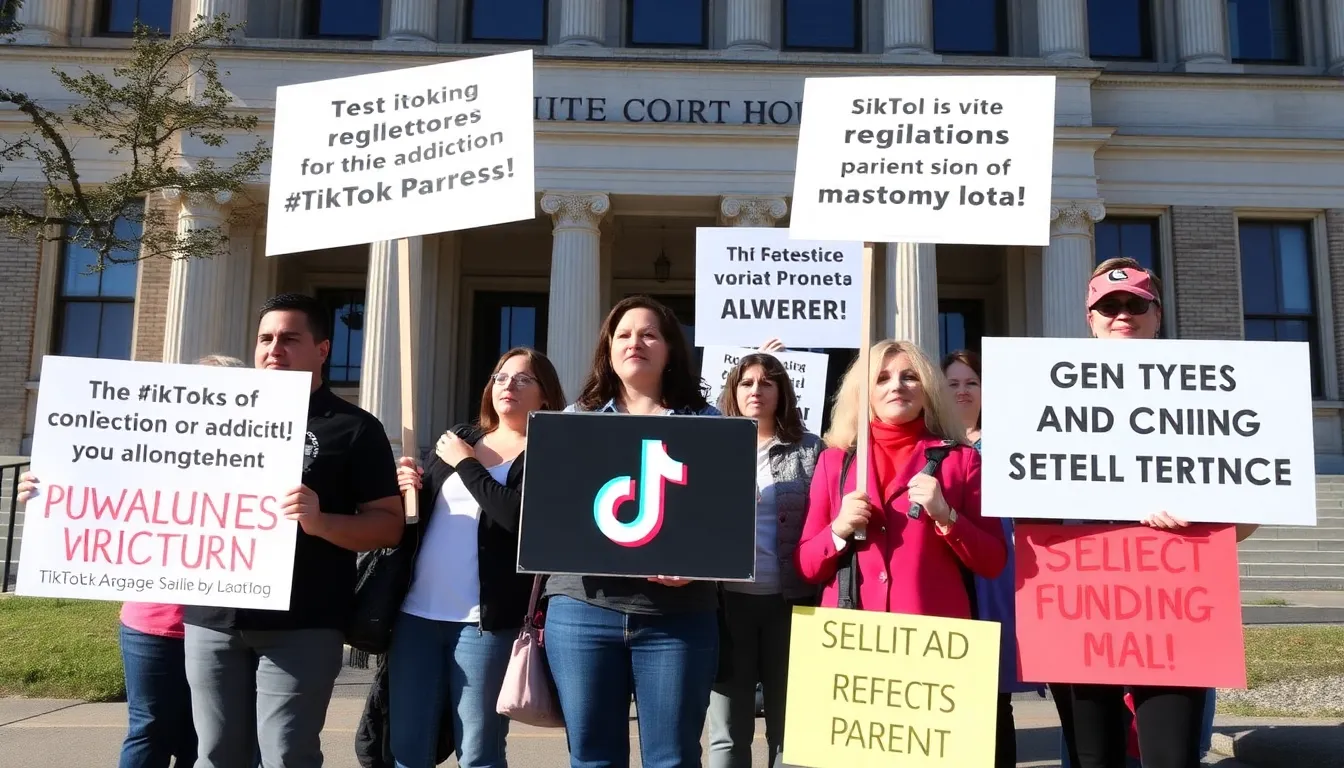
The plaintiffs, representing users who allege that TikTok’s addictive features have negatively impacted their mental health, are driven by the desire for accountability and change. They aim to highlight the responsibility of social media companies in ensuring the safety and well-being of their users. Their interests include not only compensation but also the implementation of more robust safeguards against addictive design practices.
In addition to these primary stakeholders, advocacy groups focused on mental health and digital well-being play a crucial role in this discussion, emphasizing the need for transparency regarding user data and addictive algorithms, much like groups advocating for transparency in other industries. Their involvement underscores the broader societal implications of social media addiction and the responsibility of tech companies to prioritize user welfare.
- Legal implications: The settlement may influence future litigation involving social media addiction claims.
- Economic considerations: TikTok’s financial interests are at stake, as ongoing lawsuits could affect investor confidence.
- User safety: The settlement raises questions about the measures social media platforms should implement to protect users.
- Regulatory landscape: This case may prompt lawmakers to consider new regulations regarding digital addiction and user protection.
Potential impacts on users and the social media landscape
The recent settlement of the TikTok social media addiction lawsuit has far-reaching implications for various stakeholders, including users, social media companies, and regulatory bodies. Primarily, younger users who are the main demographic of TikTok may feel a shift in how the platform engages them, potentially leading to changes in usage patterns and overall mental health. Additionally, parents and guardians may become more vigilant about their children’s social media consumption as awareness of addiction risks increases.
In the short term, users may experience a more curated and possibly less addictive experience on TikTok. The settlement could prompt TikTok to implement new features aimed at promoting healthier usage habits, such as time limits or reminders. This change could also influence user behavior on other platforms, as they may seek similar features across their social media interactions.

From a business perspective, companies in the tech and social media industries may need to reassess their engagement strategies. The lawsuit’s outcome could serve as a precedent, leading to increased scrutiny on how platforms engage with users, especially minors. This could spur a wave of innovation focused on user well-being, allowing companies to differentiate themselves in a competitive market.
- Users: Increased awareness of social media addiction may lead to more responsible usage and demand for healthier features.
- Social Media Companies: Potential for stricter regulations and the need for compliance could reshape business models.
- Regulatory Bodies: Increased pressure to establish guidelines and policies regarding social media usage and addiction.
In the mid-term, we may see a shift in public perception of social media platforms, with users becoming more critical of their engagement strategies. This could lead to a decline in user trust if companies fail to address addiction concerns adequately. Conversely, businesses that proactively adapt to these changes may find new opportunities to build loyalty and attract users seeking healthier online experiences.
A: The lawsuit claimed that TikTok contributed to social media addiction among its users, leading to negative mental health effects. A: The exact settlement amount has not been disclosed, but it is believed to be substantial. A: This settlement may set a precedent for how similar cases are handled, particularly regarding social media platforms. A: While specific changes have not been announced, TikTok may implement new measures to address concerns about user addiction. A: Users may benefit from improved platform practices aimed at reducing addictive behaviors and enhancing user well-being.
Frequently asked questions about the TikTok lawsuit
Future implications and key takeaways from the settlement
The settlement of the social media addiction lawsuit against TikTok marks a significant moment in the ongoing conversation about the responsibilities of social media platforms in managing user engagement and mental health. As platforms face increasing scrutiny, this case sets a precedent that could influence future litigation and regulatory efforts aimed at ensuring user safety and well-being.
As the landscape of social media continues to evolve, stakeholders, including users, parents, and policymakers, should remain vigilant about the implications of this settlement. It highlights the need for greater transparency and accountability from social media companies regarding their algorithms and user engagement strategies.
- The settlement may prompt other social media platforms to reassess their user engagement practices to avoid similar legal challenges.
- Increased demand for regulatory frameworks that prioritize user mental health and safety could emerge from this case.
- Users may become more aware of their social media habits, leading to a shift towards more mindful consumption of digital content.
- Parents and educators might seek more resources and tools to help young users navigate social media responsibly.
- This case could encourage further research into the long-term effects of social media use on mental health, driving innovation in user support features.