
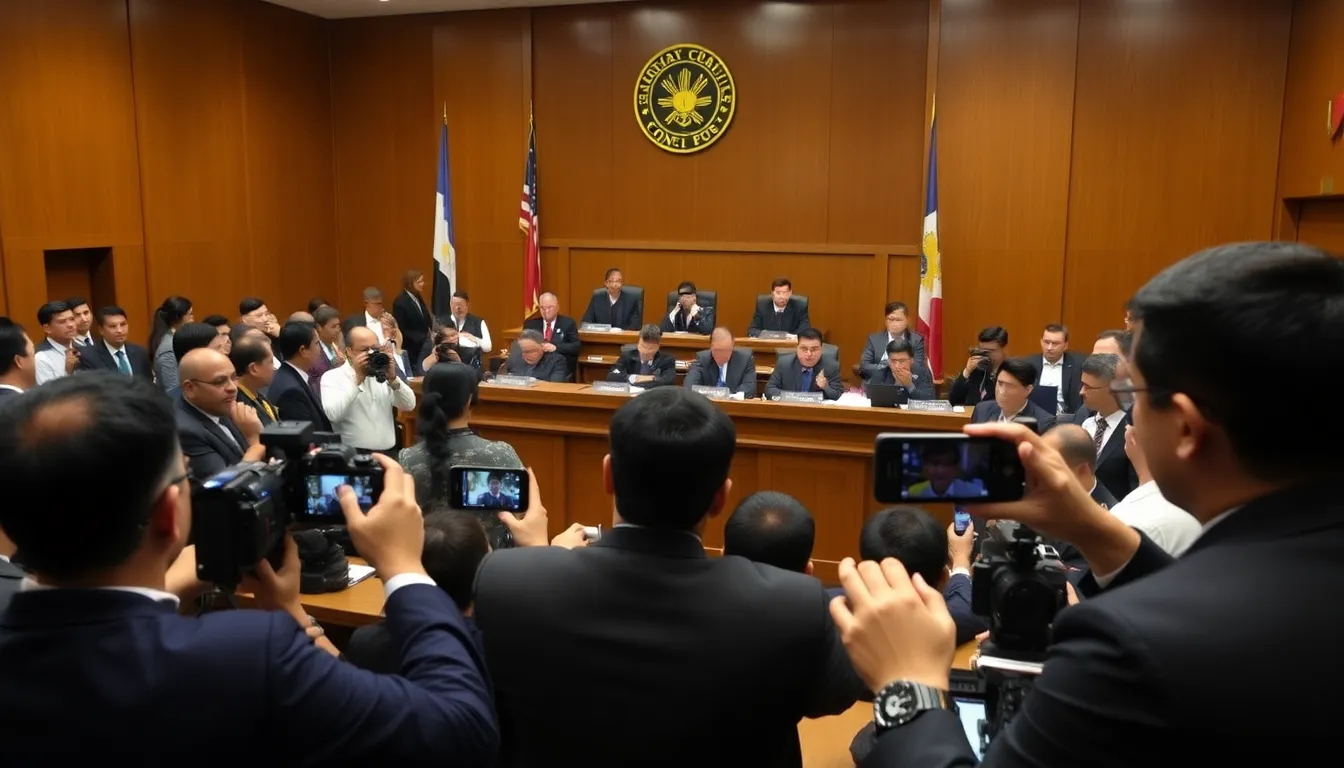
On October 5, 2023, the court’s judges assessed Duterte’s mental and physical health, concluding that he is capable of participating in the legal process. This ruling paves the way for the ICC to proceed with its investigation, which has been stalled due to Duterte’s previous refusal to cooperate and his withdrawal from the ICC in 2018.
The implications of this decision are profound, as it may lead to a renewed focus on the accountability of state officials for human rights abuses. Advocates for justice have long argued that Duterte’s actions during his presidency warrant international scrutiny, and the ICC’s involvement could signal a shift towards greater accountability in the Philippines.
As the situation unfolds, the Philippine government has expressed its intention to challenge the ICC’s jurisdiction, arguing that the country’s legal system is capable of handling such cases. However, the ICC maintains that it has a mandate to investigate crimes against humanity, regardless of domestic proceedings.
This ruling not only impacts Duterte’s legacy but also raises questions about the future of human rights in the Philippines, as the nation grapples with the consequences of his administration’s policies. The international community will be closely watching how this situation develops and what it means for justice and accountability in the region.
Recommended Articles
- NHS trust controversy over charity funds misuse
- Instagram denies breach after users receive password reset emails
- Japanese ex-soldier reaches settlements in landmark sex abuse case
- Ex-gambling bosses face legal challenges in the UK
- Japan restarts world's largest nuclear plant amid Fukushima concerns
- NHS trust controversy over charity funds misuse
- Instagram denies breach after users receive password reset emails
- Japanese ex-soldier reaches settlements in landmark sex abuse case
- Ex-gambling bosses face legal challenges in the UK
- Japan restarts world's largest nuclear plant amid Fukushima concerns
Background on Duterte’s drug war and ICC involvement
Since taking office in June 2016, former Philippine President Rodrigo Duterte launched a controversial anti-drug campaign that has drawn widespread condemnation both domestically and internationally. The campaign, characterized by aggressive police operations, has resulted in thousands of deaths, with human rights organizations alleging that many of these killings were extrajudicial. Duterte’s administration defended the campaign as a necessary measure to combat the rampant drug problem in the Philippines, claiming that it has saved lives and improved public safety.
The International Criminal Court (ICC) became involved in this issue when it announced in February 2018 that it would open a preliminary examination into the alleged crimes committed during Duterte’s drug war. This examination was based on reports of widespread human rights violations, including murder, torture, and other forms of violence against suspected drug offenders. The ICC’s involvement marked a significant moment in the Philippines’ relationship with international law, as it was the first time a sitting president faced scrutiny from an international tribunal for actions taken during their term.
Key Milestones in the ICC Proceedings
In March 2019, Duterte announced the Philippines’ withdrawal from the ICC, a move that was seen as an attempt to evade accountability. However, the ICC maintained its jurisdiction over events that occurred while the Philippines was still a member. The court’s investigation continued, leading to a series of legal battles over the admissibility of evidence and the cooperation of the Philippine government. As the situation evolved, various human rights groups and activists continued to push for accountability, highlighting the ongoing human rights crisis in the country.
In recent developments, judges at the ICC have ruled that Duterte is fit to face proceedings related to the alleged crimes committed during his administration. This ruling has reignited discussions about the implications of the drug war on Philippine society and the potential for international legal repercussions. The situation remains fluid, with the potential for further legal challenges as the ICC seeks to hold those responsible for human rights violations accountable.
Key stakeholders and issues surrounding the ICC case
The International Criminal Court (ICC) proceedings against former Philippine President Rodrigo Duterte have drawn significant attention from various stakeholders, each with distinct interests and concerns. The primary actors include the ICC itself, the Philippine government, human rights organizations, and the general public in the Philippines and abroad.
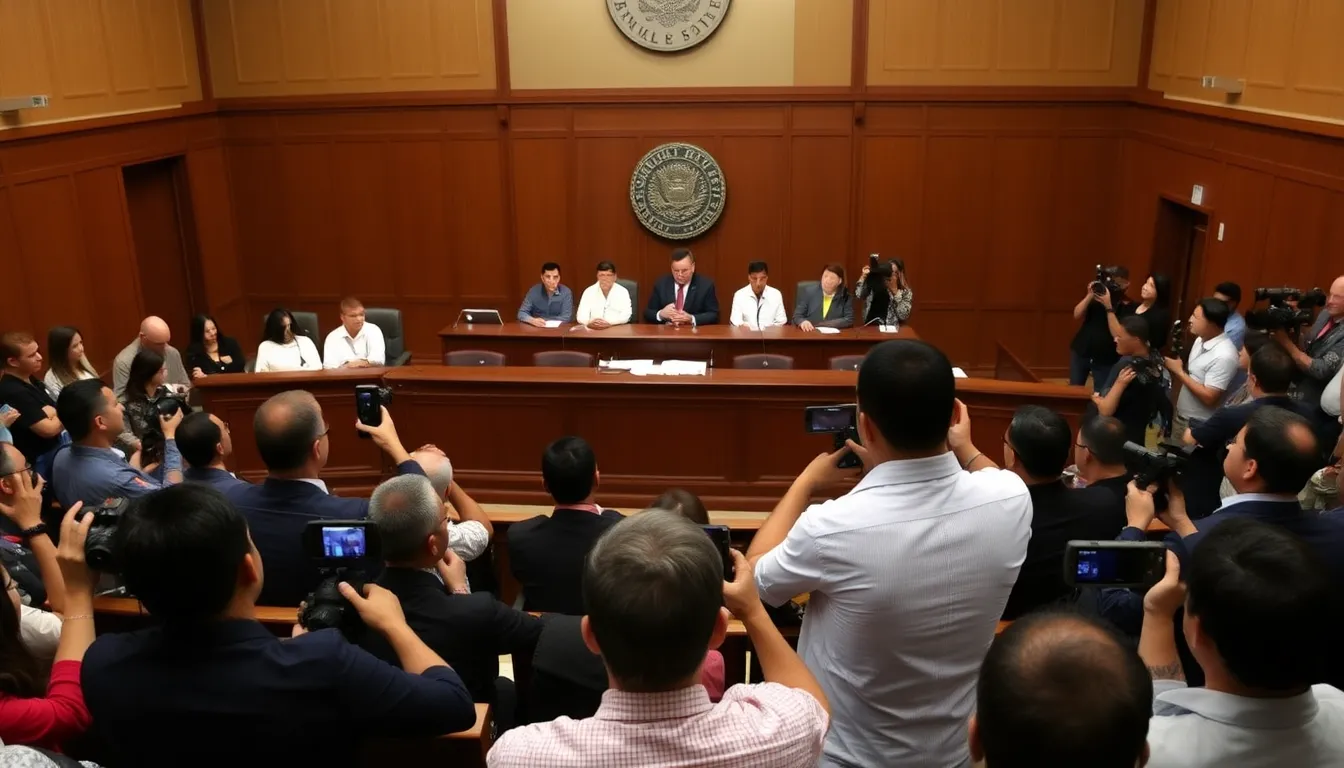
The ICC’s role is to investigate and prosecute individuals for serious crimes, including those related to human rights violations. Their interest lies in ensuring accountability and justice for alleged extrajudicial killings that occurred during Duterte’s controversial war on drugs. The ICC seeks to uphold international law and reinforce its authority in global governance.
On the other hand, the Philippine government, particularly under President Ferdinand Marcos Jr., has shown resistance to the ICC’s involvement. The government argues that the case undermines its sovereignty and that local judicial mechanisms are capable of addressing any alleged crimes. This stance reflects a broader conflict between national sovereignty and international legal obligations.
- Human Rights Organizations: Groups like Amnesty International and Human Rights Watch advocate for victims of Duterte’s policies, emphasizing the need for international intervention to prevent impunity.
- Public Sentiment: The Filipino public is divided, with some supporting Duterte’s hardline approach to crime, while others demand accountability for human rights violations.
- Legal Implications: The proceedings raise questions about the limits of international jurisdiction and the effectiveness of the ICC in enforcing its mandates.
- Economic Considerations: The ongoing legal battle may impact foreign investment and international relations, as countries assess their ties with the Philippines amid concerns over human rights.
Overall, the interplay between these stakeholders highlights the complexities of the ICC case, revealing the multifaceted nature of justice, governance, and international relations in the context of the Philippines. The outcomes could set significant precedents for how similar cases are handled globally.
Potential impacts on Duterte and the Philippines
The decision by judges regarding former President Rodrigo Duterte’s fitness to face International Criminal Court (ICC) proceedings has significant implications for various groups and sectors within the Philippines. The most affected include government officials, law enforcement agencies, human rights organizations, and the general public. Each of these groups may experience changes in their roles, responsibilities, and perceptions in both local and international contexts.
In the short term, the ongoing ICC proceedings may lead to heightened tensions among law enforcement agencies, as they navigate the legal and political ramifications of Duterte’s controversial anti-drug campaign. This could result in increased scrutiny of police actions and policies, potentially leading to a temporary slowdown in law enforcement activities. Additionally, human rights organizations may see a surge in support and engagement from the public, as citizens rally for accountability and justice.
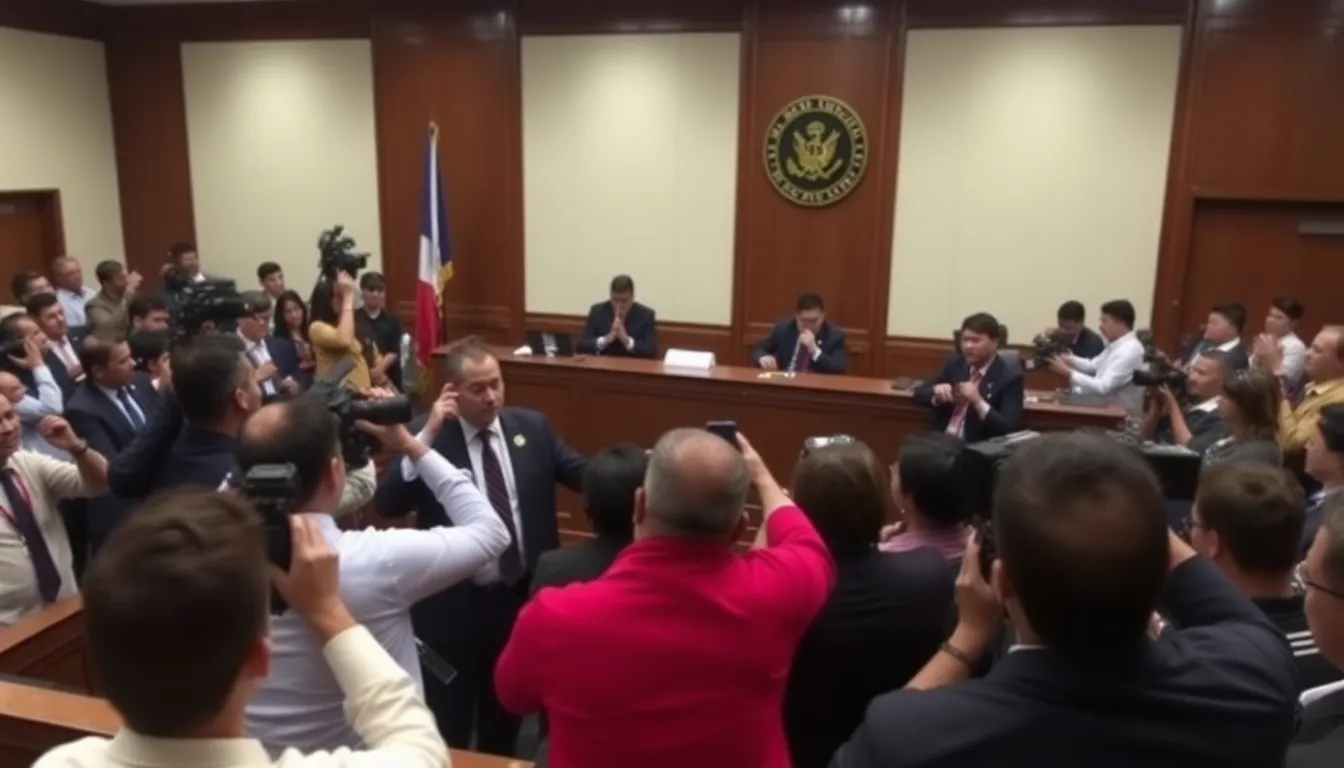
Mid-term impacts could include shifts in government policy and public sentiment towards human rights and governance. The ongoing proceedings may compel the current administration to adopt more transparent and accountable practices to mitigate international criticism. This could foster a more robust civil society movement, encouraging citizens to advocate for their rights and engage more actively in political discourse.
- Increased scrutiny of law enforcement practices
- Potential for policy reform regarding human rights
- Opportunities for civil society engagement
- Risks of political instability
- Impact on foreign relations and investment
While the situation poses risks, such as potential political instability and backlash against human rights advocates, it also presents opportunities for reform and improved governance. Businesses may need to adapt to changing regulations and public expectations, while foreign investors could reconsider their positions based on the evolving political landscape. As the ICC proceedings unfold, the Philippines may find itself at a crossroads, balancing the need for accountability with the desire for stability and growth.
A: The ICC is investigating allegations of crimes against humanity related to Duterte’s anti-drug campaign, which reportedly led to thousands of extrajudicial killings. A: The judiciary conducted assessments and hearings to evaluate Duterte’s mental and physical health, concluding that he is capable of participating in legal proceedings. A: If convicted, Duterte could face significant penalties, including imprisonment, and this could also impact his political legacy and future in Philippine politics. A: The ICC is currently gathering evidence and testimonies as part of its investigation, and it will proceed based on the findings of this evidence. A: Public opinion is divided, with some supporting the ICC’s actions as a means of accountability, while others view it as an infringement on Philippine sovereignty.
Frequently asked questions about the ICC proceedings
Outlook on the ICC proceedings and Duterte’s future
The recent ruling by judges affirming that former President Rodrigo Duterte is fit to face International Criminal Court (ICC) proceedings marks a significant development in the ongoing scrutiny of his administration’s controversial policies, particularly the war on drugs. This decision not only sets the stage for potential legal challenges but also raises questions about accountability and the rule of law in the Philippines. As the situation unfolds, various stakeholders, including the Philippine government, human rights advocates, and the international community, will be closely monitoring the implications of these proceedings.
Looking ahead, the ICC’s actions could influence political dynamics in the Philippines, potentially impacting Duterte’s legacy and the future of governance in the country. The proceedings may also encourage a broader dialogue on human rights and justice, prompting both domestic and international responses to the issues raised during his presidency.
- The ICC proceedings could lead to increased pressure on the Philippine government to address human rights violations.
- Public sentiment may shift as the legal process unfolds, influencing future elections and political alliances.
- International relations may be affected, particularly with countries advocating for human rights and accountability.
- The outcome of the proceedings could set a precedent for similar cases in other countries facing allegations of human rights abuses.
- Vigilance from civil society organizations will be crucial in ensuring transparency and accountability throughout the judicial process.