
This inflationary pressure is largely driven by soaring food and energy prices, which disproportionately affect lower-income households, as highlighted in our article on energy bill discounts.
Additionally, India grapples with high unemployment rates, especially among youth. According to the Center for Monitoring Indian Economy, the unemployment rate stood at 7.8% in September 2023. With a large and growing population, creating sufficient job opportunities remains a pressing concern for policymakers, as failure to do so could lead to social unrest and hinder economic progress.
The government has announced ambitious plans to invest $1.4 trillion in infrastructure development by 2025, which echoes the importance of our earlier discussions about economic stability.
Addressing these challenges will be crucial for maintaining stability and ensuring that growth translates into widespread prosperity for the nation; this is a theme we see frequently in discussions about market dynamics.
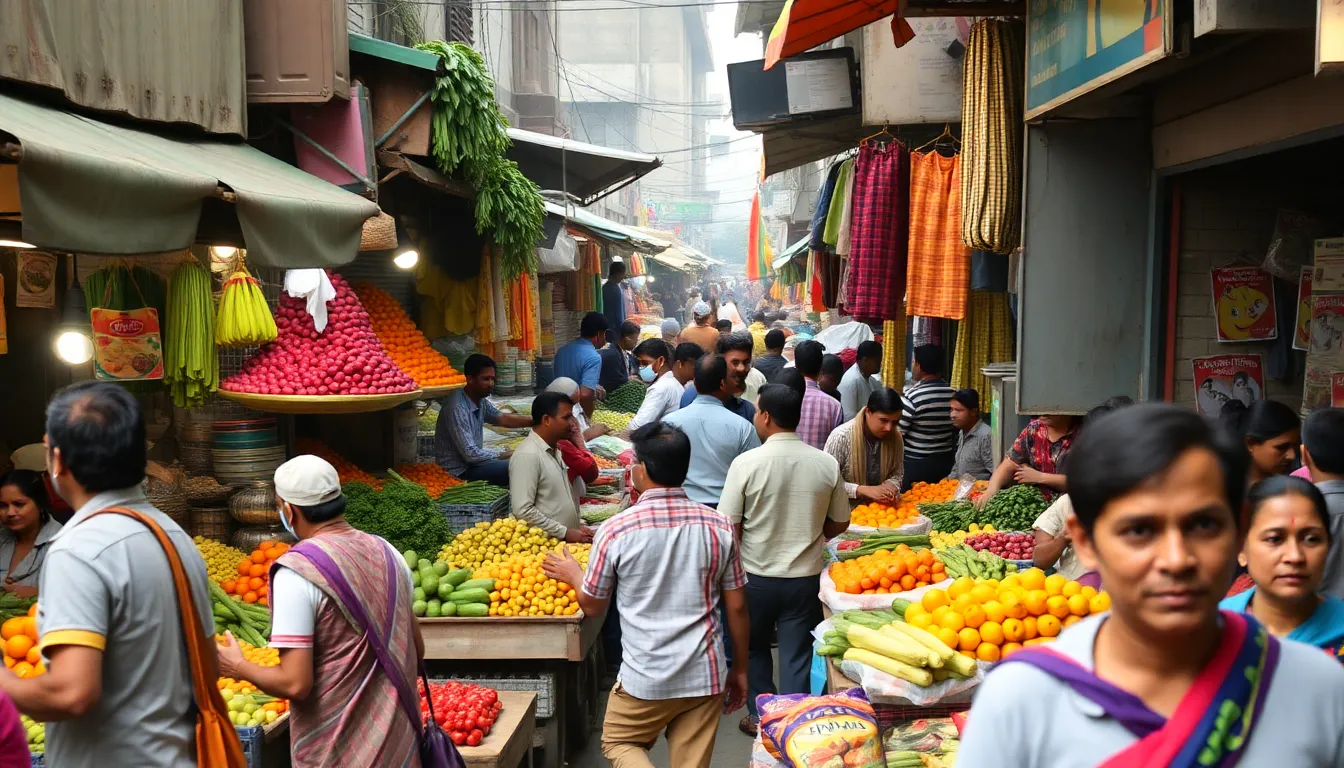
The Historical Context of India’s Economic Growth
India’s journey towards becoming one of the world’s fastest-growing economies is rooted in a complex interplay of historical, political, and social factors. Following its independence in 1947, India adopted a mixed economy model, combining elements of socialism with capitalism. This approach aimed to address the vast inequalities inherited from colonial rule, but it also led to a heavily regulated economy that stifled private enterprise for decades.
The liberalization of the Indian economy in 1991 marked a significant turning point. Faced with a balance of payments crisis, the government, led by then-Finance Minister Manmohan Singh, implemented sweeping reforms that dismantled many of the protective barriers that had been in place. This shift opened the doors for foreign investment, encouraged entrepreneurship, and laid the groundwork for rapid economic growth.
Key Milestones in Economic Development
Several key milestones have shaped India’s economic landscape since the 1990s. The introduction of the Goods and Services Tax (GST) in 2017 streamlined the tax structure, enhancing ease of doing business. Additionally, initiatives like “Make in India” and “Digital India” have further propelled growth by promoting manufacturing and technology-driven sectors. However, these advancements have not been without challenges, including rising income inequality and regional disparities that threaten to undermine the inclusive nature of growth.
Moreover, India’s demographic dividendboasting one of the youngest populations in the worldhas been a double-edged sword. While it offers immense potential for a vibrant workforce, it also poses significant challenges in terms of job creation and skill development. As India continues to navigate its growth trajectory, understanding these historical and contextual factors is crucial to grasping the complexities of its economic landscape.
Key Stakeholders and Issues Impacting Growth
India’s remarkable economic growth has attracted attention from various stakeholders, each with distinct interests and concerns. The primary actors include the Indian government, multinational corporations, local businesses, foreign investors, and civil society organizations. Understanding their perspectives is crucial to grasping the challenges that accompany this rapid growth.
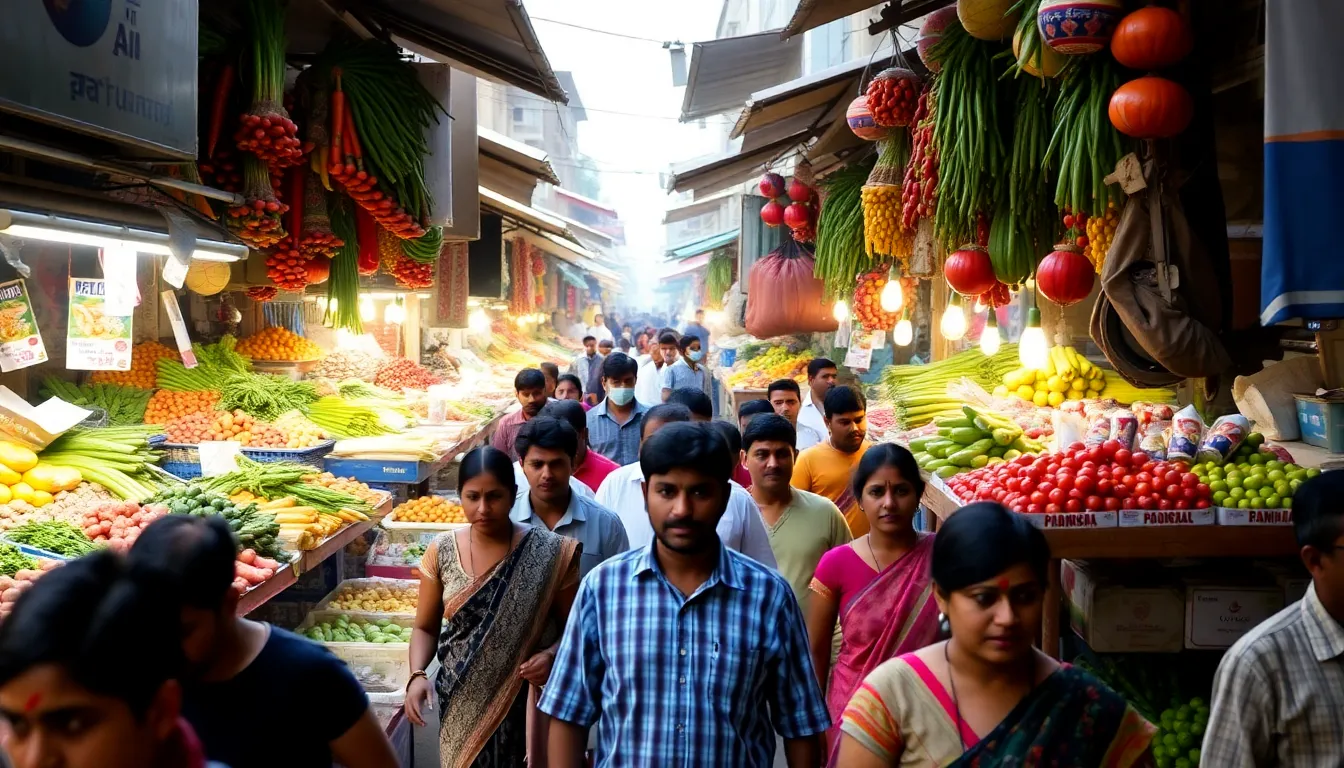
The Indian government aims to sustain economic momentum while addressing social inequalities and environmental sustainability. This dual focus presents a challenge, as policies promoting growth can sometimes exacerbate disparities. For instance, urbanization and industrialization may benefit large corporations but can lead to the displacement of local communities.
Multinational corporations are keen on capitalizing on India’s vast market and labor force. However, their interests often conflict with local businesses that may struggle to compete. Additionally, foreign investors are concerned about regulatory stability and transparency, which can impact their willingness to invest in the long term.
Key issues that arise from these dynamics include:
- Regulatory Challenges: Navigating complex regulations can hinder business operations and deter foreign investments.
- Social Disparities: Economic growth has not been evenly distributed, leading to increased wealth gaps and social unrest.
- Environmental Concerns: Rapid industrialization raises questions about sustainability and the ecological impact of development.
- Labor Rights: The push for growth may lead to the exploitation of workers, raising ethical concerns about labor practices.
- Infrastructure Development: Inadequate infrastructure can limit growth potential and affect quality of life for citizens.
As these stakeholders navigate their interests, the interplay of economic, legal, and social factors will shape the future of India’s growth trajectory. Balancing these competing priorities is essential for sustainable development and long-term prosperity.
Who is Affected by India’s Economic Challenges?
India’s rapid economic growth, while impressive, brings with it a set of challenges that affect various groups and sectors across the country. The repercussions of these challenges are felt differently depending on the region, industry, and socio-economic status of the population. Key stakeholders include low-income households, small and medium enterprises (SMEs), and the agricultural sector, all of which face significant pressures in the current economic landscape.
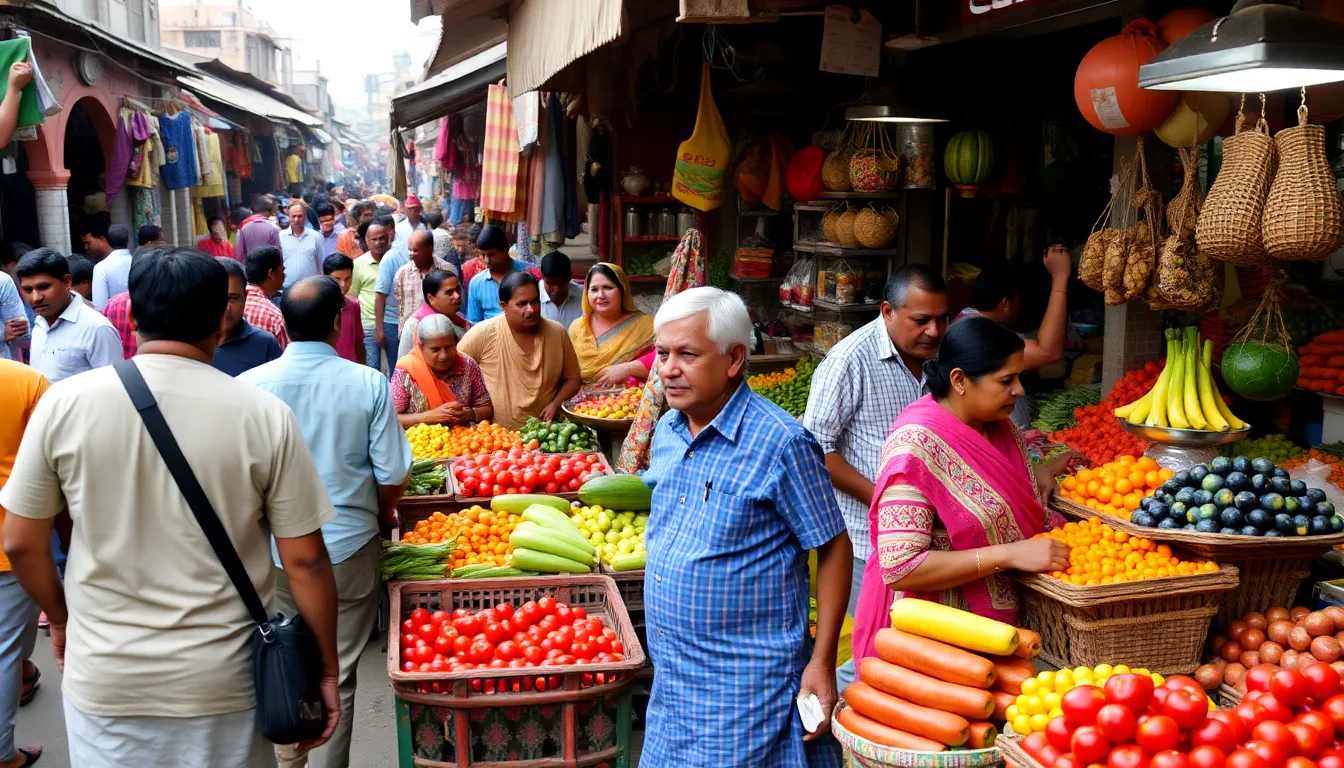
In the short term, rising inflation and fluctuating commodity prices can drastically affect daily life for ordinary citizens. Households, particularly those with limited financial resources, may struggle to afford basic necessities such as food and fuel. This economic strain could lead to increased dissatisfaction with government policies, prompting calls for more immediate relief measures from policymakers.
Industries such as manufacturing and technology may experience a mixed impact. While growth in these sectors can lead to job creation, challenges such as supply chain disruptions and labor shortages may hinder progress. In the mid-term, businesses that adapt to these challenges by innovating and investing in technology may find new opportunities for growth, while those that do not may face stagnation or decline.
- Low-income households: Increased cost of living and reduced purchasing power.
- Small and medium enterprises: Potential for growth but facing competition and operational challenges.
- Agricultural sector: Vulnerability to climate change and market fluctuations.
Regions that rely heavily on agriculture or traditional industries may find themselves at a disadvantage as urban areas continue to attract investment and talent. This urban-rural divide could exacerbate existing inequalities, leading to social unrest and calls for policy reforms aimed at equitable growth. However, there are opportunities for rural development through investments in infrastructure and education, which could help bridge this gap in the long run.
A: India’s economy faces several challenges including income inequality, infrastructure deficits, and regulatory hurdles that can hinder sustainable growth. A: While India has one of the fastest-growing economies, it still lags behind some countries in terms of per capita income and overall development indicators. A: Government policies are crucial as they can either facilitate or obstruct growth through regulations, taxation, and investment in infrastructure. A: External factors such as global economic conditions, trade relations, and foreign investment significantly impact India’s growth trajectory. A: The outlook remains cautiously optimistic, with potential for growth if challenges are addressed effectively through reforms and investments.
Frequently Asked Questions About India’s Growth
Key Takeaways and Future Outlook for India’s Economy
India’s remarkable economic growth presents both opportunities and challenges that will shape its future trajectory. As the country navigates the complexities of a rapidly changing global landscape, understanding the underlying issues is crucial for stakeholders. The interplay between sustainable development, infrastructure needs, and social equity will define the resilience of India’s growth model.
Monitoring these dynamics will be essential for policymakers, businesses, and investors alike. The path forward requires a balanced approach that fosters innovation while addressing potential vulnerabilities that could hinder progress.
- Infrastructure Development: Continued investment in infrastructure is vital to support urbanization and industrial growth, ensuring that the benefits of economic expansion reach all regions.
- Sustainable Practices: Emphasizing sustainable development will be key to mitigating environmental impacts and fostering long-term economic stability.
- Human Capital Investment: Prioritizing education and skill development will empower the workforce, enhancing productivity and innovation across sectors.
- Social Equity: Addressing income inequality and ensuring access to opportunities will be critical for maintaining social cohesion and political stability.
- Global Market Integration: Strengthening trade relationships and adapting to global economic shifts will be essential for sustaining growth in an interconnected world.