
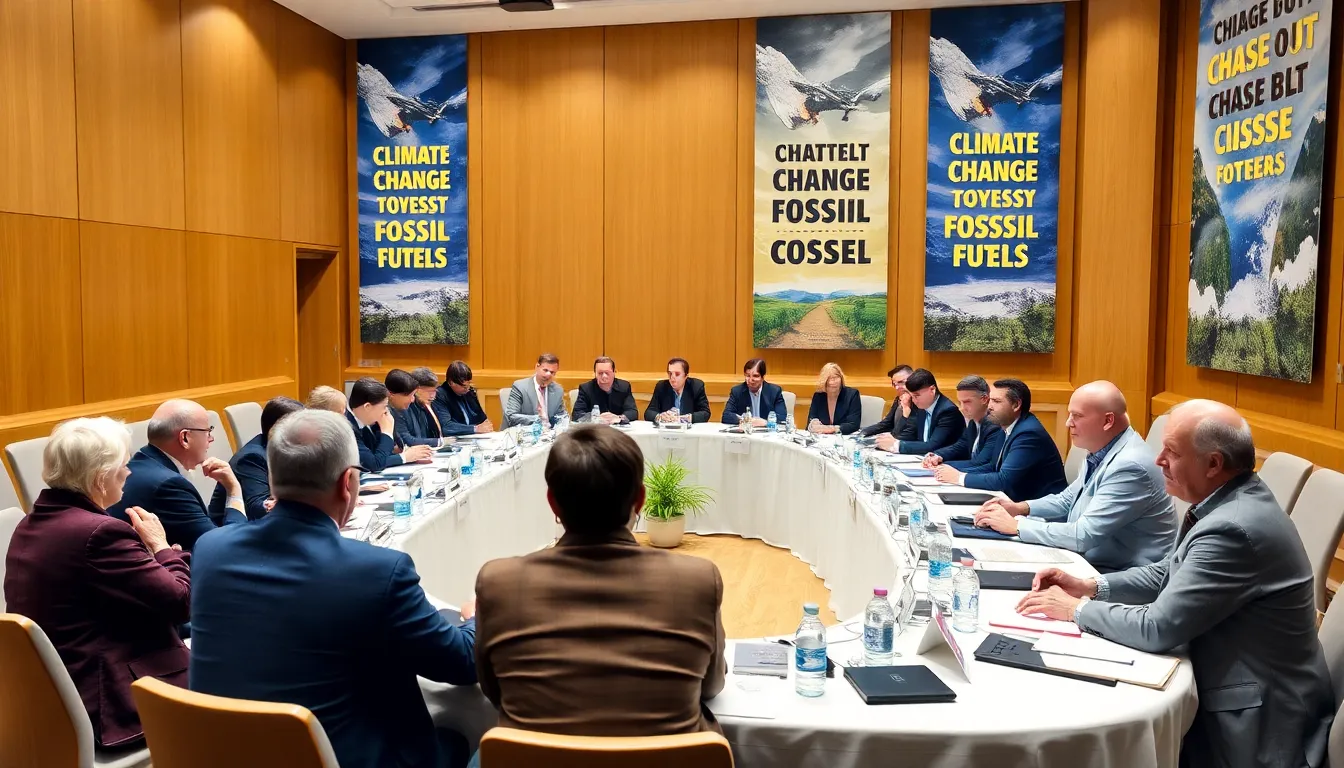
The talks, which began on October 23, 2023, involve representatives from over 100 nations, including major oil-producing countries and climate-vulnerable states. The discussions aim to explore pathways for reducing fossil fuel production and consumption, a move that could reshape energy policies worldwide. This initiative highlights the increasing pressure on governments to transition towards renewable energy sources.
As the world grapples with extreme weather events and rising sea levels, the stakes have never been higher. Recent reports from the Intergovernmental Panel on Climate Change (IPCC) indicate that limiting global warming to 1.5 degrees Celsius is becoming increasingly difficult without significant reductions in fossil fuel use. These findings underscore the critical nature of the ongoing negotiations and the potential consequences of inaction.
Moreover, the economic implications of transitioning away from fossil fuels are significant. Many countries are exploring how to balance energy needs with climate commitments, as the shift could impact jobs and industries heavily reliant on fossil fuel production. The outcome of these talks could set a precedent for future climate action and influence energy policies for years to come.
Understanding the backdrop of the UN climate negotiations
The issue of fossil fuel dependency has been at the forefront of global climate discussions for decades. Since the first United Nations Conference on the Human Environment in Stockholm in 1972, the international community has recognized the need for collective action to address environmental degradation. However, the reliance on fossil fuels has continued to grow, driven by economic interests and the political power of fossil fuel industries, leading to concerns similar to those raised about economic disparities.

In 1992, the Earth Summit in Rio de Janeiro marked a significant milestone, resulting in the United Nations Framework Convention on Climate Change (UNFCCC). This pivotal agreement laid the groundwork for future negotiations, but progress has often been stymied by disagreements between developed and developing nations over responsibilities and financial support. The Kyoto Protocol in 1997 established binding commitments for developed countries but failed to include major developing economies, leading to criticisms and a lack of comprehensive action.
As climate impacts became increasingly evident, the Paris Agreement in 2015 aimed to unite countries in limiting global warming to well below 2 degrees Celsius. This landmark accord encouraged nations to set their own emissions reduction targets, yet it did not explicitly address the need to phase out fossil fuels. Consequently, despite the agreement’s ambitious goals, global greenhouse gas emissions have continued to rise, highlighting the gap between commitments and actual implementation.
The push for fossil fuel phase-out
In recent years, the urgency to address fossil fuel use has intensified, spurred by scientific reports and grassroots movements. The Intergovernmental Panel on Climate Change (IPCC) has repeatedly warned that limiting warming to 1.5 degrees Celsius requires a rapid and unprecedented transformation of energy systems, including a significant reduction in fossil fuel consumption. As public awareness grows and calls for climate justice amplify, the first-ever talks to phase out fossil fuels represent a critical turning point in the ongoing struggle for climate action.
Key stakeholders and their positions on fossil fuel phase-out
The ongoing discussions surrounding the phase-out of fossil fuels have brought various stakeholders to the forefront, each with distinct interests and concerns. Governments, environmental organizations, fossil fuel companies, and international bodies are all playing crucial roles in shaping the future of energy policy.
At the governmental level, countries are divided in their approaches to fossil fuel dependency. While some nations advocate for a swift transition to renewable energy sources, often driven by climate commitments, others, particularly those with economies heavily reliant on fossil fuel exports, express resistance. This dichotomy creates a significant conflict in negotiations, as countries like Saudi Arabia and Russia prioritize economic stability over environmental concerns.

Environmental organizations, such as Greenpeace and the World Wildlife Fund, are pushing for immediate action to reduce fossil fuel consumption, citing the urgent need to combat climate change. Their advocacy emphasizes the long-term benefits of transitioning to sustainable energy sources, but they face opposition from industries that fear job losses and economic downturns tied to a rapid phase-out of fossil fuels.
Fossil fuel companies, including major oil and gas corporations, find themselves in a precarious position. They are increasingly pressured to adapt to changing regulations and societal expectations regarding climate action. Some companies are investing in cleaner technologies and diversifying their energy portfolios, while others remain entrenched in traditional fossil fuel extraction methods, leading to tensions within the industry regarding future viability.
- Governments are balancing economic interests with climate commitments, creating a complex negotiation landscape.
- Environmental groups advocate for urgent action, highlighting the risks of climate change and the need for sustainable energy.
- Fossil fuel companies face pressure to innovate and adapt, leading to potential conflicts within the industry.
- International bodies like the UN play a mediating role, attempting to bridge the gap between differing national interests.
- Legal frameworks surrounding environmental protection and energy regulation are evolving, influencing stakeholder strategies.
Who will be affected by the shift away from fossil fuels?
The transition away from fossil fuels will have far-reaching implications for various groups, industries, and regions worldwide. Key stakeholders include energy companies, governments, and communities dependent on fossil fuel production. Each of these groups faces unique challenges and opportunities as the global economy pivots toward more sustainable energy sources.
In the short term, industries such as oil and gas may experience significant disruptions. Job losses are likely in regions heavily reliant on fossil fuel extraction, particularly in areas like the Middle East, North America, and parts of Africa. Conversely, the renewable energy sector, including solar and wind, could see a surge in job creation and investment, offering new employment opportunities.
- Potential job losses in fossil fuel industries.
- Increased investment in renewable energy sectors.
- Policy shifts impacting energy regulations and subsidies.
In the mid-term, businesses may need to adapt their operations to comply with evolving regulations aimed at reducing carbon emissions. This could lead to increased operational costs for some companies while providing a competitive edge to those that innovate and invest in green technologies. Additionally, consumers may notice changes in energy prices and availability as the market adjusts to the new landscape.
Regions that proactively embrace the transition to renewable energy may find themselves at an economic advantage, attracting investments and fostering innovation. However, those that resist change may face economic decline and increased social unrest as communities grapple with the fallout from a shrinking fossil fuel industry.
A: The primary goal is to establish a framework for reducing reliance on fossil fuels globally, aiming for a sustainable energy transition. This includes setting targets for emissions reductions and promoting renewable energy sources. A: The deadlock stems from disagreements among nations over responsibility for emissions reductions and the pace at which fossil fuels should be phased out. Developed countries and developing nations have differing priorities and capacities. A: If successful, the talks could lead to significant shifts in energy markets, driving investments towards renewable energy and potentially destabilizing fossil fuel-dependent economies. This transition may also create new job opportunities in green technologies. A: Key players include representatives from major economies, environmental organizations, and fossil fuel industries. Their positions vary widely, influencing the direction and outcomes of the negotiations. A: Failure to phase out fossil fuels could exacerbate climate change, leading to severe environmental and economic impacts. This may result in increased natural disasters, loss of biodiversity, and greater health risks for populations worldwide.
Frequently asked questions about the talks
Looking ahead: the implications of the talks on global climate policy
The initiation of discussions aimed at phasing out fossil fuels marks a pivotal moment in the global climate dialogue. As nations grapple with the urgency of climate change, these talks could reshape international commitments and strategies toward achieving net-zero emissions. The potential for a unified approach to reducing reliance on fossil fuels may signal a shift in how countries prioritize environmental sustainability within their economic frameworks.
However, the deepening deadlock at the UN highlights the complexities and competing interests that will need to be reconciled. The outcomes of these discussions could either catalyze significant progress or further entrench divisions among nations, influencing future negotiations and climate policies worldwide.
- Watch for shifts in national policies: Countries may begin to revise their energy strategies in response to the talks, focusing more on renewable energy sources.
- Monitor the role of major economies: The stance of leading nations will be crucial; their commitments could set precedents for global climate action.
- Expect increased public engagement: As awareness grows, public pressure may drive governments to adopt more aggressive climate policies.
- Observe potential economic impacts: The transition from fossil fuels could affect global markets, presenting both challenges and opportunities for innovation in green technology.
- Consider the implications for international cooperation: Successful negotiations may foster stronger alliances among countries committed to combating climate change.