
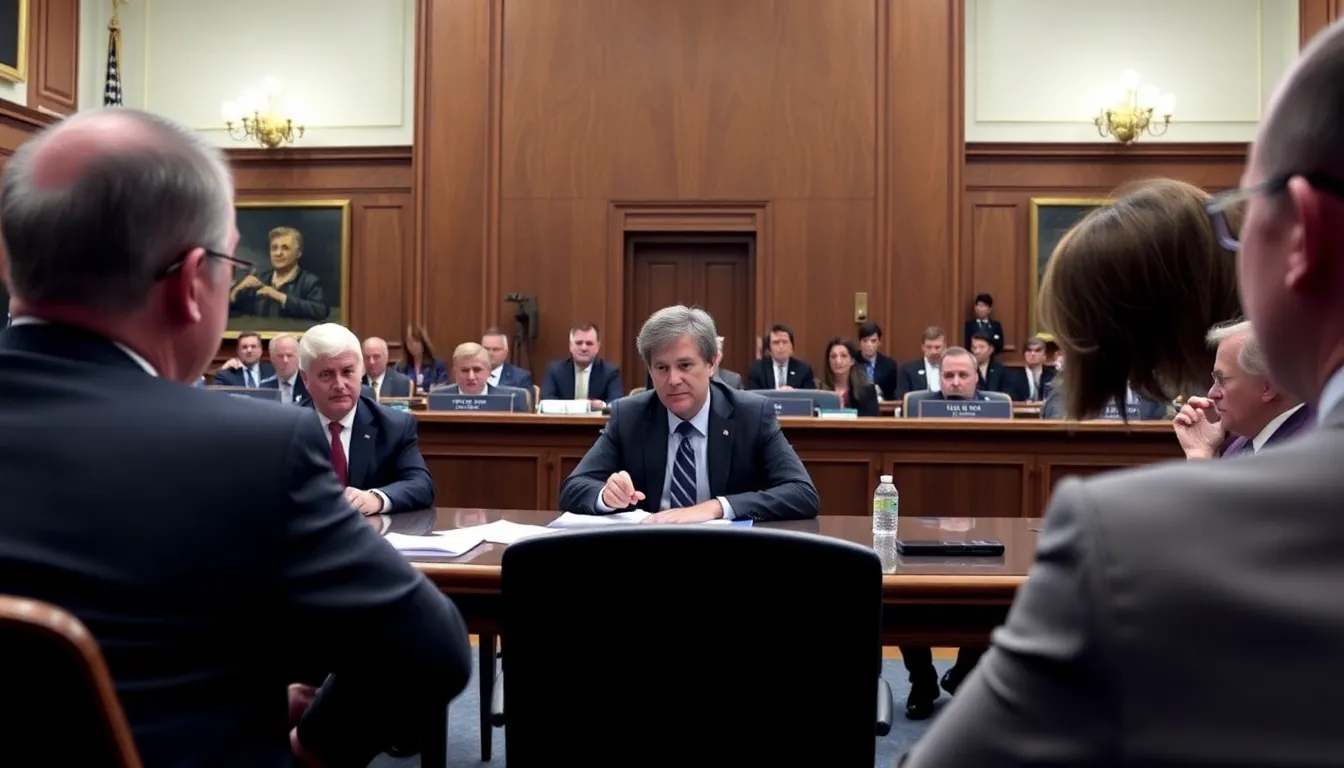
On October 10, 2023, during a congressional hearing, several lawmakers confronted Kennedy regarding his previous statements on vaccines, which they argue have contributed to public health misinformation. In response, Kennedy maintained that his current campaign priorities reflect a desire to address systemic issues beyond health, aiming to unite voters on a wider array of topics, including vaccine safety.
This clash highlights the ongoing tension between public health advocates and those who support Kennedy’s views. Lawmakers are increasingly concerned that his shift may dilute critical discussions around vaccine safety and public health policy, particularly as the nation faces ongoing health challenges. As Kennedy’s campaign progresses, the implications of his new focus may significantly influence the political landscape.
As the 2024 election approaches, the dynamics between Kennedy and lawmakers will likely intensify. His ability to navigate these conflicts while appealing to a broader audience could determine not only his campaign’s success but also the future discourse surrounding public health and government accountability.
Understanding the background of RFK Jr’s previous vaccine stance
Robert F. Kennedy Jr., known for his environmental activism and as a member of the prominent Kennedy family, has gained significant attention for his controversial views on vaccines. His skepticism towards vaccine safety began in the early 2000s, coinciding with rising public concern over vaccine-related health issues. Kennedy’s advocacy against vaccines has been fueled by a belief that certain vaccines may contribute to the rise in autism and other chronic health conditions, despite extensive scientific research disproving these claims.
The political landscape surrounding vaccines has evolved dramatically over the past two decades. In the early 2000s, the anti-vaccine movement began to gain traction, often fueled by high-profile figures like Kennedy. This movement has been characterized by a mistrust of pharmaceutical companies and government agencies, which many proponents believe prioritize profit over public health. As a result, vaccine hesitancy has grown, leading to outbreaks of preventable diseases such as measles and whooping cough in the United States.
In recent years, particularly during the COVID-19 pandemic, the debate around vaccines intensified. Kennedy’s vocal opposition to vaccine mandates and his promotion of alternative health therapies resonated with a segment of the population that felt marginalized by mainstream medical advice. This shift in focus has not only influenced public opinion but has also brought Kennedy into direct conflict with lawmakers advocating for vaccine policies aimed at protecting public health.
Key milestones in the vaccine debate
Several key milestones have shaped the vaccine debate in the U.S. The 1998 study by Andrew Wakefield, which falsely linked the MMR vaccine to autism, marked a turning point that fueled the anti-vaccine movement. Although the study was later retracted and discredited, its impact on public perception was profound. Additionally, the rise of social media platforms has allowed anti-vaccine sentiment to spread rapidly, creating echo chambers that reinforce these beliefs.
As Kennedy shifts his focus away from vaccines, it reflects a broader trend among some political figures to distance themselves from the contentious vaccine debate while still appealing to their base. This evolution raises questions about the future of public health policy and the ongoing struggle to combat misinformation in an increasingly polarized environment.
Key stakeholders and issues surrounding RFK Jr’s shift in focus
In recent developments, Robert F. Kennedy Jr. (RFK Jr.) has redirected his attention from vaccine skepticism to broader political and social issues, which has sparked clashes with lawmakers and various stakeholders. This shift raises questions about the implications for public health policy and the political landscape as a whole.
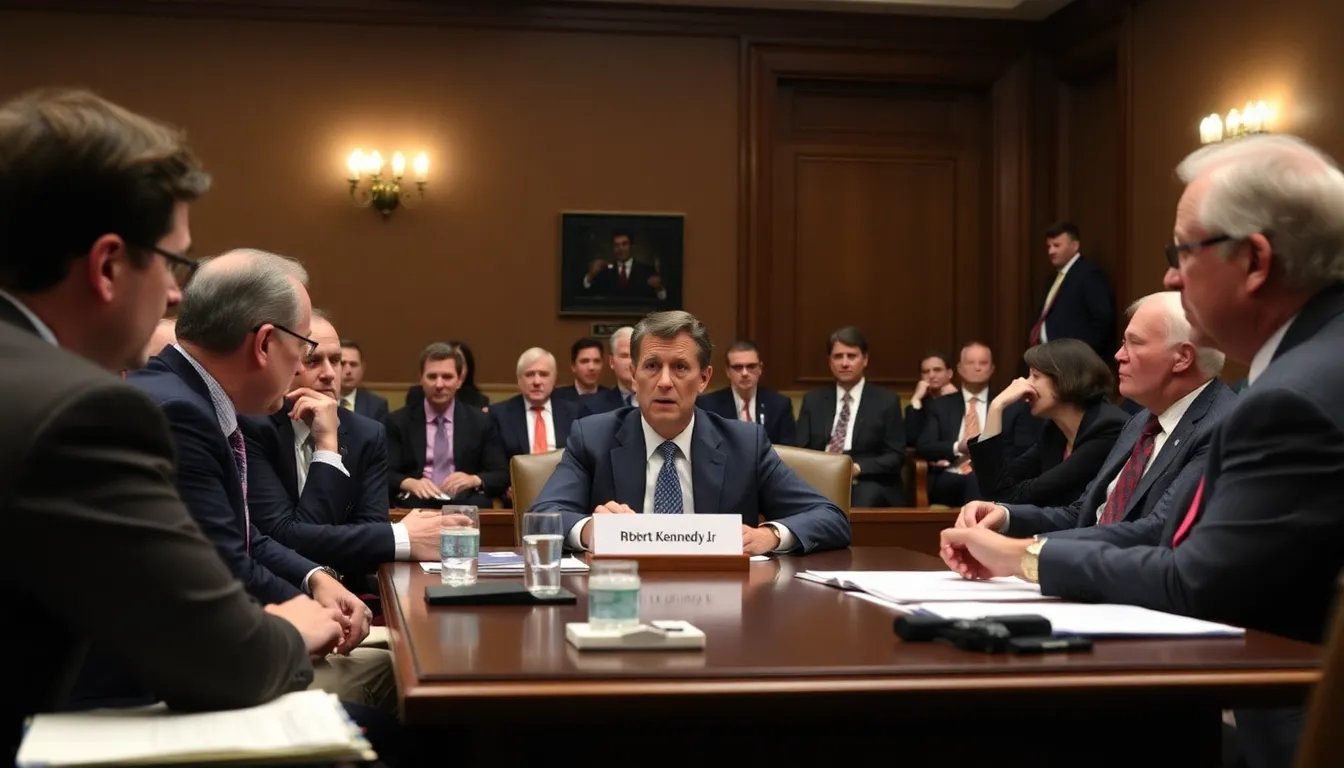
The primary stakeholders in this scenario include RFK Jr. himself, lawmakers from both parties, public health organizations, and the general public. Each of these actors has distinct interests that shape their responses to RFK Jr.’s new focus. Lawmakers, particularly those who have previously aligned with vaccine skepticism, may feel threatened by RFK Jr.’s evolving platform, which could influence their political capital and voter base.
Public health organizations, such as the Centers for Disease Control and Prevention (CDC) and the World Health Organization (WHO), are concerned about the potential resurgence of vaccine misinformation that could follow RFK Jr.’s transition. Their interest lies in maintaining public trust in vaccines and ensuring high vaccination rates to prevent outbreaks of preventable diseases. The general public, meanwhile, is caught in the middle, facing a complex landscape of information that can impact their health decisions.
- RFK Jr.’s shift may lead to increased polarization around public health issues.
- Lawmakers may need to navigate their positions carefully to avoid alienating constituents.
- Public health organizations could ramp up efforts to counter misinformation and promote vaccine education.
- Economic implications may arise if vaccine hesitancy leads to increased healthcare costs due to preventable diseases.
- The overall trust in political figures and health authorities may be tested during this period of transition.
As RFK Jr. continues to redefine his agenda, the interplay between these stakeholders will be crucial in shaping future debates on public health and governance. The legal ramifications of his statements and the responses from lawmakers could also set precedents for how similar figures engage with public policy in the future.
The potential impact on public health and political discourse
The recent shift in focus by Robert F. Kennedy Jr. (RFK Jr.) from vaccines to broader public health issues has the potential to affect various groups and industries. Public health advocates, vaccine manufacturers, and political organizations may find themselves navigating a rapidly changing landscape as discussions around health policy evolve.
In the short term, this shift could lead to increased polarization among lawmakers and the public. Vaccine hesitancy, which has been a significant focus of RFK Jr.’s advocacy, may take a back seat as he emphasizes other health topics. This could impact public health campaigns and funding, as resources may be reallocated to address new areas of concern.
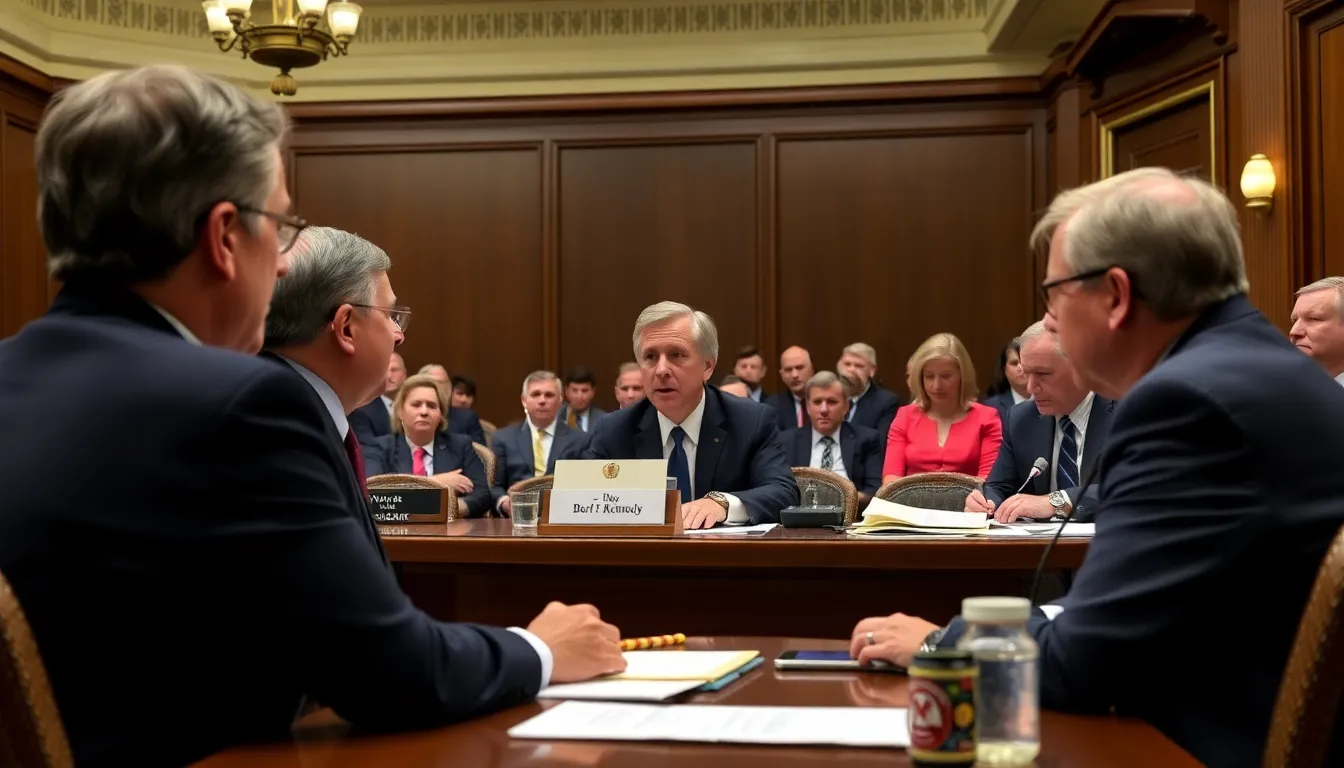
In the mid-term, industries such as pharmaceuticals and healthcare may experience both risks and opportunities. On one hand, if public discourse shifts away from vaccines, vaccine sales could decline, affecting manufacturers and healthcare providers who rely on immunization programs. On the other hand, new opportunities may arise for companies involved in alternative health solutions and preventive care.
- Public Health Advocates: May face challenges in maintaining vaccination rates.
- Pharmaceutical Industry: Could see fluctuations in vaccine-related revenue.
- Political Organizations: Will need to adapt messaging to address new health priorities.
- Healthcare Providers: May need to educate patients on changing health narratives.
Regions with high vaccine hesitancy may experience immediate changes in public health initiatives, while areas with strong public health systems might leverage this opportunity to enhance their preventive care offerings. Overall, RFK Jr.’s shift could redefine the landscape of health policy and public perception, with lasting effects on both political discourse and community health initiatives.
A: RFK Jr has indicated a desire to address broader public health issues, suggesting that vaccines are just one part of a larger conversation about health. A: Lawmakers have expressed concern over his shift, fearing it may undermine public trust in health policies and vaccine efficacy. A: The clash could lead to increased polarization on health issues, impacting public perception and policy-making in the long run. A: Yes, several lawmakers have publicly challenged his statements during hearings and public appearances, emphasizing the importance of science-based health policies. A: His shift may complicate the vaccine advocacy landscape, as it raises questions about the focus and messaging within the public health community.
Frequently asked questions about RFK Jr’s changing focus
Key insights and future outlook on the situation
The recent shift in focus by Robert F. Kennedy Jr. from vaccines to broader issues has sparked significant tension with lawmakers. This change not only highlights the evolving narrative surrounding public health debates but also raises questions about the implications for political discourse and public policy. As RFK Jr. broadens his platform, it will be essential to monitor how this impacts his support base and the responses from various political factions.
Furthermore, the clash with lawmakers indicates a growing divide in how health-related issues are perceived and addressed in the political arena. Observers should be aware of the potential for increased polarization, as well as the opportunities for dialogue on public health that may arise from this contentious landscape.
- Watch for shifts in public opinion as RFK Jr. expands his focus beyond vaccines, potentially attracting new supporters.
- Monitor legislative responses to RFK Jr.’s statements, which may influence future health policy discussions.
- Consider the implications of this clash for the broader anti-vaccine movement and its integration into mainstream political discourse.
- Observe how other political figures align themselves in relation to RFK Jr.’s evolving platform.
- Be aware of the potential for increased advocacy for alternative health policies as a reaction to the ongoing debates.