
As of October 2023, the price of official England shirts has reached upwards of £100, a figure that many argue is excessive given the economic climate. This increase in pricing has been attributed to various factors, including inflation, production costs, and the growing popularity of football merchandise among collectors and casual fans.
Collectors and enthusiasts are expressing concerns that such high prices may alienate a significant portion of the fanbase, particularly younger supporters who may struggle to afford these items. The collector’s perspective emphasizes that while the value of memorabilia can be substantial, it should not come at the expense of accessibility for everyday fans.
This issue is further complicated by the marketing strategies employed by sports brands, which often prioritize profit margins over fan engagement. As the England team prepares for upcoming international fixtures, the debate over the affordability of team merchandise is likely to intensify, prompting calls for more reasonable pricing structures in the future.
Background on the history of England football kits
The history of England football kits dates back to the late 19th century, when the national team first donned its iconic white shirts. The original kits were simple, often made from heavy cotton, and featured minimal branding. As football evolved, so too did the design and manufacturing of these kits, reflecting broader trends in fashion and sportswear technology.

In the 1960s and 1970s, the introduction of synthetic materials transformed football kits, making them lighter and more durable. This era saw the rise of commercialism in sports, with manufacturers beginning to capitalize on the popularity of national teams. As a result, the England kit became a symbol of national pride, with fans eager to purchase replicas to support their team.
Economic factors have also played a significant role in the pricing of football kits. The globalisation of the sportswear market has led to increased competition among brands, driving up the costs associated with production and marketing. This has resulted in higher retail prices for fans, who often feel the pressure to buy the latest designs to remain fashionable and support their team. Such pressures might motivate fans to invest in gear that is both trendy and supportive of their loyalty.
The Collector’s Perspective
Collectors of football kits, such as the individual who recently highlighted the overpriced nature of England shirts, often have a deep appreciation for the history and craftsmanship behind each piece. With some kits fetching thousands at auction, the collector’s viewpoint sheds light on the disparity between the perceived value of a kit and its retail price. This situation raises questions about the commercialization of football and the extent to which fans are willing to invest in their team’s legacy.
Examining the interests of collectors and fans
The recent assertion by a £40,000 football kits collector that England shirts are overpriced has sparked significant discussion among various stakeholders, including collectors, fans, retailers, and the governing bodies of football. Each group has distinct interests that influence their perspectives on the pricing of football kits.
Collectors, like the individual who raised concerns, often seek to acquire rare and valuable items. The value of these shirts is not solely based on their material worth but also on their historical significance and emotional connection to the sport. For them, overpriced kits can diminish the perceived value of their collections and make it harder to engage with the market.
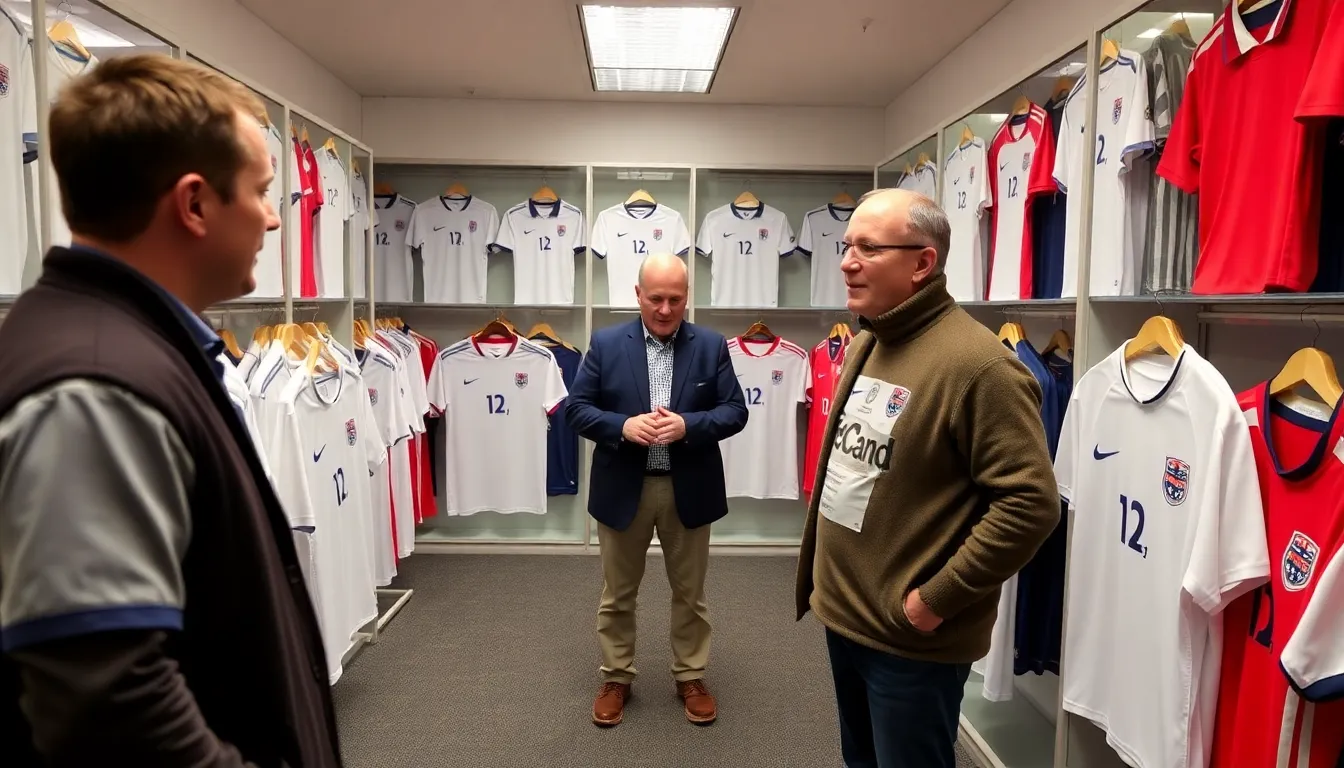
On the other hand, fans represent a broader demographic with varied purchasing power. Many fans view the cost of kits as a reflection of their loyalty to the team and the sport. However, rising prices can alienate a portion of the fanbase, especially younger supporters or those with limited financial resources. This creates a tension between the desire for quality merchandise and the need for affordability.
- Retailers may argue that higher prices are necessary to cover production costs and ensure profitability, especially with the increasing demand for licensed merchandise.
- Football associations and clubs benefit from merchandise sales, which can be a significant revenue stream. They must balance pricing strategies with fan accessibility.
- Economic factors, such as inflation and supply chain issues, can also impact pricing, leading to further complications in the debate over kit costs.
Ultimately, the discussion surrounding the pricing of England shirts highlights the complex interplay of interests among collectors, fans, retailers, and governing bodies. Understanding these dynamics is crucial for addressing the concerns raised by stakeholders and finding a path forward that respects both the heritage of the sport and the financial realities of its supporters, as seen in past analysis of similar issues discussed in other articles.
Effects on collectors and the sports merchandise market
The recent claim by a £40k kits collector that England shirts are overpriced has sparked discussions among various groups, particularly collectors, sports fans, and merchandise retailers. Collectors who invest significant amounts in sports memorabilia may feel disillusioned as the perceived value of their items comes under scrutiny. This could lead to a reevaluation of their collections and investment strategies.
Retailers in the sports merchandise industry are also impacted, as consumer sentiment may shift in response to the pricing debate. If fans perceive the prices as unjustifiable, there could be a decline in sales, particularly for high-end items. This situation may force retailers to reconsider their pricing strategies and promotional approaches to remain competitive in a challenging market.
In the short term, the conversation surrounding overpriced kits may lead to increased media attention and public discourse around sports merchandise pricing. Fans might become more vocal about their expectations, potentially influencing retailers to adjust their pricing or offer more competitive alternatives. Additionally, this situation could prompt policy discussions regarding price regulation in the sports merchandise sector.
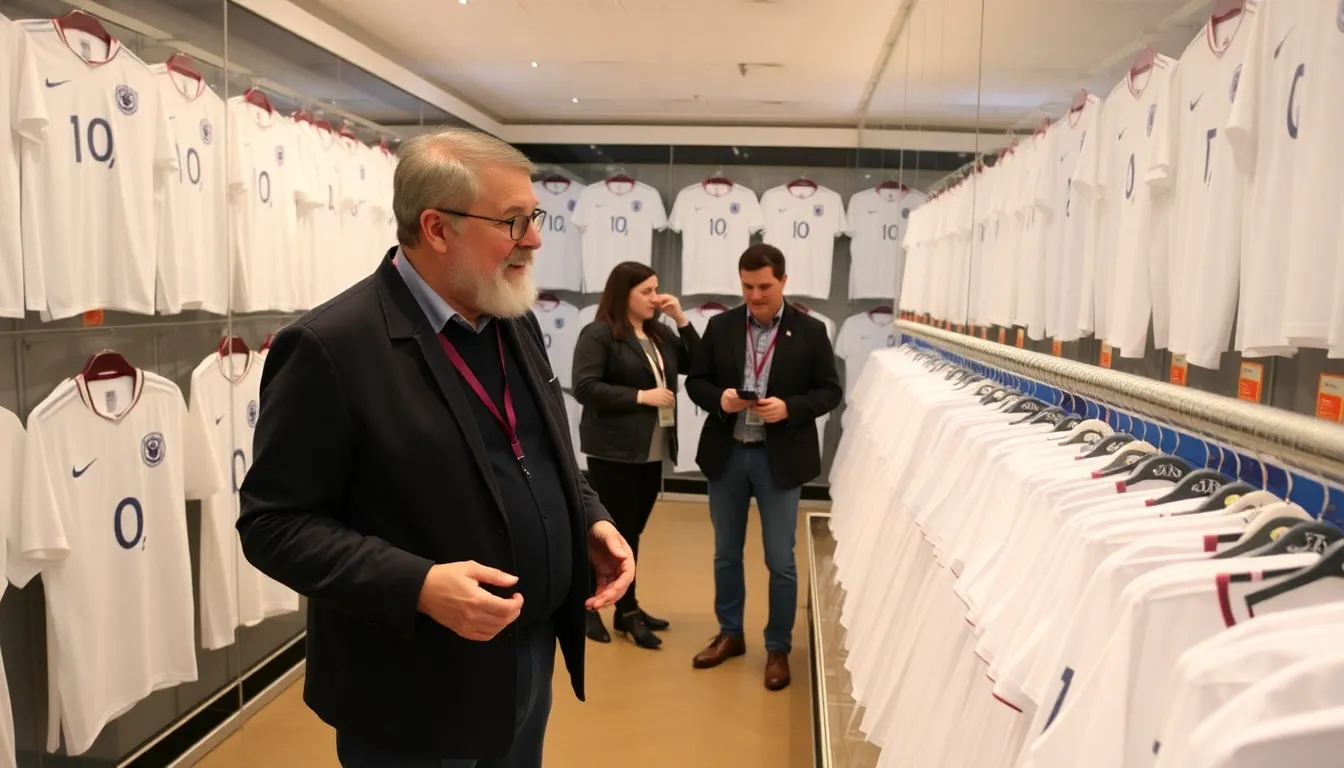
In the mid-term, the fallout from this debate may create both risks and opportunities. On one hand, retailers may face declining sales if they do not adapt to consumer demand for more reasonably priced merchandise. On the other hand, there is an opportunity for new brands or retailers to emerge, offering innovative products at competitive prices, thus capturing a segment of the market dissatisfied with current offerings.
- Collectors may reassess the value of their investments.
- Retailers could face declining sales if prices remain high.
- Potential for new brands to enter the market with competitive pricing.
- Increased consumer advocacy for fair pricing in sports merchandise.
A: Many collectors and fans believe that the prices of England shirts have surged due to demand and limited editions, leading to inflated market values. A: Vintage England shirts can range significantly in price, with some rare editions fetching thousands of pounds, depending on their condition and rarity. A: Factors such as player popularity, historical significance, and the condition of the shirt can greatly influence its market price. A: Yes, fans can look for replicas or older models that are often sold at lower prices, or consider purchasing from resale markets. A: Collectors often assess the value based on rarity, condition, and market demand, sometimes consulting price guides or auction results.
Frequently asked questions about England shirts
Key takeaways and future outlook on kit pricing
The debate surrounding the pricing of England football shirts, particularly the recent £40k valuation by a dedicated collector, highlights a growing trend in sports merchandise. As collectors and fans alike grapple with the perceived value of these items, it raises questions about the sustainability of such high prices in the market. The implications of this discussion extend beyond mere nostalgia, as they touch on the broader dynamics of consumer behavior, brand loyalty, and the economics of sports merchandising.
Looking ahead, it will be essential to monitor how brands respond to consumer sentiment regarding pricing. As collectors and fans voice their concerns, companies may need to reevaluate their strategies to maintain engagement and loyalty while ensuring accessibility for the average supporter.
- The collector’s valuation may influence future pricing strategies by brands, potentially leading to more competitive pricing models.
- Consumer backlash against high prices could encourage brands to introduce more affordable alternatives, catering to a wider audience.
- Increased transparency in pricing could enhance trust between brands and consumers, fostering a more loyal customer base.
- As the market evolves, the significance of limited edition releases may increase, impacting how collectors value and invest in merchandise.
- Monitoring shifts in consumer preferences will be crucial for brands looking to capitalize on the emotional connection fans have with their teams.