
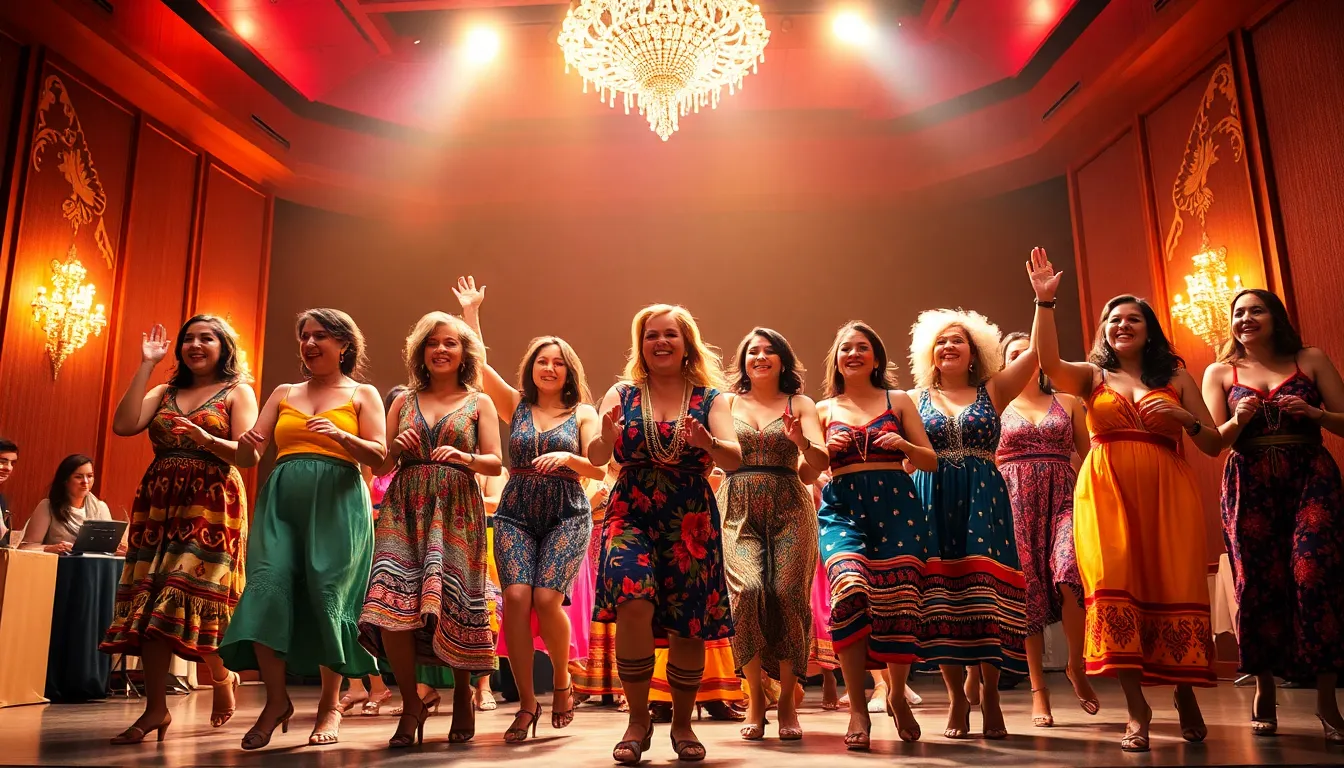
As of October 2023, ‘Boho’ has garnered attention for its unique blend of storytelling and dance, encouraging women to embrace their dreams and express themselves freely. The production features a diverse cast, showcasing talents from different backgrounds, which resonates with the contemporary push for inclusivity in the arts. This representation is crucial as it reflects the multifaceted nature of women’s experiences today, similar to the ongoing discussions surrounding the importance of women’s roles in sports as highlighted in our article on The Women’s Six Nations.
Moreover, the emotional impact of the show has been described as a comforting experience during challenging times. Audience members have likened it to a “warm blanket,” suggesting that performances like ‘Boho’ provide not only entertainment but also solace and encouragement. This aspect is particularly significant in the current socio-economic climate, where many women face various challenges and seek outlets for expression and support, much like the community fostered by the Boho movement.
In light of these developments, the ongoing conversation around women’s roles in the arts continues to evolve. Productions that prioritize female stories are gaining traction, prompting discussions about representation and the importance of diverse voices in theater. As ‘Boho’ and similar works thrive, they pave the way for future generations of women artists, reinforcing the idea that the arts can be a powerful tool for change and empowerment.
Understanding the Origins of the Boho Movement
The Bohemian lifestyle, often referred to as ‘Boho’, traces its roots back to the 19th century, emerging as a countercultural movement among artists, writers, and intellectuals in Europe. This movement was characterized by a rejection of conventional societal norms and an embrace of artistic expression, individuality, and a free-spirited way of living. The term ‘Bohemian’ originally referred to the Romani people, who were mistakenly believed to have come from the Bohemia region of the Czech Republic, and it gradually evolved to describe those who lived unconventionally in pursuit of creativity.
In the 1960s and 1970s, the Boho movement gained renewed momentum during the counterculture revolution, which was marked by a quest for social change, peace, and love. This era saw the rise of music festivals, art collectives, and a burgeoning interest in spirituality and alternative lifestyles. The ‘Boho’ aesthetic became synonymous with a vibrant, eclectic style that celebrated diversity and self-expression, appealing to a generation eager to break free from the constraints of traditional expectations.
The Modern Boho Revival
Today, the Boho movement has evolved yet again, finding a place in contemporary society as a source of comfort and inspiration for women of all ages. In a world increasingly marked by uncertainty and rapid change, the Boho ethos encourages individuals to embrace their dreams and find joy in self-expression. This resurgence can be seen in various forms of art, fashion, and performance, where the principles of freedom, creativity, and community are celebrated.
Key milestones in this modern revival include the rise of social media platforms, where artists and influencers share their interpretations of the Boho lifestyle, creating a global community that transcends geographical boundaries. Events such as music festivals and dance performances have also played a crucial role in bringing together diverse audiences, allowing them to experience the warmth and connection that the Boho movement embodies. As women continue to navigate the complexities of modern life, the Boho movement stands as a reminder of the power of dreams and the joy of dancing through challenges.
Key Stakeholders and Themes in the Boho Show
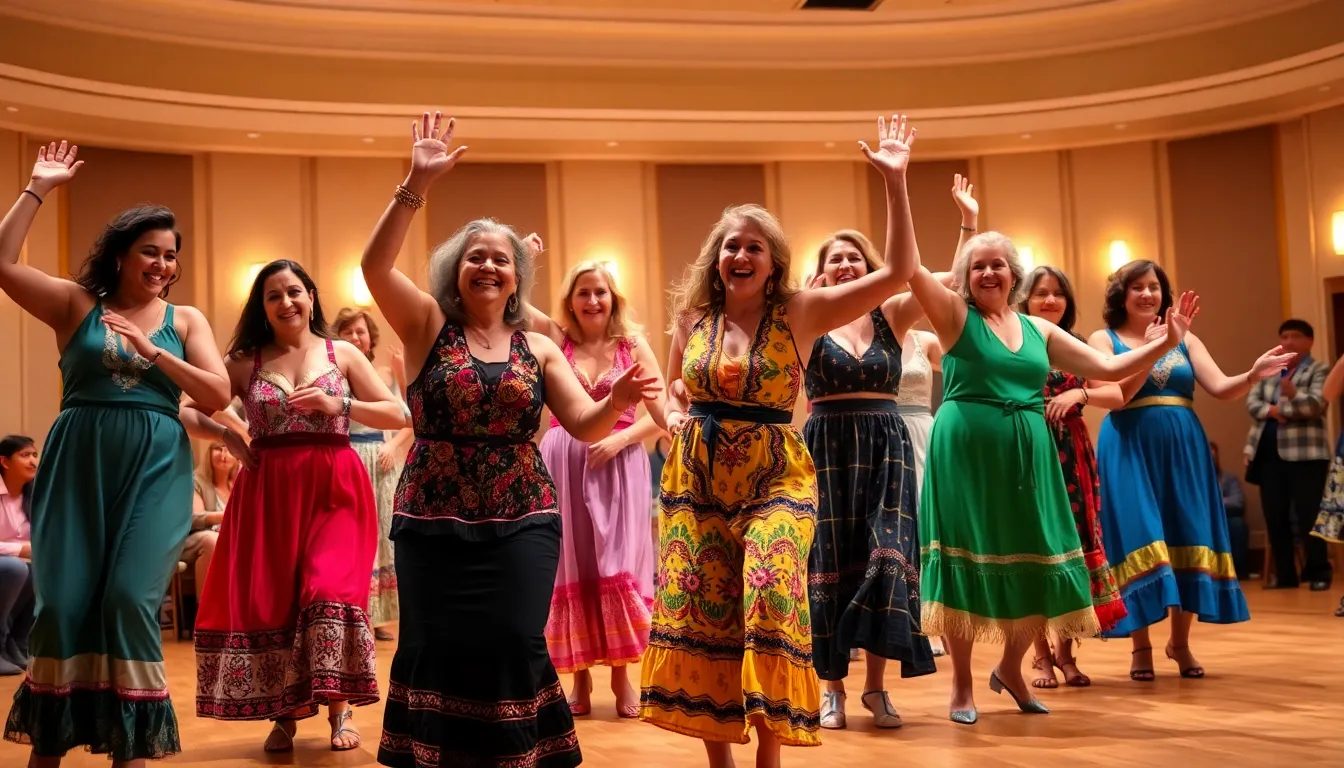
The ‘Boho’ show has emerged as a significant cultural event, attracting a diverse audience and engaging various stakeholders. Key actors include the production team, performers, audience members, and sponsors, each with distinct interests that contribute to the show’s impact. The production team aims to create an inclusive environment that resonates with women of all ages, while performers seek to showcase their talents and connect with the audience on a personal level.
Audience members, particularly women, play a crucial role as they bring their own experiences and expectations to the show. Their desire for representation and empowerment shapes the narrative and themes explored in the performance. Additionally, sponsors and local businesses are invested in the show’s success, as it can drive economic benefits and enhance community engagement.
- Representation: The show emphasizes the importance of diverse representation, appealing to women from various backgrounds and age groups.
- Economic Impact: Local businesses benefit from increased foot traffic and tourism generated by the show’s popularity.
- Cultural Significance: ‘Boho’ serves as a platform for discussing broader societal issues, such as gender equality and mental health.
- Conflict of Interests: Tensions may arise between commercial interests and the artistic vision of the production team.
- Legal Considerations: The show must navigate copyright issues related to music and choreography, ensuring compliance with industry standards.
As the show continues to gain traction, it is essential to consider these dynamics and how they shape the overall experience for all involved. Understanding the interplay between stakeholders allows for a more nuanced appreciation of the show’s significance in today’s cultural landscape.
The Impact of Boho on Women and Communities
The ‘Boho’ movement resonates deeply with women of all ages, fostering a sense of community and empowerment. This cultural phenomenon not only affects individual women but also has broader implications for various industries, including fashion, entertainment, and wellness. As more women embrace the Boho lifestyle, local businesses and communities stand to benefit significantly from this shift in consumer behavior, mirroring the impact seen in the rise of artisan shops and boutiques discussed in our article on England shirt prices.
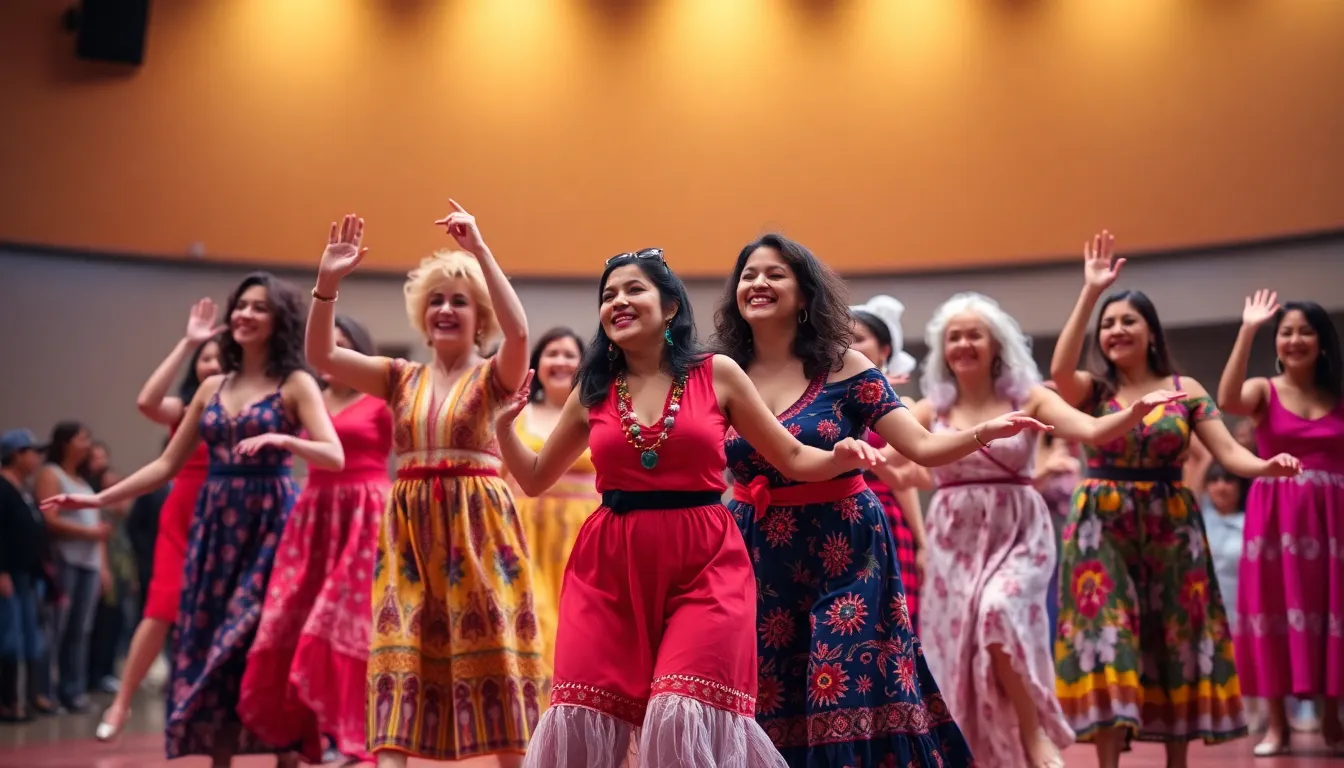
In the short term, the Boho movement encourages women to express themselves creatively, leading to increased participation in local arts and crafts markets. This surge in interest can boost sales for small businesses that cater to this demographic, such as boutiques, artisan shops, and wellness centers. Additionally, the movement promotes social gatherings and events, which can revitalize local economies and foster a sense of belonging among participants.
Mid-term impacts may include shifts in policy as local governments recognize the importance of supporting women-led initiatives and creative industries. The rise of Boho-inspired events can lead to increased funding for arts programs, community workshops, and festivals, which further enrich local culture. However, there are risks associated with the commercialization of the Boho aesthetic, which could dilute its original message of authenticity and self-expression.
- Opportunities: Growth in local businesses, increased community engagement, and enhanced support for women-led initiatives.
- Risks: Potential commercialization that undermines the movement’s core values and exclusion of marginalized voices.
Overall, the Boho movement serves as a catalyst for positive change, offering women a platform to dream, dance, and connect with one another. As this trend continues to evolve, its impact on communities and industries will likely be profound, shaping the cultural landscape for years to come.
A: The main message of the Boho show is to inspire women of all ages to pursue their dreams and find joy in dancing, even during tough times. A: The show supports women by providing a platform that celebrates their stories, encourages self-expression, and fosters a sense of community. A: The Boho show is designed for women of all ages, making it inclusive for everyone who wants to experience its uplifting message. A: The show explores themes of empowerment, resilience, and the importance of following one’s passions through dance and creativity. A: Tickets for the Boho show can be purchased online through the official website or at the venue box office.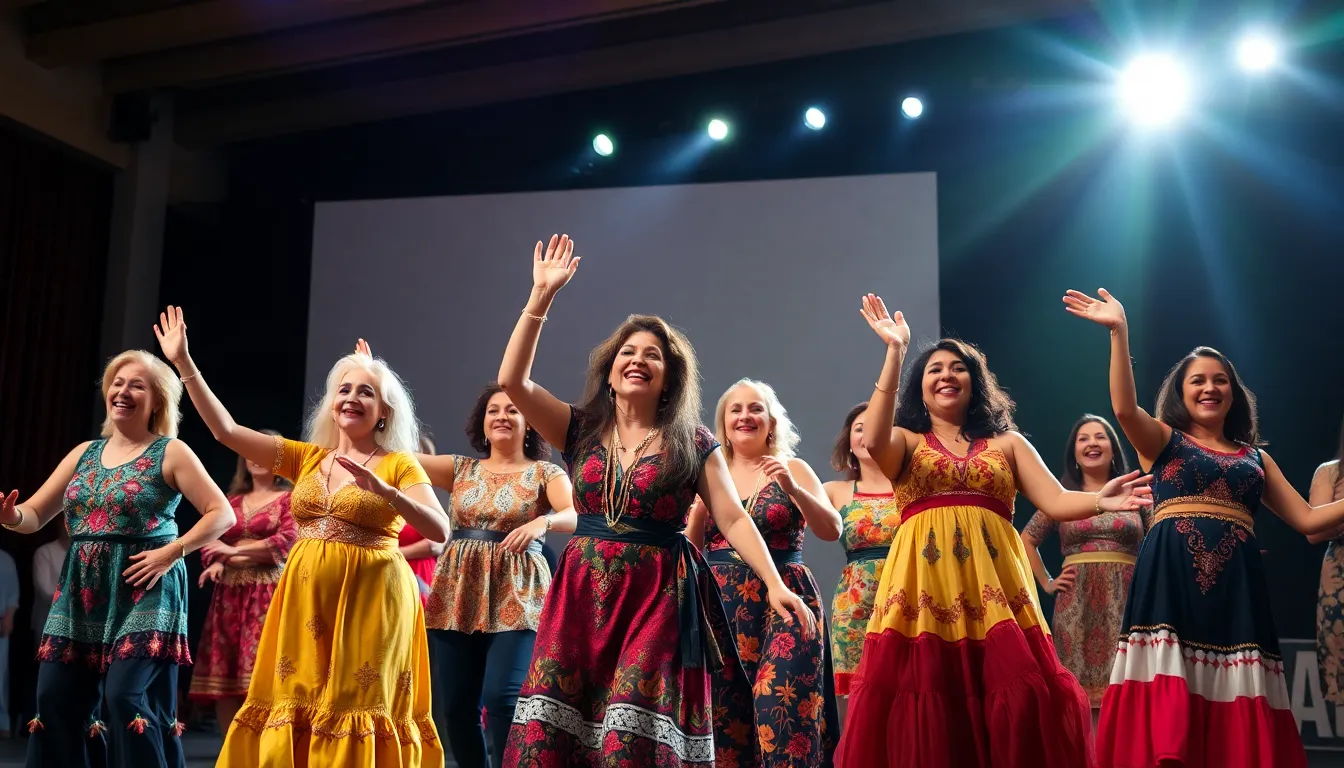
Frequently Asked Questions about Boho
Key Insights and Future Outlook for Boho
The ‘Boho’ show has emerged as a significant cultural phenomenon, resonating with women across various age groups. Its emphasis on dreams and self-expression highlights the importance of community and support in navigating challenging times. As audiences seek solace and inspiration, ‘Boho’ serves not only as entertainment but also as a reminder of the power of creativity and resilience.
Looking ahead, the impact of ‘Boho’ is likely to extend beyond the stage, influencing conversations around empowerment and the arts. The show’s ability to foster a sense of belonging can inspire similar initiatives, encouraging more inclusive platforms for expression and connection.
- Community Engagement: Expect more events and initiatives that promote collective experiences, fostering connections among women.
- Creative Expression: The show may inspire a wave of artistic projects aimed at encouraging self-expression and personal storytelling.
- Resilience in Arts: Anticipate a growing appreciation for performances and art forms that address societal challenges and offer hope.
- Cross-Generational Appeal: The success of ‘Boho’ could lead to more productions that cater to diverse age groups, bridging generational gaps.