
Recent studies indicate that nearly 40% of older adults report difficulty in accessing healthcare services, primarily due to financial constraints and a lack of transportation. The rising costs of medical care and prescription drugs, combined with fixed incomes, have left many seniors struggling to afford necessary treatments. Additionally, the ongoing effects of the COVID-19 pandemic have exacerbated these issues, leading to increased isolation and mental health challenges among older individuals. For more insights on these health challenges, visit Exploring the Trends in Inside Health.
In response to these challenges, various organizations and government initiatives are working to improve support systems for older Americans. The Administration for Community Living has launched programs aimed at enhancing access to services, but many still face bureaucratic hurdles. Local agencies are also stepping up efforts to provide resources, yet funding shortages often limit their capacity to meet the growing needs. Understanding the impact of recent policy changes can provide deeper insight here.
The urgency of addressing these issues is underscored by the fact that the population of older Americans is projected to double by 2040. Policymakers and community leaders are being called upon to prioritize solutions that ensure equitable access to healthcare, housing, and social support. Without immediate action, many older adults may continue to face significant barriers to the resources they need for a healthy and fulfilling life.
The historical context of aging in America and its implications
The demographic landscape of the United States has undergone significant changes over the past century, particularly concerning the aging population. According to the U.S. Census Bureau, the percentage of Americans aged 65 and older has steadily increased, from just 4.1% in 1900 to approximately 16% in 2020. This shift can be attributed to several factors, including advancements in healthcare, improved living conditions, and a decline in birth rates. As a result, the growing number of older Americans presents both challenges and opportunities for society.
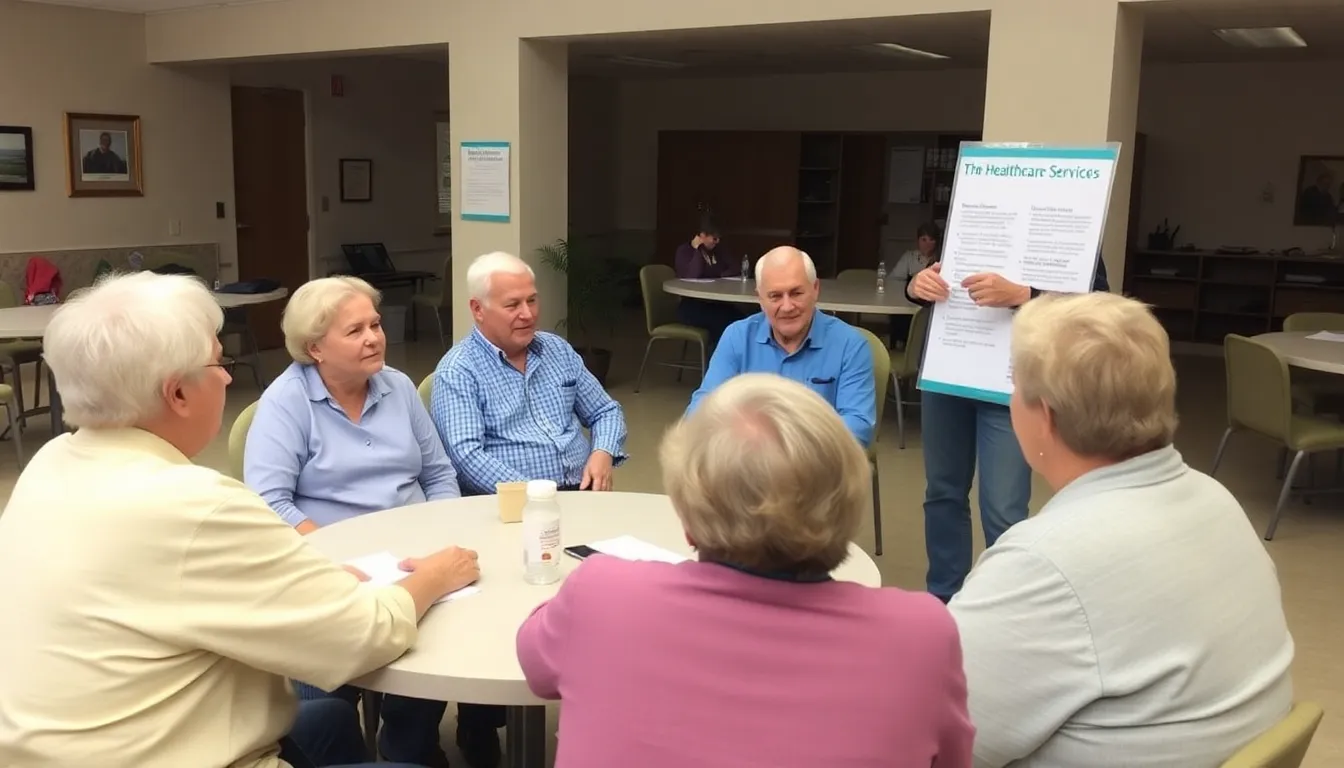
Historically, the support systems for the elderly have evolved in response to societal needs and economic conditions. The Social Security Act of 1935 marked a significant milestone, establishing a safety net for older adults and recognizing the need for government intervention in the lives of aging citizens. Over the decades, additional programs such as Medicare and Medicaid were introduced, further expanding access to healthcare and financial assistance for seniors. These developments reflect a growing acknowledgment of the importance of supporting older Americans as they navigate the complexities of aging.
The impact of the baby boomer generation
One of the most significant factors influencing the current landscape of aging in America is the aging of the baby boomer generation, born between 1946 and 1964. As this cohort reaches retirement age, the demand for services and support tailored to older adults has surged. This demographic shift has prompted policymakers and healthcare providers to reconsider existing frameworks and to develop new strategies to address the unique needs of an increasingly diverse and aging population.
The economic implications of an aging population are profound. With a larger segment of the population requiring healthcare, housing, and social services, there is a pressing need for sustainable funding and resource allocation. The strain on public programs, coupled with the rising costs of healthcare, has led to ongoing debates about how to best support older Americans while ensuring the financial viability of these essential services.
Socially, the changing dynamics of family structures and community support systems have also contributed to the challenges faced by older adults. As families become more dispersed and traditional caregiving roles evolve, many seniors find themselves isolated and in need of assistance. This has led to an increased focus on developing community-based programs and initiatives aimed at fostering social connections and improving the quality of life for older Americans.
Key stakeholders involved in providing assistance to older adults
In the landscape of support for older Americans, several key stakeholders play critical roles in shaping policies and providing services. These include government agencies, non-profit organizations, healthcare providers, and family members. Each of these actors has distinct interests that influence their approach to assisting the aging population.
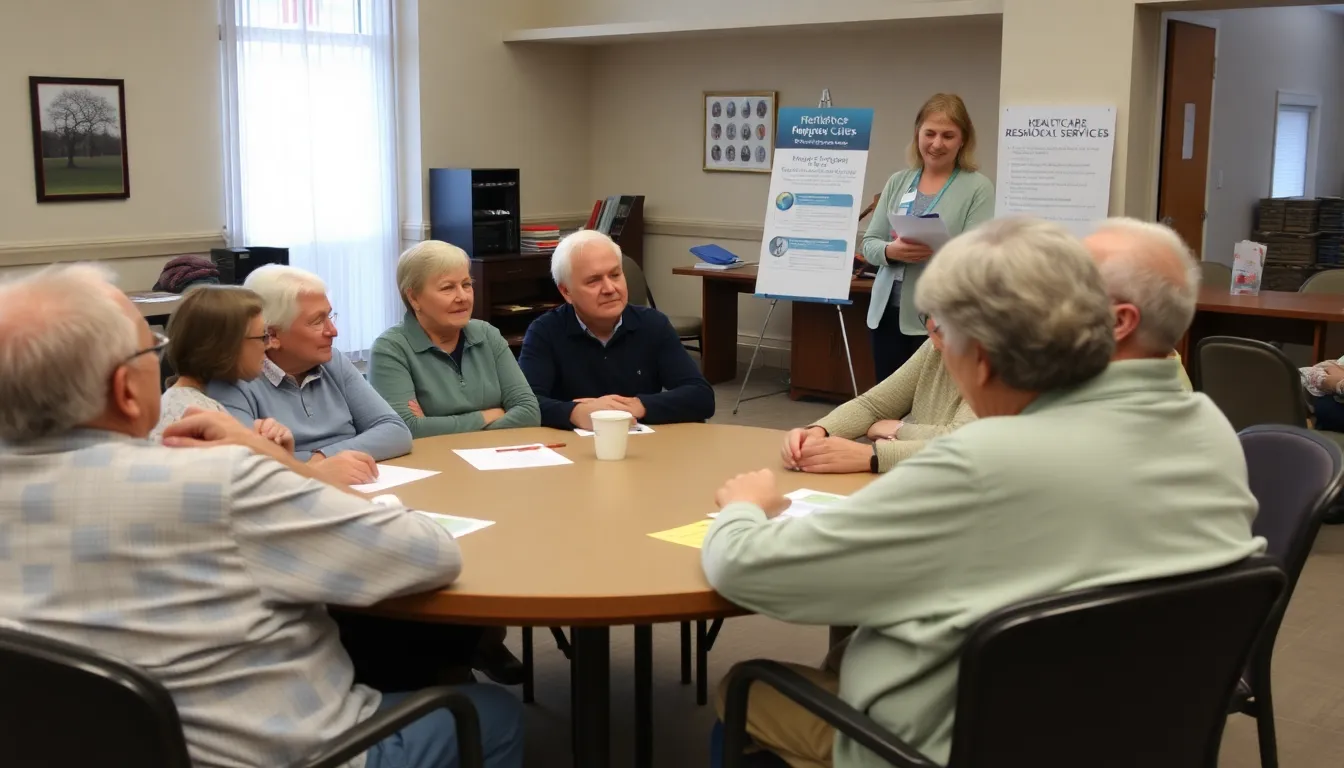
Government agencies, such as the Department of Health and Human Services (HHS) and the Administration on Aging (AoA), are primarily focused on ensuring the well-being of older adults through funding and policy-making. Their interests often align with promoting public health initiatives and increasing access to healthcare services. However, budget constraints and competing priorities can lead to conflicts over resource allocation.
Non-profit organizations, like AARP and Meals on Wheels, aim to advocate for the rights and needs of older adults. They provide essential services, including meal delivery and social engagement programs. These organizations often face challenges in securing funding and volunteer support, which can limit their capacity to meet the growing demand for their services.
- Healthcare Providers: Hospitals and clinics are essential in delivering medical care but may struggle with the increasing number of older patients and the complexities of geriatric care.
- Family Members: Often the primary caregivers, families face emotional and financial strains while balancing their own needs with those of their elderly relatives.
- Legal Issues: Legal frameworks regarding elder care, such as guardianship laws and power of attorney, can create complexities that complicate decision-making for families and caregivers.
- Economic Factors: The rising costs of healthcare and long-term care services present significant challenges for older adults and their families, leading to difficult trade-offs.
Understanding the dynamics between these stakeholders is crucial for addressing the needs of older Americans effectively. The interplay of interests and the potential for conflict highlight the importance of collaboration and innovative solutions in the realm of elder care. To learn about unique challenges faced by individuals, check out the story of a woman trapped in a collapsed toilet here.
The impact of inadequate support on older Americans and their families
The challenges faced by older Americans due to inadequate support systems extend beyond individual health issues; they reverberate through families, communities, and various industries. This demographic, often comprising a significant portion of the population, is increasingly reliant on social services, healthcare, and family caregivers. The lack of sufficient resources can lead to a strain on these groups, affecting their well-being and quality of life.
In the short term, older Americans may experience heightened stress and health complications due to insufficient access to necessary services, such as home healthcare and transportation. Families often bear the brunt of this burden, as they may need to take on caregiving roles without adequate preparation or support, leading to increased emotional and financial strain.
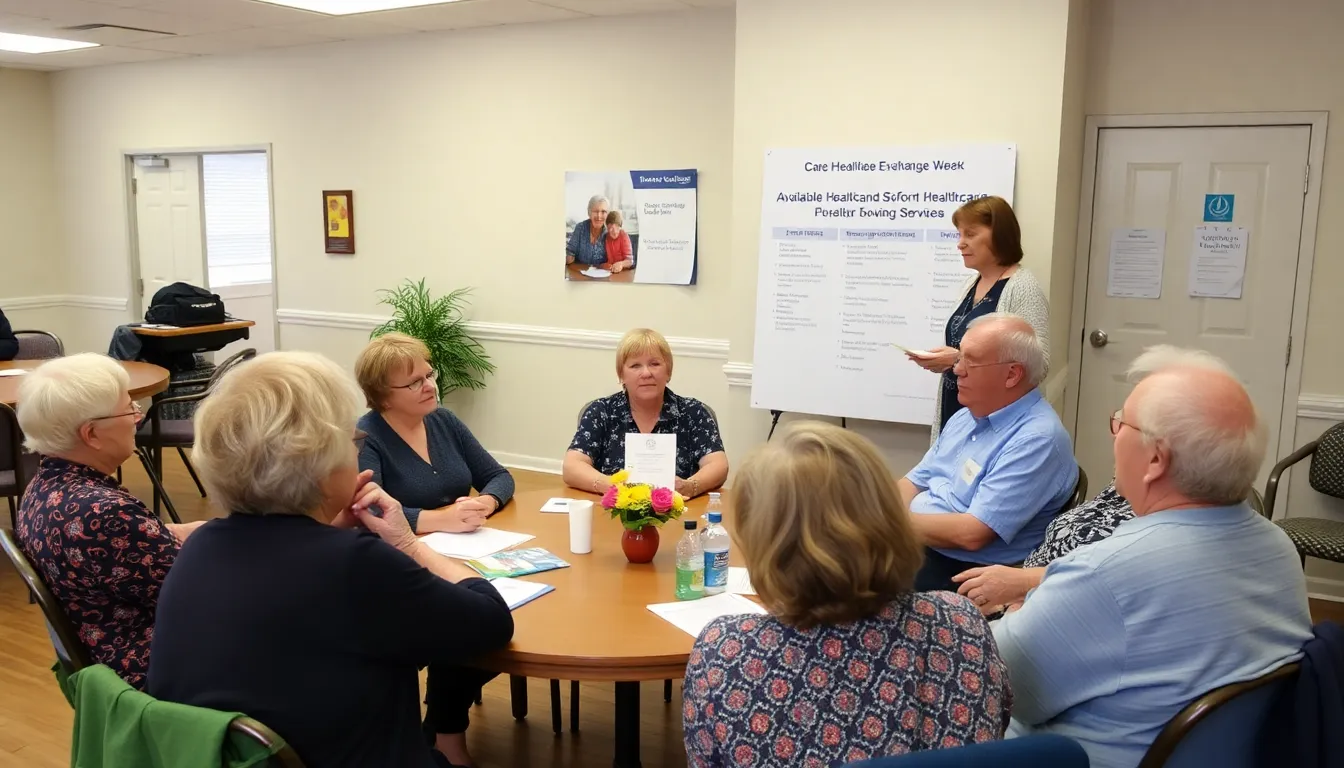
Industries such as healthcare, home care, and technology are directly impacted by this situation. Healthcare providers may see a rise in demand for services, while the home care sector may struggle to recruit and retain qualified staff. Conversely, technology companies that develop solutions for aging populations could find new opportunities for growth by creating innovative products that address these needs.
- Increased demand for healthcare services and home care assistance.
- Potential for technology-driven solutions to enhance elderly care.
- Heightened financial pressure on families and caregivers.
- Policy implications regarding funding and support for aging populations.
In the mid-term, the lack of support may result in broader societal implications, including increased healthcare costs and a potential decrease in workforce participation among family caregivers. Policymakers may be prompted to reevaluate and improve support systems, creating an opportunity for advocacy groups and community organizations to influence change. Ultimately, addressing these challenges can lead to a more sustainable and equitable approach to elder care that benefits all stakeholders involved.
A: Older Americans often require assistance with daily activities, healthcare management, and social engagement. These needs can vary widely based on individual circumstances. A: Family members can provide emotional support, help with transportation, and assist in managing healthcare needs. Regular communication and involvement are crucial. A: There are various resources including government programs, non-profit organizations, and community services that offer help with healthcare, housing, and social activities. A: Isolation can lead to mental health issues such as depression and anxiety, making it essential to foster social connections and community involvement. A: Local governments often provide funding for senior services, create programs for social engagement, and ensure access to healthcare services for older adults.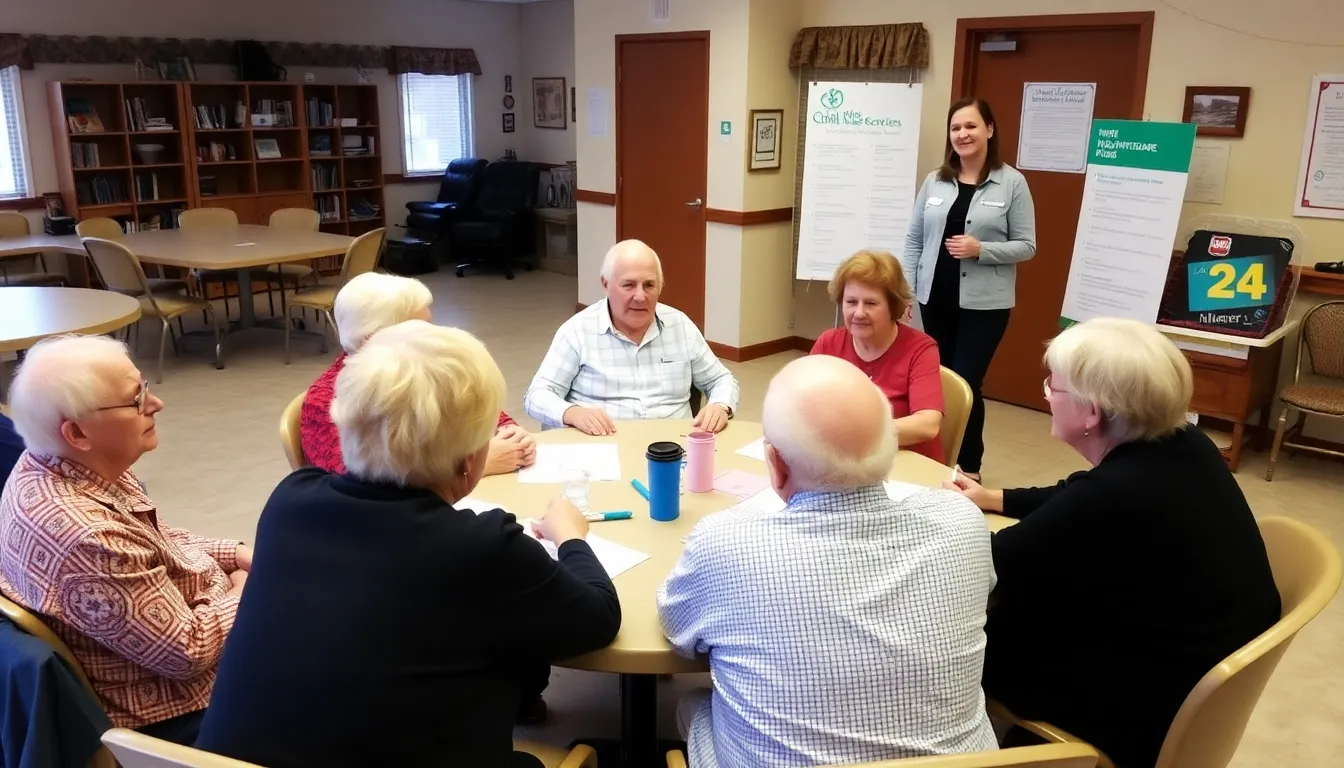
Frequently asked questions about support for older Americans
Key insights and future outlook on support for older Americans
The growing population of older Americans presents both challenges and opportunities for communities and policymakers. As the needs of this demographic evolve, a multifaceted approach to support is essential. Addressing issues such as healthcare access, social isolation, and financial security will be vital in ensuring that older adults can lead fulfilling lives.
Looking ahead, it is crucial to recognize the importance of collaboration among various sectors, including healthcare providers, community organizations, and government agencies. By fostering partnerships and innovative solutions, we can create a more supportive environment that meets the diverse needs of older Americans.
- Emphasize preventive healthcare: Focus on initiatives that promote wellness and early intervention to reduce long-term healthcare costs.
- Enhance social connectivity: Develop programs that combat social isolation, encouraging community engagement and support networks.
- Strengthen financial literacy: Provide resources and education to help older adults manage their finances and navigate retirement planning.
- Leverage technology: Utilize technology to improve access to services and enhance communication among older adults and caregivers.