
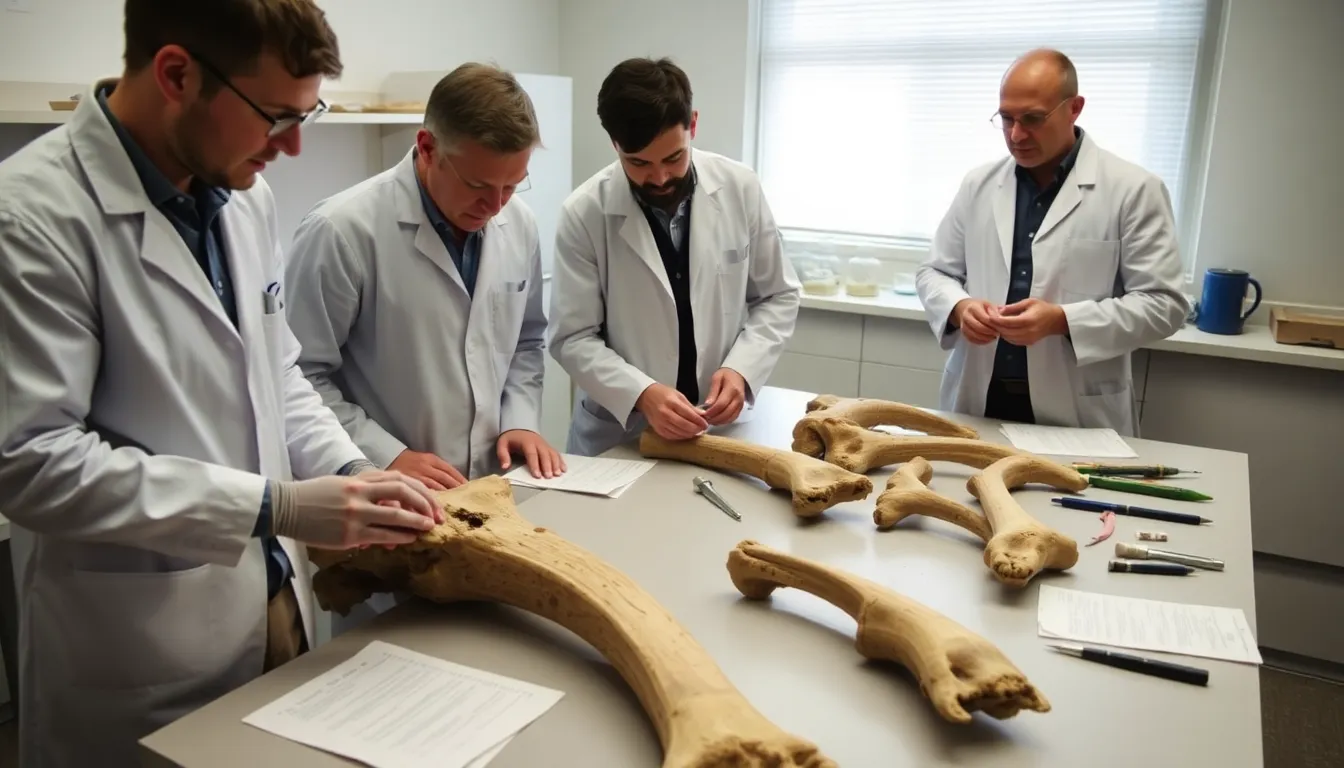
The bones, discovered near a site traditionally associated with Hannibal’s route, were dated using advanced carbon dating techniques, revealing their age to be consistent with the period of Hannibal’s campaign. This discovery adds a tangible element to the long-debated historical event, which has been shrouded in myth and speculation for centuries.
Historians and archaeologists are now examining the implications of this find, as it could reshape our understanding of ancient military logistics and the challenges faced by Hannibal and his troops. The presence of elephants in the region during this time period raises questions about the feasibility of such a crossing and the strategies employed by the Carthaginian general.
The research team plans to conduct further studies to confirm the origins of the bones and to explore additional archaeological sites along the potential route taken by Hannibal. As the debate continues, this discovery may not only provide insights into a pivotal moment in history but also highlight the complexities of ancient warfare and transportation.
Recommended Articles
- Ancient bone discovery may confirm legendary war elephant crossing of Alps
- Rare moss species are aiding in the fight against climate change
- UK migration could be negative this year and its economic implications
- Understanding the Persistence of Food Fraud in a Technological Era
- Original Bramley apple tree at risk as site is put up for sale
- Ancient bone discovery may confirm legendary war elephant crossing of Alps
- Rare moss species are aiding in the fight against climate change
- UK migration could be negative this year and its economic implications
- Understanding the Persistence of Food Fraud in a Technological Era
- Original Bramley apple tree at risk as site is put up for sale
Understanding the historical significance of Hannibal’s journey
The legendary crossing of the Alps by Hannibal Barca during the Second Punic War in 218 BC remains one of the most remarkable military feats in ancient history. This audacious maneuver not only demonstrated Hannibal’s tactical genius but also had profound implications for the power dynamics between Rome and Carthage. Hannibal’s army, which included war elephants, aimed to surprise the Roman forces by traversing the formidable Alpine terrain, a strategy that would ultimately change the course of the war.
Historically, the Second Punic War was fueled by longstanding rivalries between the two powerful states of Rome and Carthage. Following the First Punic War, which ended in 241 BC, Carthage sought to expand its influence in the western Mediterranean, leading to conflicts over territories in Spain and Sicily. Hannibal, the son of Hamilcar Barca, inherited this ambition and sought to avenge Carthage’s earlier losses to Rome, setting the stage for his daring expedition across the Alps.
The crossing itself, fraught with peril, involved not only the logistical challenges of moving a large army through treacherous mountain passes but also the need to maintain morale among troops and animals alike. The inclusion of war elephants in Hannibal’s strategy was particularly significant, as these formidable creatures were intended to instill fear in the Roman legions. Recent discoveries of ancient bones in the Alpine region may provide physical evidence of this extraordinary journey, potentially corroborating historical accounts that have long been debated by scholars.
The Legacy of Hannibal’s Campaign
The aftermath of Hannibal’s crossing had lasting effects on both military tactics and international relations in the ancient world. His victories in battles such as the Battle of Cannae showcased innovative strategies that would be studied for centuries. Furthermore, Hannibal’s campaign fostered a sense of urgency within Rome, leading to military reforms and the eventual rise of Roman dominance in the Mediterranean. The enduring fascination with Hannibal’s crossing reflects not only its historical significance but also its role in shaping the narratives of warfare and leadership that continue to resonate today.
Experts weigh in on the implications of the ancient bone findings
The recent discovery of an ancient bone, believed to be from a war elephant, has sparked significant interest among historians, archaeologists, and governments. This finding may provide evidence supporting the legendary accounts of Hannibal’s crossing of the Alps during the Second Punic War. Various stakeholders are now assessing the implications of this discovery for historical understanding, tourism, and cultural heritage preservation.
One of the primary actors in this scenario is the academic community, particularly historians and archaeologists who are eager to validate or challenge existing narratives about ancient military campaigns. Their interest lies in the potential to reshape historical discourse surrounding Hannibal’s tactics and the use of elephants in warfare. This discovery could lead to renewed research funding and collaborative projects aimed at further excavations in the region.
Local governments and tourism boards are also key stakeholders, as the potential validation of Hannibal’s journey could boost tourism in the Alps. They may seek to capitalize on increased interest by developing educational programs and heritage sites that attract visitors. However, this raises concerns about the preservation of archaeological sites and the impact of increased foot traffic on delicate ecosystems.
- Historical Validation: The bone could provide concrete evidence supporting historical texts, leading to a reevaluation of ancient warfare strategies.
- Tourism Development: Local governments may invest in infrastructure to support increased tourist traffic, balancing economic benefits with environmental concerns.
- Cultural Heritage Preservation: The discovery raises questions about how best to protect archaeological sites from potential damage due to tourism and excavation activities.
- Interdisciplinary Collaboration: The need for cooperation among historians, archaeologists, and environmental scientists is crucial to ensure responsible research and tourism practices.
Conflicts may arise between the desire for economic gain through tourism and the imperative to protect cultural heritage. Stakeholders must navigate these trade-offs carefully to ensure that the historical significance of the discovery is honored while also fostering local economic development.
Potential impact on historical narratives and tourism
The discovery of ancient bones that may confirm the legendary war elephant crossing of the Alps could significantly affect historians, archaeologists, and cultural institutions. These groups are likely to reassess existing narratives about historical events, leading to a potential shift in understanding the tactics and capabilities of ancient military leaders like Hannibal. This could also spark renewed interest in the study of ancient warfare and its implications on modern military strategies.
Tourism industries in regions associated with the Alps and ancient Roman history may experience a surge in interest. Local businesses, including hotels, restaurants, and tour operators, could benefit from increased visitor numbers eager to explore the historical significance of the area. This influx may lead to short-term economic boosts, particularly during peak travel seasons.
- Short-term impacts: Increased tourism and local economic activity.
- Mid-term impacts: Development of new educational programs and exhibitions.
- Risks: Potential for over-tourism and environmental degradation in sensitive areas.
- Opportunities: Enhanced funding for archaeological research and preservation efforts.
In addition to tourism, local governments may feel pressure to adjust policies surrounding heritage conservation and tourism management. This could lead to stricter regulations aimed at protecting historical sites while balancing the economic benefits of increased visitation. The discovery may also inspire collaborative efforts between nations to promote shared historical narratives, fostering international partnerships in heritage tourism.
While the excitement surrounding this discovery presents numerous opportunities, it also poses risks. Communities may face challenges in managing the influx of tourists, and there may be concerns about the preservation of the archaeological sites. Balancing economic growth with sustainable practices will be crucial to ensure that both the historical significance and the natural beauty of the region are maintained for future generations.
Frequently asked questions about the ancient bone discovery
A: The ancient bone may provide crucial evidence supporting the theory that war elephants crossed the Alps during Hannibal’s campaign, reshaping our understanding of this historical event.
A: Historians and archaeologists use various methods, including radiocarbon dating and comparative analysis with known species, to verify the authenticity of ancient remains.
A: If the findings are confirmed, it could boost tourism in the Alps as more visitors may be interested in exploring the historical significance of Hannibal’s journey and the related archaeological sites.
A: Yes, there have been other discoveries, including artifacts and remains, that suggest Hannibal’s presence in various regions, though none have been as significant as this recent bone.
A: Further excavations and studies are necessary to gather more evidence, including additional bones and artifacts, to fully understand the context of the crossing and the role of elephants.
Key insights and future implications of the findings
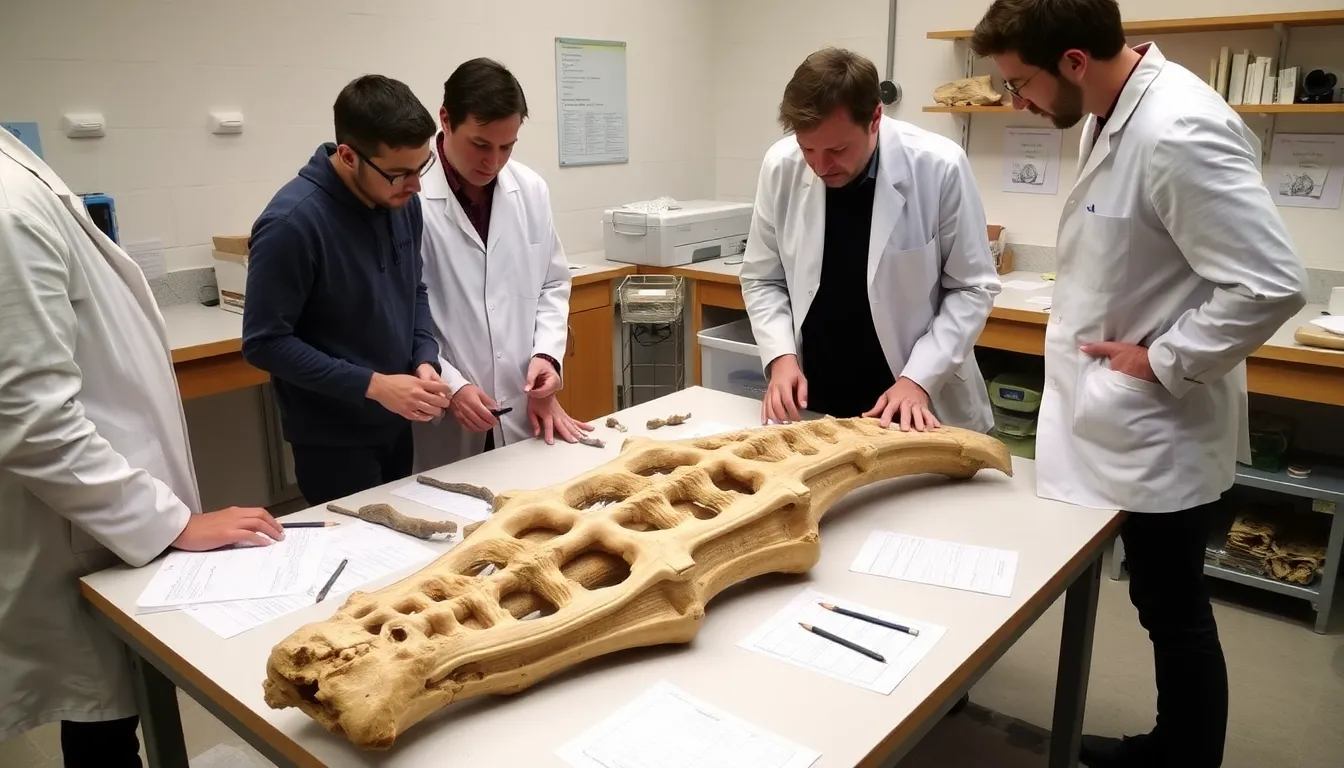
The discovery of ancient bone fragments potentially linked to legendary war elephants crossing the Alps offers a unique perspective on historical military strategies and the logistics of ancient warfare. This finding not only enhances our understanding of Hannibal’s campaign against Rome but also opens avenues for further archaeological exploration in the region. The implications of this research extend beyond historical curiosity, prompting a reevaluation of how ancient civilizations mobilized resources and adapted to challenging terrains.
As scholars delve deeper into this topic, the intersection of archaeology and history may yield new insights into the cultural significance of war elephants and their role in shaping military tactics. The potential for additional discoveries in the Alps could lead to a more nuanced understanding of the relationships between different ancient cultures and their technological innovations.
- Monitor ongoing archaeological efforts in the Alps for further discoveries related to ancient military campaigns.
- Examine how the findings may influence interpretations of Hannibal’s strategies and the broader context of the Punic Wars.
- Consider the implications for understanding the logistics of ancient warfare, particularly in difficult terrains.
- Explore the cultural significance of war elephants in various ancient civilizations and their impact on military history.
- Stay informed about interdisciplinary research that combines archaeology, history, and technology to enhance our understanding of ancient events.