
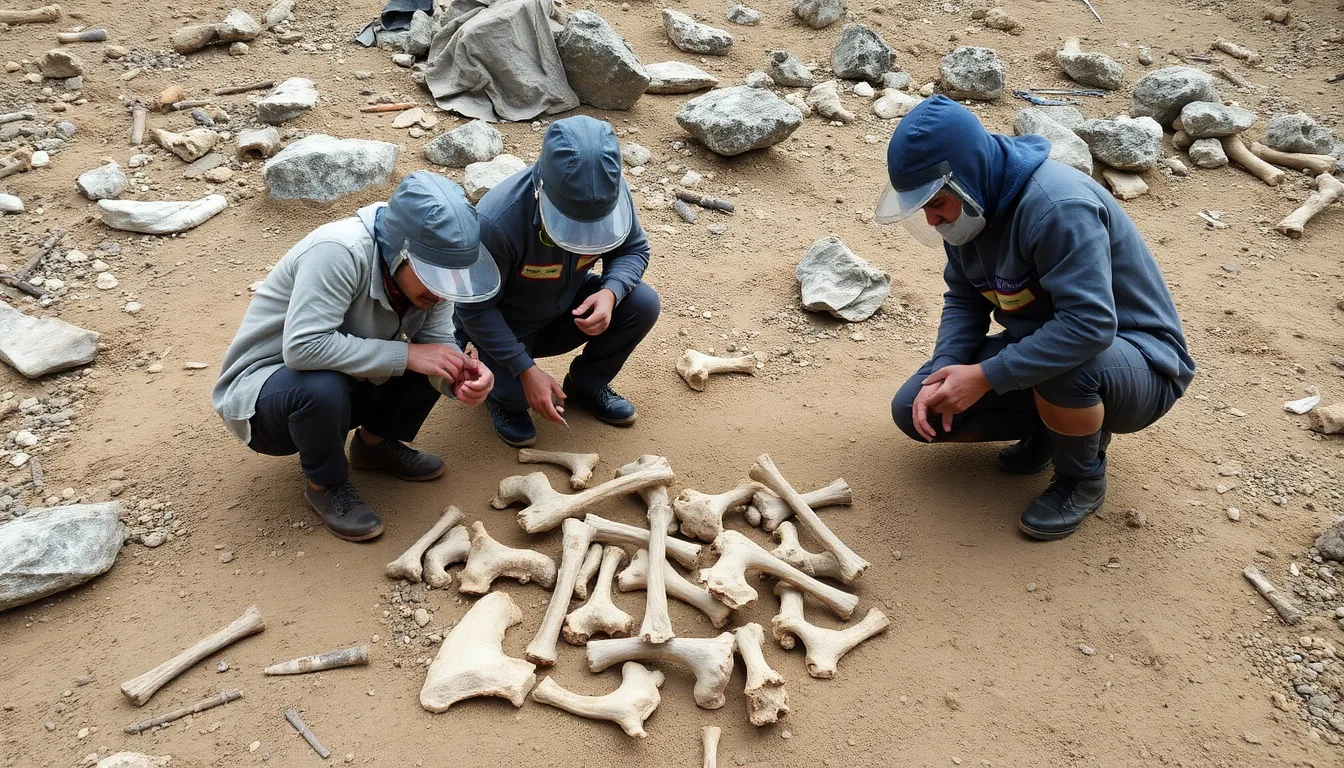
The bones, found at a site near the historic route taken by Hannibal, have been dated to the same period as the war. This discovery adds a tangible element to a story that has long been debated among historians, raising questions about the logistics and feasibility of such a crossing with large animals.
Experts believe that if these bones are confirmed to be from war elephants, it could provide crucial evidence supporting Hannibal’s strategic maneuvers. The implications of this finding extend beyond historical curiosity, as it may reshape our understanding of ancient military tactics and animal usage in warfare.
The ongoing analysis of the bones, along with other artifacts found at the site, is expected to take several months. As researchers work to validate their findings, the academic community is closely monitoring the developments, highlighting the potential for a significant shift in the narrative surrounding one of history’s most famous military campaigns.
Understanding the historical significance of war elephants
War elephants have long been a symbol of military might, used by various civilizations throughout history to intimidate enemies and gain strategic advantages in battle. Their use dates back to ancient times, with notable examples found in Indian, Persian, and Carthaginian armies. The most famous instance of war elephants is perhaps that of Hannibal Barca, the Carthaginian general who famously crossed the Alps during the Second Punic War in 218 BC, leading a contingent of elephants into Italy to confront the Roman Republic.
The crossing of the Alps was not just a remarkable military maneuver but also a testament to the logistical challenges and political ambitions of the time. Hannibal’s campaign aimed to disrupt Roman dominance in the Mediterranean, and the use of elephants was intended to instill fear and confusion among Roman troops. The legendary journey, fraught with peril, showcased the resilience and determination of Hannibal and his forces, marking a pivotal moment in the history of warfare.
The role of elephants in ancient warfare
Elephants were not only employed for their size and strength but also for their psychological impact on the battlefield. The sight of these massive creatures charging towards enemy lines could cause panic and disarray. Various cultures adapted their strategies around the use of elephants, training them for combat and integrating them into their military formations. This practice influenced the tactics of subsequent armies and left a lasting legacy on the art of war.
Recent archaeological discoveries, including the finding of ancient bones, have reignited interest in Hannibal’s legendary crossing. These findings may provide crucial evidence supporting the historical accounts of elephants traversing the treacherous Alpine terrain, further illustrating the broader social and political dynamics of the time.
The intersection of history, archaeology, and military strategy continues to fascinate scholars and enthusiasts alike. As researchers delve deeper into the past, each discovery offers new insights into the complexities of ancient warfare and the enduring legacy of figures like Hannibal, whose audacious tactics have influenced military thought for centuries.
Experts weigh in on the implications of the discovery
The recent discovery of an ancient bone, believed to belong to a war elephant, has sparked interest among historians, archaeologists, and various stakeholders. This finding could potentially validate the legendary account of Hannibal’s crossing of the Alps during the Second Punic War, a narrative that has been debated for centuries.
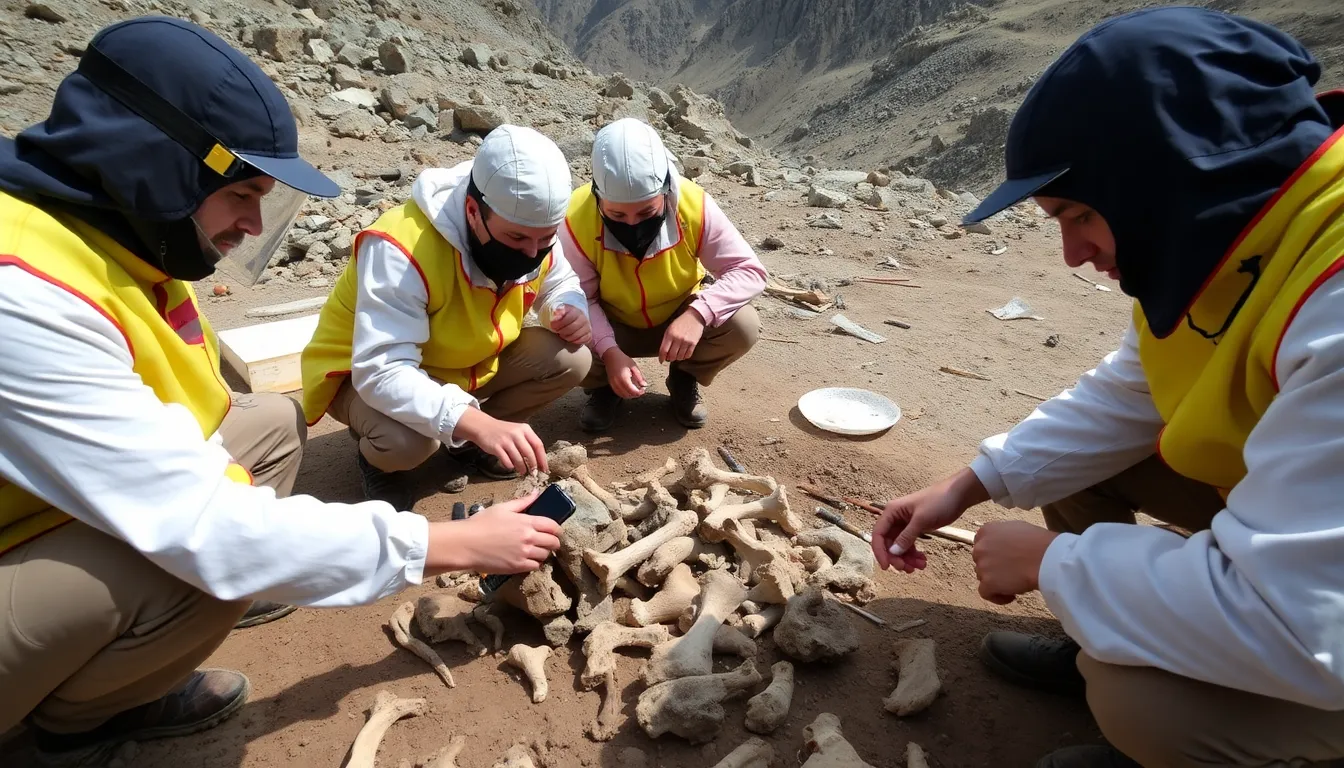
Key actors in this discussion include academic institutions, such as universities and research organizations, which are focused on furthering historical understanding and archaeological research. Additionally, governments of countries involved in the historical context, particularly Italy and Spain, may have vested interests in promoting their cultural heritage and tourism based on this discovery.
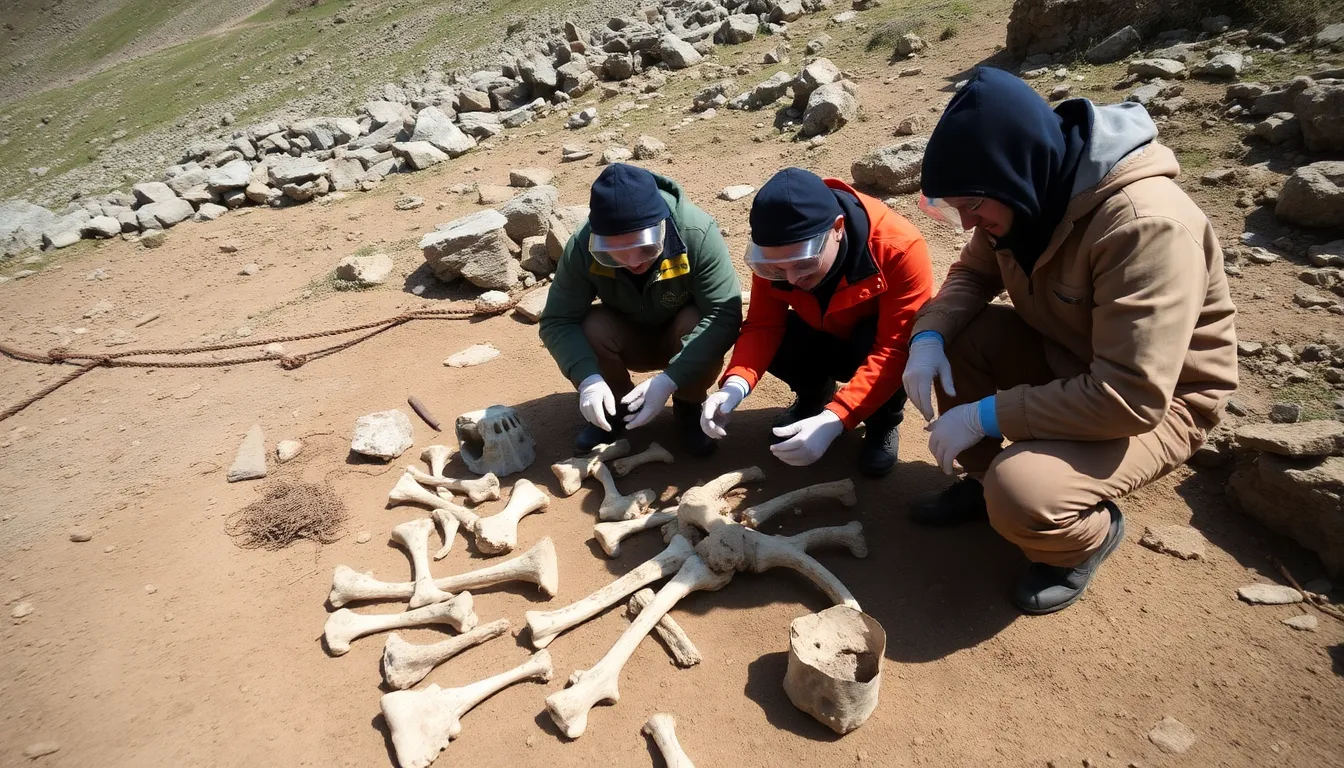
However, the implications of this finding are not without conflict. There are concerns regarding the conservation of archaeological sites and the ethical considerations of excavating historical artifacts, making it essential to navigate the trade-offs between advancing knowledge and preserving the integrity of ancient sites.
- Academic Institutions: Interested in research opportunities and historical validation.
- Governments: Focused on cultural heritage and tourism revenue.
- Environmental Groups: Concerned about the ecological impact of excavation activities.
- Local Communities: May have differing views on the benefits of tourism versus preservation.
- Legal Experts: Engaged in discussions about ownership and the legal status of artifacts.
As the debate unfolds, it is crucial for all parties involved to engage in constructive dialogue to ensure that the historical significance of such discoveries is balanced with ethical and environmental considerations.
Potential impact on historical narratives and tourism
The discovery of an ancient bone that may substantiate the legendary crossing of war elephants over the Alps during the time of Hannibal has the potential to significantly affect various groups and industries. Historians, archaeologists, and educators will find their narratives enriched, prompting a reevaluation of historical events and their implications. This new evidence could lead to a renaissance in the study of ancient military tactics and cross-cultural interactions in Europe.
Tourism, particularly in regions associated with the Alps and Hannibal’s route, stands to benefit immensely from this discovery. Local economies that rely on historical tourism may experience a surge in interest, leading to increased foot traffic in museums, historical sites, and guided tours. This could result in short-term boosts in revenue for businesses that cater to tourists, such as restaurants, hotels, and souvenir shops.
However, there are risks associated with this newfound attention. The potential influx of tourists may strain local infrastructure and resources, leading to challenges in managing increased traffic and environmental concerns. Additionally, the commercialization of historical narratives could dilute the authenticity of the sites, as businesses may prioritize profit over preservation.
- Short-term impacts: Increased tourism revenue and heightened interest in local history.
- Mid-term impacts: Potential strain on local resources and infrastructure.
- Opportunities: Development of new educational programs and historical exhibitions.
In terms of policy, local governments may need to reassess zoning and tourism management strategies to accommodate the expected growth in visitors. This could lead to the implementation of new regulations to protect historical sites while fostering economic growth. The balance between preservation and profit will be crucial as communities navigate the implications of this significant archaeological find.
A: The ancient bone may provide crucial evidence that supports the historical accounts of war elephants crossing the Alps, a significant event in ancient military history. A: The bone was discovered during an archaeological dig in a region known for its historical significance related to the Roman Empire and its military campaigns. A: War elephants were used in ancient battles for their size and strength, playing a crucial role in military strategies of the time, particularly in the context of the Punic Wars. A: If confirmed, this discovery could attract more tourists to historical sites related to the Roman Empire and the legendary crossing, boosting local economies. A: Yes, there have been various archaeological finds that shed light on ancient warfare, including weapons, armor, and other artifacts that help us understand military tactics of the time.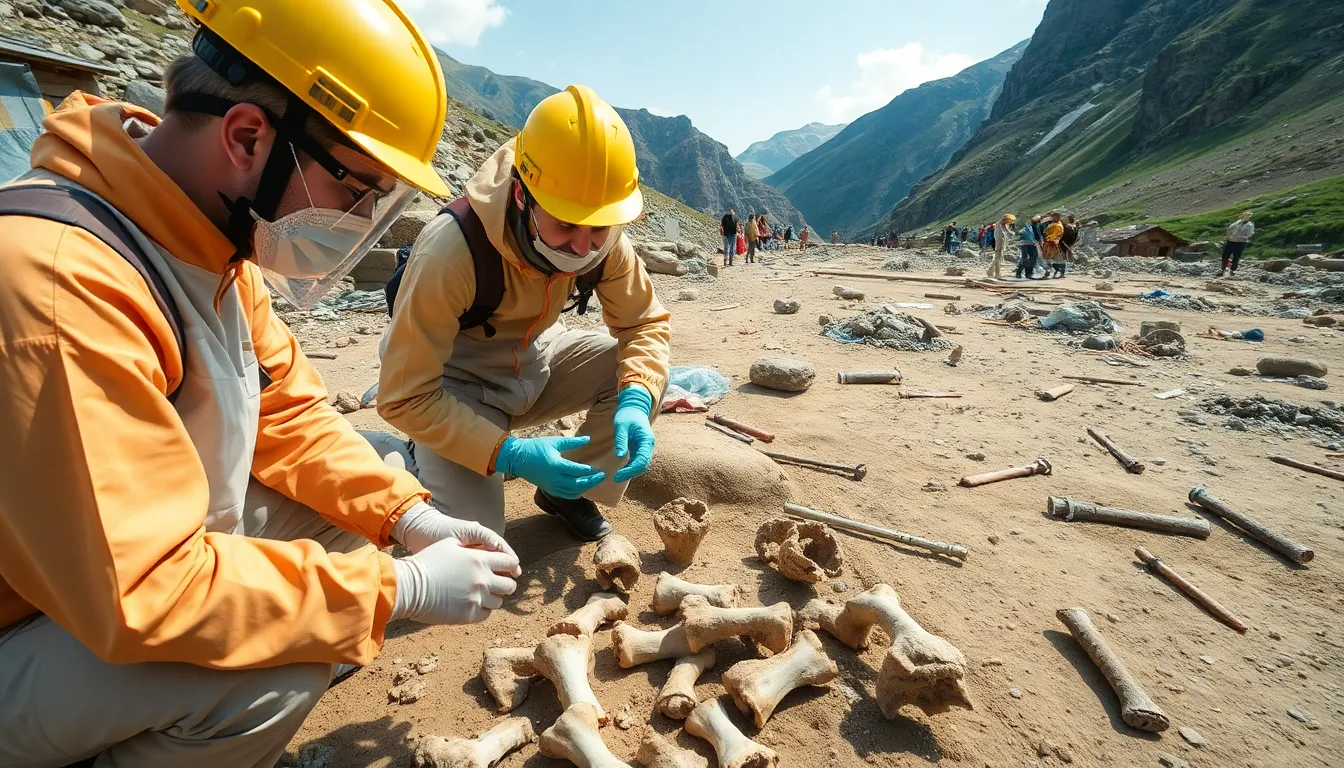
Frequently asked questions about the discovery
Key takeaways and future research directions
The recent discovery of an ancient bone has reignited interest in the legendary crossing of the Alps by war elephants, a pivotal moment in history often attributed to Hannibal during the Second Punic War. This finding not only provides tangible evidence that such an event could have occurred, but it also opens avenues for further exploration into the logistics and impact of such a monumental journey. Understanding the role of these elephants could reshape our comprehension of military strategies and the cultural exchanges between civilizations during that period.
As researchers delve deeper into the implications of this discovery, several key areas warrant attention. The interplay between historical accounts and archaeological evidence will be crucial in painting a clearer picture of ancient military endeavors and the challenges faced during such expeditions.
- The potential for further archaeological discoveries in the Alps that could provide more context to Hannibal’s journey.
- Insights into the training and care of war elephants, which may influence our understanding of ancient military logistics.
- The impact of this finding on historical narratives surrounding the Second Punic War and its key figures.
- Opportunities for interdisciplinary research combining archaeology, history, and biology to study ancient animal domestication.