
However, government actions aimed at tightening immigration rules may lead to a decrease in the number of new arrivals. The Home Office has proposed stricter visa regulations and increased scrutiny of work permits, which could deter skilled workers and international students from choosing the UK as their destination. For further context, see our article on Bank of England maintaining interest rates amid inflation concerns.
This shift in migration trends is crucial as it has direct implications for the UK economy. The labour market, which has been heavily reliant on migrant workers, particularly in sectors such as healthcare, hospitality, and agriculture, could face significant challenges if migration declines. The potential shortage of workers may exacerbate existing supply chain issues and inflationary pressures.
Furthermore, the economic landscape is also influenced by public sentiment and political discourse surrounding immigration. Recent surveys indicate a mixed public perception, with some segments of the population expressing concerns over the impact of migration on local services and job opportunities, while others highlight the contributions of migrants to economic growth and diversity. Understanding this dynamic is crucial, as detailed in our post on common inquiries about migration trends.
As the year progresses, the interplay between government policy, public opinion, and migration trends will be pivotal in shaping the UK’s economic outlook. Observers are closely monitoring these developments to assess their long-term effects on the economy and society.
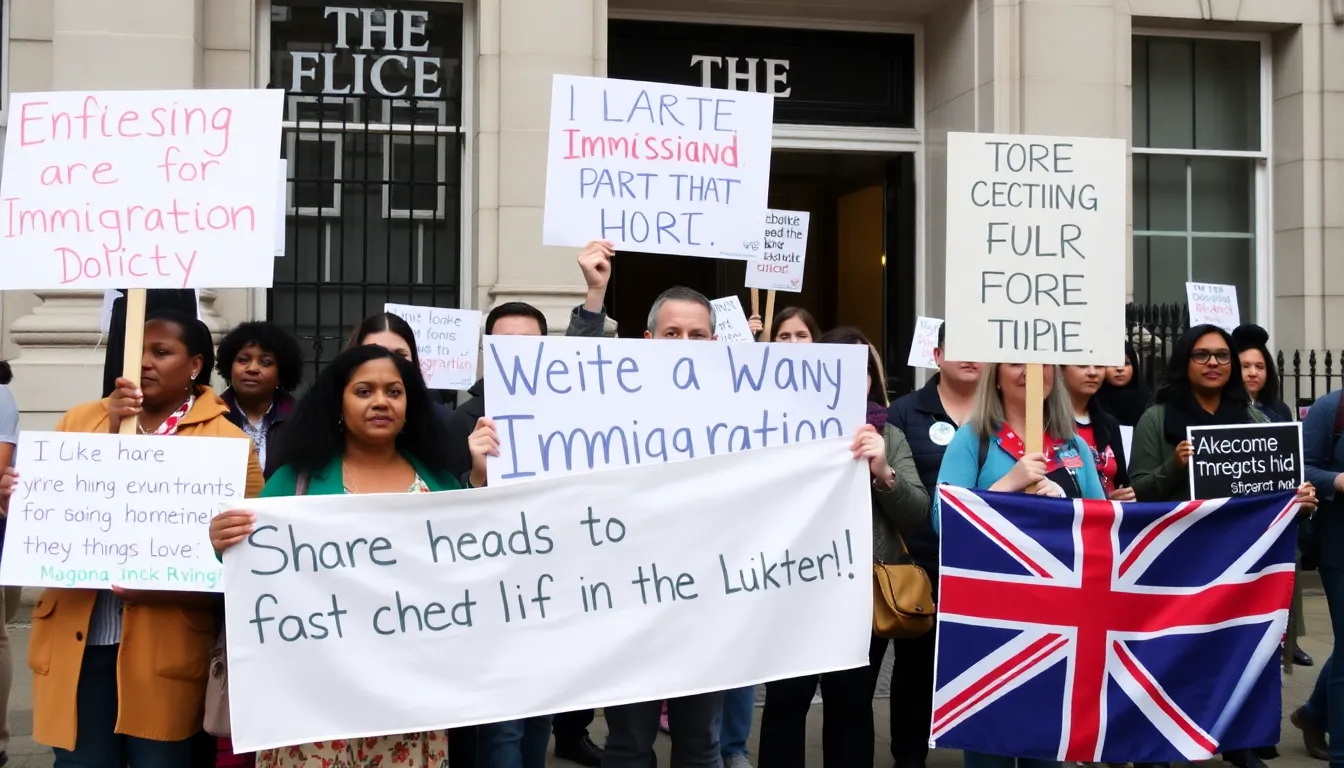
Exploring the background of migration policies in the UK
The landscape of migration in the UK has undergone significant changes over the past few decades, influenced by a combination of political decisions, economic demands, and social attitudes. Historically, the UK has been a destination for migrants seeking better opportunities, with waves of immigration from Commonwealth countries, Europe, and beyond. However, the political climate surrounding migration has shifted dramatically, especially in the wake of events such as Brexit and the ongoing debates over national identity and security. For more insights, check our analysis on addressing sewage pollution and national reform.
One of the key milestones in shaping current migration policies was the 2016 Brexit referendum, where a majority of voters opted to leave the European Union. This decision not only signified a desire for greater control over immigration but also led to the introduction of a points-based immigration system in January 2021. This system aimed to prioritize skilled workers and reduce the number of low-skilled migrants entering the country, reflecting a broader trend towards stricter immigration controls.
Economically, the UK has relied heavily on migrant labor across various sectors, including healthcare, agriculture, and hospitality. As the pandemic highlighted vulnerabilities in the labor market, the potential for a decrease in migration could exacerbate existing shortages and impact economic recovery. The government’s focus on reducing immigration numbers could lead to a labor crisis in industries that depend on foreign workers, raising questions about the long-term sustainability of such policies.
Social Implications of Migration Policy
The social implications of migration policies are profound, affecting community dynamics and public perception. Rising anti-immigrant sentiment, fueled by political rhetoric and media portrayal, has contributed to a climate of fear and division. The impact of these policies extends beyond economics, influencing social cohesion and the integration of migrants into British society. As the UK grapples with its identity post-Brexit, the future of migration remains a contentious issue, with potential ramifications for both the economy and social fabric of the nation.
Analyzing key stakeholders and their positions on migration
The debate surrounding UK migration involves a variety of stakeholders, each with distinct interests and perspectives. Key actors include the UK government, businesses, immigration advocacy groups, and the general public. Understanding their positions is crucial for assessing the potential economic impact of migration trends in the coming year.
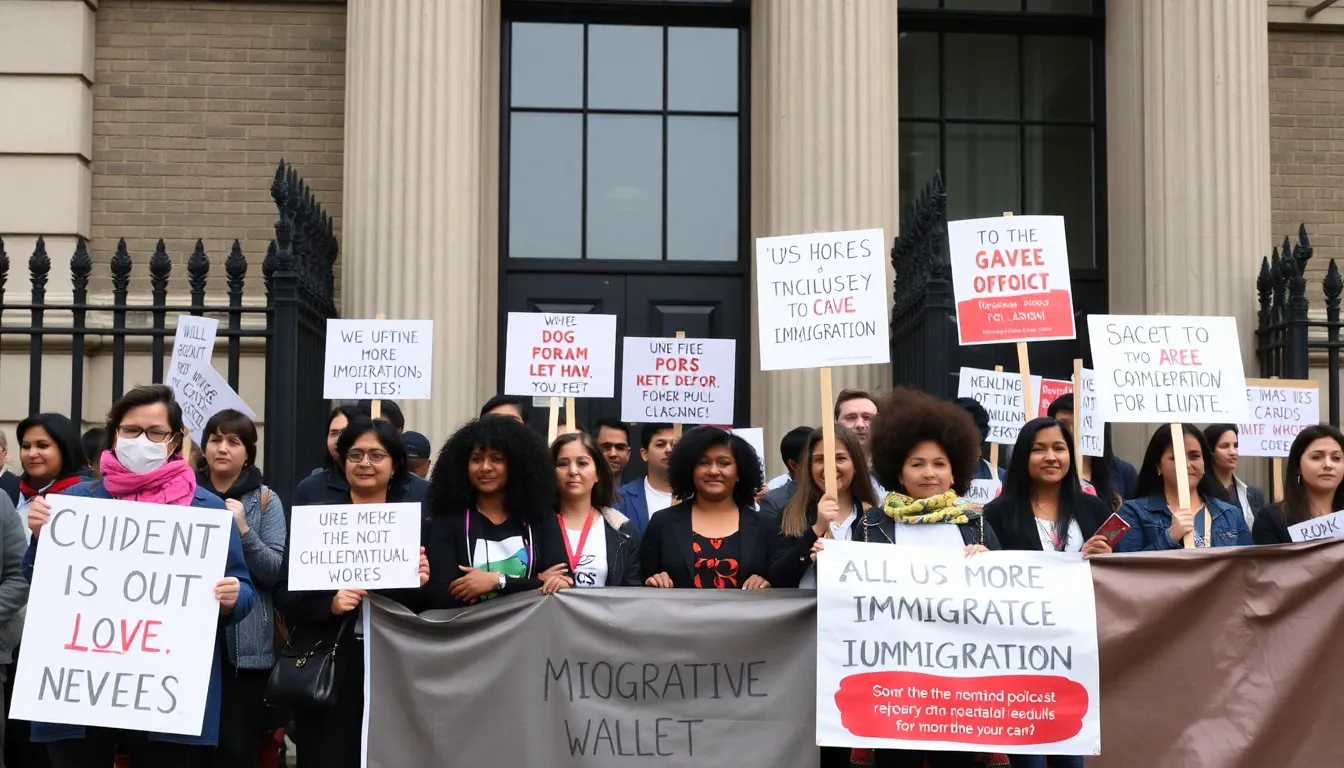
The UK government, particularly under the current administration, has focused on reducing immigration numbers as part of its broader agenda. This stance is driven by concerns over public services, housing, and job competition. However, there is a growing recognition that a decline in migration could lead to labor shortages in critical sectors, such as healthcare and hospitality, which rely heavily on migrant workers.
Businesses, especially those in industries facing labor shortages, have a vested interest in maintaining a steady flow of migrants. Many employers argue that restrictions on migration could hinder economic growth and innovation. In contrast, some sectors believe that prioritizing local employment is essential for community stability and workforce development.
Immigration advocacy groups argue that migrants contribute significantly to the UK economy, filling vital roles and driving diversity. They highlight the potential negative consequences of reduced migration, including decreased consumer spending and a slowdown in economic recovery post-pandemic. This perspective emphasizes the need for policies that balance the interests of the economy with humanitarian considerations.
- The UK government aims to control migration for public service sustainability.
- Businesses advocate for migrant labor to address workforce shortages.
- Immigration groups stress the economic contributions of migrants.
- The general public is divided, with some supporting stricter controls and others favoring open borders for economic growth.
- Potential legal challenges may arise from policies perceived as discriminatory or overly restrictive.
Assessing the economic impact of reduced migration
The potential decline in migration to the UK this year could have far-reaching implications for various groups and sectors. Key industries that rely heavily on migrant labor, such as hospitality, agriculture, and construction, may face significant challenges. These sectors often depend on a steady influx of workers to fill roles that are difficult to staff with local talent, leading to potential labor shortages.
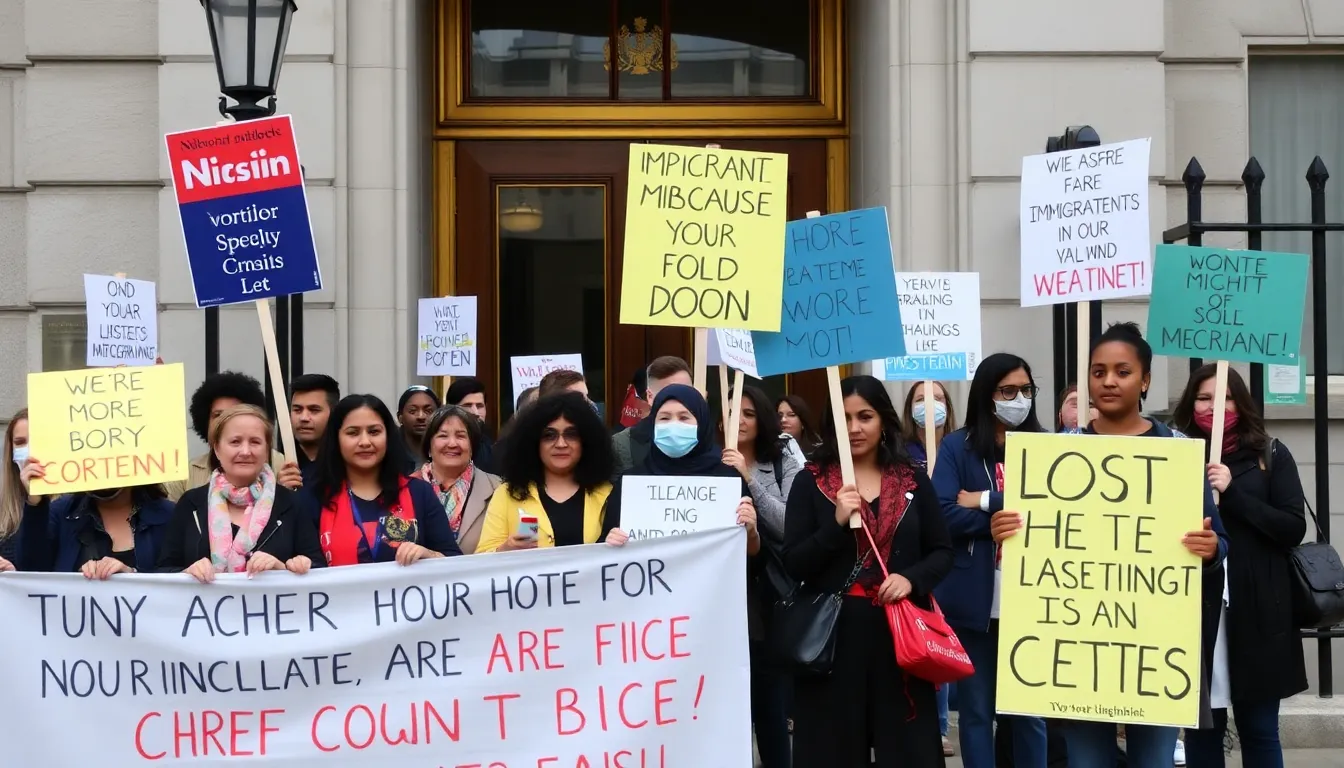
In the short term, businesses may struggle to maintain productivity levels. The hospitality sector, for instance, could see reduced service quality and longer wait times as restaurants and hotels grapple with staffing issues. Similarly, agricultural producers might experience delays in harvesting crops, leading to increased food prices and potential waste. This could also affect consumers, who may notice a rise in costs for everyday goods.
In the mid-term, the impact on local economies could become more pronounced. Regions that heavily depend on migrant labor, such as rural areas and major urban centers, may experience slower economic growth.
- Labor shortages could drive up wages in some sectors, increasing operational costs for businesses.
- Local services, including healthcare and education, may also feel the strain as the population dynamics shift.
- Policy responses may emerge, aiming to attract skilled workers or incentivize local employment, which could reshape the labor market.
However, there are also potential opportunities that could arise from this situation. Businesses may be prompted to invest in automation and technology to compensate for labor shortages, leading to increased efficiency and innovation. Additionally, a focus on training and upskilling local workers could enhance the overall workforce quality, benefiting the economy in the long run.
Overall, while the risks associated with reduced migration are significant, the response from businesses and policymakers could lead to a transformative period for the UK economy, fostering resilience and adaptability in the face of changing labor dynamics.
A: The anticipated decline in UK migration is attributed to stricter immigration policies, economic uncertainties, and changing global migration patterns. These factors may deter potential migrants from choosing the UK. A: Reduced migration could lead to labor shortages in key sectors, particularly in industries that rely heavily on foreign workers. This may result in increased wages for certain jobs but could also slow down economic growth. A: Long-term effects may include a decrease in consumer spending, reduced innovation, and slower economic expansion. A smaller workforce can hinder productivity and competitiveness in the global market. A: Some argue that decreased migration may lead to better integration of existing communities and reduced pressure on public services. It could also provide opportunities for local workers to fill available jobs. A: Many businesses express concern over a potential decline in migration, fearing it could limit their access to skilled labor and negatively impact their operations and growth potential.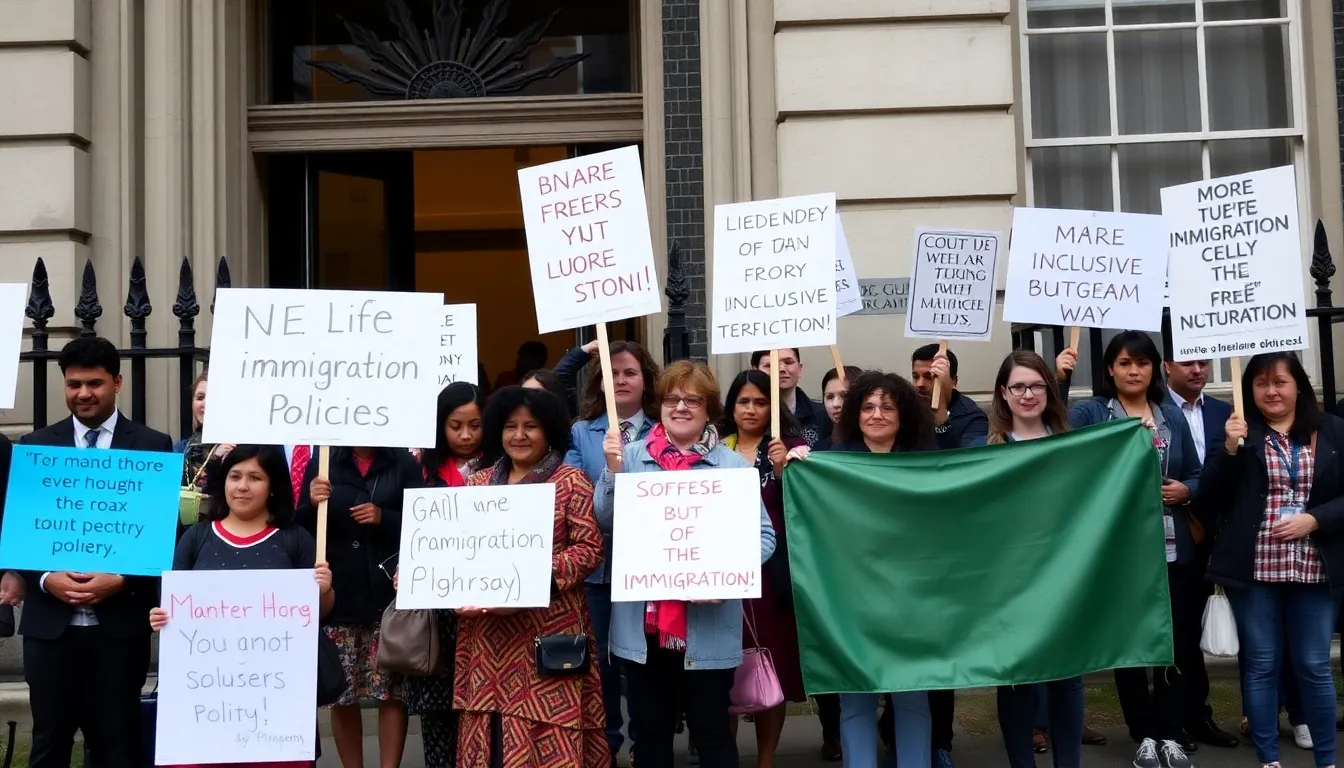
Frequently asked questions about UK migration and the economy
Key takeaways and future outlook on UK migration
The potential decline in UK migration this year raises important questions about the future of the economy. As businesses grapple with labor shortages and the demand for skilled workers continues to grow, the implications of reduced migration could be profound. Economic growth may slow, impacting various sectors, particularly those reliant on foreign talent. Monitoring these trends will be crucial for understanding the broader economic landscape.
Stakeholders should remain vigilant as shifts in migration patterns could influence consumer spending, housing markets, and overall economic stability. Policymakers, businesses, and communities will need to adapt to these changes, ensuring that the UK remains an attractive destination for talent and investment.
- Watch for potential labor shortages in key industries, particularly healthcare and technology.
- Monitor changes in consumer behavior as migration impacts population growth and spending power.
- Consider the implications for housing markets, especially in urban areas where demand may shift.
- Evaluate how businesses adapt their recruitment strategies in response to a tighter labor market.
- Stay informed on government policies that may affect migration and labor market dynamics.