
Located in Southwell, Nottinghamshire, the original Bramley apple tree is believed to be over 200 years old, having been planted in 1809. It is not only a vital part of local heritage but also a key contributor to the British apple industry, with its fruit being used in numerous recipes and products across the country, such as those featured in many traditional British meals.
The potential sale of the site has sparked a debate about the future of the tree, as new ownership could lead to its removal or destruction. Local authorities and conservation groups are now advocating for measures to protect the tree, emphasizing its cultural and historical value to the community, much like how current debates on environmental issues highlight the importance of preserving heritage.
As discussions continue, stakeholders are exploring options for the tree’s preservation, including potential relocation to a more secure site. The urgency of the situation has prompted a rallying call for public support to ensure that this iconic tree is safeguarded for future generations, reflecting similar sentiments expressed when discussing modern issues, such as the challenges in maintaining cultural values.
Understanding the significance of the Bramley apple tree
The Bramley apple tree, a variety that has become synonymous with British baking, has a rich history dating back to the early 19th century. Discovered in 1809 by a young girl named Mary Ann Brailsford in Southwell, Nottinghamshire, the tree has since produced apples that are celebrated for their juicy, tart flavor and are a staple in many traditional recipes, particularly for pies and crumbles. The tree’s heritage is not just culinary; it represents a significant part of the agricultural landscape in the UK, contributing to local economies and cultural identity.
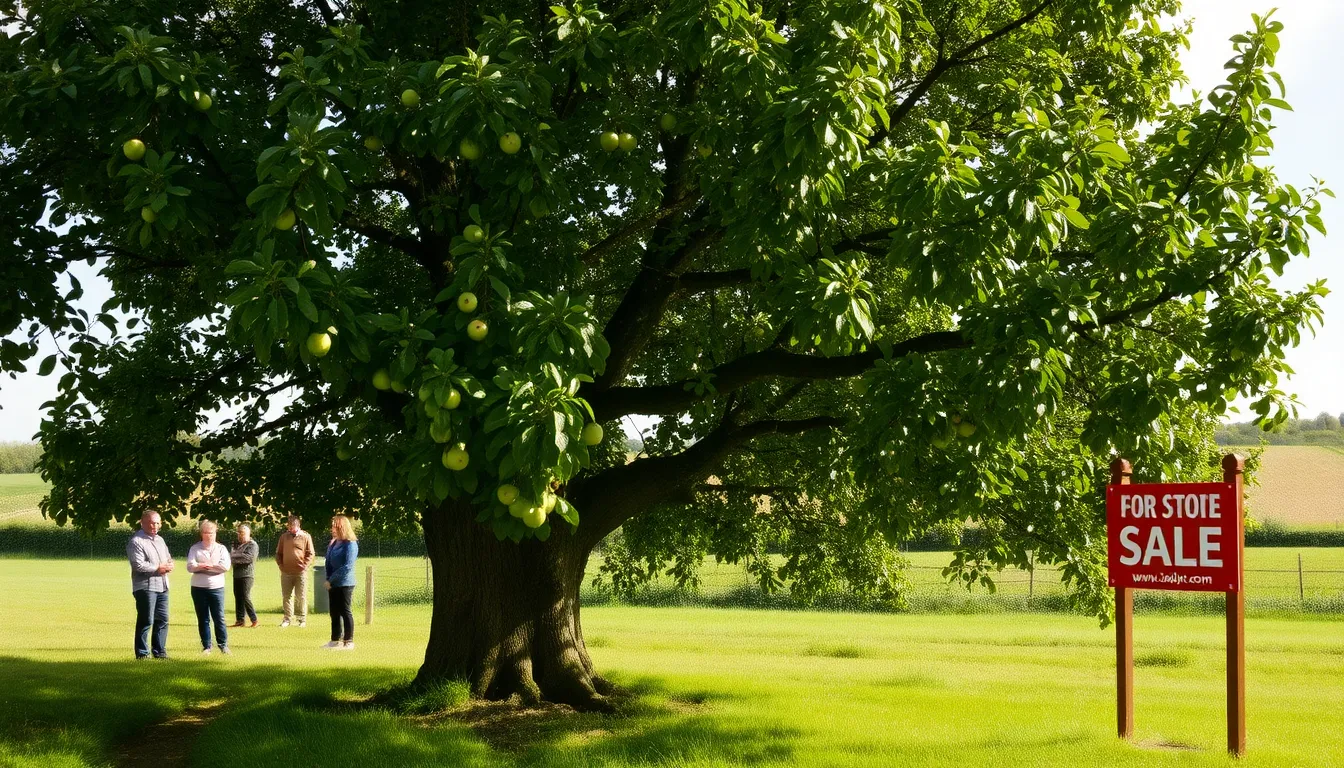
In recent years, the economic viability of apple farming has faced challenges due to changing consumer preferences, climate change, and competition from imported fruits. The Bramley apple, while beloved, is particularly susceptible to these pressures, as it requires specific growing conditions that are increasingly difficult to maintain. The decision to put the site where the original Bramley apple tree grows up for sale raises concerns about the preservation of this historical variety and the potential loss of a significant agricultural asset.
The impact of land development
The sale of the land has sparked discussions about the balance between development and conservation. As urban areas expand, agricultural land is often repurposed for housing and commercial projects, threatening not only the Bramley apple tree but also other local flora and fauna. This trend has led to calls from conservationists and historians for stronger protections for sites of historical significance, particularly those that contribute to the cultural heritage of the region.
Moreover, the political landscape surrounding agricultural policies and land use has evolved, with debates on how best to support local farmers and preserve traditional varieties. The potential loss of the original Bramley apple tree serves as a poignant reminder of the need for sustainable practices that honor both heritage and progress. As stakeholders grapple with these issues, the future of the Bramley apple tree remains uncertain, highlighting the delicate interplay between history, economy, and the environment.
Key stakeholders involved in the future of the Bramley apple tree
The original Bramley apple tree, a variety renowned for its culinary qualities, is facing uncertainty as the site where it grows has been put up for sale. This situation brings various stakeholders into play, each with their own interests and concerns regarding the preservation of this historic tree.
One of the primary stakeholders is the current owner of the land, who may be motivated by financial gain from the sale. The potential buyers could include developers looking to transform the site for commercial use, which raises concerns about the future of the tree. Local conservation groups and horticultural societies are also key players, advocating for the preservation of the Bramley apple tree as part of the region’s agricultural heritage.
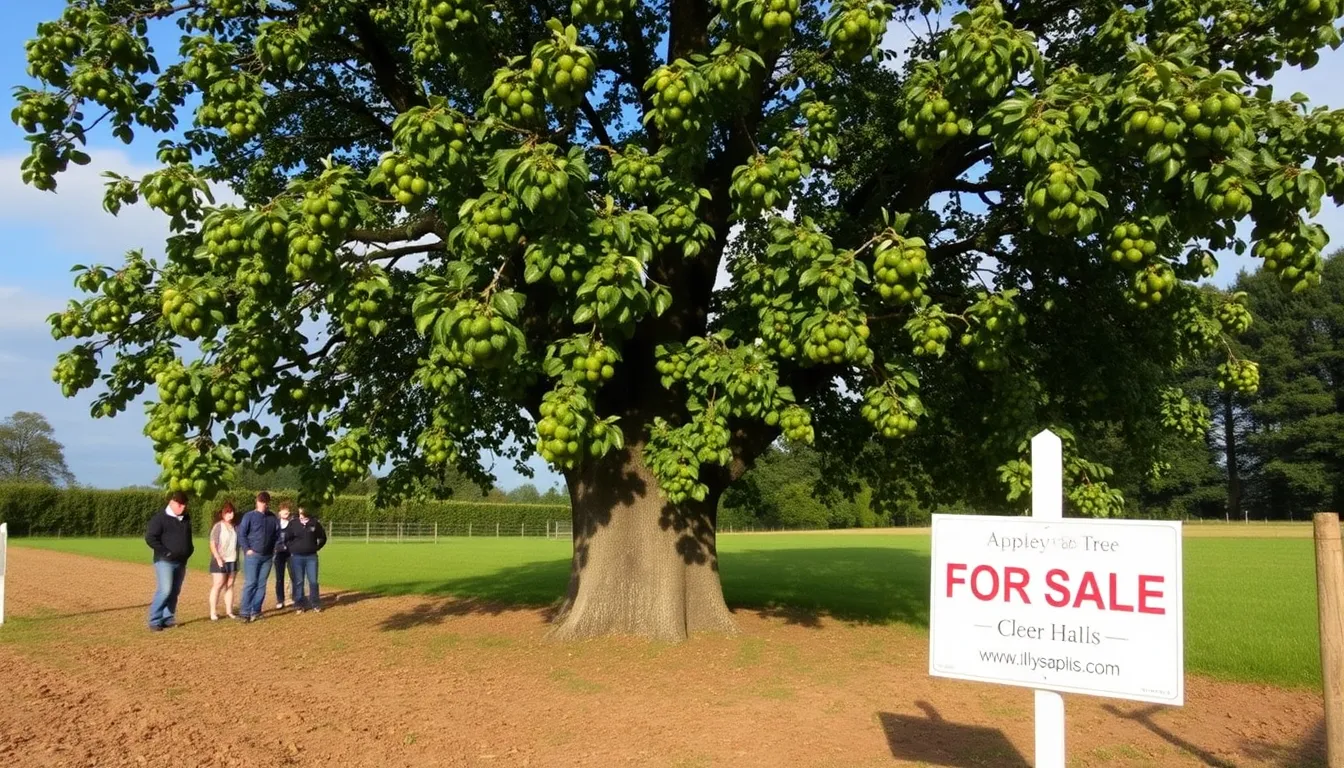
Additionally, local government authorities have an interest in maintaining the cultural significance of the Bramley apple tree, as it is tied to the identity of the area. They may face challenges in balancing development interests with conservation efforts. The legal status of the tree may also come into play, as protections for historical or significant agricultural sites could influence the outcome of the sale.
- Potential conflict between landowners’ financial interests and conservation efforts.
- Local community’s desire to preserve the tree versus possible commercial development.
- Legal implications surrounding the protection of historically significant agricultural sites.
- Economic trade-offs between development and preserving local heritage.
- The role of public opinion and activism in influencing decisions about the land.
Potential impact on local heritage and agriculture
The potential sale of the site where the original Bramley apple tree grows poses significant risks to various groups, including local farmers, agricultural businesses, and heritage conservationists. This iconic tree, which has historical significance and contributes to the region’s identity, is at the center of a community that values its agricultural legacy.
In the short term, the uncertainty surrounding the tree’s future could lead to anxiety among local apple growers and farmers who rely on the Bramley apple’s popularity. As the tree is a crucial part of the local ecosystem and agricultural landscape, its potential loss might disrupt supply chains and impact businesses that depend on this variety for cider production and other products.
Mid-term effects could include shifts in local agricultural policies if the tree is not preserved. Authorities may need to reconsider land use regulations or create protective measures for heritage plants. Additionally, the sale could spark a wider conversation about the importance of preserving local agricultural heritage, potentially leading to new initiatives aimed at protecting other historical crops.
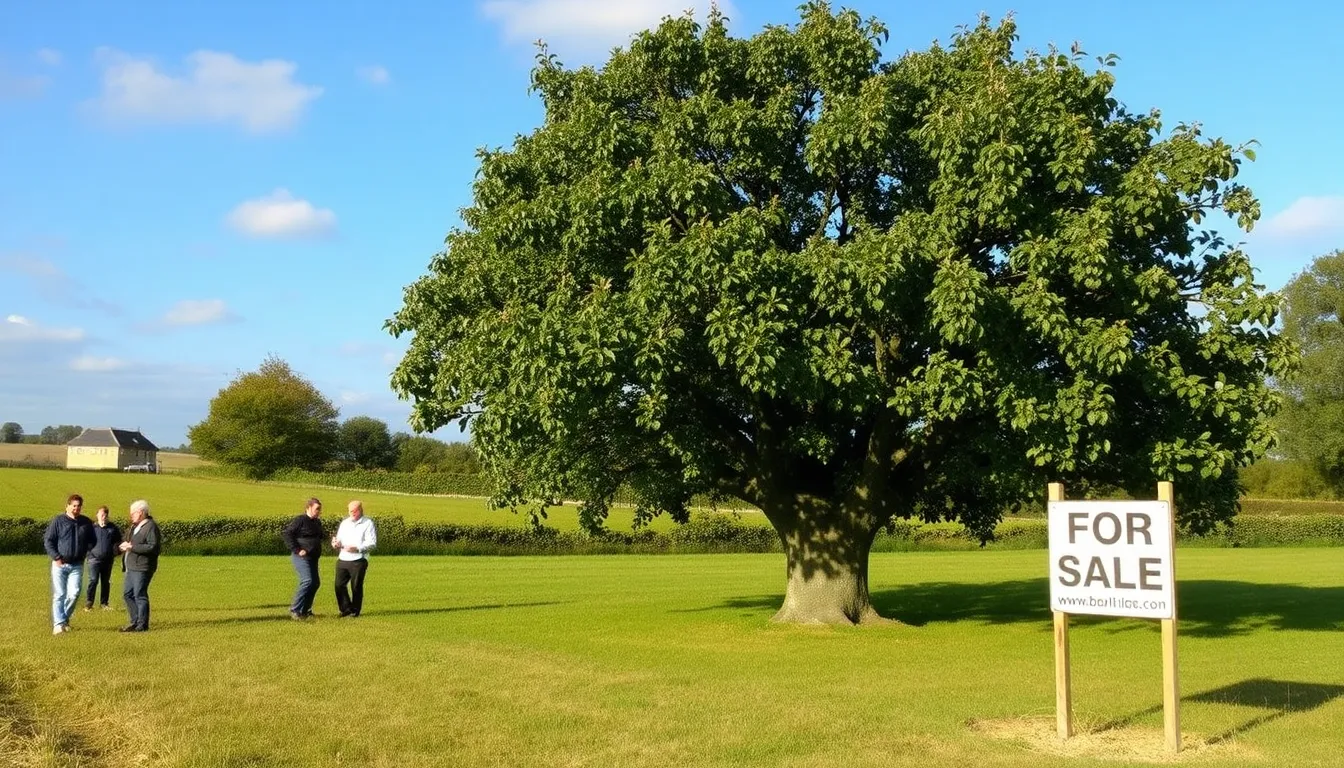
- Local farmers may face economic instability if the tree’s future is uncertain.
- Heritage conservationists may mobilize to advocate for the tree’s protection.
- Tourism could be affected, as the tree attracts visitors interested in local history and agriculture.
- New opportunities may arise for businesses focused on heritage preservation and sustainable agriculture.
Overall, while there are significant risks associated with the potential sale of the site, there are also opportunities for community engagement and the promotion of sustainable agricultural practices that could benefit the region in the long run.
A: The Bramley apple tree is historically significant as it is the original source of the Bramley apple variety, known for its culinary uses. Its preservation is crucial for maintaining agricultural biodiversity. A: The sale of the site poses a risk of development, which could lead to the tree being uprooted or destroyed. This raises concerns about the loss of a valuable heritage asset. A: Various stakeholders, including local authorities, horticultural societies, and conservation groups, play a role in advocating for the tree’s protection and potential relocation. A: The community can raise awareness, support conservation efforts, and engage with local government to ensure the tree’s future is considered in any development plans. A: Currently, there are no confirmed plans for relocation, but discussions are ongoing among stakeholders about potential options to preserve the tree.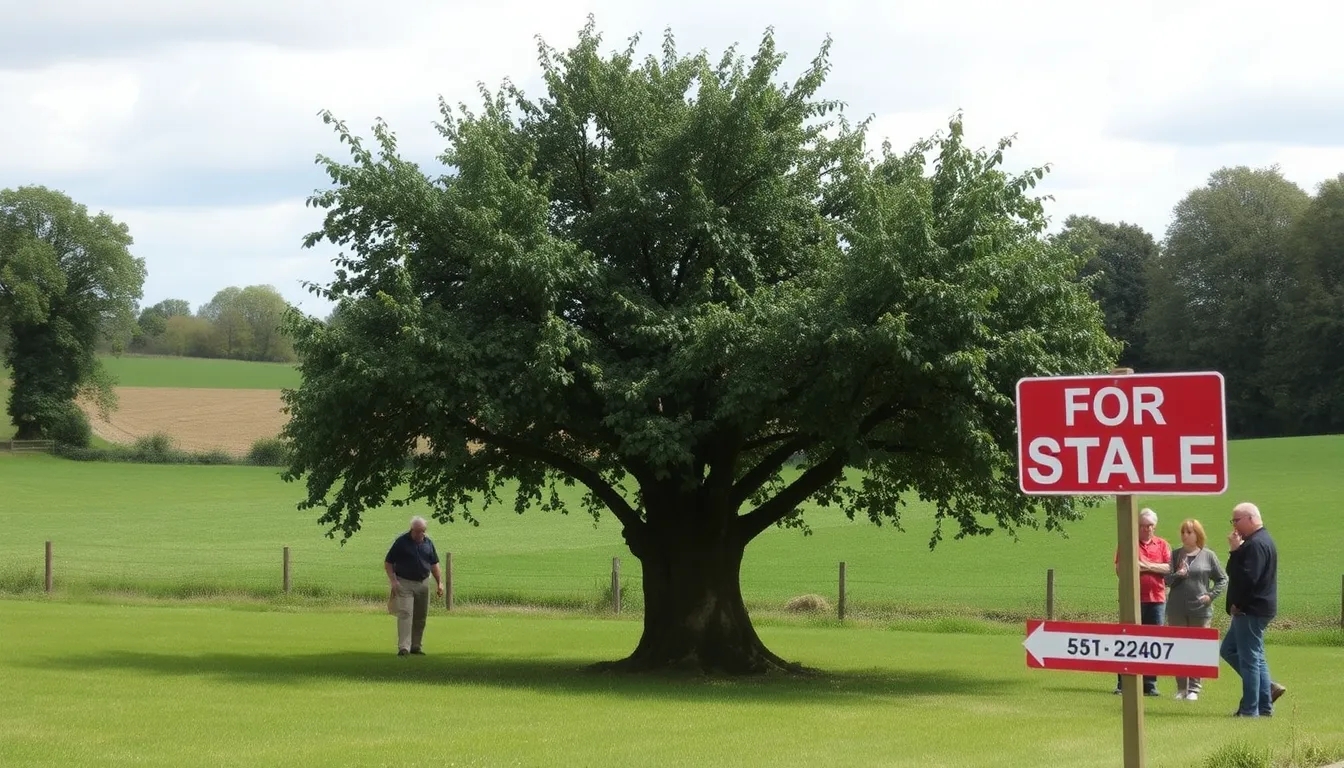
Frequently asked questions about the Bramley apple tree situation
Outlook on the preservation of the Bramley apple tree
The potential sale of the site housing the original Bramley apple tree raises significant concerns about the future of this historic variety. As interest in heritage fruits continues to grow, the fate of this particular tree highlights the delicate balance between commercial development and conservation efforts. Stakeholders must now consider strategies to ensure the tree’s protection while navigating the complexities of land ownership and local agricultural interests.
Moving forward, it will be essential to engage with local communities, conservation groups, and potential buyers to explore options that prioritize the tree’s preservation. The situation serves as a reminder of the importance of safeguarding agricultural heritage against the backdrop of modern development pressures.
- Monitor developments regarding the sale of the site and any proposals for its future use.
- Encourage local conservation efforts to raise awareness about the significance of the Bramley apple tree.
- Explore partnerships between agricultural organizations and real estate developers to find sustainable solutions.
- Consider the establishment of protective measures or designations for heritage fruit trees in the region.
- Engage the public in discussions about the value of preserving historical agricultural sites.