
In 2023, researchers from the University of Edinburgh discovered that certain rare moss species can absorb up to 30% more carbon than their more common counterparts. This finding underscores the importance of protecting these unique ecosystems, as their loss could hinder global efforts to reduce greenhouse gas emissions. Conservation efforts are now being prioritized to ensure these mosses thrive in their natural habitats.
Additionally, mosses contribute to soil health and biodiversity, creating microhabitats for various organisms. The decline of rare moss species due to habitat destruction and climate change poses a threat not only to these plants but also to the broader ecological balance. Conservationists are advocating for increased awareness and protection measures to safeguard these vital species.
As nations prepare for climate action summits, the role of rare moss species is gaining attention among policymakers and environmentalists. Their potential to enhance carbon capture strategies could play a pivotal role in achieving global climate targets set for 2030 and beyond. Collaborative efforts are essential to integrate the preservation of these species into larger climate action plans.
The ecological significance of mosses in carbon capture
Mosses, often overlooked in the grand tapestry of our ecosystems, play a crucial role in carbon capture and storage. These small, non-vascular plants have been around for over 300 million years and are vital in maintaining ecological balance. Their ability to absorb carbon dioxide from the atmosphere makes them significant players in the fight against climate change. As the world grapples with rising temperatures and increasing greenhouse gas emissions, understanding the ecological significance of mosses has never been more critical.
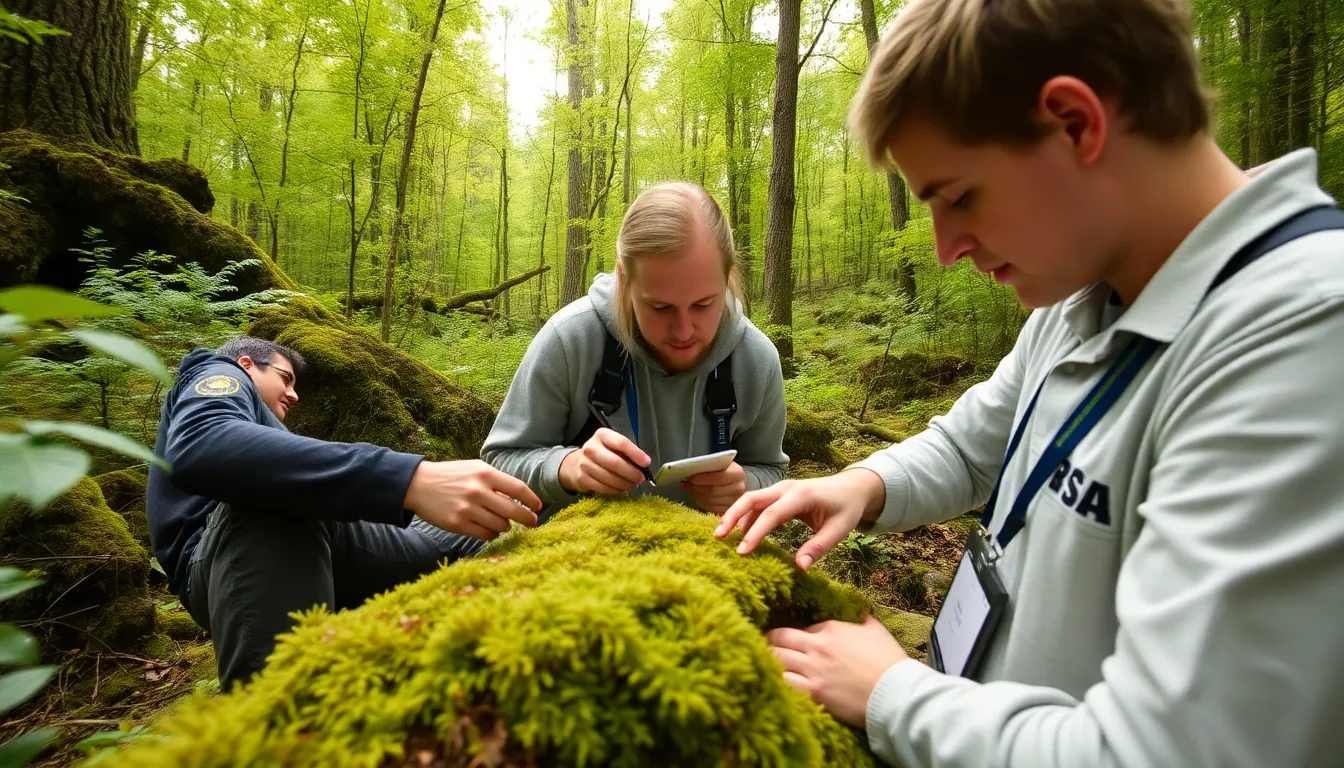
Historically, mosses thrived in diverse environments, from temperate forests to arctic tundras. However, their populations have faced threats due to habitat destruction, climate change, and pollution. The decline of these rare moss species can be traced back to industrialization in the 19th century, which led to significant deforestation and alteration of natural habitats. As urban areas expanded, the delicate ecosystems that mosses inhabit were often overlooked, leading to a dramatic decrease in their populations.
The economic implications of moss conservation
The economic value of mosses extends beyond their ecological functions. In recent years, there has been a growing interest in utilizing mosses for carbon offset projects. Companies are beginning to recognize that investing in the conservation and restoration of moss habitats can contribute to their sustainability goals. This shift in perspective highlights the potential for mosses to become a valuable asset in the green economy, encouraging further research and investment in their preservation.
In addition to their economic potential, mosses also have significant social implications. Communities that rely on healthy ecosystems for their livelihoods, such as those in rural areas, are increasingly aware of the importance of conserving these rare species. Grassroots movements are emerging, advocating for the protection of moss habitats and raising awareness about their role in climate resilience. As society shifts towards a more sustainable future, the recognition of mosses as critical components of our ecosystems is gaining momentum, similar to how coastal ecosystems play a role in mitigation strategies.
Key milestones in the conservation of rare moss species include the establishment of protected areas and the implementation of restoration projects aimed at reviving degraded habitats. Collaborative efforts between environmental organizations, scientists, and local communities have led to successful initiatives that not only protect these valuable plants but also enhance biodiversity and ecosystem services. As we move forward, it is essential to continue prioritizing the conservation of mosses to ensure their role in combating climate change is not diminished.
Key stakeholders and their interests in moss conservation
In the realm of moss conservation, various stakeholders play crucial roles, each with distinct interests that shape the landscape of environmental efforts. Among these actors are environmental organizations, governmental bodies, researchers, and local communities, all of whom contribute to the dialogue surrounding the preservation of rare moss species and their potential to mitigate climate change.
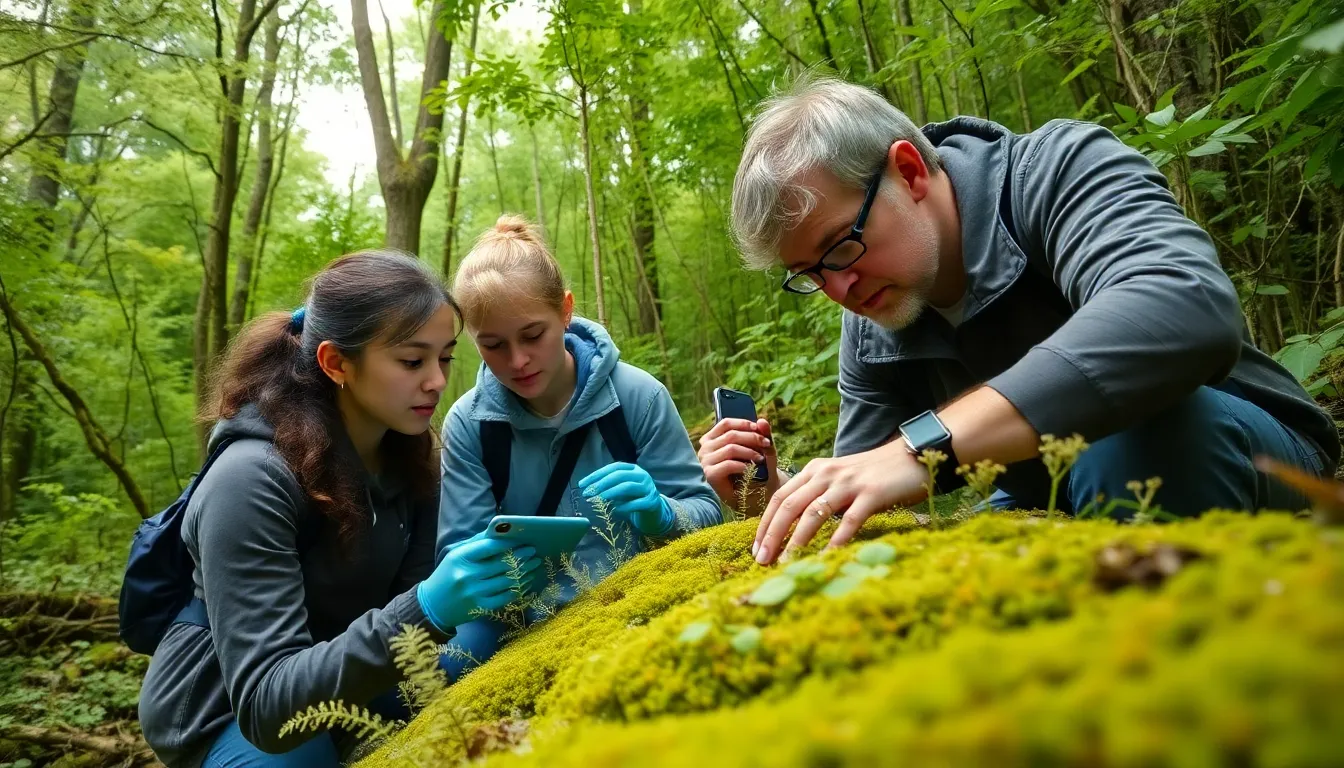
Environmental organizations, such as the Nature Conservancy and local conservation groups, are primarily focused on the protection of biodiversity and ecosystems. Their interests lie in advocating for policies that support conservation efforts, funding research, and raising public awareness about the importance of mosses in carbon sequestration. These organizations often collaborate with scientists to highlight the ecological benefits of mosses, making them a vital voice in conservation debates.
Governments also play a pivotal role in the conservation of rare moss species. National and regional authorities are tasked with creating and enforcing environmental regulations that protect natural habitats. Their interests may include balancing economic development with environmental protection, which can lead to conflicts when land use for agriculture or urban development threatens moss habitats. Additionally, governmental bodies may face pressure from industry stakeholders who prioritize economic growth over ecological considerations, making effective policy-making crucial.
Researchers contribute to the understanding of moss species and their ecological functions, often collaborating with both governmental and non-governmental organizations. Their interests include securing funding for studies that explore the role of moss in carbon capture and climate resilience. However, they may encounter challenges related to limited resources and competing priorities within the scientific community, which can affect the pace and focus of research initiatives.
- Competition for land use between conservation efforts and agricultural or urban development.
- Funding disparities that affect research on moss species and their ecological roles.
- Conflicts between local communities seeking economic opportunities and environmental regulations aimed at protecting moss habitats.
- Legal challenges related to the enforcement of conservation laws and habitat protection.
- The need for collaboration across sectors to create effective conservation strategies.
The impact of moss species on local ecosystems and climate
Rare moss species are increasingly recognized for their role in combating climate change, affecting various groups and industries. Scientists, environmentalists, and policymakers are particularly engaged in understanding how these mosses can contribute to carbon sequestration and habitat restoration. Regions rich in biodiversity, especially those with unique ecosystems, stand to gain or lose significantly depending on the health of these moss populations.
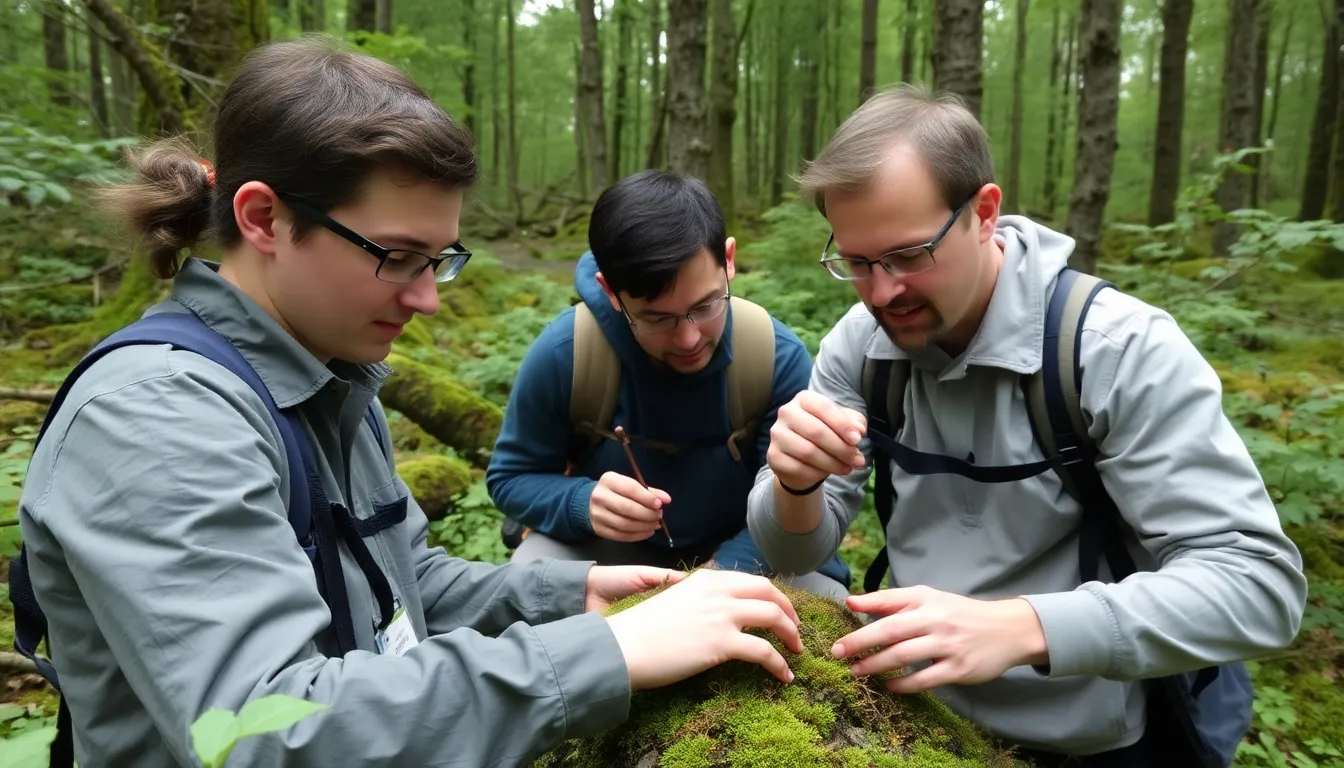
In the short term, local communities that rely on natural resources may experience changes in their environment. The preservation of rare moss species can enhance soil quality and water retention, benefiting agriculture and forestry industries. Conversely, areas that neglect these ecosystems may face increased soil erosion and reduced agricultural productivity, leading to economic strain.
Mid-term impacts could manifest in policy shifts as governments recognize the importance of protecting these species. Conservation initiatives may lead to stricter regulations on land use, affecting industries such as construction and agriculture. However, these policies could also open up new funding opportunities for conservation projects, benefiting local economies and creating jobs in green sectors.
- Risks: Loss of biodiversity, reduced agricultural yields, economic strain on communities.
- Opportunities: Job creation in conservation, improved ecosystem services, enhanced tourism in biodiverse regions.
As awareness grows, businesses may also pivot to incorporate sustainability into their practices, aligning with consumer demand for eco-friendly products. This shift could foster innovation and collaboration among industries, driving economic growth while simultaneously addressing environmental challenges.
A: Rare moss species play a crucial role in sequestering carbon dioxide from the atmosphere, thus helping to mitigate climate change. They can absorb large amounts of carbon and store it in their biomass and the soil. A: Mosses provide essential habitat for various microorganisms and small animals. They also help retain moisture in the soil, which is vital for the health of surrounding plant life. A: Rare moss species are threatened by habitat destruction, climate change, and pollution. These factors can lead to their decline and loss of biodiversity. A: Supporting conservation efforts, participating in habitat restoration projects, and raising awareness about the importance of mosses can help protect these vital species. A: Yes, rare moss species are often found in unique habitats such as peat bogs, alpine regions, and ancient forests, where they thrive in specific environmental conditions.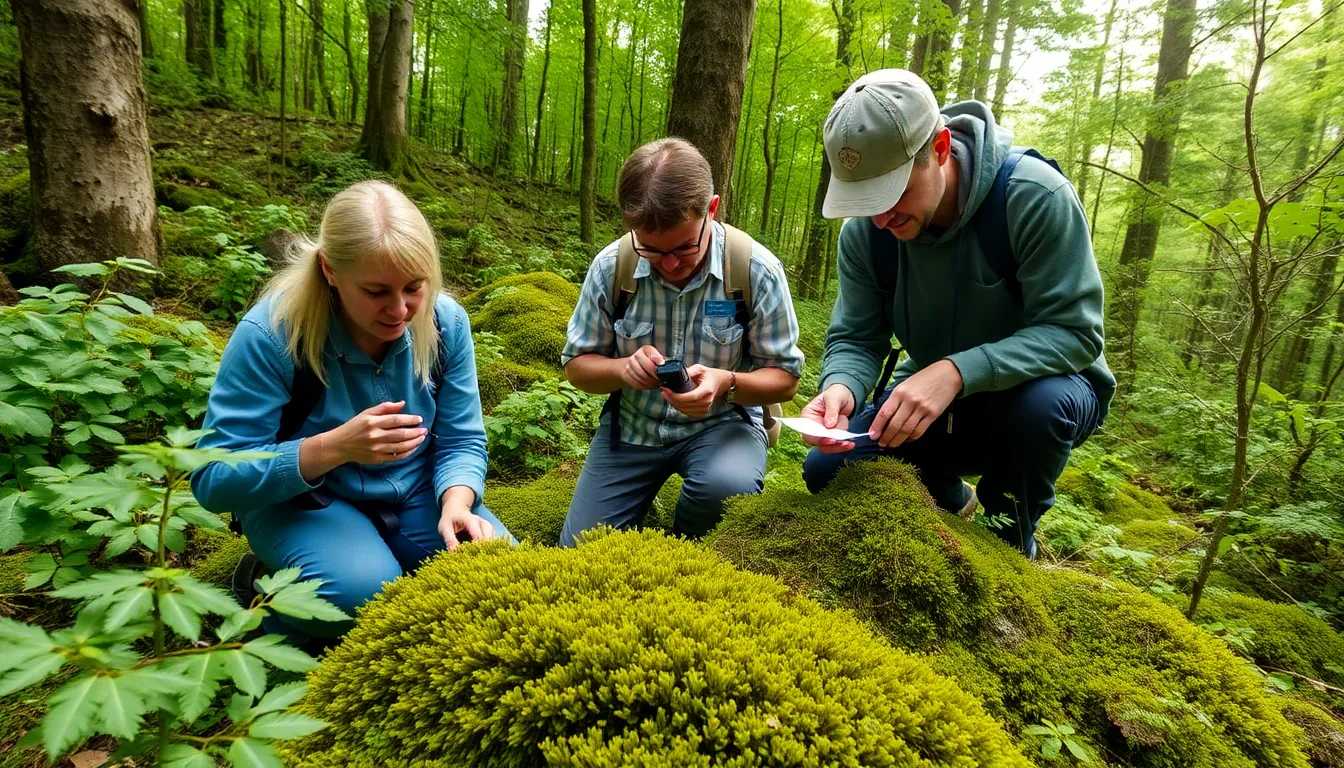
Frequently asked questions about rare moss species and climate change
Future outlook on the role of mosses in environmental sustainability
The emerging recognition of rare moss species as significant players in combating climate change highlights their potential in carbon sequestration and ecosystem restoration. As these mosses thrive in diverse habitats, their preservation and study could unveil innovative strategies for enhancing biodiversity and mitigating environmental challenges. Understanding the ecological functions of these species will be crucial for developing targeted conservation efforts and promoting sustainable land management practices.
Furthermore, the integration of mosses into urban green spaces and agricultural systems could offer practical solutions for improving air quality and soil health. As climate change accelerates, fostering a deeper appreciation for these often-overlooked organisms may inspire collective action towards a more sustainable future.
- Invest in research to explore the full potential of rare moss species in carbon capture technologies.
- Encourage conservation initiatives that focus on preserving moss habitats and promoting biodiversity.
- Integrate mosses into urban planning to enhance green infrastructure and improve environmental resilience.
- Raise public awareness about the ecological importance of mosses to foster community involvement in conservation efforts.
- Monitor the effects of climate change on moss populations to inform adaptive management strategies.