
The Australian Maritime Safety Authority (AMSA) was notified shortly after the yacht capsized, prompting a swift response from local rescue teams. Despite their efforts, the rescue operation was hampered by rough seas and poor visibility, complicating the search for survivors.
Authorities have confirmed that the deceased include the yacht’s captain and two experienced rescuers who were attempting to reach the vessel. This tragic event has raised concerns about safety protocols for recreational boating, especially during adverse weather conditions.
As investigations continue, officials are urging boaters to exercise caution and adhere to safety regulations to prevent similar tragedies in the future. The incident serves as a stark reminder of the risks associated with maritime activities, particularly in unpredictable weather.
Background on maritime safety and rescue operations
The maritime industry has long faced challenges related to safety and rescue operations, particularly in regions with treacherous waters such as the Australian coast. Historically, Australia has been a hub for maritime activities, with its extensive coastline making it a popular destination for recreational boating and yachting. However, this popularity has also led to an increase in maritime incidents, prompting ongoing discussions about the adequacy of safety regulations and rescue capabilities.
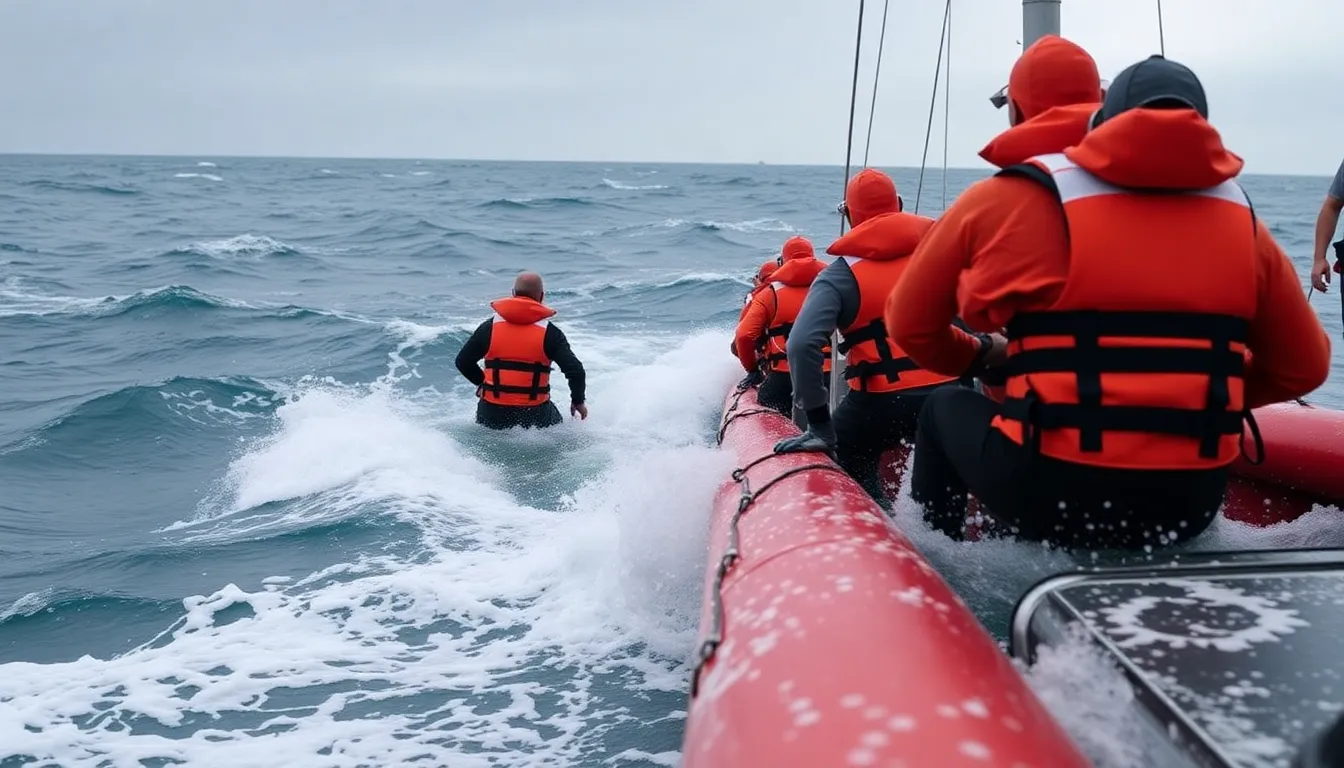
In the past, several high-profile maritime disasters have highlighted the need for improved safety measures. One notable incident was the sinking of the fishing vessel MV Trawler in 2007, which resulted in multiple fatalities and spurred the Australian government to reevaluate its maritime safety protocols. This led to the establishment of stricter regulations for vessel maintenance and crew training, as well as enhanced coordination among rescue agencies, especially in light of ongoing challenges.
Economically, the yachting industry contributes significantly to Australia’s tourism sector, generating millions in revenue. However, this economic benefit must be balanced against the risks associated with maritime activities. The Australian government has invested in advanced search and rescue technologies and training programs for emergency responders, recognizing that rapid response can be critical in saving lives during maritime emergencies.
Recent Trends in Maritime Incidents
In recent years, there has been a noticeable increase in incidents involving recreational vessels, often attributed to factors such as adverse weather conditions and a rise in the number of inexperienced sailors. The tragic sinking off the Australian coast serves as a grim reminder of these ongoing challenges, emphasizing the importance of continuous education for boaters and robust emergency response systems. As the number of vessels on the water grows, so too does the need for vigilance and preparedness among both maritime enthusiasts and rescue agencies.
Key issues surrounding the rescue efforts and yacht safety
The tragic sinking of a yacht off the Australian coast, resulting in the loss of three lives, has brought to the forefront several critical stakeholders and issues. Key actors in this situation include the Australian Maritime Safety Authority (AMSA), local government agencies, emergency responders, and the families of the victims. Each of these groups has distinct interests that influence their involvement in the aftermath of this incident.
AMSA plays a pivotal role in maritime safety and rescue operations, with a vested interest in ensuring that such tragedies do not recur. Their focus is on investigating the circumstances surrounding the sinking, which may involve examining compliance with safety regulations and the condition of the vessel. Local government agencies are also involved, as they are responsible for maritime regulations and emergency response protocols in their jurisdictions.
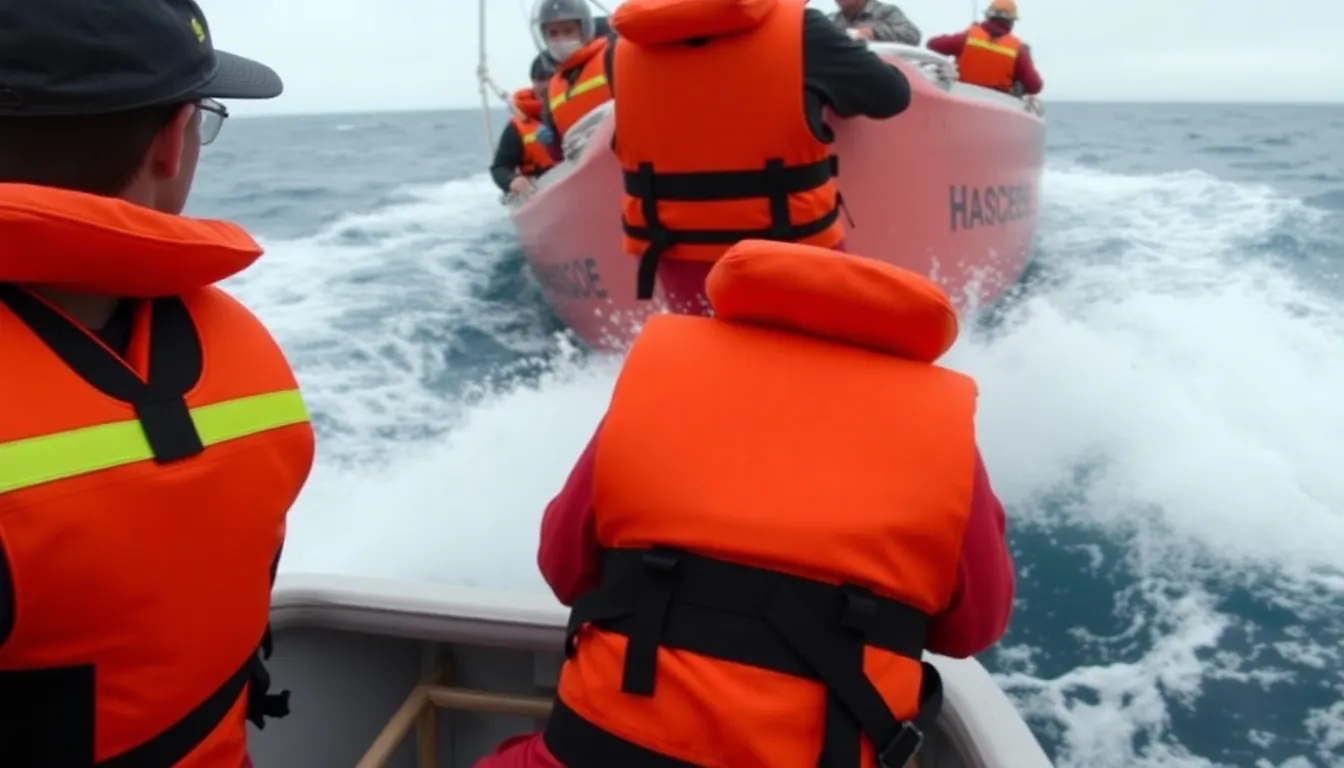
The families of the deceased are understandably seeking answers and accountability. Their interests may conflict with those of the organizations involved in the investigation, as they may push for transparency while the agencies work to gather information. This scenario highlights the potential for tension between the need for thorough investigations and the desire for swift justice and closure for the victims’ families.
- Regulatory Compliance: Examination of yacht safety standards and adherence to maritime regulations.
- Rescue Operations: Assessment of the effectiveness and timeliness of the rescue efforts conducted by emergency services.
- Public Safety: The need for increased public awareness and education regarding yacht safety practices.
- Legal Accountability: Potential legal ramifications for yacht operators and manufacturers if negligence is determined.
- Economic Impact: The effect of such tragedies on the local tourism industry and maritime businesses.
As investigations proceed, the interplay between these stakeholders will shape the narrative surrounding this incident. The outcomes may lead to changes in policies, safety regulations, and public perception of maritime activities along the Australian coast, emphasizing the importance of proactive measures in preventing future tragedies.
Impact on the local community and maritime regulations
The tragic sinking of the yacht off the Australian coast has reverberated through the local community, affecting not only the families of the victims but also local businesses and maritime industries. The loss of three lives, including rescuers, highlights the inherent dangers associated with maritime activities and the need for enhanced safety measures.
In the short term, the local fishing and tourism industries may face disruptions. Fishermen and tour operators could experience a decline in business as public sentiment shifts towards caution in maritime activities. Additionally, the incident may lead to increased scrutiny from regulatory bodies, prompting immediate reviews of safety protocols and emergency response strategies.
Mid-term impacts could include changes to maritime regulations, potentially leading to stricter licensing requirements for boat operators and enhanced safety training for rescue personnel. This may result in increased operational costs for local businesses, but it could also create opportunities for training providers and safety equipment manufacturers.
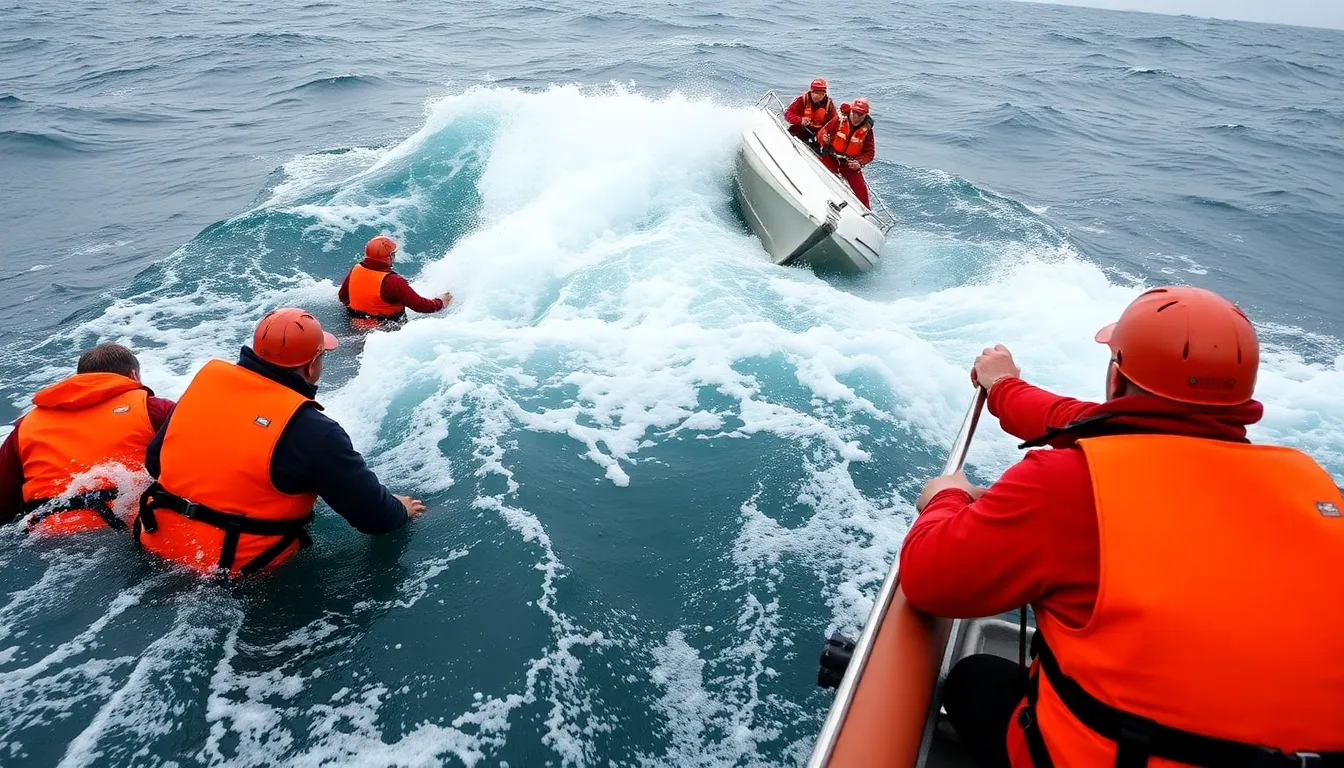
- Heightened safety regulations in maritime operations.
- Potential decline in tourism and recreational boating activities.
- Increased community support for rescue and safety initiatives.
- Opportunities for businesses in safety training and equipment.
Furthermore, the psychological impact on the community cannot be overlooked. The loss of lives in such tragic circumstances often leads to a communal sense of grief and a reevaluation of risk in leisure activities. This may foster a greater community spirit as residents come together to support one another and advocate for improved safety measures.
A: Preliminary investigations suggest that rough weather conditions may have contributed to the sinking, but further inquiries are ongoing. A: There were a total of five individuals on board the yacht at the time of the incident, three of whom tragically lost their lives. A: Authorities are conducting a thorough investigation into the circumstances of the sinking and are reviewing safety protocols for maritime operations. A: Yes, two individuals were rescued and are currently receiving medical attention for their injuries. A: Enhancing safety regulations and improving training for rescue operations are critical steps that can be taken to prevent future tragedies.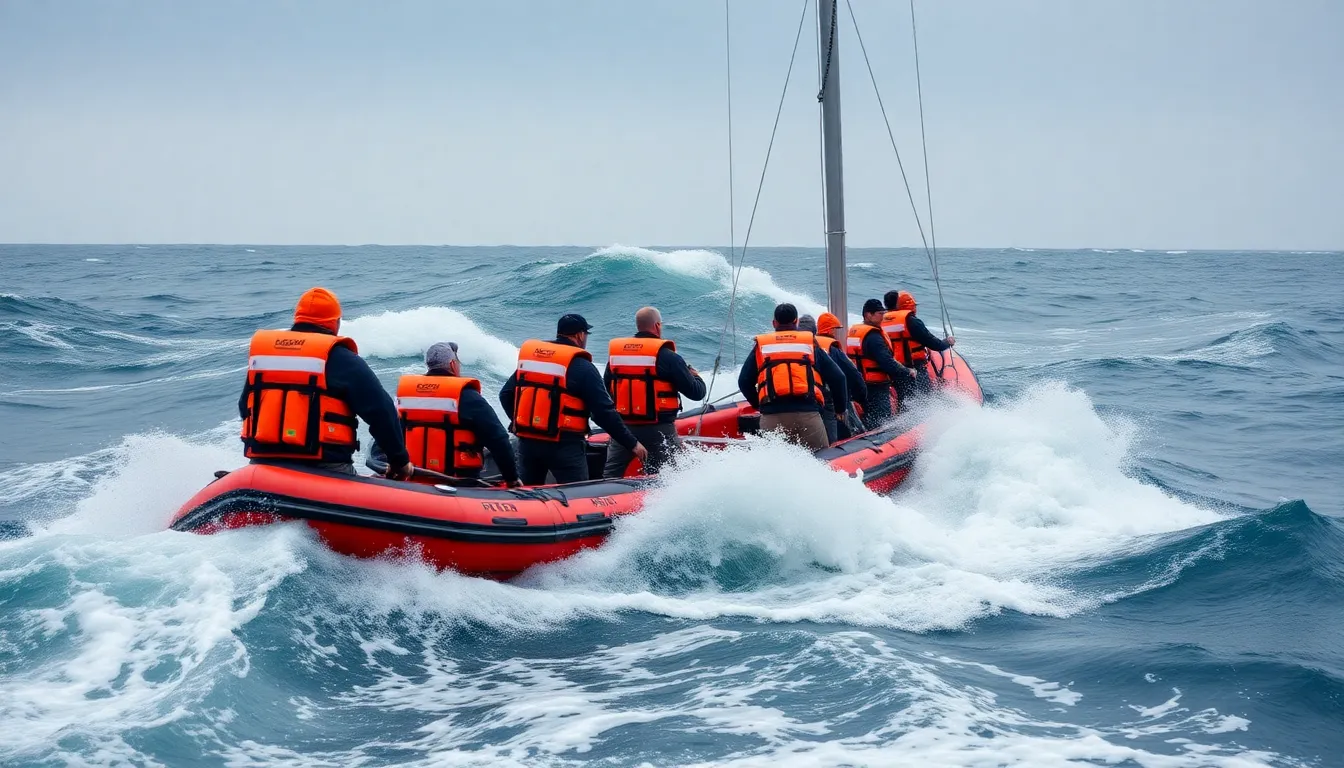
Frequently asked questions regarding the yacht sinking
Key takeaways and future implications of the incident
The tragic sinking of the yacht off the Australian coast, resulting in the loss of three lives, underscores the inherent dangers associated with maritime activities. It highlights the need for stringent safety measures, both for recreational and commercial vessels, to prevent similar incidents in the future. As authorities investigate the circumstances surrounding the sinking, there are several critical considerations for the maritime community and policymakers.
In light of this incident, it is essential to reflect on the broader implications for maritime safety regulations, emergency response protocols, and public awareness campaigns aimed at ensuring the safety of all who venture out to sea. The lessons learned from this tragedy could inform future practices and potentially save lives.
- Enhanced Safety Regulations: Expect calls for stricter safety regulations for yachts and other vessels, including mandatory safety equipment and regular inspections.
- Emergency Response Improvements: This incident may lead to improved training and resources for emergency responders to better handle maritime crises.
- Public Awareness Campaigns: Increased efforts to educate boaters about safety practices and the risks associated with maritime activities could emerge.
- Investigative Outcomes: The findings from the ongoing investigation will likely influence future maritime policies and practices.