
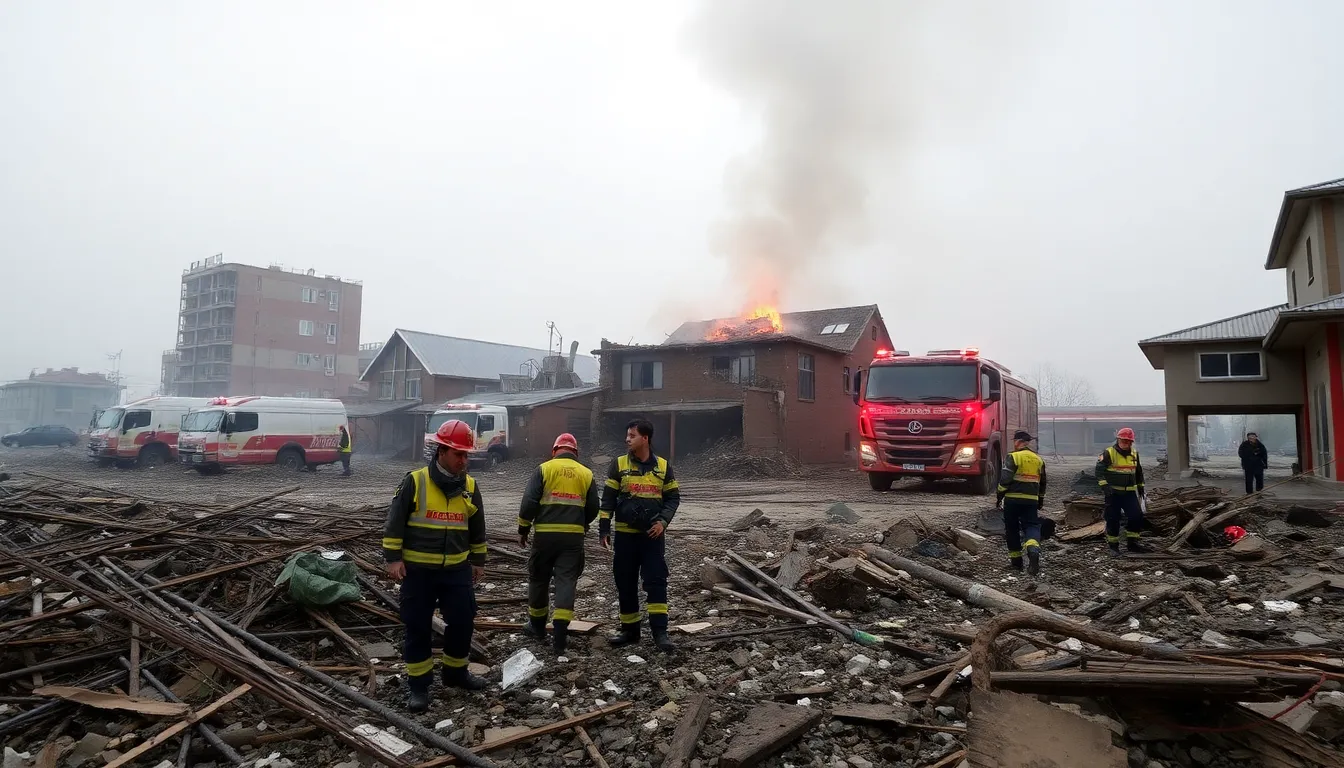
The factory, known for producing a variety of fireworks, was reportedly in operation at the time of the explosion. Authorities have launched an investigation to determine the cause of the incident, focusing on safety protocols and regulatory compliance within the facility. This tragedy has raised significant concerns about the safety standards in the fireworks manufacturing industry.
Local officials have expressed their condolences to the families of the victims and promised to take necessary measures to prevent similar incidents in the future. The explosion has not only affected the immediate community but has also sparked discussions on the broader implications for industrial safety regulations across the country.
Fireworks production is a major industry in China, especially ahead of significant cultural festivals. As the nation approaches the New Year celebrations, this incident highlights the urgent need for stricter enforcement of safety measures to protect workers and prevent further tragedies.
Understanding the history of fireworks manufacturing in China
Fireworks manufacturing has a long and storied history in China, dating back over a thousand years. The invention of gunpowder during the Tang Dynasty laid the groundwork for the development of fireworks, which were initially used for religious ceremonies and celebrations. As the centuries progressed, the craft evolved, and by the Ming and Qing Dynasties, fireworks had become a popular form of entertainment during festivals and public celebrations.
In recent decades, China has emerged as the world’s largest producer of fireworks, accounting for approximately 90% of global production. This boom can be attributed to a combination of factors, including the country’s abundant supply of raw materials, a large workforce, and the increasing domestic and international demand for fireworks. However, this rapid growth has also led to significant safety and regulatory challenges within the industry.
The safety challenges in the fireworks industry
The fireworks industry in China has faced numerous safety issues, often exacerbated by lax regulations and enforcement. Incidents of explosions and fires have been common, leading to tragic loss of life and property. For instance, a major explosion in 2015 at a warehouse in Tianjin resulted in over 170 deaths, prompting the government to reevaluate safety standards. Despite these efforts, the recent explosion at a fireworks factory, which claimed 26 lives, highlights the ongoing risks associated with the industry.
Moreover, the economic pressures on manufacturers to cut costs often lead to unsafe practices, such as insufficient training for workers and inadequate safety measures. This precarious balance between profitability and safety continues to pose a significant risk to workers and surrounding communities. As the industry grapples with these challenges, the need for stricter regulations and better enforcement has become increasingly urgent.
In conclusion, the tragic explosion at the fireworks factory serves as a stark reminder of the historical significance of fireworks in China, as well as the pressing need for improved safety standards in an industry that remains vital to both cultural celebrations and the economy.
Examining the safety standards and regulatory challenges
The tragic explosion at a fireworks factory in China, which resulted in the deaths of 26 individuals, has raised urgent questions about safety standards and regulatory oversight in the fireworks industry. Key stakeholders in this incident include the Chinese government, local regulatory bodies, factory owners, and workers’ families, each with distinct interests and concerns.
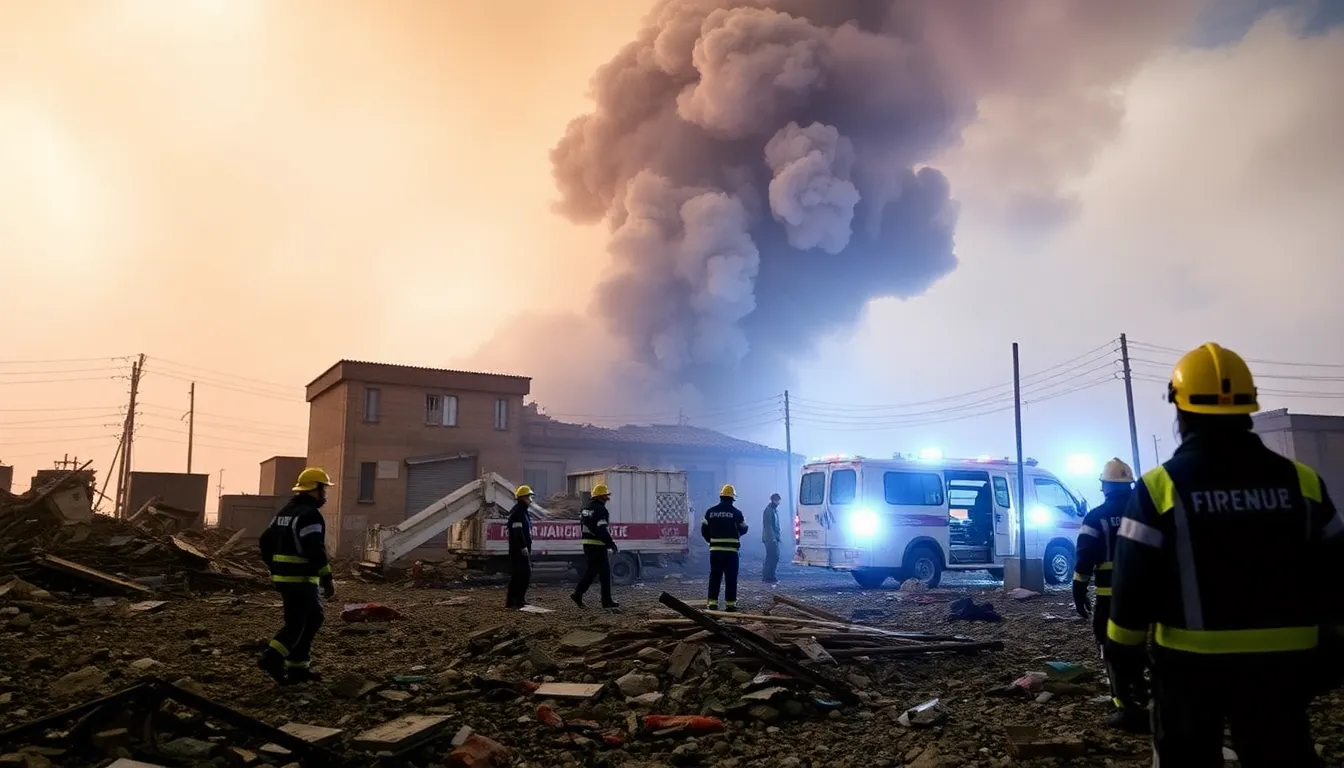
The Chinese government is primarily focused on maintaining public safety and ensuring compliance with national regulations. This incident may prompt a reevaluation of existing safety protocols and enforcement mechanisms within the fireworks industry. Local authorities are also under pressure to investigate the cause of the explosion and determine if negligence or violations of safety standards contributed to the tragedy.
Factory owners, on the other hand, have a vested interest in minimizing liability and maintaining operational efficiency. They may face significant financial repercussions from lawsuits and potential shutdowns. Additionally, the economic implications of stricter regulations could affect the profitability of the fireworks industry, which is a significant contributor to local economies, especially during festive seasons.
- Safety Regulations: The need for comprehensive safety regulations that are consistently enforced across the industry.
- Worker Protection: Ensuring that workers are adequately trained and protected from hazardous conditions.
- Economic Impact: Balancing safety measures with the economic viability of the fireworks industry.
- Public Sentiment: Addressing public concerns regarding safety and the perceived risks associated with fireworks manufacturing.
- Legal Accountability: Determining legal accountability for the explosion and potential reforms in regulatory practices.
Additionally, the families of the victims are likely to seek justice and compensation, highlighting the emotional and social ramifications of such disasters. Their plight brings to light the human cost of regulatory failures and the need for a more robust safety culture within hazardous industries. The interplay of these interests creates a complex landscape where trade-offs between safety, economic viability, and legal accountability must be navigated carefully.
Assessing the impact on families and the local community
The recent explosion at a fireworks factory in China has tragically claimed the lives of 26 individuals, leaving a profound impact on families and the local community. The immediate grief experienced by the victims’ families is compounded by the potential long-term repercussions on their livelihoods and emotional well-being.
The local economy, heavily reliant on the fireworks industry, faces significant challenges. Many workers in the area are employed in similar manufacturing roles, and the explosion raises concerns about safety standards and regulatory compliance. This incident may lead to increased scrutiny of the industry, prompting potential policy changes that could affect employment and production practices.
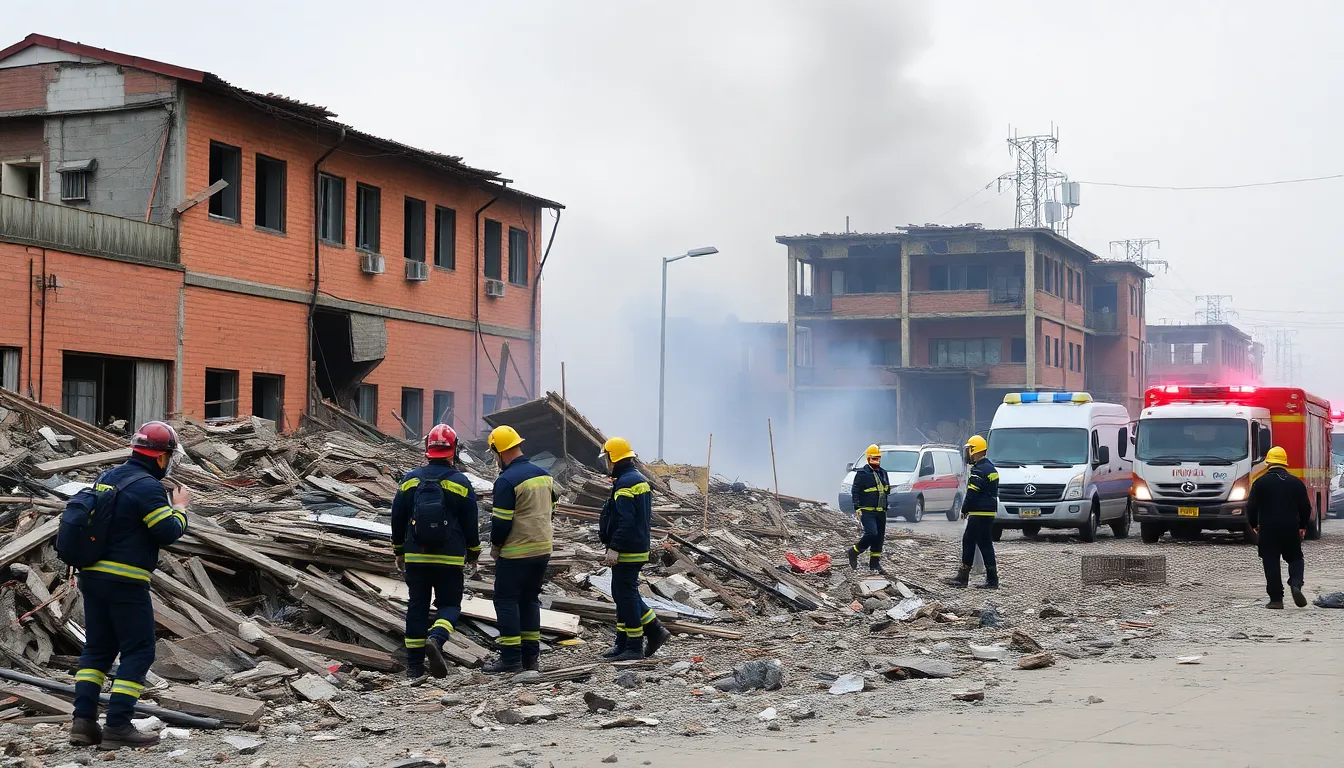
In the short term, the explosion disrupts daily life for many residents, with emergency services and investigations taking precedence. The local community may experience heightened anxiety regarding safety, leading to a decrease in consumer confidence and spending. Businesses that rely on seasonal fireworks sales may also see a downturn as public sentiment shifts in the wake of the tragedy.
- Increased safety regulations may lead to higher operational costs for fireworks manufacturers.
- Potential job losses or shifts in employment as factories reassess their safety protocols.
- Opportunities for businesses specializing in safety equipment and training programs.
- Community support initiatives may emerge, fostering solidarity and resilience among residents.
In the mid-term, the local government may implement stricter regulations on the fireworks industry, which could lead to a restructuring of how businesses operate. While this may pose risks to existing jobs, it could also pave the way for innovation and the development of safer production methods. Additionally, the community might rally together to support the affected families, creating a stronger social network in the face of adversity.
A: The exact cause of the explosion is still under investigation, but initial reports suggest it may be linked to improper handling of explosive materials. A: Local authorities have promised assistance to the families of the victims, including financial aid and counseling services. A: In response to the tragedy, officials are reviewing safety regulations and may implement stricter guidelines for the industry. A: Yes, there have been previous incidents involving fireworks factories in China, highlighting ongoing safety concerns in the sector. A: The government has expressed condolences and is conducting a thorough investigation to prevent future occurrences.
Frequently asked questions about the explosion
Key takeaways and future implications of the incident
The tragic explosion at the fireworks factory in China highlights ongoing concerns regarding safety regulations in the manufacturing sector, particularly in industries known for hazardous materials. As the investigation unfolds, it is crucial to monitor how this incident may influence regulatory measures and enforcement practices across the industry. The loss of life underscores the need for improved safety protocols to prevent such disasters in the future.
Additionally, the economic ramifications for the local community and the broader fireworks industry could be significant. Stakeholders should be aware of potential supply chain disruptions and shifts in consumer sentiment towards fireworks products, especially as safety becomes a more pressing concern for consumers and regulators alike.
- Increased scrutiny of safety regulations in the fireworks manufacturing industry may lead to stricter compliance requirements.
- Potential economic impact on local communities reliant on the fireworks industry for employment and revenue.
- Heightened public awareness and demand for safer products could reshape consumer behavior regarding fireworks.
- Possible ripple effects on the supply chain, affecting availability and pricing of fireworks in the market.
- Future investments in safety technology and training may become a priority for manufacturers to mitigate risks.