
Health authorities are currently tracing the movements of passengers and crew members to identify any additional cases or potential sources of infection. Initial reports indicate that at least three individuals have exhibited symptoms, including fever and respiratory issues, which are characteristic of Hantavirus infection. For more details about these symptoms, you can read about Hantavirus and its connection to recent cruise ship deaths. As of now, no fatalities have been reported.
This situation is particularly concerning due to the nature of cruise ships, where close quarters can facilitate the rapid spread of infectious diseases. The WHO emphasizes the importance of monitoring and managing health risks in such environments, especially with the ongoing global focus on infectious disease control and prevention.
As investigations continue, health officials are advising those who traveled on the cruise to remain vigilant for symptoms and seek medical attention if necessary. The situation underscores the need for heightened awareness and preparedness in the face of potential zoonotic diseases that can emerge in crowded settings.
Understanding Hantavirus and its transmission methods
Hantavirus is a viral infection primarily transmitted to humans through contact with rodent excreta, urine, or saliva. First identified in the 1990s, the virus gained attention due to its severe respiratory effects, particularly in cases of Hantavirus Pulmonary Syndrome (HPS), which can be fatal. The emergence of Hantavirus highlighted the importance of understanding zoonotic diseases, those that can be transmitted from animals to humans, especially in settings where human and animal populations intersect, such as cruise ships. For insights on the economic implications, check out the article about three fatalities reported in Hantavirus outbreak on cruise ship.
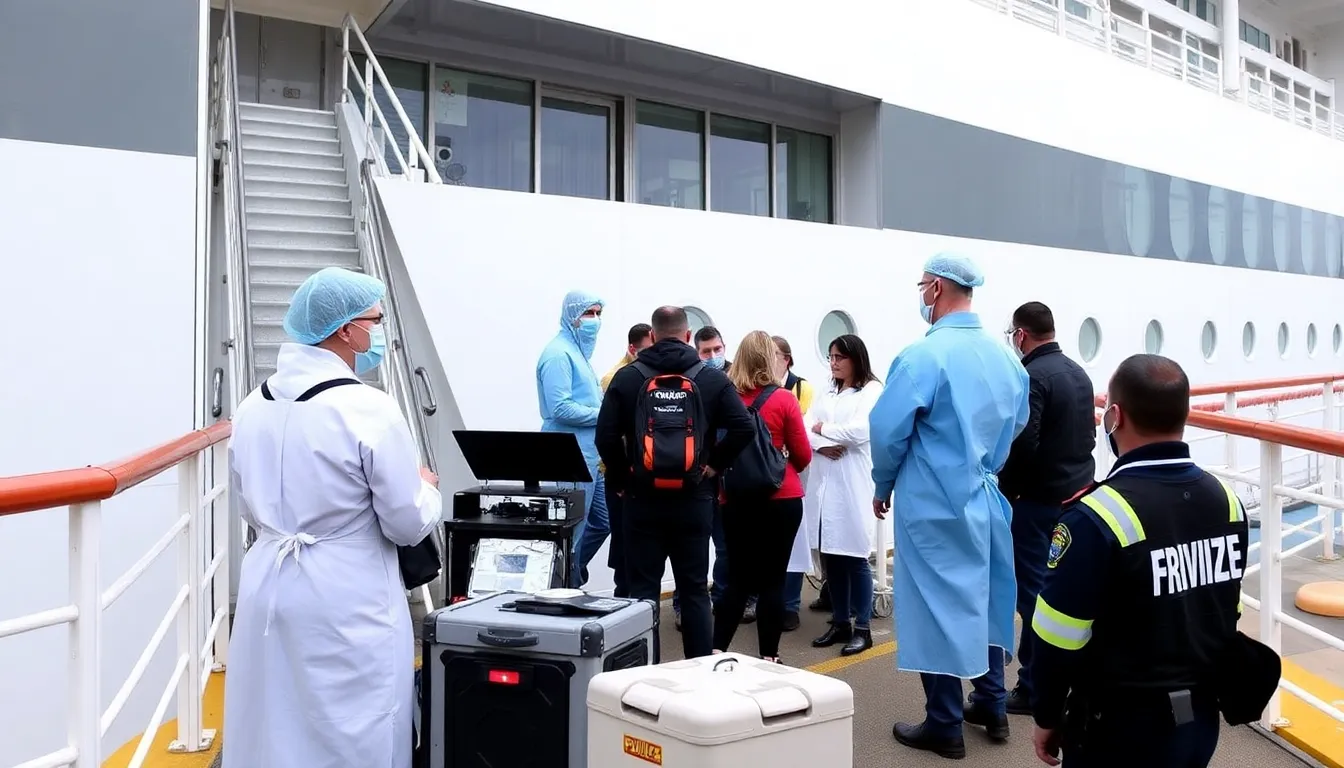
The recent report from the World Health Organization (WHO) regarding potential transmission of Hantavirus among passengers on a cruise ship underscores the complexities of disease spread in confined environments. Cruise ships, which host thousands of passengers in close quarters, can facilitate the rapid transmission of infectious diseases, raising concerns about public health protocols and disease prevention measures in the tourism industry.
Historical Context of Hantavirus Outbreaks
Historically, significant outbreaks of Hantavirus have occurred in various regions, notably in the Southwestern United States, where the first recognized outbreak in 1993 led to increased awareness and research into the virus. The Centers for Disease Control and Prevention (CDC) has since implemented monitoring and response strategies to address potential outbreaks, particularly in areas where rodent populations are prevalent. The evolving nature of these outbreaks illustrates the ongoing challenges in managing zoonotic diseases and the need for continuous public health vigilance.
The economic implications of such outbreaks can be profound, affecting not only public health systems but also industries such as tourism and agriculture. Cruise lines, for instance, face reputational risks and financial losses when health concerns arise, prompting them to enhance sanitation protocols and passenger safety measures. This situation reflects a broader trend in which health crises can have cascading effects on economies and social behaviors. The role of organizations like the CDC in addressing these concerns is crucial.
As the world grapples with the impacts of global travel and interconnectedness, the potential for diseases like Hantavirus to spread in unusual wayssuch as through cruise shipsserves as a reminder of the importance of preparedness and rapid response in the face of emerging infectious diseases. Understanding the transmission dynamics and historical context of Hantavirus is crucial for developing effective public health strategies to mitigate future risks.
Key stakeholders and their roles in addressing the outbreak
The recent report from the World Health Organization (WHO) regarding the potential spread of Hantavirus among passengers on a cruise ship highlights the involvement of various stakeholders in managing public health risks. These stakeholders include international health organizations, government agencies, the cruise industry, and the passengers themselves.
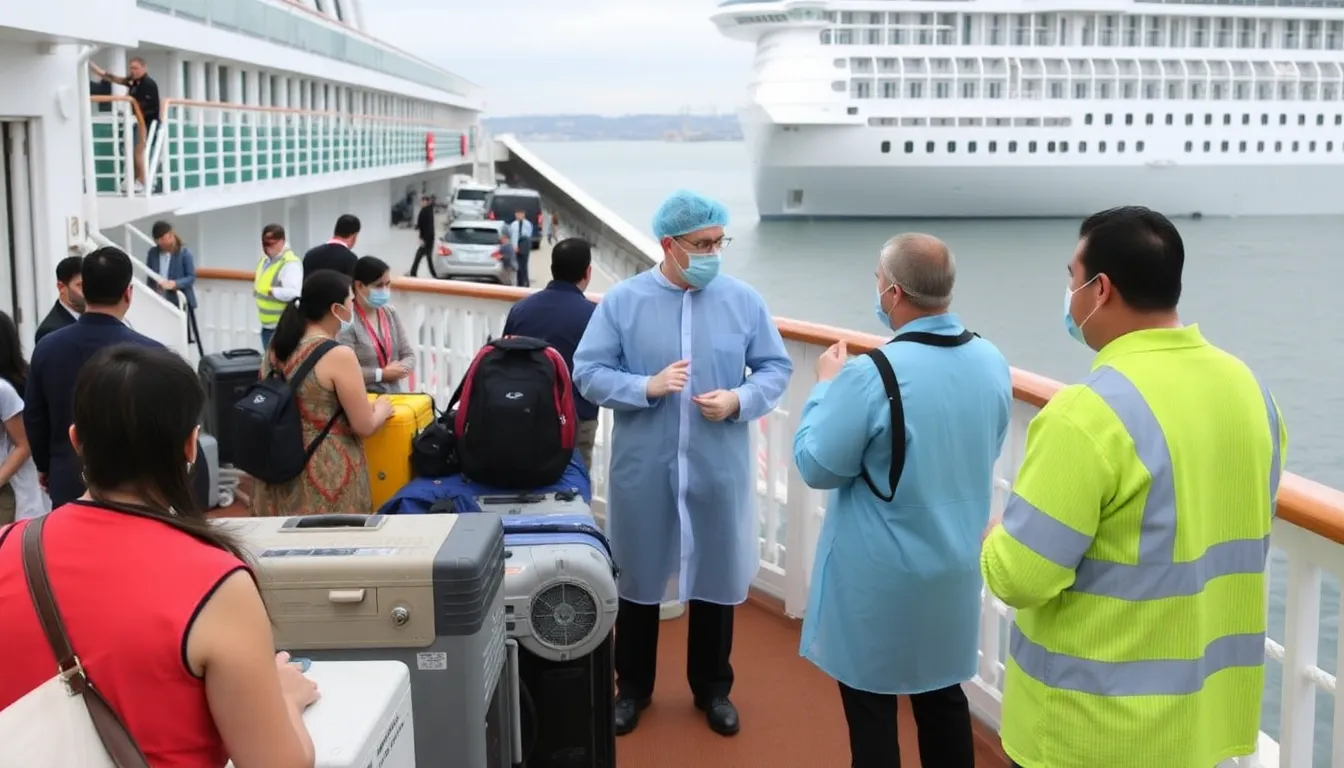
First and foremost, the WHO plays a critical role in monitoring and responding to infectious disease outbreaks. Their expertise in epidemiology allows them to provide guidance on containment measures and public health recommendations. The organization aims to protect global health, making it imperative for them to assess the situation and communicate risks effectively.
National governments, particularly those of the countries where the cruise originated and docked, have significant interests in preventing the spread of Hantavirus. They are responsible for public health policies and may enact travel restrictions or health screenings to safeguard their populations. Conflicts may arise between maintaining tourism and ensuring public safety, creating a challenging balancing act for policymakers.
- The cruise industry must navigate the economic implications of potential outbreaks, as health concerns can deter travelers and impact bookings.
- Passengers, as key stakeholders, have a vested interest in their health and safety, leading to concerns about the cruise line’s health protocols and the transparency of information regarding the outbreak.
- Local health authorities are tasked with implementing measures to monitor and respond to any potential cases, which may strain resources and require coordination with federal agencies.
Moreover, legal issues may arise surrounding liability and accountability. Questions about the cruise line’s responsibility for passenger safety and the adequacy of their health protocols could lead to disputes. Economic considerations, such as compensation for affected passengers and the financial impact on the cruise industry, further complicate the situation.
Potential impact on cruise industry and passenger safety
The recent reports from the World Health Organization (WHO) regarding the potential spread of Hantavirus among cruise ship passengers have raised significant concerns across various groups. Primarily, the cruise industry, which has been recovering from the pandemic, faces renewed scrutiny as health and safety become paramount for travelers. This incident may lead to increased regulations and health protocols, impacting cruise lines’ operations and profitability.
Passengers, particularly those with pre-existing health conditions, are likely to feel the immediate effects of this situation. The fear of contracting a viral infection while on vacation can deter potential travelers, leading to a decline in bookings. The psychological impact of health scares can also alter consumer behavior, as travelers may prioritize destinations perceived as safer or opt for alternative vacation options.
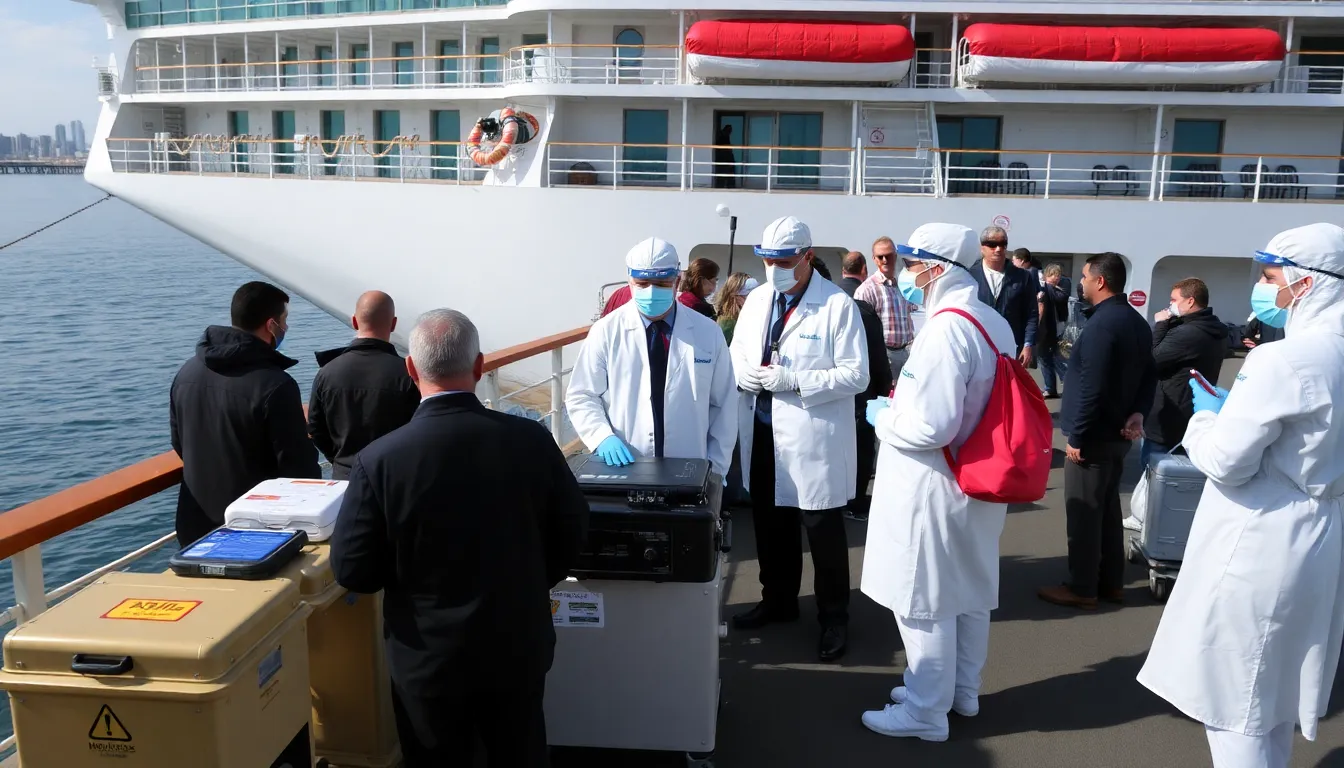
In the short term, cruise lines may experience a downturn in sales and customer trust, prompting them to implement more stringent health measures. These could include enhanced sanitation protocols, mandatory health screenings, and updated passenger information on viral risks. While these measures can increase operational costs, they also present an opportunity for cruise companies to differentiate themselves as leaders in health and safety standards.
- Short-term impacts: Decreased bookings, increased operational costs, heightened health protocols.
- Mid-term impacts: Potential shifts in consumer preferences, increased regulatory scrutiny, opportunities for innovation in health safety measures.
- Risks: Long-term damage to brand reputation, potential legal liabilities, decreased consumer confidence.
- Opportunities: Development of new health technologies, partnerships with health organizations, enhanced marketing strategies focused on safety.
Regions that heavily rely on cruise tourism, such as the Caribbean and Mediterranean, may also feel the ripple effects of this incident. Local economies dependent on cruise passenger spending could see a decline in revenue, prompting governments and businesses to adapt quickly to changing tourist behaviors. In response, there may be a push for more robust health infrastructure and tourism diversification to mitigate future risks.
A: Hantavirus is a viral infection primarily transmitted through contact with rodent droppings, urine, or saliva. It can lead to severe respiratory issues and other health complications. A: The virus can potentially spread through contaminated surfaces or close contact with an infected individual. This is particularly concerning in enclosed spaces like cruise ships. A: Symptoms of Hantavirus infection may include fever, muscle aches, and fatigue, followed by respiratory issues. Early detection is crucial for effective treatment. A: Cruise lines are implementing enhanced cleaning protocols and health screenings to prevent the spread of Hantavirus and ensure passenger safety. A: Currently, there is no vaccine available for Hantavirus. Prevention focuses on avoiding contact with rodents and maintaining cleanliness in living spaces.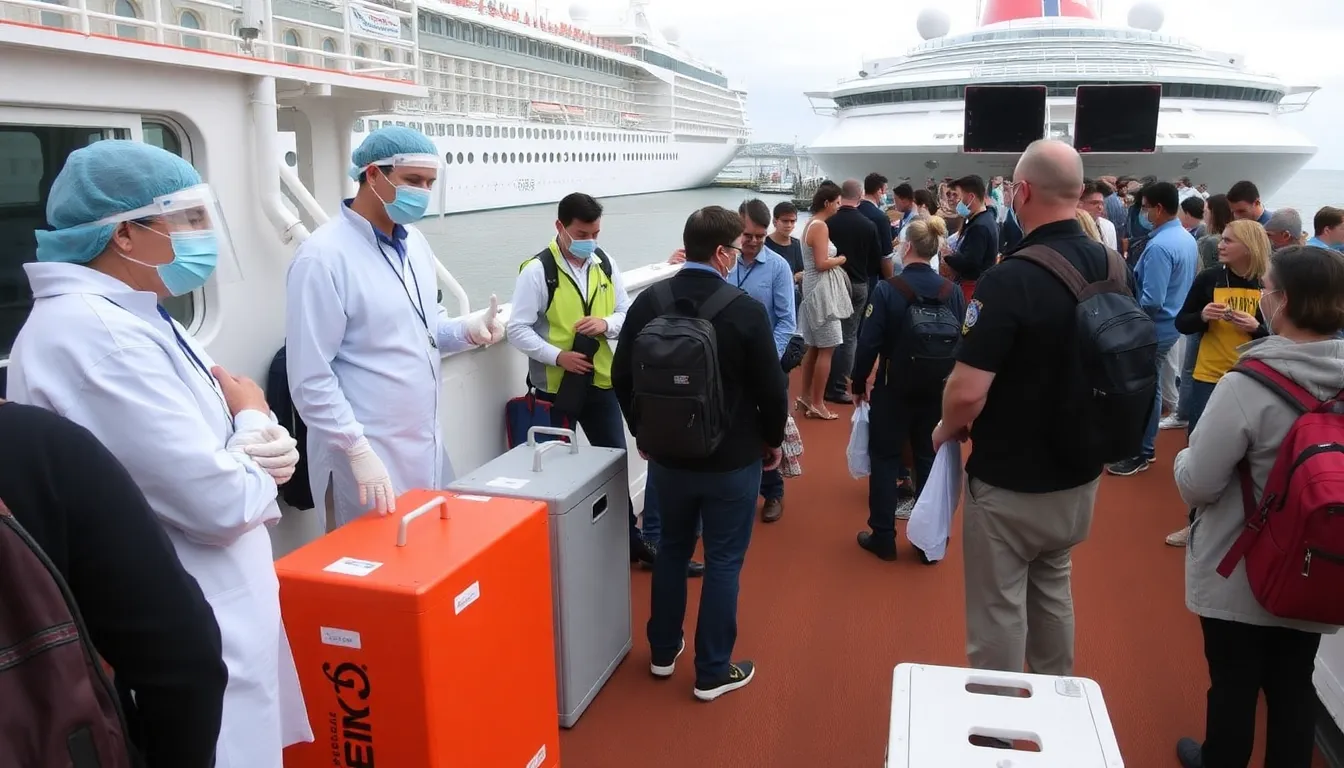
Frequently asked questions about Hantavirus and cruise ships
Key takeaways and future outlook on Hantavirus concerns
The recent announcement from the WHO regarding the potential spread of Hantavirus among passengers on a cruise ship underscores the importance of vigilance in public health. As global travel increases, the risk of emerging infectious diseases spreading in closed environments becomes a significant concern. This incident serves as a reminder for health authorities and travelers alike to remain aware of the potential for zoonotic diseases to cross into human populations, particularly in confined spaces.
Moving forward, it is crucial to enhance monitoring and response strategies for infectious diseases in travel settings. Collaboration between health organizations, cruise lines, and travelers will be essential to mitigate risks and ensure safety on future voyages.
- Increased vigilance: Health authorities should enhance surveillance for Hantavirus and other zoonotic diseases, especially in settings with high passenger density.
- Enhanced communication: Cruise lines must provide clear information on health protocols and potential risks to passengers.
- Traveler awareness: Passengers should be educated on the signs and symptoms of Hantavirus and encouraged to report any health concerns during their travels.
- Collaboration: Strengthening partnerships between public health organizations and the travel industry can improve preparedness and response to infectious disease outbreaks.
- Research and funding: Increased investment in research on zoonotic diseases can help identify risks and develop effective prevention strategies.