
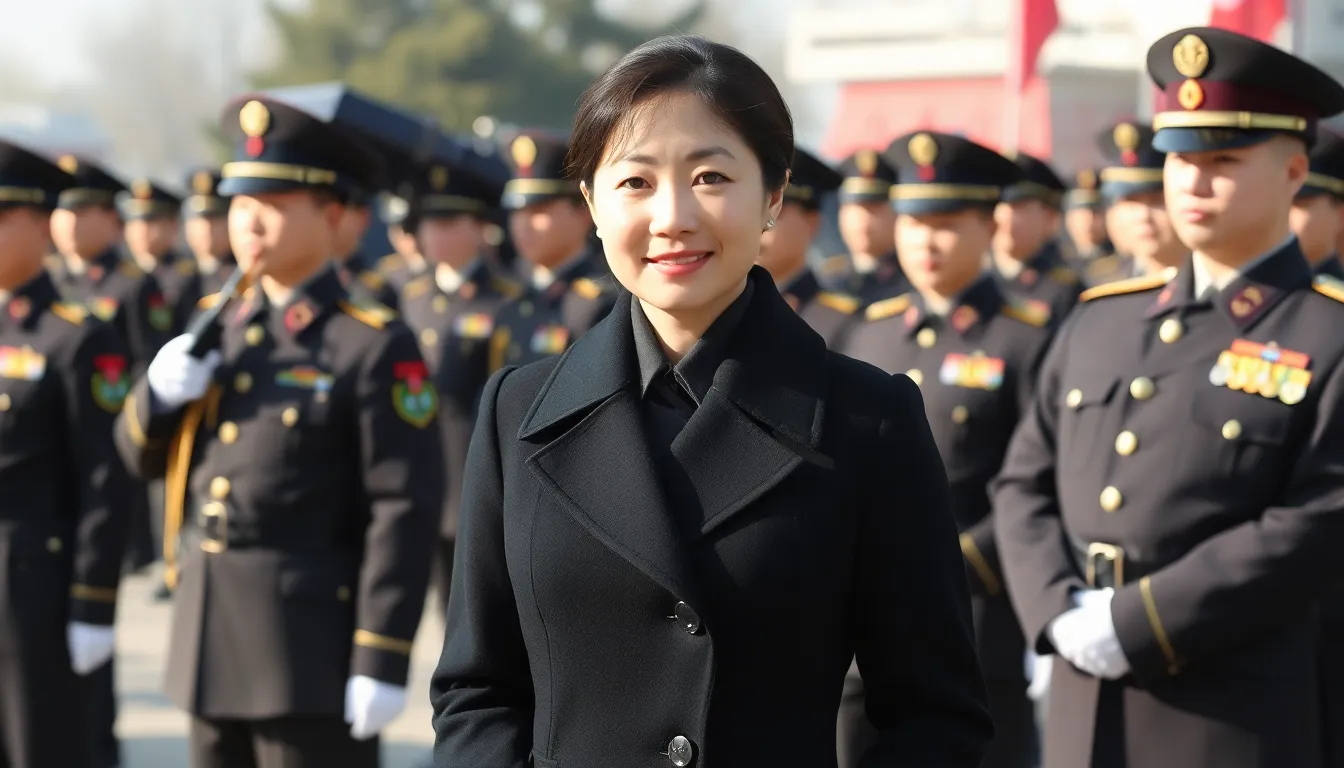
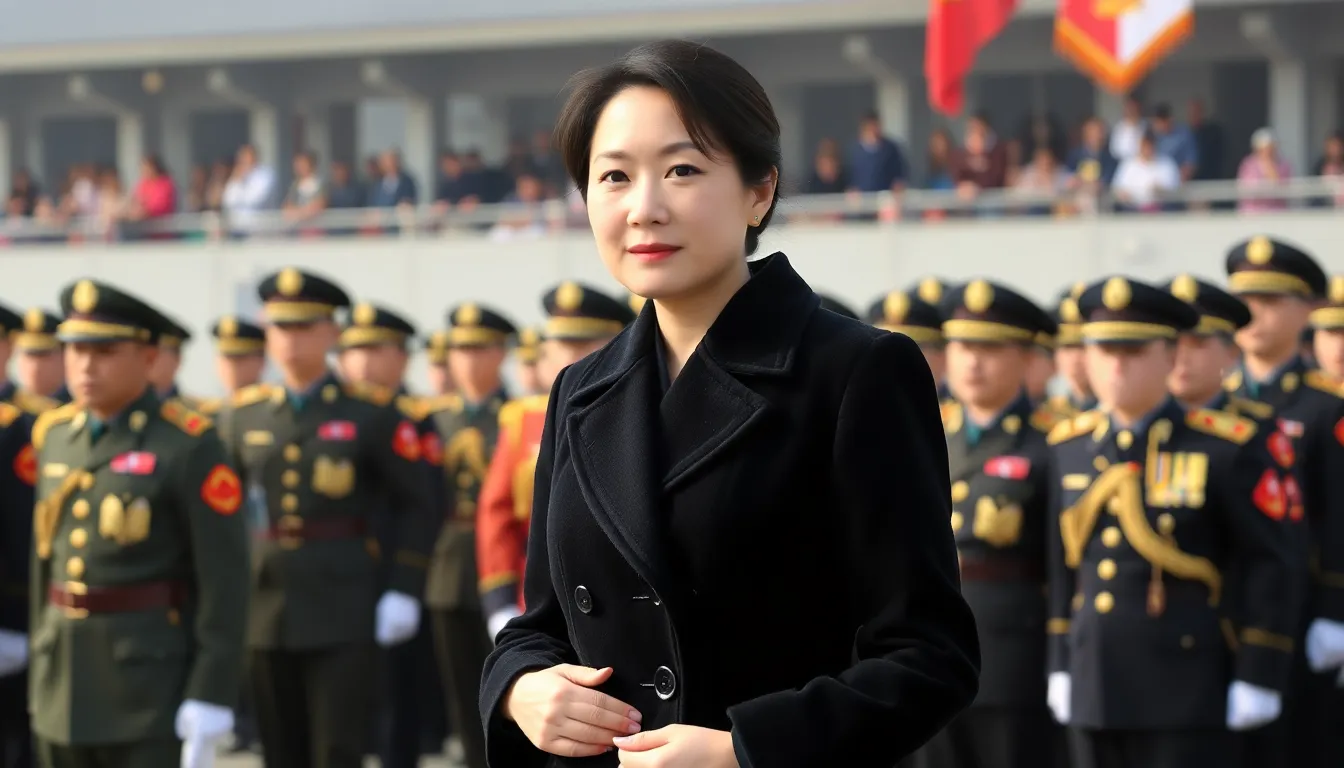
Notably, during a military parade on September 8, 2023, Kim Ju Ae was seen wearing a tailored black coat adorned with military insignia, signaling her potential role in the country’s future leadership. This event marked the 75th anniversary of the North Korean military, and her outfit was interpreted as a deliberate choice to align herself with the nation’s military ethos and power structure. For more on how symbolism influences political narratives, see our article on Exploring the True Face of Anne Boleyn.
Analysts have pointed out that these appearances are not merely symbolic but also strategic, as they serve to reinforce dynastic continuity in a regime often characterized by its opaque succession plans. The public showcasing of Kim Ju Ae is seen as an effort to normalize her presence in state affairs, thereby preparing the North Korean populace for her eventual rise.
Furthermore, her outfits often blend traditional North Korean styles with contemporary fashion, reflecting a nuanced approach to her public image. This combination may be aimed at appealing to both domestic audiences and international observers, highlighting a sense of modernity while remaining rooted in the regime’s ideological framework.
The historical significance of fashion in North Korean leadership
Fashion in North Korea has long been intertwined with the political narrative and propaganda of the regime. Since the establishment of the Democratic People’s Republic of Korea (DPRK) in 1948, the clothing choices of its leaders have served as a visual representation of their authority and ideological stance. Kim Il-sung, the founding leader, often donned the traditional Korean ‘chogori’ and ‘baji’ as a means to connect with the populace while simultaneously promoting a sense of national identity.
As the leadership transitioned to Kim Jong-il, the emphasis on personal style became more pronounced. Kim Jong-il’s penchant for the ‘military uniform’ not only reinforced his image as a military leader but also aligned with the regime’s focus on military-first policies. This sartorial choice was a strategic move to cultivate an image of strength and resilience, especially during periods of economic hardship and international isolation.
The role of Kim Ju Ae in the current narrative
With the emergence of Kim Ju Ae, the daughter of current leader Kim Jong-un, the significance of fashion has evolved yet again. Her public appearances have been carefully curated to reflect both continuity and change within the regime. By adopting styles that echo her grandfather and father while also introducing modern elements, Kim Ju Ae’s outfits symbolize a bridge between the past and a potential future for North Korea. This strategic use of fashion not only serves to reinforce her family’s legacy but also positions her as a key figure in the regime’s narrative, potentially paving the way for her future role in leadership. To understand how leadership and public perception intersect, check out our piece on Montoya calls for penalties against disrespectful F1 drivers.
Moreover, the international attention on Kim Ju Ae’s fashion choices highlights the broader implications of image and perception in North Korean politics. The regime has historically used visual symbolism to communicate messages both domestically and abroad, and Kim Ju Ae’s outfits are no exception. Each appearance is meticulously planned to project a specific image of stability and continuity, particularly in a time when the regime faces significant economic challenges and diplomatic tensions.
Key stakeholders and their interests in Kim Ju Ae’s image
In the context of North Korea’s political landscape, several key stakeholders play a crucial role in shaping perceptions around Kim Ju Ae, the daughter of Kim Jong Un. These stakeholders include the North Korean government, international observers, the South Korean government, and the global media. Each of these actors has distinct interests that influence their interpretation of Kim Ju Ae’s public appearances and attire.
The North Korean government, primarily represented by Kim Jong Un and the ruling Workers’ Party, aims to project an image of stability and continuity within the regime. By showcasing Kim Ju Ae in carefully curated outfits, the regime seeks to reinforce the idea of a dynastic succession, highlighting the importance of the next generation in maintaining the Kim family’s legacy. This strategy serves to bolster internal support and legitimize Kim Jong Un’s leadership among the military and the populace.
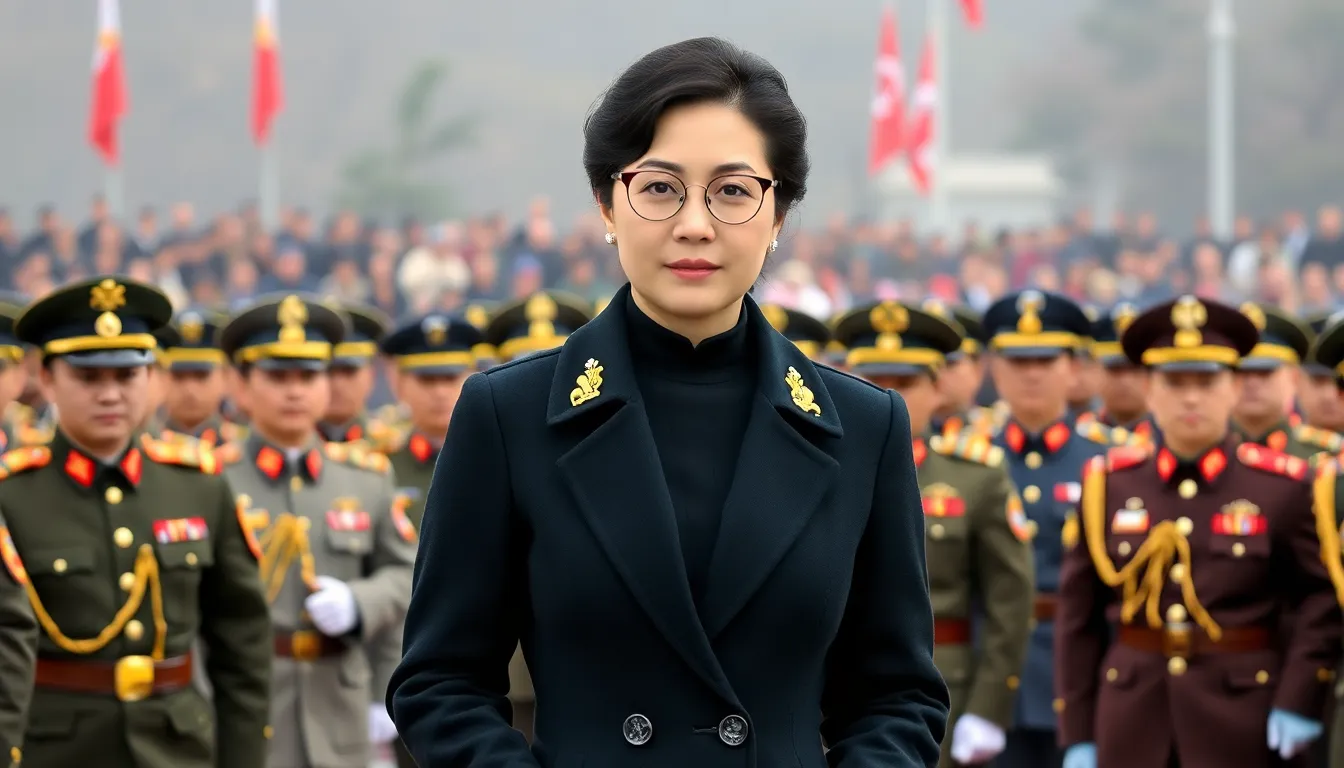
International observers, including analysts and foreign governments, are keenly interested in the symbolism behind Kim Ju Ae’s clothing choices. They interpret her outfits as indicators of North Korea’s political direction and the potential for future leadership transitions. The portrayal of Kim Ju Ae can influence diplomatic relations, as her public image may signal a shift towards a more modern or traditional approach in North Korean governance.
- International sanctions and their impact on North Korea’s economy may affect the availability and style of Kim Ju Ae’s clothing.
- Media portrayals can either reinforce or challenge the North Korean narrative surrounding Kim Ju Ae’s role in the regime.
- South Korea’s government monitors Kim Ju Ae’s image as part of its broader strategy to understand and engage with North Korea.
- The international community’s response to Kim Ju Ae’s public appearances may shape future interactions with the North Korean regime.
Furthermore, the global media plays a significant role in shaping public perception of Kim Ju Ae. Coverage of her outfits often reflects broader societal attitudes towards gender roles and leadership in authoritarian regimes. The media’s framing can influence how audiences perceive the legitimacy of the North Korean leadership and its succession plans, creating a complex interplay between fashion, politics, and public opinion. Insights into public perception can also be found in our discussion of Sophie Raworth shares her hopes for running in her 80s.
The influence of Kim Ju Ae’s fashion on public perception
Kim Ju Ae’s carefully curated wardrobe serves as a powerful tool in shaping public perception of the North Korean regime. Her outfits not only reflect the ideals of the ruling family but also influence various sectors within the country, particularly the fashion industry and state propaganda initiatives. As she becomes a more prominent figure, her fashion choices may resonate with different demographics, affecting how citizens view leadership and governance.
In the short term, Kim Ju Ae’s fashion statements can lead to increased interest in domestic fashion markets. Local designers and manufacturers may find opportunities to produce clothing that mirrors her style, thereby stimulating the local economy. This could result in a surge in demand for textiles and fashion accessories, creating jobs and fostering a sense of national pride in homegrown talent.
However, the mid-term implications could involve a tightening of state control over fashion and personal expression. As Kim Ju Ae’s style becomes a benchmark for acceptable attire, there may be increased pressure on citizens to conform to these standards. This can stifle creativity and lead to a homogenization of fashion, limiting individual expression and potentially causing unrest among those who value personal freedom.
- Fashion Industry: Potential growth in local clothing production.
- Public Sentiment: Shift towards admiration of the ruling family.
- State Control: Increased regulation of personal attire.
- International Relations: Possible softening of perceptions abroad, impacting diplomatic efforts.
Moreover, there are opportunities for North Korea to engage in cultural diplomacy through fashion. By showcasing Kim Ju Ae’s style internationally, the regime could attempt to soften its image and attract foreign investment in fashion-related sectors. However, this comes with the risk of backlash from the international community, which may view such efforts as superficial attempts to distract from ongoing human rights issues.
A: Kim Ju Ae’s fashion choices are seen as a reflection of her role in the regime and her potential future leadership. They symbolize a blend of tradition and modernity, aiming to project a strong image. A: Initially, her outfits were more conservative, but they have gradually become more fashionable and assertive, indicating her growing confidence and status within the regime. A: While specific brands are rarely disclosed, her outfits often feature tailored designs that align with North Korean ideals of elegance and authority. A: Kim Ju Ae’s style is distinct from previous leaders, as it incorporates more contemporary elements, reflecting a shift in North Korean aesthetics and a desire to connect with younger generations. A: Fashion in North Korea serves as a tool for propaganda, showcasing power and stability while also influencing public perception of leaders and their families.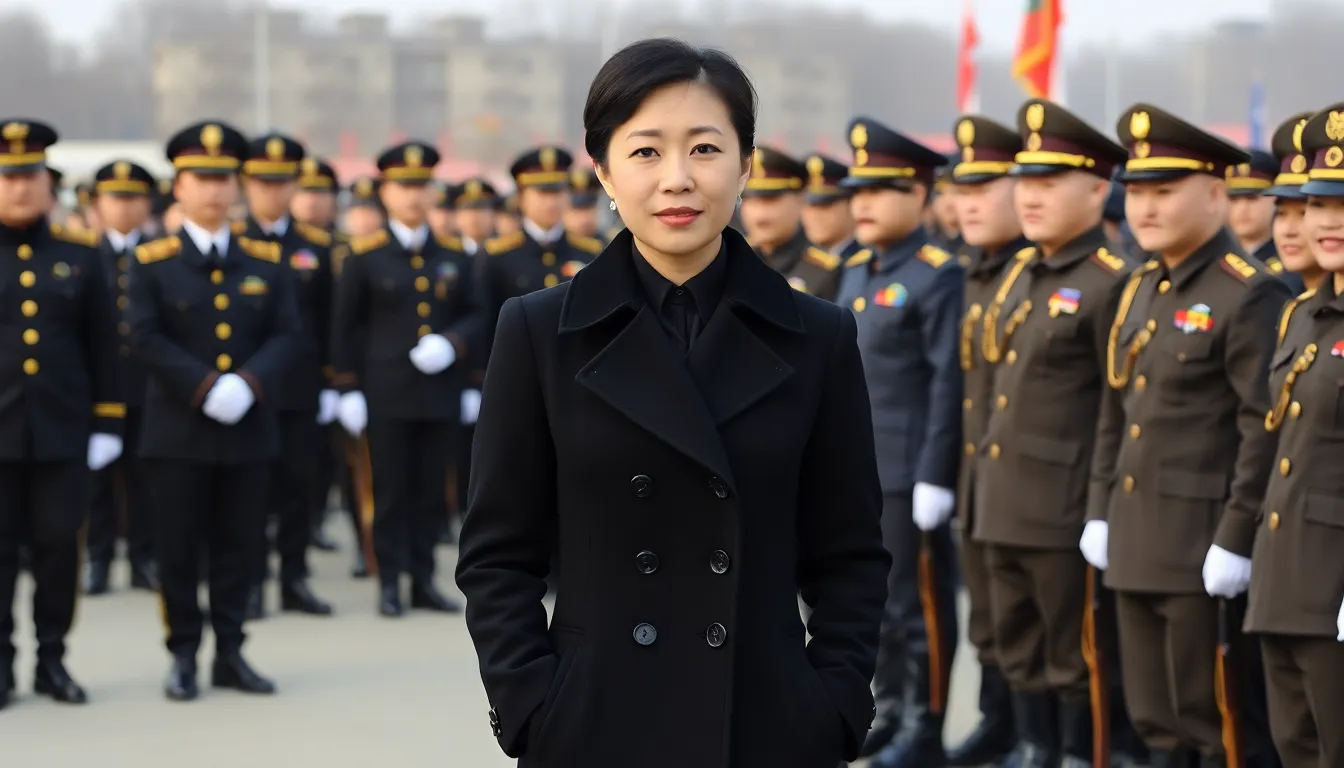
Frequently asked questions about Kim Ju Ae’s fashion
Key takeaways and future implications of Kim Ju Ae’s style
Kim Ju Ae’s fashion choices serve as a powerful tool for communication within the tightly controlled narrative of North Korea. Her carefully curated wardrobe not only reflects her father’s regime but also hints at her potential role in the future leadership landscape. As the world observes her public appearances, the implications of her style choices may extend beyond mere aesthetics, offering insights into the dynamics of power and succession in the DPRK.
As North Korea continues to navigate its complex relationships on the global stage, Kim Ju Ae’s evolving image could signal shifts in policy or leadership approach. Observers should remain vigilant to how her representation aligns with the regime’s messaging and what it may indicate about the future direction of the country.
- Monitor the symbolism in Kim Ju Ae’s outfits for potential shifts in North Korean ideology or policy.
- Pay attention to her public appearances, as increased visibility may suggest a strengthening role within the regime.
- Assess how her fashion choices resonate with domestic and international audiences, reflecting the regime’s strategic communication efforts.
- Consider the implications of her style on the perception of female leadership in North Korea and its potential influence on future generations.