
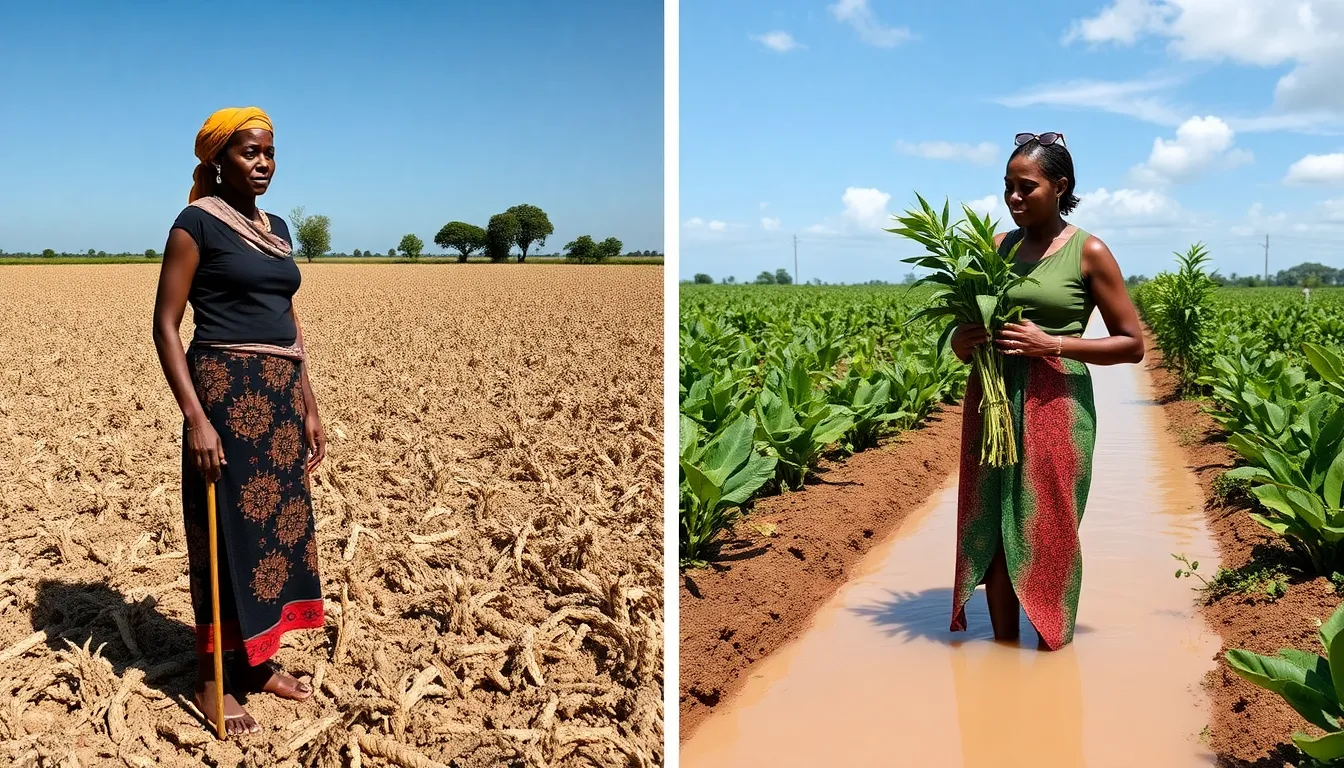
In Kenya, a smallholder farmer named Amina has seen her maize crops fail due to prolonged drought conditions. The situation worsened in early 2023, when the country experienced its worst drought in over four decades, significantly impacting food security. Meanwhile, in Brazil, Maria, a coffee farmer, has been dealing with heavy rains and flooding that have damaged her crops, a situation exacerbated by the recent El Niño phenomenon.
Both women are not only struggling with environmental challenges but also face economic pressures. Rising costs of inputs such as seeds and fertilizers have made it increasingly difficult for them to maintain profitability. Amina reports that the price of fertilizers has surged by over 30% since last year, while Maria has seen her production costs double, forcing her to reconsider her farming practices.
Their stories highlight the interconnectedness of agricultural challenges across continents. As global markets fluctuate and climate crises intensify, farmers like Amina and Maria are left to navigate an uncertain future. Their experiences underscore the urgent need for sustainable farming practices and support systems that can help mitigate these issues on a global scale.
Exploring the agricultural backgrounds of the women
Agriculture has long been a cornerstone of human civilization, but the challenges faced by farmers can vary dramatically across different regions of the world. In this article, we delve into the experiences of two women from distinct continents, each grappling with similar issues on their farms. Their stories are set against the backdrop of historical, political, and economic factors that have shaped agricultural practices and policies in their respective countries.
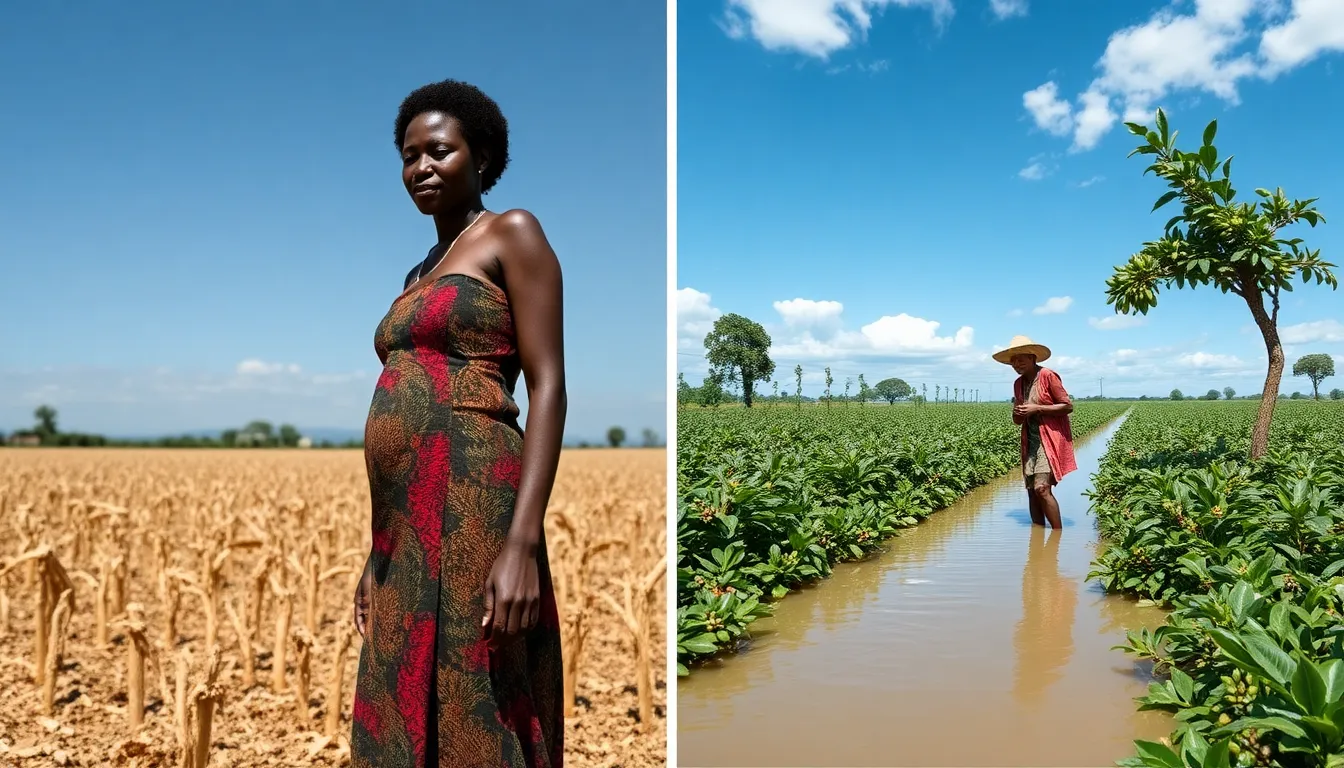
In many developing nations, including parts of Africa, women play a crucial role in agriculture, often constituting a significant portion of the workforce. However, they frequently face systemic barriers such as limited access to land, credit, and education. Historically, colonial land policies and patriarchal structures have marginalized women’s rights to own and manage land, perpetuating cycles of poverty and food insecurity. This has resulted in a scenario where women, despite their contributions, remain largely disenfranchised in agricultural decision-making.
Conversely, in developed nations, farmers often contend with the impacts of industrial agriculture and globalization. While they may have access to resources, they are not immune to challenges such as fluctuating market prices, climate change, and the pressures of large agribusinesses. The story of one woman in North America reflects this struggle, as she navigates the complexities of sustainable farming practices while facing economic pressures that threaten her livelihood. The historical shift towards monoculture and reliance on chemical inputs has also raised concerns about environmental sustainability and food quality.
Key Milestones in Agricultural Policy
Over the decades, various policies have influenced the agricultural landscape, impacting both women and men farmers. In the 1970s, many countries began to implement agricultural reforms aimed at increasing productivity, yet these often overlooked the needs and rights of women farmers. More recently, international efforts such as the United Nations’ Sustainable Development Goals have sought to promote gender equality in agriculture, recognizing the essential role women play in achieving food security. However, the implementation of these policies remains uneven, highlighting the need for continued advocacy and support for women in agriculture.
Analyzing the key issues affecting their farms
The challenges faced by the two women on different continents highlight a complex web of stakeholders, including local governments, agricultural organizations, and environmental groups. Each actor has distinct interests that influence the agricultural landscape, leading to a multifaceted problem for the farmers.
At the local level, governments are often torn between promoting agricultural productivity and ensuring environmental sustainability. Policies may favor large-scale industrial farming, which can marginalize smallholder farmers. This creates a conflict where the interests of the state to boost economic growth clash with the needs of individual farmers striving for sustainable practices.
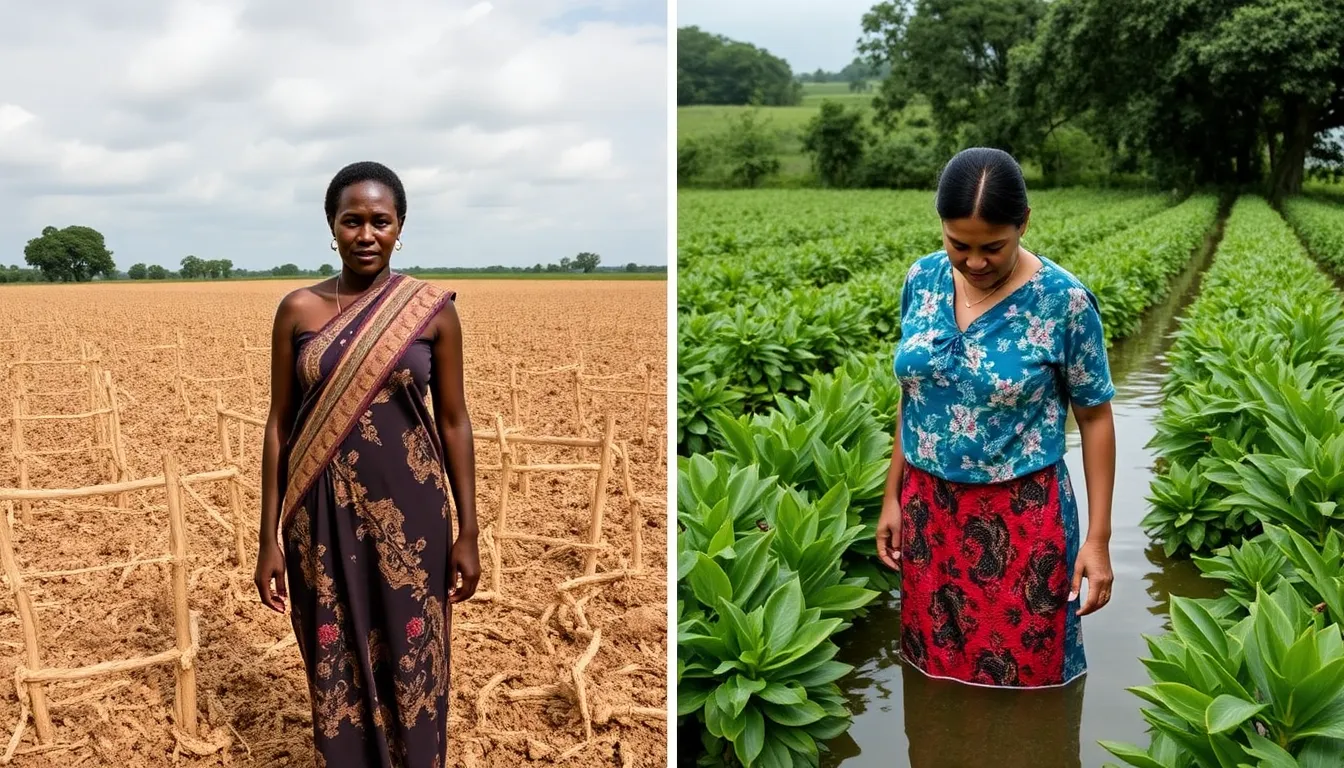
Additionally, agricultural organizations play a crucial role in providing resources, training, and financial support. However, their focus on specific crops or farming methods can sometimes overlook the unique needs of diverse farming communities, leading to trade-offs that may not favor all stakeholders equally.
- Access to Resources: Limited access to funding and technology can hinder farmers’ ability to adapt to changing climates.
- Market Dynamics: Fluctuating market prices for crops can create economic instability for smallholder farmers.
- Environmental Regulations: Stricter regulations aimed at protecting the environment can impose additional burdens on farmers.
- Community Support: The role of local communities in supporting or opposing farming practices can significantly impact farmers’ success.
- Global Trade Policies: International trade agreements can affect local markets, sometimes disadvantaging local farmers.
Ultimately, the intersection of these interests and conflicts creates a challenging environment for the women and their farms. Understanding the broader implications of these issues is essential for addressing the root causes of their struggles.
The impact of these challenges on their communities and markets
The agricultural challenges faced by the two women, one in Africa and the other in South America, resonate deeply within their respective communities. Farmers, local businesses, and consumers are all affected by the issues stemming from climate change, resource scarcity, and economic instability. These problems do not only impact the individuals directly involved in farming but also ripple through entire regions, affecting food security and local economies.
In the short term, farmers may experience reduced crop yields, leading to increased food prices and potential shortages. This can create a cycle of poverty, where families struggle to afford basic necessities. Local markets may see a decline in sales as consumers shift their spending to essential goods, causing further strain on businesses. Additionally, policy responses may be slow, leaving communities vulnerable to the immediate impacts of these agricultural challenges.
Over the mid-term, the agricultural sector could face significant transformations. Farmers might be forced to adapt by adopting new technologies or shifting to more resilient crops, which could create opportunities for innovation in farming practices. However, there is also a risk of increased inequality, as wealthier farmers may have better access to resources and information, while smallholders struggle to keep up.
- Short-term impacts: Increased food prices and shortages.
- Mid-term impacts: Potential shifts in farming practices and market dynamics.
- Risks: Heightened inequality among farmers.
- Opportunities: Innovations in sustainable agriculture.
Ultimately, these challenges highlight the interconnectedness of global agricultural systems. As one woman navigates her struggles on a different continent, the lessons learned can inform policies and practices that benefit farmers worldwide, fostering resilience and sustainability in the face of adversity.
A: The women are dealing with issues such as climate change, lack of resources, and market access, which significantly affect their farming productivity. A: While they face similar challenges, the cultural and economic contexts of their respective countries lead to different coping strategies and solutions. A: Various local and international organizations offer support through training, financial aid, and access to better farming technologies. A: The struggles of these women have a ripple effect, impacting food security, local economies, and community resilience. A: Increased awareness, investment in sustainable practices, and policy changes are essential to support these women and others like them.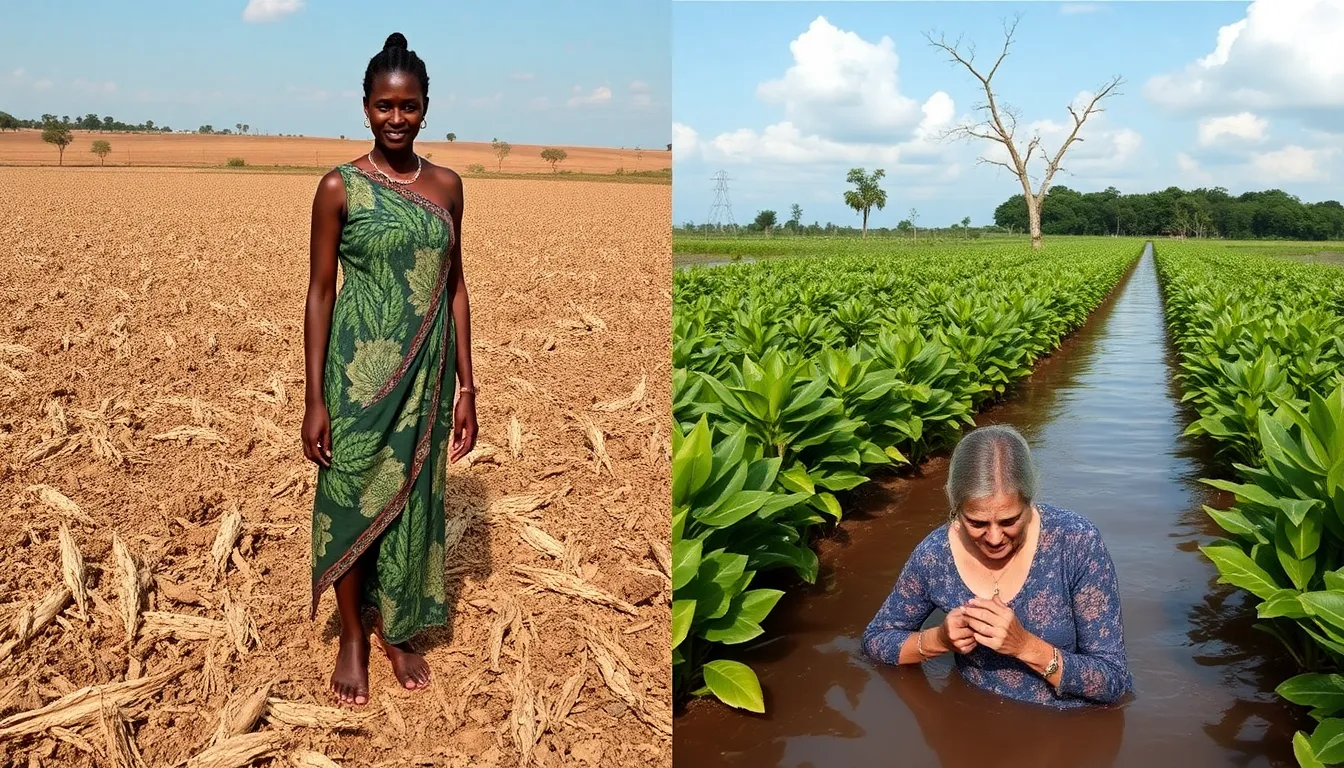
Frequently asked questions about their farming issues
Key insights and future outlook on their farming journeys
The experiences of these two women, despite their geographical differences, highlight the universal challenges faced by farmers worldwide. Both are navigating the complexities of climate change, market access, and sustainable practices, which underscores the need for a more integrated approach to agriculture that transcends borders. As they adapt to their unique environments, their stories serve as a reminder of the resilience required in modern farming.
Looking ahead, it is crucial to recognize the interconnectedness of agricultural issues globally. The lessons learned from their struggles can inform policies and practices that support farmers everywhere, fostering a more sustainable future for food production.
- Investment in sustainable farming practices can mitigate the impacts of climate change on agriculture.
- Access to technology and resources is essential for farmers to improve productivity and resilience.
- Collaboration between farmers across continents can lead to innovative solutions and shared knowledge.
- Policy changes that support equitable market access are vital for empowering women in agriculture.
- Community support networks can enhance the adaptability of farmers facing similar challenges.