
As of October 2023, the country has reported a sharp increase in fertiliser prices, with some key inputs seeing price hikes of over 30%. Major suppliers, including countries that traditionally export potash and phosphates to India, have been unable to fulfil contracts due to logistical issues and sanctions related to the conflict. This has resulted in delays and uncertainty in supply for farmers who rely on timely access to these crucial inputs, something that can be exacerbated by global disruptions.
The Indian government has been working to mitigate the impact of these disruptions by exploring alternative sources of fertiliser and increasing domestic production. However, the transition to new suppliers is not immediate, and there are concerns about the potential long-term effects on crop yields and food availability. Farmers, particularly smallholders, are expressing anxiety over the rising costs and potential inability to fertilise their crops adequately, leading to discussions around sustainable practices.
In response to these challenges, agricultural experts are advocating for a diversified approach to fertiliser use, including the adoption of organic alternatives and improved soil health practices. While these strategies may provide some relief, the immediate need for conventional fertilisers remains critical as the planting season approaches.
Understanding the background of fertiliser imports in India
India has long been one of the largest consumers of fertilisers in the world, driven by its vast agricultural sector which employs a significant portion of the population. The country’s heavy reliance on fertiliser imports can be traced back to the Green Revolution of the 1960s, which aimed to increase food production through the use of high-yield crop varieties and chemical inputs. This initiative marked a turning point in India’s agricultural practices, but it also set the stage for a dependence on foreign fertiliser supplies, particularly urea and potash.
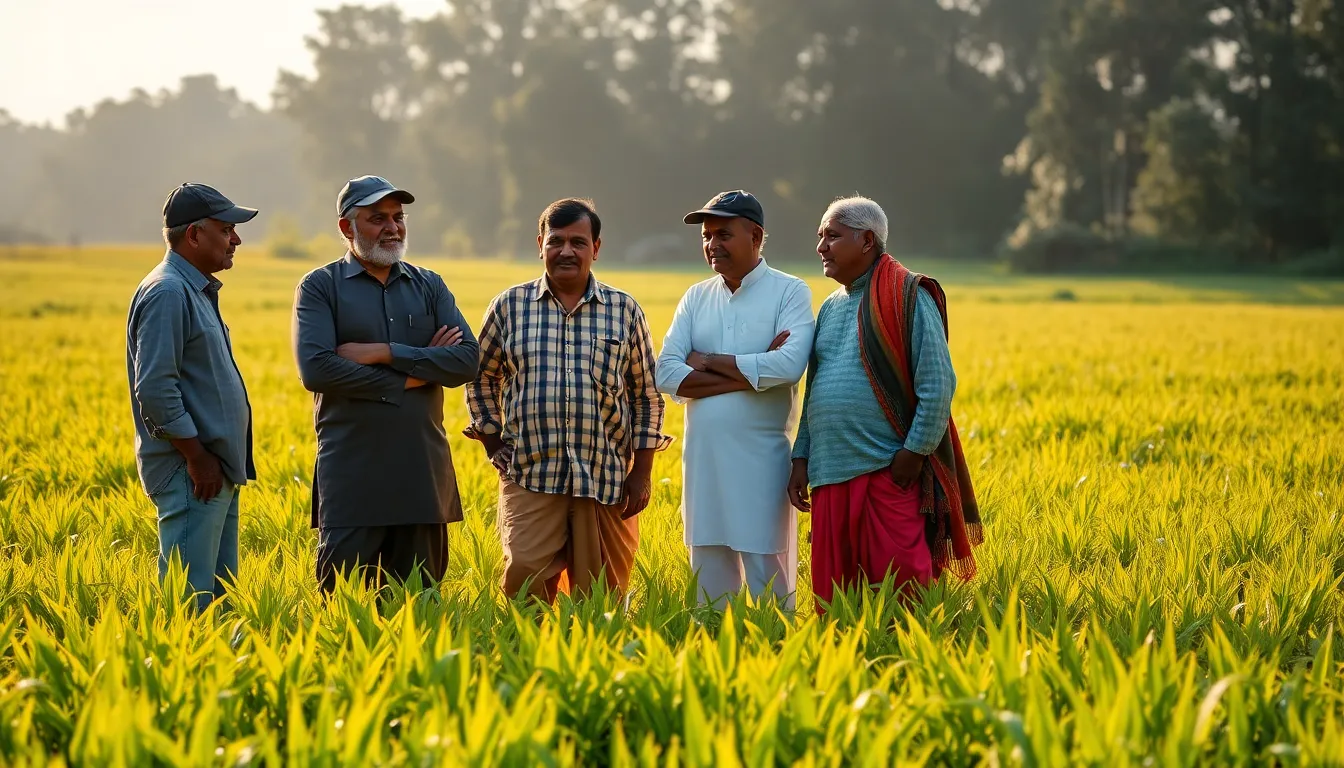
Over the years, geopolitical factors have increasingly influenced India’s fertiliser supply chains. The dissolution of the Soviet Union in the early 1990s and subsequent shifts in global trade dynamics altered the landscape for fertiliser imports. Countries such as Russia and Ukraine emerged as key suppliers, providing a significant portion of India’s potash and phosphatic fertilisers. However, the ongoing conflict in Ukraine has severely disrupted these shipments, leading to concerns over availability and prices in the Indian market, an issue also seen in other sectors.
Economic Impact of Supply Disruptions
The economic ramifications of disrupted fertiliser supplies are profound. With rising prices and limited availability, farmers face increased production costs, which could lead to higher food prices for consumers. This situation is exacerbated by India’s commitment to maintain food security for its large population, which relies heavily on stable agricultural output. The government has historically subsidised fertiliser prices to support farmers, but with rising global costs, sustaining these subsidies becomes increasingly challenging.
Additionally, the Indian government has been exploring alternative sources and methods to mitigate the impact of these disruptions. Initiatives such as promoting organic farming and enhancing domestic production capabilities are part of a broader strategy to reduce dependence on imports. However, these measures require time and investment, leaving farmers vulnerable in the short term as they navigate a landscape marked by uncertainty and escalating costs.
Key stakeholders and issues in the fertiliser market
India’s fertiliser market is currently facing significant strains due to disruptions in global supply chains, primarily influenced by ongoing geopolitical conflicts. Several key stakeholders are involved, each with distinct interests that shape the dynamics of the market.
The Indian government plays a crucial role as a regulator and facilitator, aiming to ensure food security for its vast population. Its interest lies in maintaining stable fertiliser prices and securing adequate supplies to support the agricultural sector. Additionally, the government is also concerned about the financial implications of rising import costs and its impact on subsidies.

Another critical actor is the agricultural sector, which includes farmers and agricultural cooperatives. Farmers depend heavily on fertilisers for crop yields, and any disruption can lead to reduced productivity and increased food prices. Their primary interest is in accessing affordable and timely supplies of fertilisers to sustain their livelihoods.
International suppliers and manufacturers of fertilisers are also key stakeholders. Many of these companies are affected by the war, which has disrupted shipping routes and increased costs. Their interests include maintaining market access and profitability while navigating the complexities of international trade regulations and sanctions.
Key issues arising from this situation include:
- Supply Chain Disruptions: The conflict has led to delays and increased costs in fertiliser shipments, affecting availability.
- Economic Impact: Rising fertiliser prices may lead to increased costs for farmers, potentially resulting in higher food prices for consumers.
- Government Subsidies: The Indian government’s subsidy framework may come under pressure due to escalating import costs, affecting fiscal policies.
- Food Security Concerns: Any significant decline in fertiliser availability could threaten India’s food security, given its reliance on agriculture.
- Trade Relations: The geopolitical landscape may alter India’s trade relationships, impacting future fertiliser imports.
Impact on farmers and the agricultural economy
The ongoing conflict has significantly disrupted the supply chain for fertilizers in India, directly affecting farmers who rely on these essential inputs for crop production. With rising prices and limited availability, many farmers are facing challenges in maintaining their yields, which could lead to reduced agricultural output.

Regions that are heavily dependent on agriculture, such as Punjab and Haryana, are particularly vulnerable. Farmers here may experience immediate financial strain as they are forced to either pay inflated prices for fertilizers or go without them, jeopardizing their harvests and livelihoods.
In the short term, the impact on daily life could manifest as higher food prices for consumers, as reduced crop yields may lead to a decrease in the overall supply of food products. Additionally, businesses involved in the agricultural supply chain, including retailers and distributors, may face disruptions and increased operational costs.
In the mid-term, the agricultural sector may see shifts in policy as the government seeks to mitigate the crisis. This could include subsidies for fertilizers or incentives for alternative farming practices. However, the risks of prolonged supply shortages could lead to a more significant economic downturn in rural areas, exacerbating poverty and food insecurity.
- Increased fertilizer prices impacting farmers’ profitability
- Potential food shortages leading to higher consumer prices
- Policy shifts aimed at stabilizing the agricultural sector
- Opportunities for innovation in sustainable farming practices
While the challenges are substantial, there may also be opportunities for farmers to adopt more sustainable practices, such as organic farming or the use of bio-fertilizers. This shift could lead to long-term benefits for the environment and potentially open up new markets for farmers willing to adapt to changing conditions.
A: The main reasons include ongoing conflicts that have affected shipping routes and increased global demand for fertilisers, leading to shortages. A: The Indian government is exploring alternative suppliers and increasing domestic production to mitigate the impact of supply disruptions. A: Farmers may face reduced crop yields and increased costs, which can significantly affect their income and food security. A: Yes, long-term solutions include investing in sustainable farming practices and improving local fertiliser production capabilities. A: The global market affects prices and availability, as India relies on imports for a significant portion of its fertiliser needs.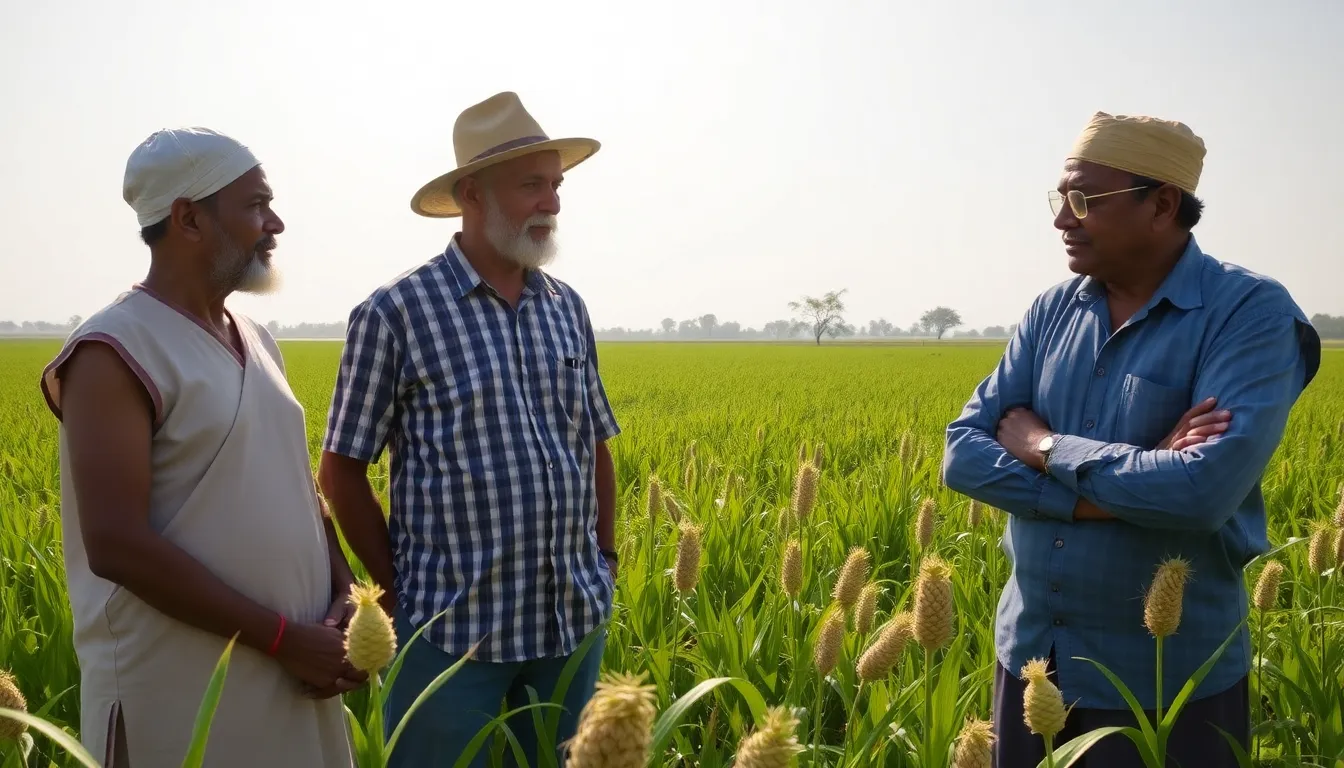
Frequently asked questions about fertiliser supply issues
Outlook on India’s fertiliser supply situation
The ongoing conflict has significantly impacted global fertiliser shipments, placing India’s agricultural sector under considerable strain. With rising prices and supply chain disruptions, farmers face challenges that could affect crop yields and food security. As the situation evolves, it is crucial to monitor the government’s response and the potential for alternative sourcing strategies.
In the coming months, the focus will likely shift towards enhancing domestic production capabilities and exploring new international partnerships. Stakeholders should remain vigilant about market fluctuations and policy changes that could further influence the fertiliser landscape in India.
- Monitor the government’s initiatives to boost domestic fertiliser production.
- Watch for shifts in international trade agreements that may affect supply routes.
- Keep an eye on global fertiliser prices and their impact on local markets.
- Assess the long-term implications for food security and agricultural sustainability.
- Evaluate the potential for innovation in fertiliser alternatives and sustainable practices.