
Key to this success has been the establishment of the New Mexico Health Insurance Exchange, known as BeWellnm, which launched in 2013. This platform has facilitated enrollment and education efforts, making it easier for residents to understand their insurance options, and is an essential part of New Mexico’s insurance landscape. In recent years, the exchange has reported record enrollment numbers, with over 90,000 individuals signing up for coverage during the 2022 open enrollment period alone.
The state’s proactive approach also includes outreach initiatives targeting underserved communities, particularly in rural areas where healthcare access has historically been limited. Collaborations with local organizations and healthcare providers have helped to raise awareness and increase enrollment rates among populations that might otherwise remain uninsured.
Furthermore, New Mexico has benefited from federal funding and support aimed at bolstering the effectiveness of the Affordable Care Act. This includes subsidies that lower the cost of premiums for many residents, making health insurance more affordable. As a result, the state has seen a significant reduction in the uninsured rate, which dropped from 20% in 2013 to approximately 9% in 2022.
The Historical Background of Healthcare in New Mexico
New Mexico’s journey toward becoming an Obamacare success story is rooted in a complex interplay of historical, political, and social factors. The state’s healthcare landscape has been shaped by a combination of its unique demographics, economic challenges, and a commitment to expanding access to care. Historically, New Mexico has faced significant barriers to healthcare access, particularly in rural areas where populations are sparse and resources are limited.

In the early 2000s, New Mexico began to address these challenges through various state-level initiatives aimed at expanding healthcare coverage. The introduction of the 2007 Health Insurance Exchange, known as the New Mexico Health Insurance Alliance, marked a significant milestone in the state’s efforts to provide affordable healthcare options. However, the real turning point came with the implementation of the Affordable Care Act (ACA) in 2010, which provided the framework for states to expand Medicaid and create health insurance marketplaces.
Political Will and Community Engagement
The political climate in New Mexico has also played a crucial role in its healthcare transformation. With a Democratic majority in the state legislature, there has been strong support for expanding Medicaid and implementing the ACA provisions. Community engagement has been vital, as local organizations worked tirelessly to educate residents about their healthcare options and assist them in navigating the enrollment process. This grassroots effort helped to ensure that many New Mexicans took advantage of the new opportunities for coverage.
By 2014, New Mexico had one of the highest rates of enrollment in the ACA marketplace, reflecting a successful combination of policy decisions and community outreach. The state’s commitment to reducing the uninsured rate has continued to yield positive results, with significant improvements in health outcomes and access to care for vulnerable populations. As New Mexico stands as a model for other states, its history underscores the importance of a collaborative approach to healthcare reform.
Key Stakeholders and Their Roles in the Success
New Mexico’s success in implementing the Affordable Care Act (ACA), commonly known as Obamacare, can be attributed to a variety of stakeholders, each with distinct interests and contributions. These include state government officials, healthcare providers, insurance companies, non-profit organizations, and the citizens of New Mexico. Understanding the dynamics among these actors is crucial to grasping the broader implications of the state’s healthcare achievements.
At the forefront, the New Mexico state government played a pivotal role in the expansion of Medicaid and the establishment of the state’s health insurance exchange, BeWellnm. State officials, including the Governor and the Department of Human Services, prioritized healthcare access as a means to improve public health outcomes and reduce uninsured rates. Their interest lies in leveraging federal funds to support state health initiatives while ensuring that residents receive affordable coverage.

Healthcare providers, including hospitals and clinics, are another key group invested in the success of Obamacare in New Mexico. They benefit from increased patient volumes due to expanded insurance coverage, which helps stabilize their financial situations. However, they also face challenges related to reimbursement rates and the need for improved care coordination. The balance between providing quality care and managing costs remains a central issue for these stakeholders.
- Insurance Companies: Insurers operating in New Mexico have a vested interest in attracting new customers through competitive pricing and innovative plans. Their participation in the exchange has increased market competition, but they also grapple with regulatory requirements and the need to maintain profitability.
- Non-Profit Organizations: Advocacy groups and non-profits have championed the cause of healthcare access, working to educate the public about available options and assisting with enrollment. Their role often includes addressing health disparities and ensuring that marginalized communities receive the support they need.
- Citizens: The residents of New Mexico are the ultimate stakeholders, as their health outcomes and financial well-being are directly impacted by the success of Obamacare. Many have benefited from expanded coverage, but challenges remain, particularly in rural areas where access to care can be limited.
Conflicts and trade-offs among these stakeholders often arise, particularly regarding funding and resource allocation. For instance, while expanding Medicaid has increased access, it has also strained state budgets and raised concerns about sustainability. Additionally, the varying interests of insurance companies and healthcare providers can lead to tensions over pricing and reimbursement strategies.
Legal and economic issues also play a significant role in shaping the landscape of healthcare in New Mexico. Regulatory changes at the federal level can impact the state’s ability to maintain its successes, creating uncertainty for stakeholders. As New Mexico continues to navigate these complexities, the collaborative efforts of all involved parties will be essential in sustaining and enhancing the state’s healthcare achievements.
The Impact of Obamacare on New Mexico’s Population
The implementation of the Affordable Care Act (ACA), commonly known as Obamacare, has significantly transformed the healthcare landscape in New Mexico. Various groups, including low-income families, the uninsured, and small business owners, have experienced profound changes as a result of this legislation. The expansion of Medicaid and the establishment of health insurance marketplaces have provided access to healthcare for many who previously faced barriers.
In the short term, the increased availability of affordable health insurance has led to a decrease in the uninsured rate across the state. Many residents are now able to seek preventive care, reducing the incidence of untreated health issues. This shift has not only improved individual health outcomes but has also alleviated pressure on emergency services, which often served as a last resort for the uninsured.

Mid-term impacts are likely to include a boost in local economies as more individuals gain access to healthcare. With more people insured, there is an anticipated increase in spending on health-related services. Small businesses may also benefit from the ACA provisions, as they can access tax credits to help cover employee health insurance costs. However, there are risks associated with potential market instability if the federal support for these programs is reduced or if there are significant changes to the ACA.
- Increased Access: More residents can obtain health insurance, leading to better health outcomes.
- Economic Growth: Local economies may see growth as healthcare spending increases.
- Small Business Support: Tax credits for small businesses can help them provide health insurance to employees.
- Market Risks: Potential instability if federal support diminishes or policies change.
Overall, while the ACA has brought numerous opportunities for improved health and economic stability, it also presents challenges that policymakers must navigate to ensure continued success in New Mexico’s healthcare system.
A: New Mexico implemented outreach programs, expanded Medicaid, and created a state-based health insurance exchange, which significantly increased enrollment and access to care. A: New Mexico’s diverse population, including a high percentage of low-income individuals, made the expansion of Medicaid particularly impactful, allowing more residents to gain health coverage. A: Initially, New Mexico faced technical issues with its health exchange platform and resistance from some political groups, but these were addressed through collaboration and adjustments. A: Yes, New Mexico’s focus on community engagement, tailored outreach, and collaboration among stakeholders serves as a model for other states looking to improve their healthcare systems.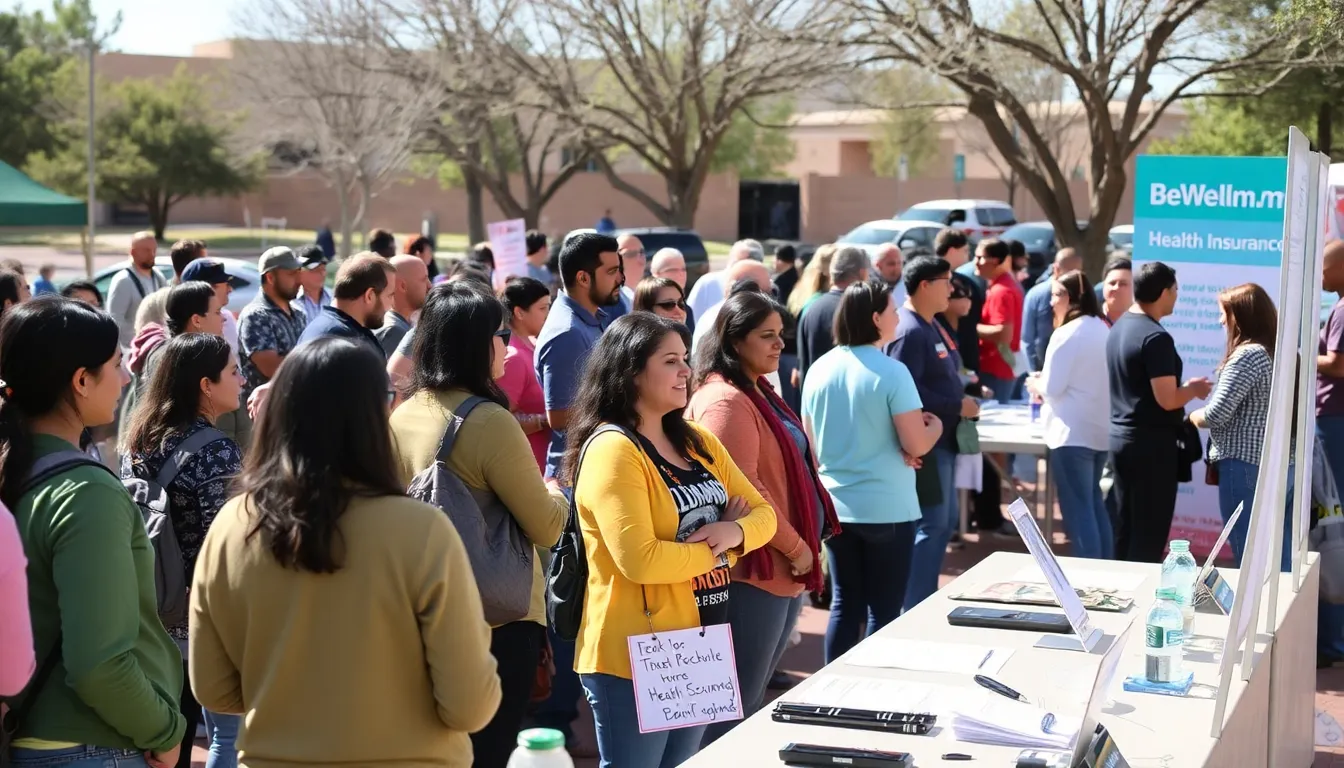
Frequently Asked Questions about New Mexico’s Obamacare Success
Looking Ahead: Future Prospects for Healthcare in New Mexico
As New Mexico continues to navigate the complexities of healthcare reform, the state’s experience with Obamacare serves as a valuable case study for other regions. The successful implementation of the Affordable Care Act has not only expanded coverage but also fostered a more robust healthcare infrastructure. Moving forward, it will be crucial for policymakers and stakeholders to build on these achievements while addressing ongoing challenges, such as affordability and access to care.
Monitoring the evolving landscape of healthcare in New Mexico will provide insights into the effectiveness of state-level initiatives and the potential for further innovation. The continued collaboration between government, healthcare providers, and community organizations will be essential in ensuring that the gains made thus far are sustained and improved upon.
- Expansion of Telehealth Services: The rise of telehealth during the pandemic has shown promise in increasing access to care, particularly in rural areas.
- Focus on Preventive Care: Emphasizing preventive measures can lead to better health outcomes and lower long-term costs for the healthcare system.
- Community Engagement: Involving local communities in healthcare decisions can enhance trust and improve service delivery.
- Monitoring Policy Changes: Keeping an eye on federal and state policy shifts will be crucial for anticipating changes in healthcare availability and funding.
- Equity in Healthcare: Addressing disparities in healthcare access and outcomes remains a priority, requiring targeted interventions and investments.