
Additionally, on October 5, 2023, the U.S. Department of Justice filed an antitrust lawsuit against a prominent tech giant, accusing it of monopolistic practices that stifle competition in the digital marketplace. This lawsuit has sparked widespread discussions about the need for reform in how these companies operate, highlighting growing concerns among lawmakers and consumers alike, much like the issues surrounding discrimination in esports.
Moreover, public sentiment appears to be shifting, with recent surveys indicating that a majority of Americans now support stricter regulations on big tech. This change in public opinion is significant, as it reflects a mounting frustration with issues such as data privacy breaches and the perceived lack of accountability from these corporations.
As these developments unfold, industry analysts suggest that the era of unchecked growth and influence for big tech may be coming to an end. The combination of regulatory scrutiny, legal challenges, and changing consumer attitudes may lead to a more balanced digital landscape in the near future.
Understanding the historical context of big tech’s rise
The ascent of big tech companies has been a defining feature of the global economy over the past two decades. Beginning in the late 1990s and early 2000s, the rapid proliferation of the internet and digital technologies created fertile ground for tech giants like Google, Amazon, Facebook, and Apple to flourish. Their innovative business models and the ability to scale operations quickly allowed them to dominate their respective markets, often with little regulatory oversight.

Initially, these companies were celebrated for their contributions to economic growth and consumer convenience. The tech boom was characterized by an ethos of disruption, where traditional industries were transformed or rendered obsolete. This period of invincibility was marked by significant milestones, including Google’s IPO in 2004 and Facebook’s launch in 2004, both of which set the stage for the digital economy’s expansion.
The Shift in Regulatory Landscape
However, as these companies grew, so did concerns over their market power and influence on society. By the late 2010s, scrutiny from regulators intensified, particularly in the European Union and the United States. Key events such as the Cambridge Analytica scandal in 2018 and ongoing debates around antitrust laws highlighted the need for a reevaluation of how these companies operate. The realization that unchecked power could lead to negative societal impacts prompted governments to take action, marking a pivotal shift in the regulatory landscape.
In 2021, a series of high-profile hearings and investigations underscored the urgency of addressing issues related to privacy, misinformation, and monopolistic practices. These developments signaled the beginning of the end of the era where big tech operated with relative impunity, as lawmakers sought to implement stricter regulations and accountability measures. The culmination of these efforts has led to the current moment, where big tech finds itself facing unprecedented challenges to its dominance.
Key stakeholders and their roles in the current landscape
In the evolving landscape of big tech regulation, several key stakeholders have emerged, each with distinct interests and influences. These stakeholders include technology companies, government regulators, consumer advocacy groups, and the general public. Each group plays a critical role in shaping the future of the tech industry and its regulatory environment.
Technology companies, such as Google, Facebook, and Amazon, have historically enjoyed significant autonomy and market power. Their primary interest lies in maintaining this dominance while continuing to innovate and expand their services. However, recent legal challenges and regulatory scrutiny have forced these companies to reassess their strategies, particularly regarding data privacy and anti-competitive practices.
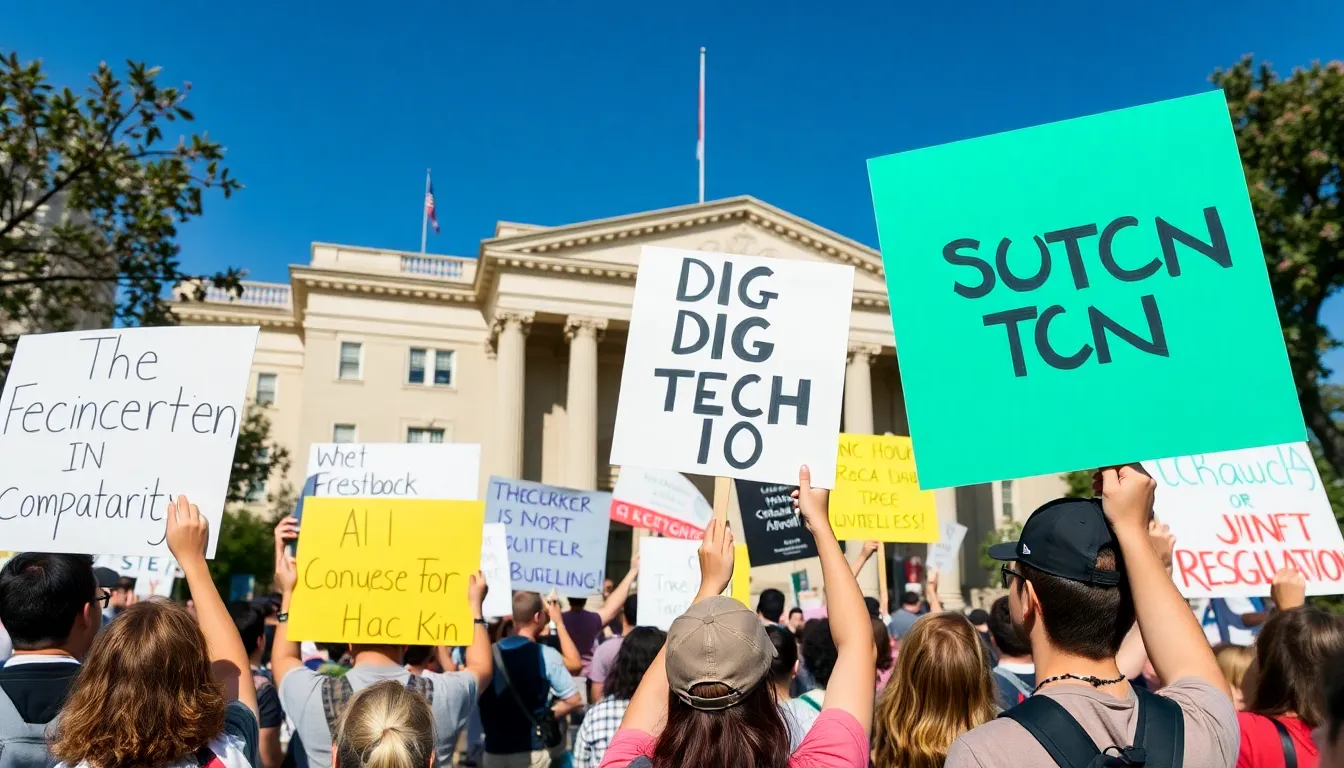
Government regulators are pivotal in this landscape, as they seek to enforce laws that curb monopolistic behaviors and protect consumer rights. The European Union and the United States have been at the forefront of this movement, introducing legislation aimed at increasing transparency and accountability in the tech sector. Their challenge lies in balancing the need for innovation with the imperative of regulation, which often leads to conflicts with tech giants.
- Consumer advocacy groups have emerged as critical voices, pushing for stronger protections against data misuse and advocating for fair competition.
- The general public is increasingly aware of the implications of big tech practices, often demanding greater transparency and ethical standards from these companies.
- Investors are also stakeholders, as they assess the financial implications of regulatory changes on tech companies’ profitability and growth prospects.
The interplay between these stakeholders highlights the complexity of the current environment. Conflicts often arise between the interests of big tech firms seeking to maximize profits and the regulatory bodies aiming to protect consumer interests. Additionally, the economic implications of these regulations could lead to trade-offs that affect innovation and market dynamics, making it essential for all parties to navigate this landscape carefully, as also seen in the context of cultural shifts.
The implications for consumers and the market
The recent regulatory shifts signaling the end of big tech’s dominance will have widespread implications for various groups, particularly consumers, small businesses, and the tech industry itself. As these giants face increased scrutiny, the landscape of digital services and products is poised for significant transformation.
In the short term, consumers may experience a more competitive market with potentially lower prices and improved services as smaller companies gain traction. This could lead to a diversification of choices in technology and online services, fostering innovation. However, there are risks associated with this transition, including the potential for service disruptions as companies adapt to new regulations.
Industries that rely heavily on big tech platforms, such as advertising and e-commerce, may feel immediate pressure as these giants adjust their business models. Small businesses that have depended on big tech for visibility and sales may find new opportunities to carve out their niche in a less monopolized market. Yet, they may also face challenges in navigating the evolving digital landscape.

- Short-term impacts: Increased competition leading to better consumer choices.
- Mid-term impacts: Potential for innovation as smaller players enter the market.
- Risks: Service disruptions and market volatility during the transition.
- Opportunities: Small businesses can leverage new regulations to enhance visibility.
Regions with a strong tech presence, such as Silicon Valley, may see shifts in investment patterns as venture capitalists look for emerging players outside the established giants. This could lead to a more geographically diverse tech ecosystem, benefiting areas that have previously been overshadowed by major tech hubs.
Overall, while the immediate effects of these changes may pose challenges, they also present a unique opportunity for a more balanced and equitable market landscape, where innovation and consumer interests can thrive in the long run.
A: Recent regulatory actions and public scrutiny have significantly impacted big tech companies, forcing them to adapt their practices. A: Consumers may see improved privacy protections and more choices in the market as companies adjust to new regulations. A: While the current changes are significant, the long-term effects will depend on ongoing regulatory developments and market responses. A: Big tech companies are likely to focus on compliance and innovation to regain consumer trust and market position. A: Investors are closely monitoring the situation, with some expressing concern over potential impacts on profitability.
Frequently asked questions about the recent changes
Key takeaways and future outlook for big tech
The recent developments in the tech industry signal a significant shift in the balance of power, as regulatory pressures and public scrutiny challenge the long-standing dominance of major players. This transformation suggests a landscape where innovation must align with ethical practices and greater accountability. Companies that adapt to these changes will likely emerge stronger, while those that resist may face increasing obstacles.
As we look ahead, it is crucial to monitor how these dynamics unfold, particularly in relation to consumer trust, regulatory frameworks, and competitive strategies. The era of unchecked growth may be giving way to a more measured approach, emphasizing sustainability and responsibility.
- Regulatory scrutiny will intensify: Expect more stringent regulations aimed at data privacy, monopolistic practices, and ethical technology use.
- Consumer expectations are evolving: Users are increasingly prioritizing transparency and ethical practices, impacting brand loyalty and market dynamics.
- Innovation must be responsible: Companies will need to balance technological advancement with societal impact, focusing on sustainable and inclusive solutions.
- Collaboration over competition: Partnerships between tech firms and regulatory bodies may become essential to navigate the new landscape effectively.