
The Japanese government aims to bolster its deterrence strategy in response to perceived threats from China, which has been increasing its military presence in the region. This shift connects to China’s strategic moves against Japan.
Key elements of this plan include the installation of advanced missile systems that can reach targets across the Taiwan Strait. This initiative is expected to strengthen Japan’s alliance with the United States, as both nations seek to counterbalance China’s growing influence in the Indo-Pacific region.
Japan’s defense ministry has allocated a substantial budget for this deployment, highlighting the urgency of the situation. As tensions continue to escalate, the implications of Japan’s military enhancements will be closely monitored by neighboring countries and global powers alike.
Understanding the geopolitical context of Japan’s decision
Japan’s decision to deploy missiles on an island near Taiwan by 2031 marks a significant shift in its defense strategy, influenced by an increasingly tense regional security environment. This decision is crucial as it relates to Japan’s response to China’s assertive territorial claims.
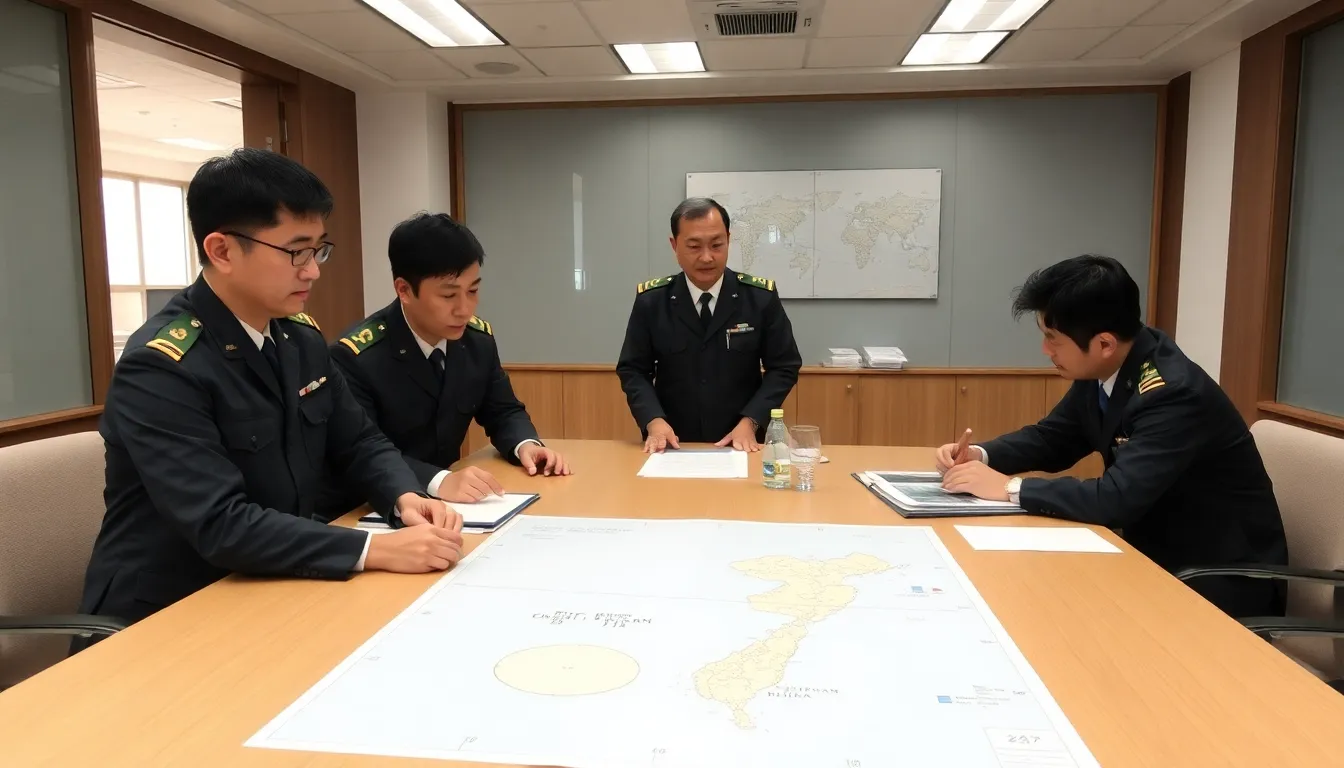
In recent years, the geopolitical landscape in East Asia has been characterized by heightened tensions between China and Taiwan, with China asserting its claims over Taiwan more aggressively. The Taiwan Strait, a critical waterway for trade and military strategy, has become a focal point for military posturing. Japan’s proximity to Taiwan and its alliance with the United States necessitate a proactive approach to ensure regional stability, similar to moves seen in other regional contexts highlighted in recent geopolitical trends.
The U.S.-Japan Alliance
The U.S.-Japan alliance has been a cornerstone of security in the Asia-Pacific region since its formation in 1960. This partnership has evolved to address modern threats, including North Korea’s missile tests and China’s military modernization. The United States has encouraged Japan to take on a more active role in regional security, leading to increased defense spending and military capabilities. The planned missile deployment is a reflection of this evolving dynamic, as Japan seeks to bolster its deterrent capabilities in collaboration with its allies.
Key milestones in this shift include Japan’s 2014 reinterpretation of its pacifist constitution, allowing for collective self-defense, and the 2021 agreement to enhance defense cooperation with the U.S. These developments signal a broader acceptance within Japan of the need for a more robust military posture in response to the changing security landscape.
Furthermore, the economic implications of this decision cannot be overlooked. Japan’s defense industry has the potential to grow significantly as the country invests in advanced military technology. This move also aligns with broader trends in the region, where countries are increasingly prioritizing defense spending in light of perceived threats, thus reshaping the economic landscape of defense procurement and military alliances.
Key stakeholders and their interests in the missile deployment
The decision by Japan to deploy missiles on an island near Taiwan by 2031 involves multiple stakeholders, each with distinct interests. The primary actors include the Japanese government, the Taiwanese government, the People’s Republic of China (PRC), and the United States. Each of these entities has specific motivations that drive their positions on this military development.
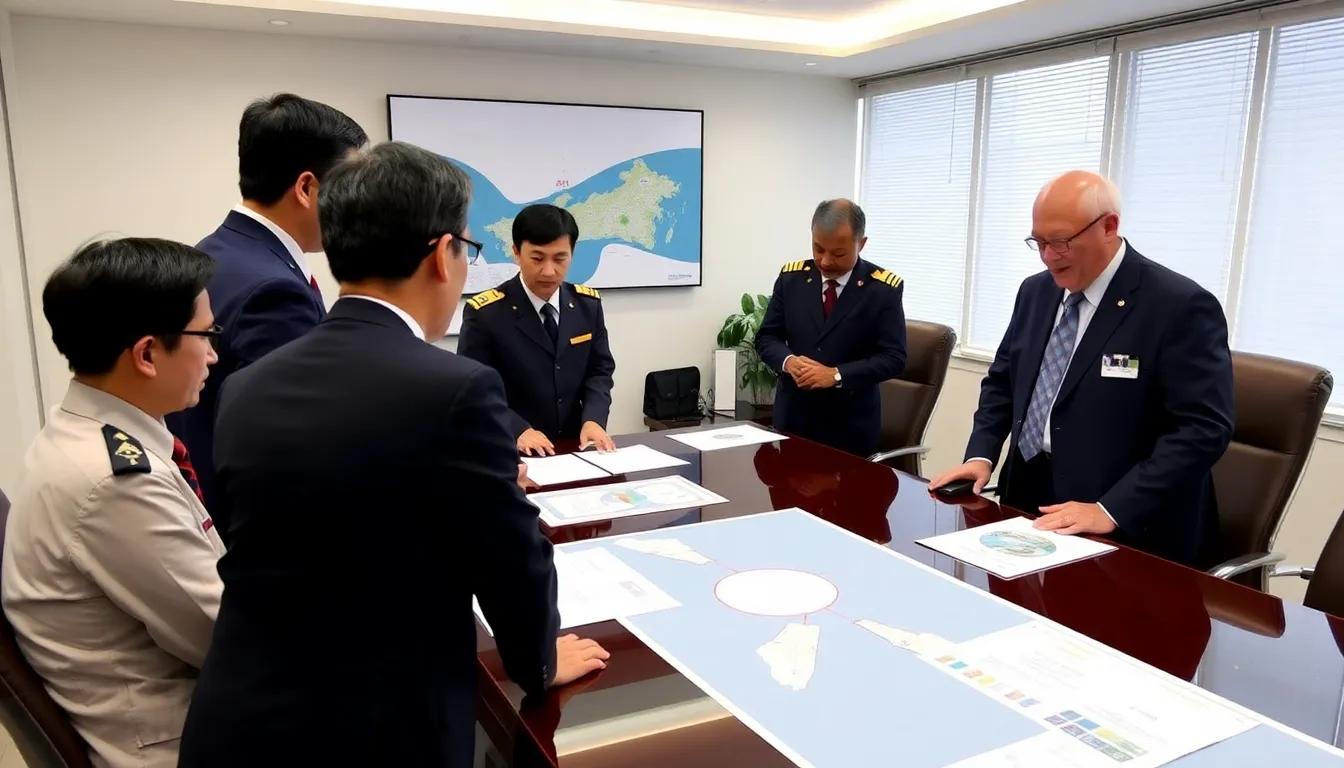
The Japanese government aims to enhance its national security and deterrence capabilities in response to increasing regional tensions, particularly from China. By positioning missiles closer to Taiwan, Japan seeks to bolster its defense posture and reassure its allies, while also signaling its commitment to regional stability.
On the other hand, the Taiwanese government views Japan’s missile deployment as a potential safeguard against Chinese aggression. Taiwan’s interest lies in maintaining its sovereignty and security, and collaboration with Japan could provide a strategic advantage in the face of escalating military pressure from the PRC.
For the People’s Republic of China, Japan’s missile deployment represents a direct threat to its territorial claims and regional ambitions. China is likely to respond with heightened military readiness and diplomatic protests, emphasizing its stance on sovereignty and territorial integrity.
- Regional Security Dynamics: The deployment may alter the balance of power in East Asia, prompting reactions from neighboring countries.
- Economic Implications: The military buildup could affect trade routes and economic relations in the region, particularly with China.
- Legal Issues: Questions may arise regarding the legality of missile deployment under international law and treaties.
- U.S. Involvement: The United States may play a role in supporting Japan’s decision, which could further complicate its relations with China.
Potential impacts on regional security and international relations
The deployment of missiles by Japan on an island near Taiwan by 2031 is poised to affect various groups and industries across East Asia. Key stakeholders include local populations, businesses, and governments in Japan, Taiwan, and China, as well as international allies and partners in the region. The strategic military positioning is likely to escalate tensions in an already volatile area, prompting a reevaluation of defense strategies and diplomatic relations.
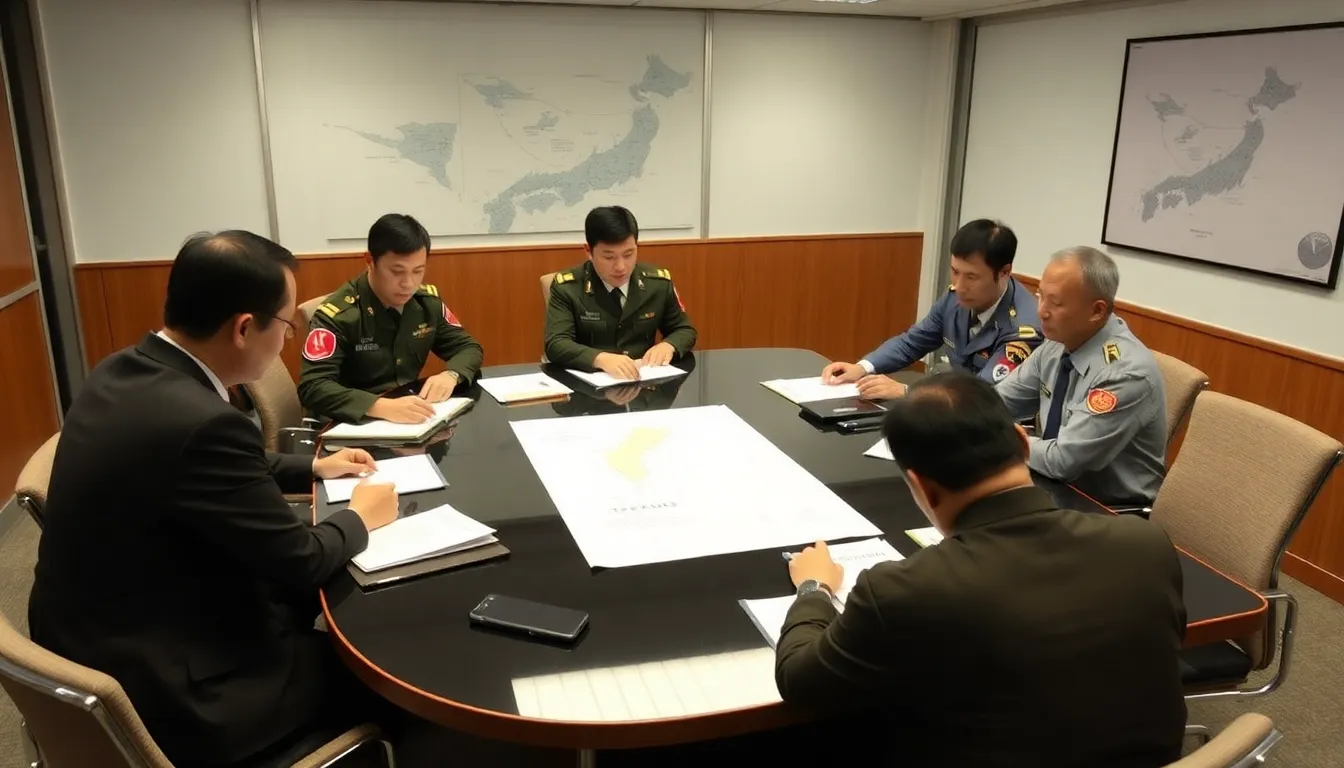
In the short term, local communities in Japan may experience increased military presence, which could lead to disruptions in daily life. Businesses in the defense sector may see a boost in contracts and funding, while industries reliant on tourism may face challenges due to heightened security measures. Furthermore, the local economy could benefit from increased government spending on infrastructure related to the missile deployment.
Mid-term impacts may include shifts in regional trade dynamics as countries reassess their economic ties with Japan and Taiwan. For instance, businesses in sectors such as technology and manufacturing could be affected by potential supply chain disruptions or changes in trade policies. Additionally, diplomatic relations between Japan and China may sour, leading to economic repercussions such as sanctions or trade barriers.
- Increased military spending: Boost in defense contracts for Japanese and allied companies.
- Potential tourism decline: Decreased visitor numbers due to heightened security.
- Regional trade shifts: Reevaluation of trade agreements and partnerships.
- Impact on local communities: Changes in daily life due to military presence.
- Diplomatic tensions: Strained relations with neighboring countries.
While the risks associated with this military deployment are significant, there are also potential opportunities for collaboration among allied nations. Joint military exercises and defense initiatives could strengthen partnerships and enhance regional security. Furthermore, increased focus on defense technology may lead to innovation and growth in the defense industry, creating jobs and fostering economic development in the long run.
A: Japan aims to strengthen its defense posture in response to increasing regional tensions, particularly from China. The deployment is part of a broader strategy to enhance deterrence capabilities. A: Japan is expected to deploy advanced surface-to-air and anti-ship missiles, which are designed to counter potential threats from hostile forces in the region. A: The missile deployment may escalate tensions between Japan and China, as it could be perceived as a direct challenge to China’s military ambitions in the Taiwan Strait. A: The deployment is scheduled to be completed by 2031, with Japan ramping up its military capabilities in the coming years. A: This move aligns with Japan’s shift towards a more proactive defense policy, aimed at addressing security threats in a rapidly changing geopolitical landscape.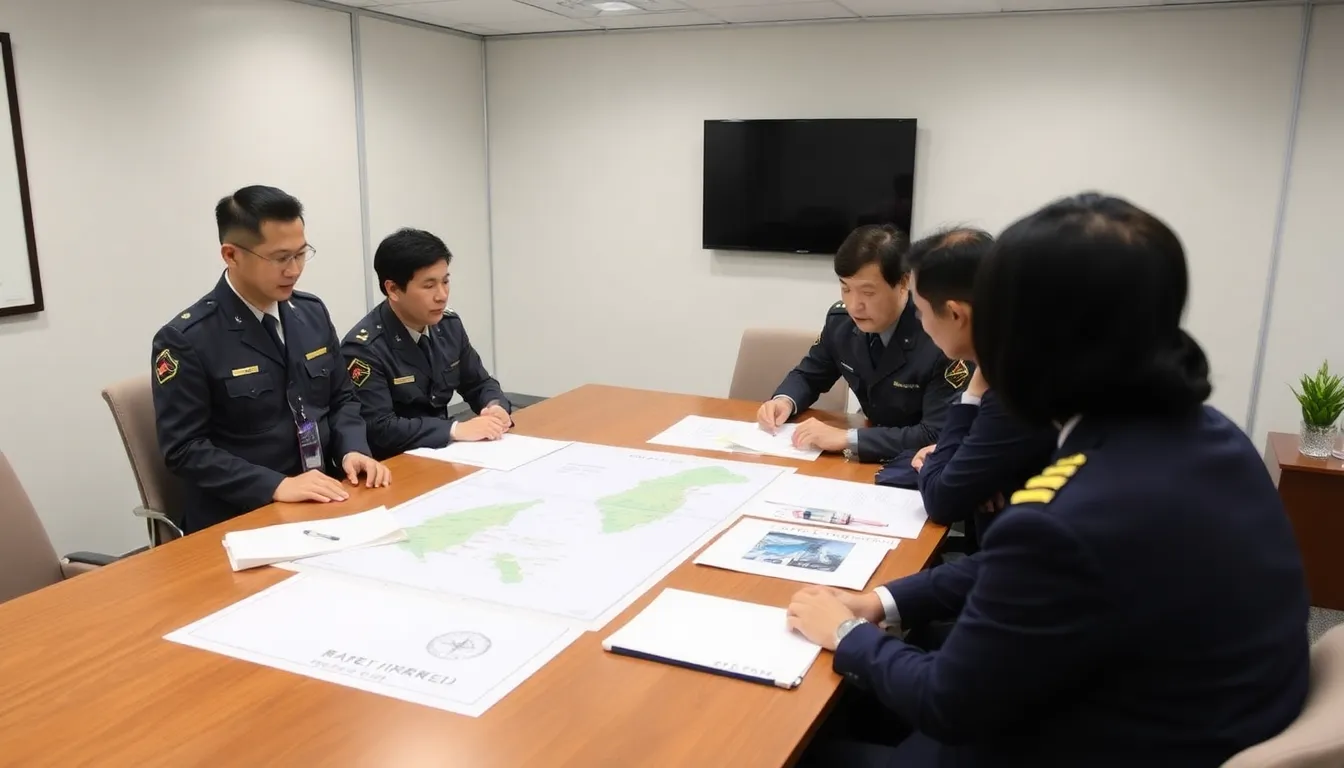
Frequently asked questions about Japan’s missile deployment
Key takeaways and future outlook on Japan’s defense strategy
The decision to deploy missiles on an island near Taiwan by 2031 marks a significant shift in Japan’s defense posture, reflecting growing concerns over regional security dynamics. This move is not merely a response to immediate threats but a strategic positioning aimed at enhancing deterrence capabilities in the face of increasing military assertiveness from neighboring countries.
As Japan strengthens its military presence, the implications for regional stability and international relations will become more pronounced. Observers should closely monitor how this development influences Japan’s alliances, particularly with the United States, and its interactions with China and Taiwan.
- Watch for potential changes in Japan’s defense budget and military spending as it ramps up capabilities.
- Consider the impact on Japan’s diplomatic relations with China, which may respond with increased military activity in the region.
- Monitor the responses from the United States, particularly regarding joint military exercises and strategic partnerships in the Indo-Pacific.
- Evaluate the implications for Taiwan’s security and its own military strategies in light of Japan’s new positioning.
- Anticipate discussions within Japan about the broader implications of militarization and public sentiment towards defense initiatives.