
The U.S. Department of Justice has charged Castro with multiple offenses, including crimes against humanity, stemming from his role in the repression of political dissent during his leadership. These charges highlight the ongoing tensions between the U.S. and Cuba, particularly in light of recent protests in Cuba calling for greater freedoms and economic reforms.
This indictment could have far-reaching consequences for U.S.-Cuba relations. It signals a shift in U.S. policy, moving towards a more aggressive stance against the Cuban government, which has been criticized for its authoritarian practices. Furthermore, it may embolden opposition groups within Cuba and abroad, as they seek to leverage international support for their cause.
As the situation unfolds, the international community will be closely watching how the Cuban government responds to these charges. The indictment of a figure as prominent as Raúl Castro could provoke further unrest in Cuba, as well as influence diplomatic relations in the region, particularly with countries that maintain close ties to Havana.
Historical context of US-Cuba relations and Castro’s legacy
The relationship between the United States and Cuba has been fraught with tension and conflict since the early 20th century. Following the Cuban Revolution in 1959, led by Fidel Castro, Cuba transitioned from a U.S.-backed dictatorship to a socialist state. This shift alarmed the U.S. government, which feared the spread of communism in the Western Hemisphere, leading to a series of confrontations that would define bilateral relations for decades.
One of the most significant events was the Bay of Pigs invasion in 1961, where a CIA-backed force of Cuban exiles attempted to overthrow Castro’s government. The invasion failed spectacularly, solidifying Castro’s power and pushing Cuba closer to the Soviet Union, culminating in the Cuban Missile Crisis of 1962, a 13-day confrontation that brought the world to the brink of nuclear war, further entrenching the adversarial relationship between the two nations.
Throughout the following decades, the U.S. imposed a comprehensive economic embargo on Cuba, aimed at crippling its economy and forcing regime change. Despite these efforts, Castro retained control until his retirement in 2008, passing power to his brother Raúl Castro. The U.S. policy of isolation continued under Raúl, though there were moments of thawing relations, notably during the Obama administration, which saw the restoration of diplomatic ties in 2015.
Raúl Castro’s Leadership and Recent Developments
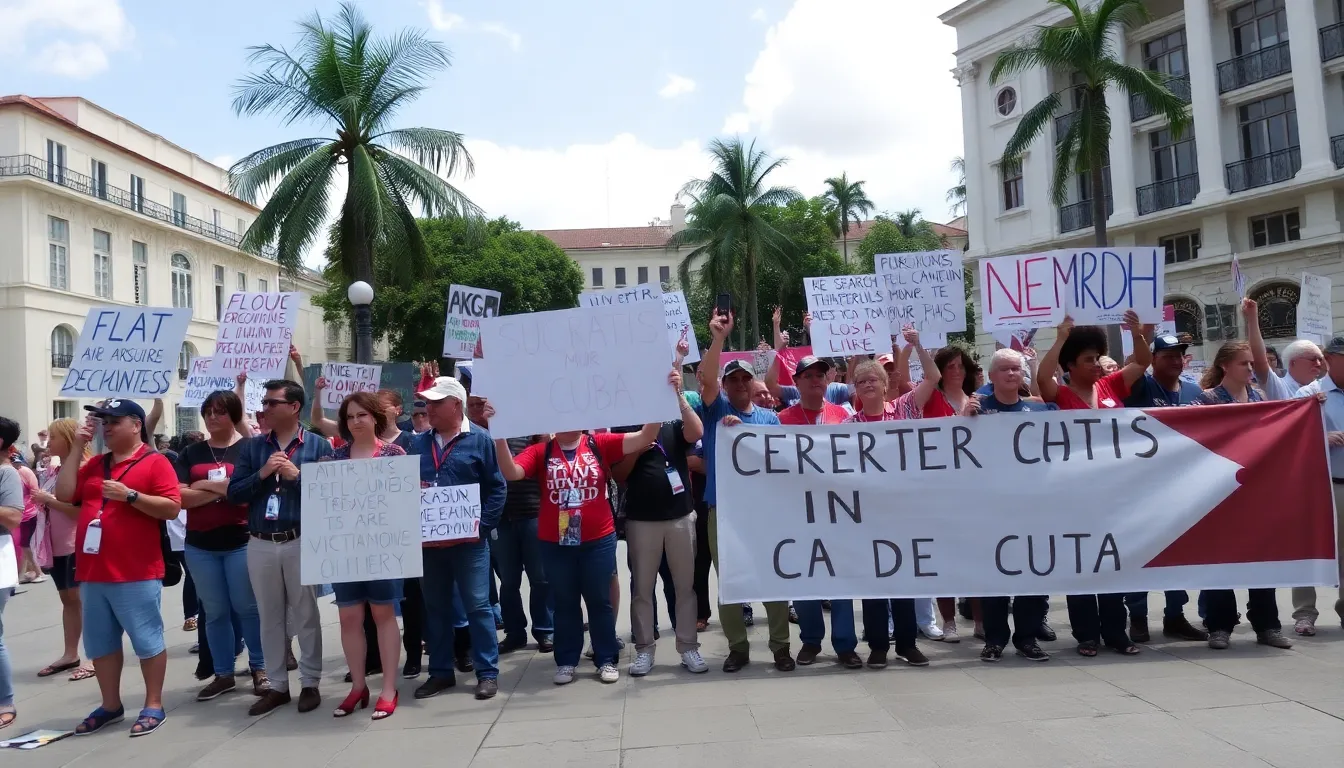
Raúl Castro’s leadership brought some economic reforms, but political repression continued, leading to widespread dissatisfaction among the Cuban populace. In recent years, protests against the regime have erupted, fueled by economic hardship exacerbated by the pandemic and ongoing sanctions. The U.S. response has evolved, with increasing calls for accountability for human rights violations. The recent indictment of Raúl Castro represents a significant escalation in U.S. efforts to hold the former leader accountable and signals a renewed commitment to supporting democratic movements in Cuba.
Key stakeholders and their positions regarding the indictment
The indictment of former Cuban president Raúl Castro by the United States represents a significant geopolitical development, with various stakeholders holding differing positions and interests. Key actors include the U.S. government, the Cuban regime, international human rights organizations, and the Cuban diaspora. Each of these stakeholders has a unique perspective on the implications of this legal action.
The U.S. government, particularly under the current administration, aims to exert pressure on the Cuban regime to encourage political reform and human rights improvements. By indicting Castro, the U.S. seeks to highlight alleged human rights abuses and promote a narrative of accountability. This action aligns with broader U.S. foreign policy goals in Latin America, which include supporting democratic movements and countering authoritarianism.
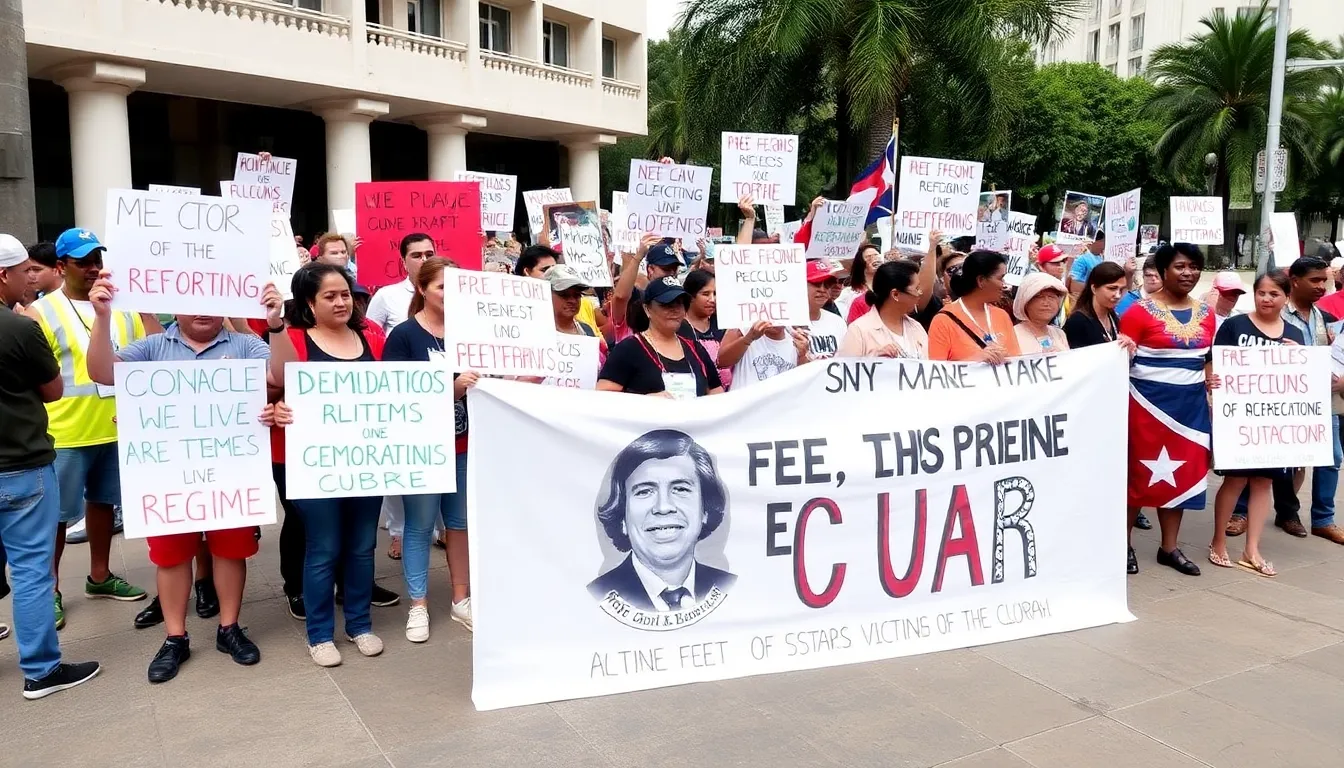
On the other hand, the Cuban regime, led by President Miguel Díaz-Canel, views the indictment as an affront to its sovereignty and a continuation of U.S. aggression. The regime is likely to leverage this situation to rally domestic support, portraying the U.S. as an imperialist force attempting to undermine Cuba’s independence. This could further entrench the government’s position and justify its crackdown on dissent.
- Human Rights Organizations: Groups like Amnesty International and Human Rights Watch may welcome the indictment as a step towards justice for victims of repression in Cuba. They advocate for international accountability and may use this moment to push for broader sanctions against the regime.
- Cuban Diaspora: The Cuban-American community, particularly those who fled the regime, may see the indictment as a validation of their experiences and struggles. This group often supports U.S. measures aimed at destabilizing the current government in Cuba.
- International Relations: Other countries, especially those with close ties to Cuba, may view the indictment as a violation of international law and a potential escalation of tensions in the region. This could affect diplomatic relations and economic partnerships.
In summary, the indictment of Raúl Castro is a multifaceted issue with a range of stakeholders, each with distinct interests and concerns. The legal ramifications, combined with the broader geopolitical context, create a complex landscape that will likely evolve as responses from various parties unfold.
Potential impact on Cuban citizens and the political landscape
The indictment of former Cuban president Raúl Castro by the United States represents a significant shift in the geopolitical landscape of the region. This action not only affects the Cuban government but also has far-reaching implications for various groups and industries within Cuba and beyond.
Cuban citizens are likely to feel the immediate effects of heightened tensions between the U.S. and Cuba. The potential for increased sanctions could exacerbate the already challenging economic conditions on the island. Daily life for many Cubans, already marked by shortages of basic goods and services, may worsen as businesses struggle to adapt to a more hostile environment.
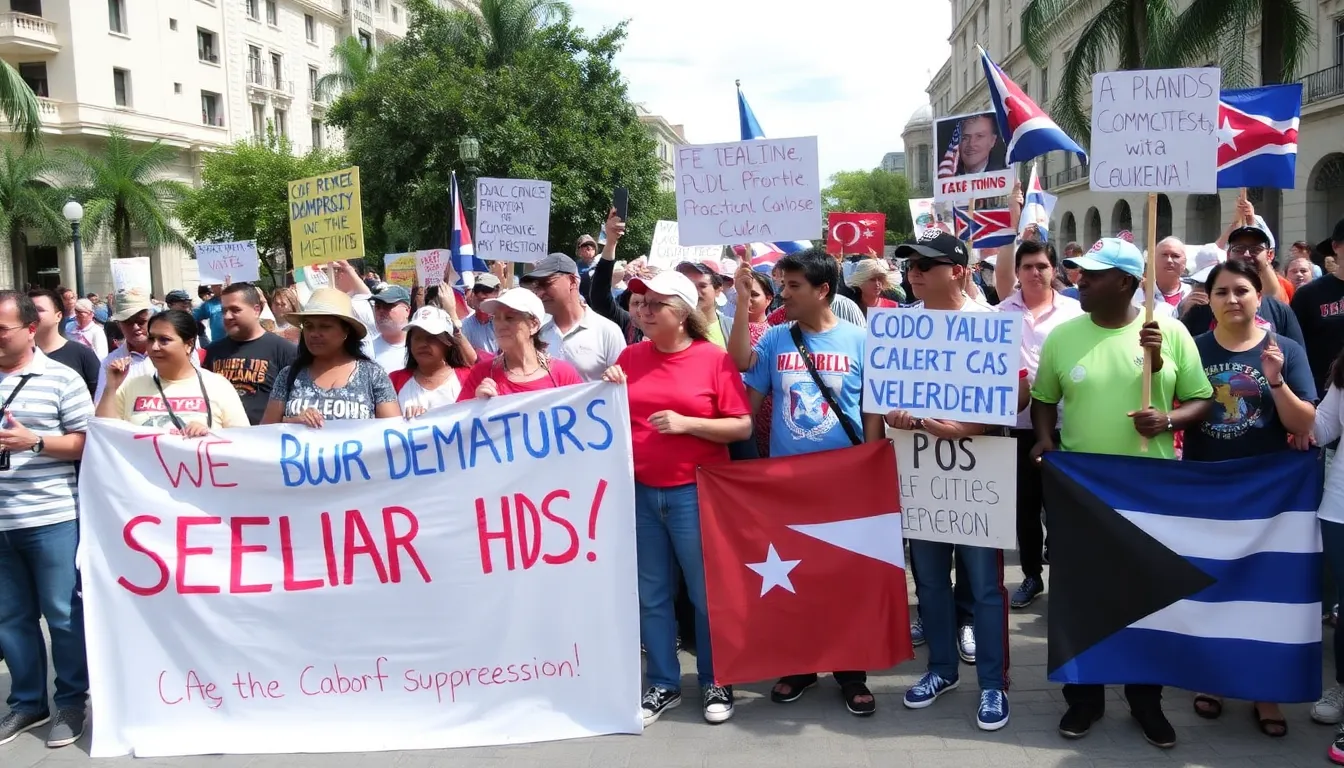
Industries such as tourism, which is vital for Cuba’s economy, could see a decline in visitors if U.S. travel restrictions are reinstated. Additionally, sectors reliant on foreign investment may face uncertainty, leading to potential job losses and a decrease in economic growth. The political landscape may also shift, as opposition groups within Cuba might feel emboldened to challenge the regime, resulting in civil unrest.
- Short-term impacts: Increased economic strain on citizens, potential for civil unrest, and decline in tourism.
- Mid-term impacts: Possible changes in U.S. foreign policy, shifts in investment patterns, and a reevaluation of diplomatic relations.
- Risks: Heightened political repression, worsening economic conditions, and increased emigration.
- Opportunities: Potential for new political movements, increased international support for human rights, and a reevaluation of economic policies.
As the situation unfolds, the balance between risks and opportunities will be critical for the future of Cuban citizens and the broader political dynamics in the region. The international community will be closely watching how these developments impact not only Cuba but also its relationships with other nations in the Americas.
A: Raúl Castro has been indicted on charges related to human rights violations and corruption during his presidency, which lasted from 2008 to 2018. A: The indictment signals a strong stance by the US against the Cuban regime and may lead to increased tensions, but it also highlights ongoing efforts to promote democracy in Cuba. A: The Cuban government has condemned the indictment as an act of aggression and interference in its internal affairs, asserting that it will not deter their governance. A: It is possible that the US may impose further sanctions as part of its strategy to pressure the Cuban government for reforms. A: The indictment could lead to increased repression in Cuba as the government may crack down on dissent in response to external pressures.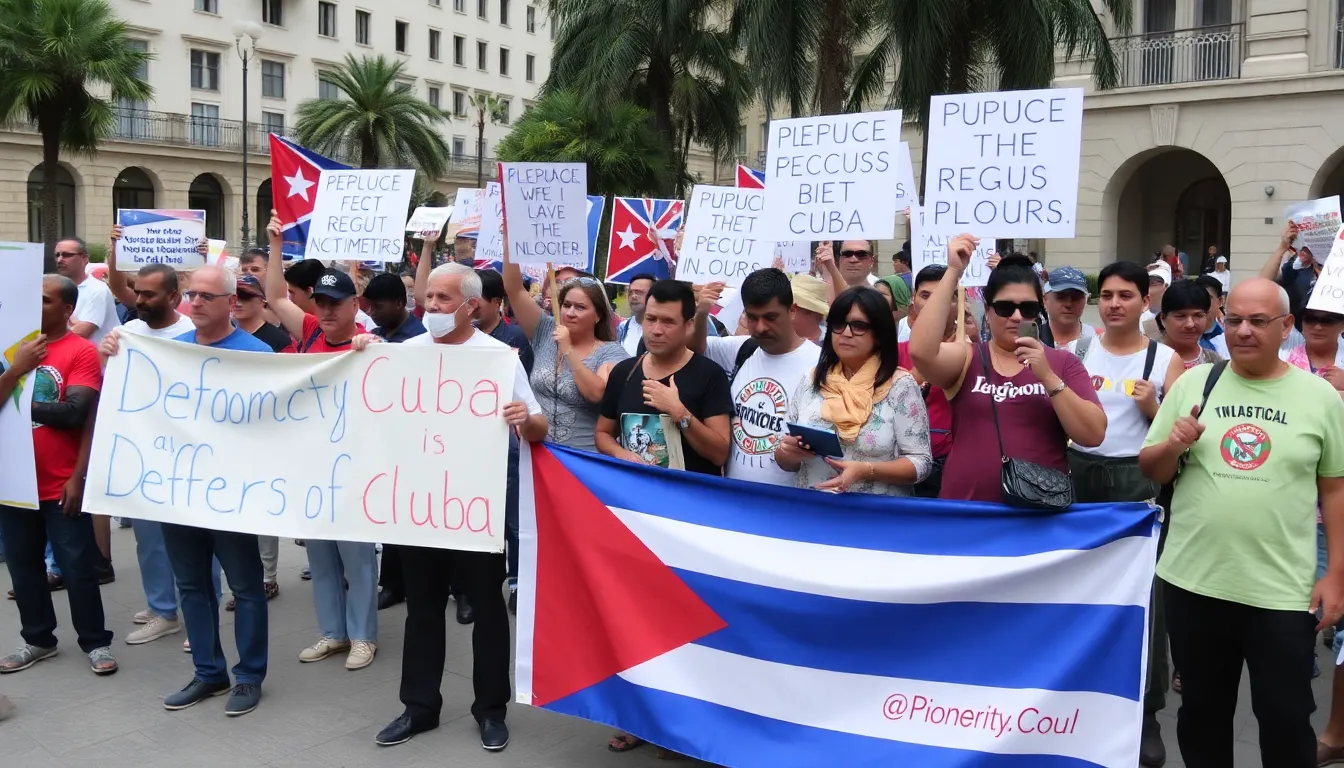
Frequently asked questions about the indictment
Outlook on US-Cuba relations following the indictment
The recent indictment of former Cuban president Raúl Castro by the United States marks a significant escalation in diplomatic tensions between the two nations. This move reflects a broader strategy by the U.S. to challenge the Cuban regime and support democratic movements within the country. As the political landscape evolves, it is crucial to monitor how this action influences both internal Cuban dynamics and U.S. foreign policy in the region.
In the wake of this indictment, potential shifts in U.S.-Cuba relations could have far-reaching implications for regional stability, human rights advocacy, and economic interactions. Observers should pay close attention to the responses from the Cuban government and the international community, as these reactions will shape the future of diplomatic engagement and potential reforms in Cuba.
- Monitor the Cuban government’s response to the indictment, as it may lead to increased repression or calls for reform.
- Watch for changes in U.S. foreign policy, particularly regarding sanctions and support for dissidents in Cuba.
- Consider the impact on regional allies and adversaries, as this may influence their diplomatic strategies towards both the U.S. and Cuba.
- Assess the potential for increased activism among Cuban citizens and exile communities in response to U.S. actions.
- Stay informed on the international community’s stance, as global reactions could affect the U.S.’s approach to Cuba.