
This victory marks a notable comeback for Niemann, who has faced scrutiny and criticism since accusations of cheating arose in late 2022. Despite these challenges, his performance in Warsaw demonstrated his resilience and skill, as he outplayed several high-profile competitors throughout the event. For more insights on competitive ethics, you can read about the challenges faced by Whitbread amid hedge fund criticism.
The chess community remains divided regarding Niemann’s past, with some supporters rallying behind him while others continue to question the integrity of his earlier games. This dichotomy highlights the broader issues of trust and transparency within the sport, which have been exacerbated by the rise of technology in competitive play.
Niemann’s triumph in Warsaw not only adds to his career achievements but also reignites discussions about the measures needed to ensure fair play in chess. As the sport evolves, the implications of this event could lead to significant changes in how competitions are regulated and how players are monitored for potential cheating.
Background on the controversies surrounding Niemann
The chess world has been rife with controversies in recent years, particularly surrounding young American grandmaster Hans Niemann. His rapid rise in the chess rankings and subsequent success at high-profile tournaments have sparked debates about ethics and fairness in the game. Niemann’s journey has been marked by allegations of cheating, which have cast a shadow over his achievements and led to intense scrutiny from both fans and fellow players. This situation reflects broader issues that can also be seen in other industries, such as the challenges discussed in the article on sewage and agricultural pollution affecting UK’s underwater forests.
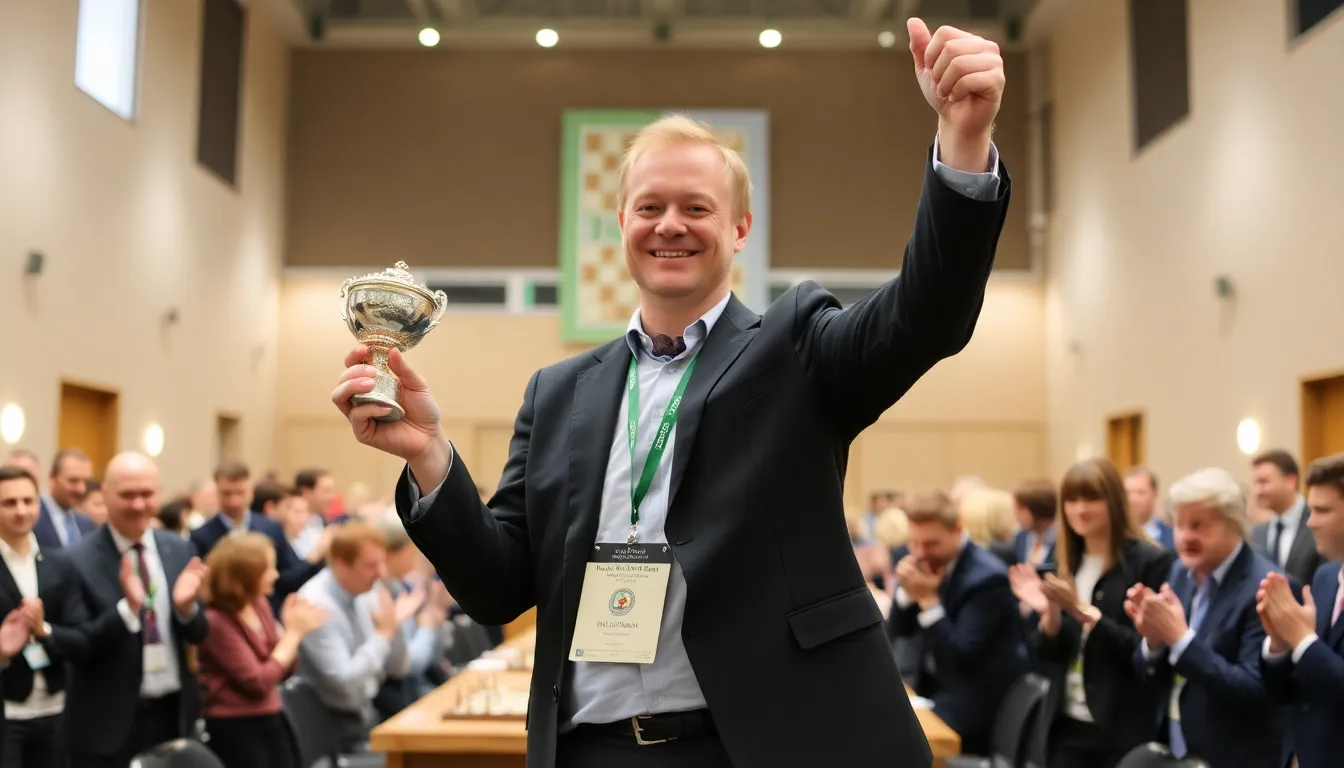
In September 2022, Niemann faced accusations from reigning world champion Magnus Carlsen after a stunning upset at the Sinquefield Cup. Carlsen’s withdrawal from the tournament following his loss to Niemann ignited a firestorm of speculation, with many suggesting that Niemann had cheated during their match. Despite Niemann’s strong denials and a lack of concrete evidence, the controversy has lingered, affecting his reputation and career.
As the chess community grappled with the implications of these allegations, Niemann continued to compete, determined to prove his worth on the board. His recent victory at the Warsaw tournament, where he secured a $50,000 first prize, represents a significant milestone in his career. This win not only highlights his skill but also serves as a statement against the backdrop of the ongoing controversies that have surrounded him.
The Impact of Technology on Chess
The rise of technology in chess, including the use of powerful chess engines and online platforms, has transformed how the game is played and perceived. This evolution has raised questions about the integrity of competitions and the potential for cheating. The Niemann controversy underscores the need for robust measures to ensure fair play, as players and organizers navigate the complexities introduced by technological advancements.
Key stakeholders and issues in the chess community
The recent victory of Hans Niemann in Warsaw, where he secured a $50,000 first prize, has reignited discussions surrounding key stakeholders in the chess community. Niemann himself is a central figure, especially after facing allegations of cheating that have marred his reputation. His triumph serves as a pivotal moment, showcasing his resilience in the face of controversy, much like the ongoing artistic endeavors of Ishmael Reed, who is creating a play focused on Elon Musk.
Another significant stakeholder is the World Chess Federation (FIDE), which oversees international chess competitions. FIDE’s interest lies in maintaining the integrity of the game and ensuring fair play among competitors. The organization faces the challenge of addressing the ongoing concerns about cheating, particularly in the wake of high-profile incidents that have drawn media attention.
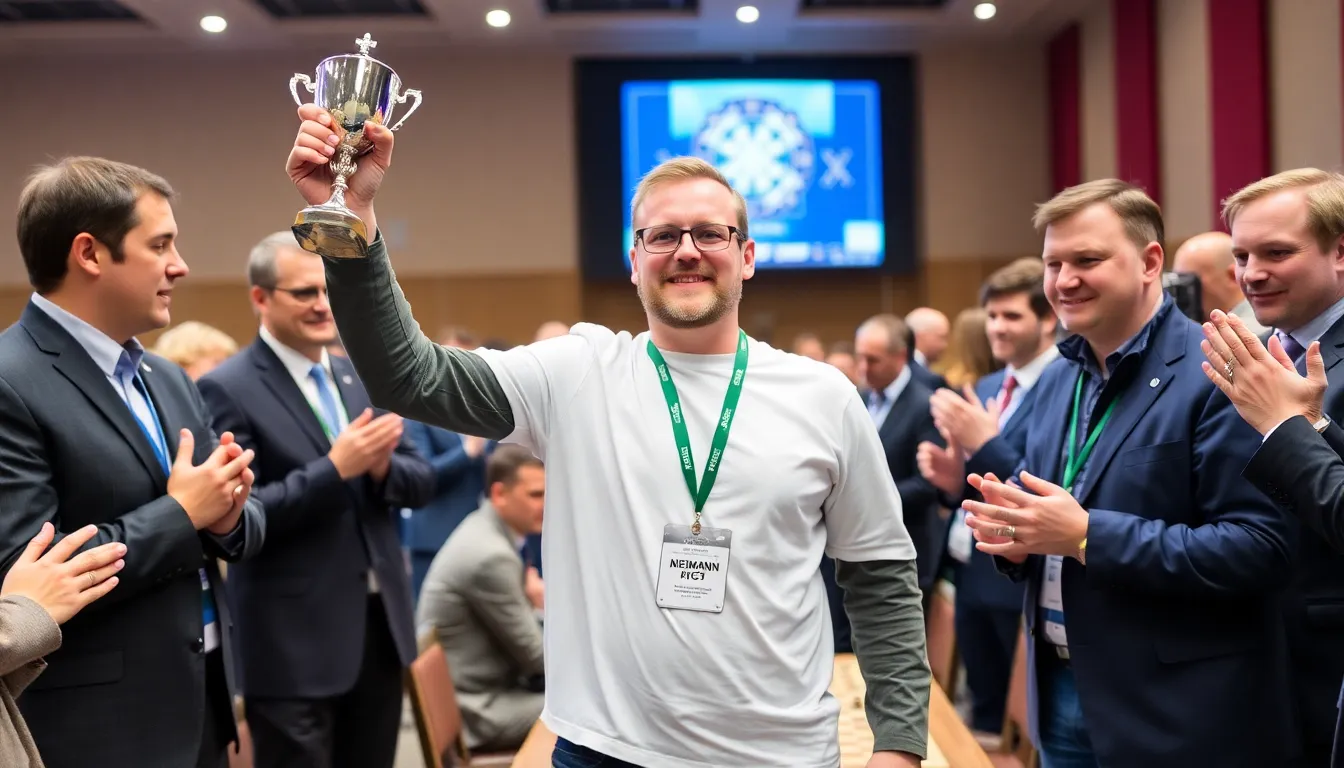
Additionally, chess sponsors and organizers play a crucial role in this ecosystem. They are invested in promoting events that attract viewership and participation. The financial implications of controversies, such as potential sponsorship withdrawals or reduced audience engagement, are critical issues that can impact the viability of future tournaments.
- Legal implications: Ongoing disputes regarding cheating allegations may lead to potential lawsuits, affecting the reputations and careers of those involved.
- Economic interests: The financial stakes in chess tournaments can influence players’ behavior, with significant prizes attracting both talent and scrutiny.
- Community dynamics: The chess community is divided on issues of fairness and ethics, impacting player relationships and public perception.
- Technological advancements: The rise of online chess platforms has introduced new challenges in monitoring fair play, necessitating updated regulations.
In summary, the intersection of these stakeholders and the surrounding issues highlights the complexity of the chess landscape. As Niemann moves forward with his career, the ramifications of past controversies and the responses from key organizations will continue to shape the future of competitive chess.
Impact of Niemann’s win on his career and the chess world
The recent victory of Hans Niemann in Warsaw, where he claimed the $50,000 first prize, has significant implications for various stakeholders in the chess community. This includes players, sponsors, and chess enthusiasts globally, particularly in regions where chess has a strong following, such as Europe, North America, and parts of Asia.
In the short term, Niemann’s win may reinvigorate interest in competitive chess, drawing media attention and potentially increasing viewership for tournaments. This could lead to a surge in sponsorship opportunities for both Niemann and other players, as companies look to capitalize on the heightened visibility of the sport. Additionally, chess clubs and organizations may see an uptick in participation, as new players are inspired by Niemann’s success.
Mid-term impacts could include changes in tournament policies and regulations as organizers seek to address ongoing controversies surrounding fair play and integrity in chess. This may lead to increased scrutiny of players and the implementation of more stringent measures to ensure a level playing field. However, it also presents an opportunity for innovation in tournament formats and the use of technology to enhance spectator experience.
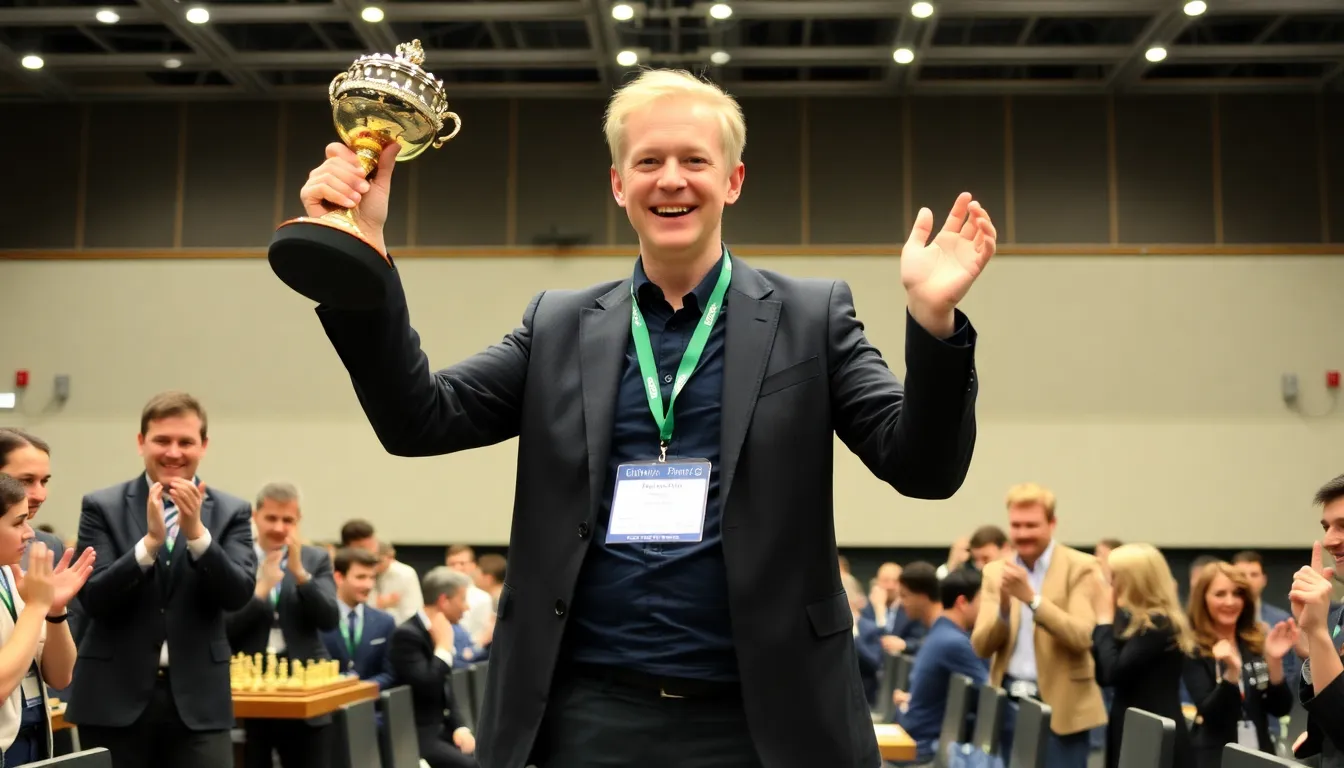
- Increased Sponsorship: Brands may seek to partner with rising stars like Niemann.
- Player Engagement: More players might enter the competitive scene, boosting local chess communities.
- Policy Revisions: Tournaments may adopt stricter regulations regarding fair play.
- Technological Advancements: Opportunities for integrating technology in chess events could arise.
While there are risks associated with potential backlash from ongoing controversies, Niemann’s achievement could ultimately serve as a catalyst for positive change within the chess world, fostering a more vibrant and competitive environment for players and fans alike.
A: Hans Niemann has faced allegations of cheating in online chess, which have sparked significant debate within the chess community. Despite these challenges, he has continued to compete at a high level. A: Niemann delivered an impressive performance throughout the tournament, ultimately securing the first prize of $50,000. His victory demonstrates his skill and determination. A: This win is a significant boost for Niemann’s career, as it reinforces his status as a top player despite the controversies. It may also help him regain respect among peers. A: Reactions within the chess community are mixed, with some celebrating his talent while others remain critical due to the ongoing controversies. The discourse continues to evolve. A: Given his recent success, it is likely that Niemann will continue to participate in upcoming tournaments. His victory may open doors for more opportunities.
Frequently asked questions about Niemann’s victory
Insights and future outlook for Niemann and chess
The recent victory of Hans Niemann in Warsaw not only highlights his resilience in the face of controversy but also underscores the evolving landscape of competitive chess. As he secured the $50,000 first prize, Niemann demonstrated that performance can often transcend external distractions, suggesting a potential for renewed focus on skill and strategy within the chess community.
Looking ahead, Niemann’s success may influence both his personal trajectory and the broader chess environment. The implications of this win could lead to increased scrutiny of player dynamics, sponsorship opportunities, and the ongoing discourse surrounding integrity in the sport.
- The chess community may see a shift towards more robust frameworks for addressing controversies, ensuring fair play and transparency.
- Niemann’s victory could attract new sponsorships, potentially elevating the financial stakes in competitive chess.
- Future tournaments may implement stricter regulations and oversight to maintain the integrity of the game.
- Players may increasingly focus on mental resilience and handling external pressures as part of their training regimes.
- This win could inspire young players, reinforcing the idea that talent and perseverance can prevail despite challenges.