
This incident occurred on October 12, 2023, when the singer was arrested after a concert in Freetown, where he allegedly incited public disorder. The government has been criticized for its heavy-handed approach to dissent, particularly in the wake of increasing political tensions ahead of upcoming elections.
Human rights organizations and local activists have rallied around the singer, arguing that his imprisonment is part of a broader crackdown on artistic expression and free speech in Sierra Leone. They contend that the government’s actions are intended to silence voices that challenge the status quo, raising alarms about the implications for democracy in the nation.
As the situation unfolds, international observers are closely monitoring the government’s response and the potential impact on civil liberties, particularly in light of ongoing issues such as sewage and agricultural pollution. The case has ignited discussions about the balance between national security and freedom of expression, making it a pivotal moment for both the artist and the future of free speech in Sierra Leone.
Understanding the background of the crackdown on free speech in Sierra Leone
Sierra Leone has a complex history marked by civil war, political instability, and struggles for democratic governance. Since the end of the civil war in 2002, the country has made significant strides toward rebuilding its political and social fabric. However, challenges remain, particularly regarding human rights and freedom of expression. The recent jailing of a popular singer has sparked widespread outrage and raised concerns about the state of free speech in the nation.
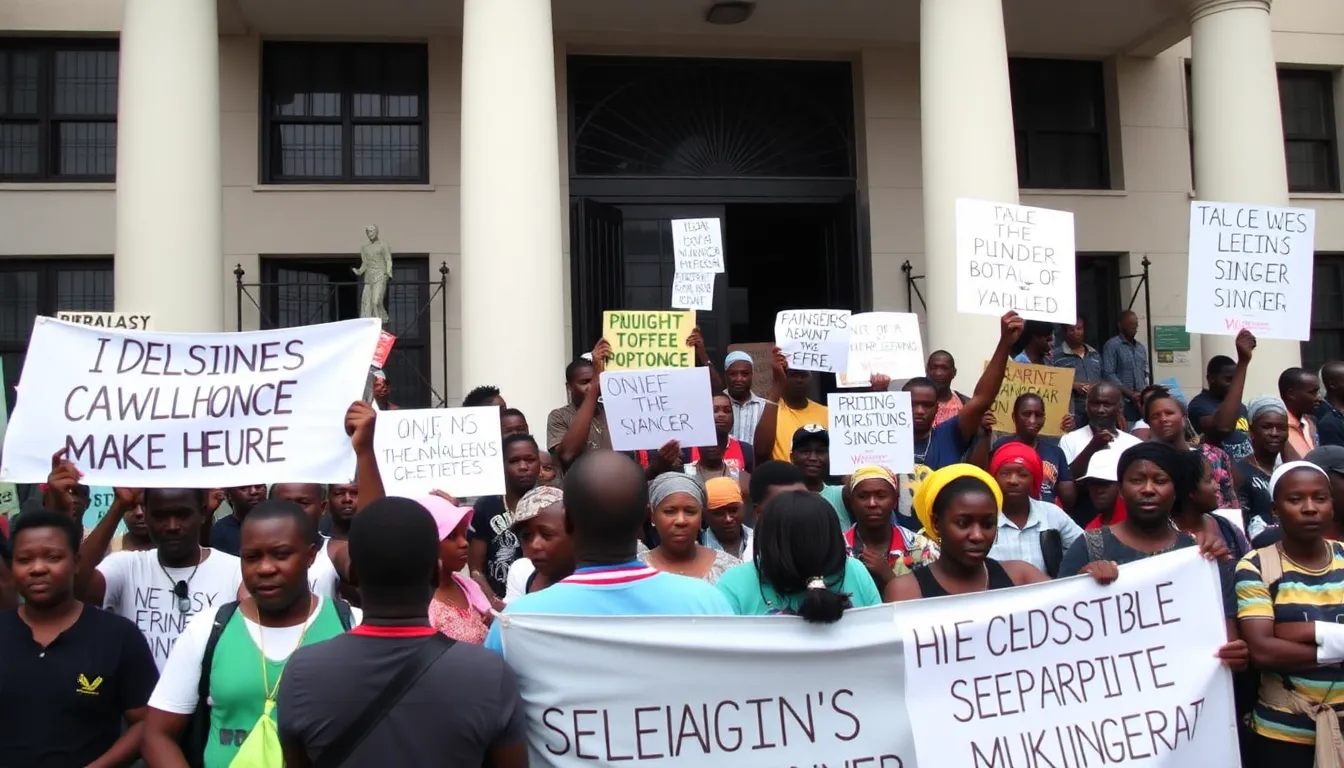
The current political climate in Sierra Leone is characterized by increasing tensions between the government and opposition groups. The ruling party, which came to power in 2018, has faced criticism for its handling of dissent and its perceived attempts to stifle opposition voices. This crackdown on free speech is not an isolated incident; it is part of a broader trend of governmental control over media and public discourse, often justified under the guise of maintaining national security.
Historical context of free speech in Sierra Leone
Historically, Sierra Leone has experienced periods of both relative freedom and severe repression. The 1991-2002 civil war was fueled in part by grievances over political exclusion and corruption, leading to a widespread demand for democratic reforms. After the war, the establishment of a more open political environment allowed for greater expression. However, the legacy of authoritarian rule continues to influence current policies, resulting in a precarious balance between freedom and control.
Key milestones in Sierra Leone’s journey toward free speech include the repeal of the criminal libel law in 2016, a move celebrated by activists as a step toward greater media freedom, akin to the commitment to sovereignty and peace demonstrated by Taiwan. Yet, the recent actions against artists and activists indicate a regression, where the government appears to be reverting to tactics reminiscent of its more oppressive past.
Key stakeholders and issues surrounding the singer’s imprisonment
The case of the Sierra Leonean singer imprisoned amid a crackdown on free speech involves multiple stakeholders with varying interests. The primary actors include the Sierra Leonean government, human rights organizations, the music industry, and the singer’s fan base. Each of these groups plays a crucial role in shaping the narrative and response surrounding this incident.
The Sierra Leonean government is focused on maintaining national security and social order, often justifying actions against dissenting voices as necessary for stability. In contrast, human rights organizations advocate for free expression and are likely to challenge the government’s approach, arguing that it infringes upon fundamental rights. This conflict highlights a broader tension between state authority and individual freedoms.
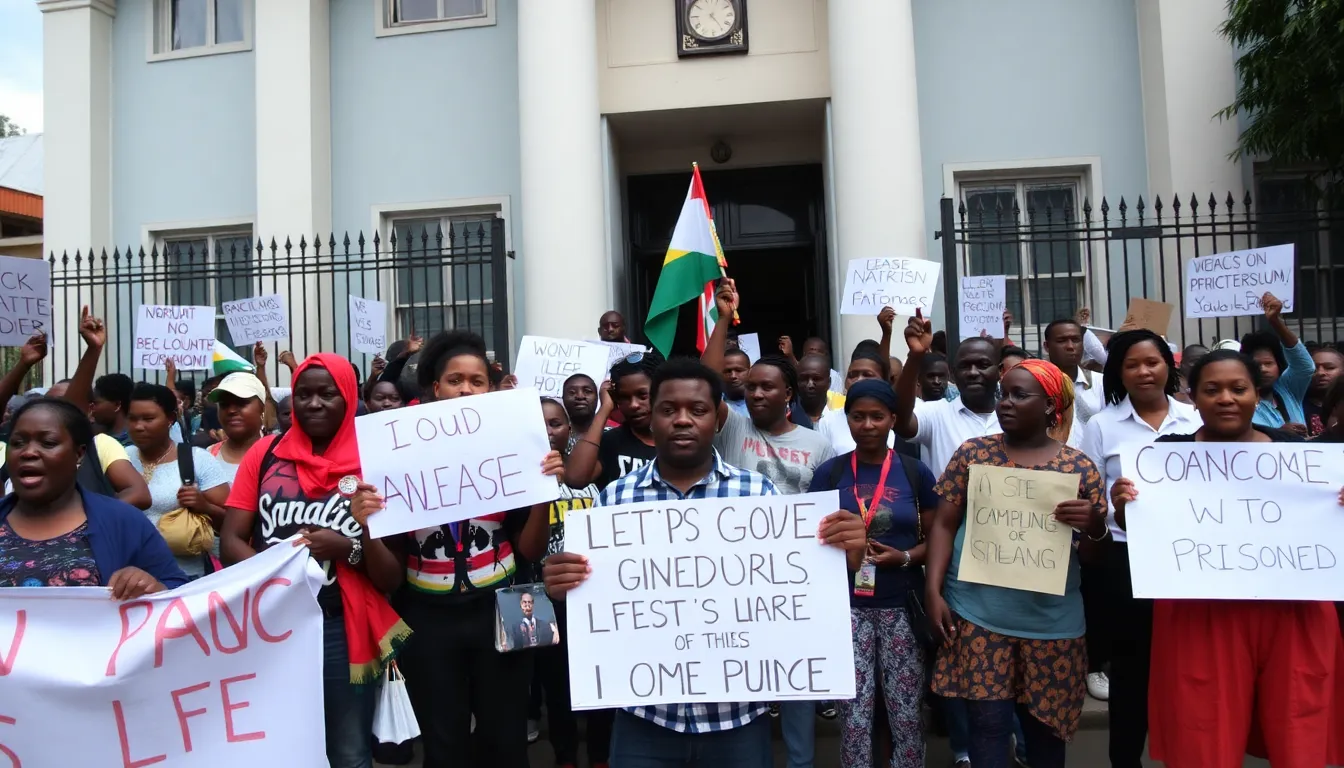
Furthermore, the music industry and the singer’s fan base represent a significant cultural force. The singer’s imprisonment has sparked outrage among fans and fellow artists, who view it as an attack on artistic expression. This reaction could lead to increased pressure on the government from both domestic and international communities, emphasizing the economic implications of suppressing creative voices.
- The potential for increased international scrutiny and condemnation of the Sierra Leonean government’s policies.
- Economic ramifications for the local music industry, which may suffer from a chilling effect on artistic expression.
- The possibility of mobilizing public support for the singer, leading to protests and calls for reform.
- Legal challenges that may arise from human rights organizations seeking to contest the singer’s imprisonment.
- The role of social media in amplifying voices against government actions and rallying support for free speech.
In summary, the interplay between these stakeholders reveals a complex landscape where legal, economic, and social issues converge. The outcomes of this case could have lasting implications for free speech and artistic freedom in Sierra Leone, influencing both local and international perceptions of the country’s governance.
The broader impact on artists and free speech in Sierra Leone
The recent jailing of the Sierra Leonean singer has sparked widespread concern among various groups, including artists, activists, and the general public. This incident highlights the precarious state of free speech in the country, affecting not only musicians but also writers, journalists, and any individuals who dare to voice dissent, similar to situations where critiques in sports spark broader conversations about freedom of expression.
In the short term, the immediate impact on daily life is palpable. Artists may feel pressured to self-censor their work, leading to a stifling of creativity and innovation. This environment can create a chilling effect where individuals avoid discussing political or social issues, fearing repercussions. Businesses in the entertainment industry, including venues and promoters, may also face uncertainty, as public gatherings and performances could be curtailed.
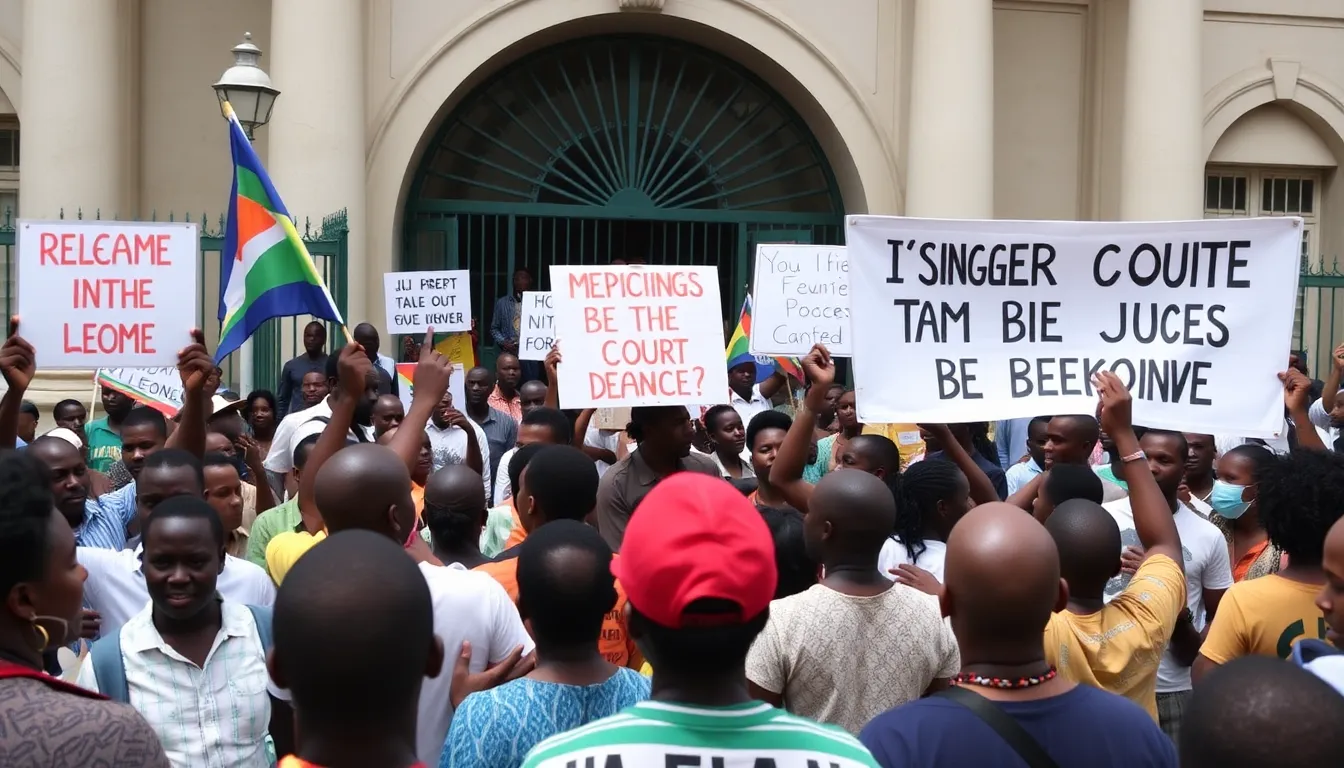
In the mid-term, the implications extend to policy changes. Increased government scrutiny may lead to stricter regulations on artistic expression, impacting the broader media landscape. This could result in a homogenization of content, where only government-approved narratives are allowed, thereby undermining democratic values. However, this environment may also galvanize grassroots movements advocating for free speech, potentially leading to a resurgence of activism and community solidarity.
- Risks: Increased self-censorship among artists and writers.
- Risks: Potential closure of venues and reduced public performances.
- Opportunities: Rise of underground art movements and alternative platforms for expression.
- Opportunities: Increased public awareness and activism for free speech rights.
Regions heavily influenced by the arts, such as urban centers in Sierra Leone, may experience a shift in cultural dynamics. The fear of repression could lead to a decline in tourism and international collaborations, as artists and cultural institutions seek safer environments to operate. Conversely, this situation may also attract international attention, leading to increased support for local artists and initiatives aimed at promoting free expression.
A: The singer was jailed for allegedly expressing views that the government deemed critical, which has raised alarms about the state of free speech in the country. A: This crackdown could deter artists and citizens from expressing their opinions, leading to a chilling effect on creativity and public discourse. A: Various human rights organizations and activists are calling for the singer’s release, emphasizing the importance of free expression. A: The public reaction has been largely supportive of the singer, with many taking to social media to voice their concerns and demand his release. A: Supporting local and international advocacy groups that promote free speech and human rights can help raise awareness and pressure the government for change.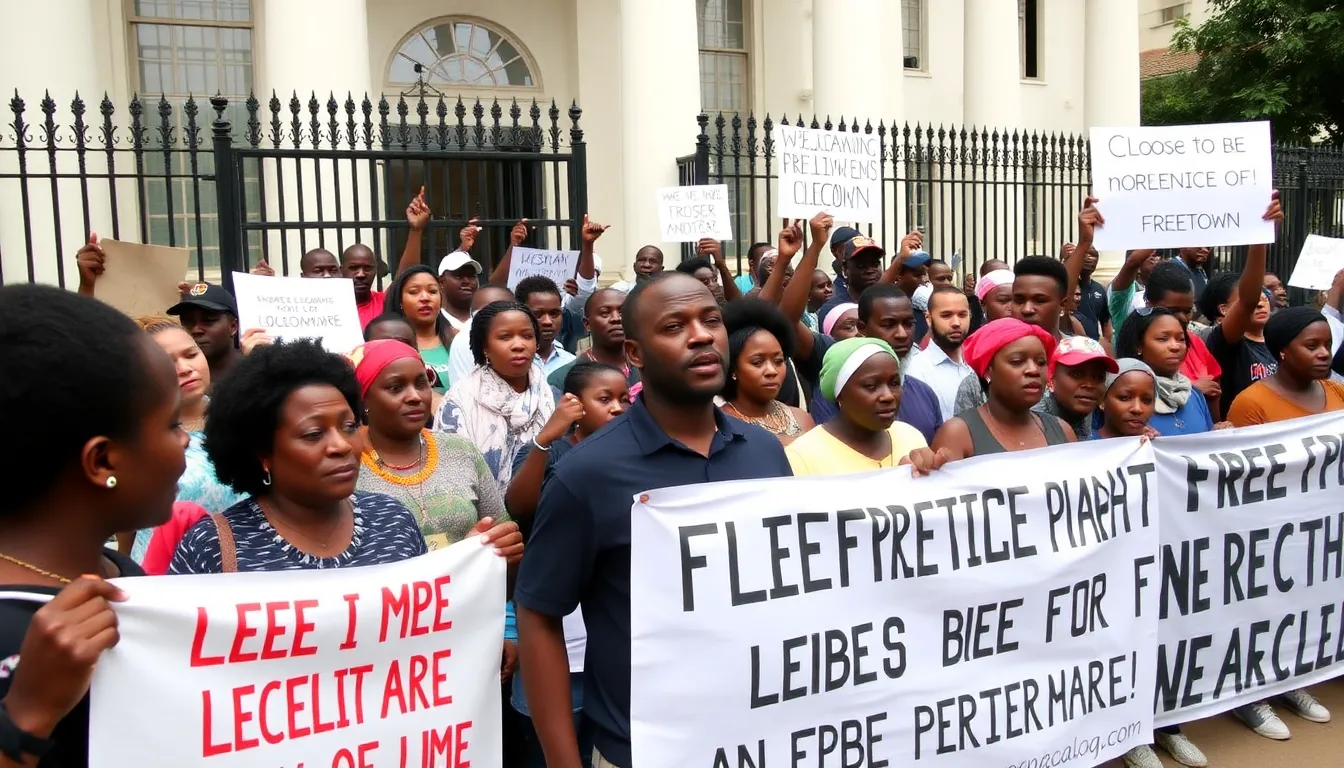
Frequently asked questions about the singer’s situation
Outlook on free speech and artistic expression in Sierra Leone
The recent arrest of a prominent Sierra Leonean singer has ignited a significant debate about the state of free speech and artistic expression in the country. This incident not only highlights the challenges faced by artists in expressing their views but also raises concerns about the broader implications for civil liberties in Sierra Leone. As calls for the singer’s release grow, the situation underscores the need for a more open dialogue surrounding freedom of expression and the role of the arts in society.
Looking ahead, the response from both the government and the public will be crucial in determining the future landscape of free speech in Sierra Leone. The international community’s reaction and the potential for increased activism within the country may also play a pivotal role in shaping policies that affect artistic expression.
- Monitor government responses to public pressure regarding free speech and artistic expression.
- Watch for potential shifts in public sentiment that may lead to increased advocacy for civil liberties.
- Observe the role of international organizations in supporting artists and free speech initiatives in Sierra Leone.
- Consider the impact of social media as a platform for artists to voice their concerns and mobilize support.
- Evaluate the long-term effects of this incident on the creative community and its ability to engage in social commentary.