
The proposed export tax, set to take effect in 2024, has sparked significant debate among industry stakeholders and political figures. Supporters of the tax argue that it is necessary to ensure that more profits from gas exports are redirected to the Australian economy, particularly in light of rising energy prices. Critics, including Hanson, contend that this move could jeopardize jobs and reduce Australia’s competitiveness in the global market, which reflects the ongoing discussions about balancing economic interests and resource management.
Hanson’s policy proposal includes measures to promote domestic gas production and reduce reliance on foreign imports. She emphasizes the importance of maintaining energy independence and ensuring that Australian resources benefit local communities. The announcement has drawn mixed reactions, with some praising her proactive stance while others question the feasibility of her plans.
As the debate over the export tax continues, Hanson’s proposal highlights the growing tensions between economic policy and energy resource management in Australia. The outcome of this controversy could have lasting implications for the country’s energy landscape and its economic future.
Understanding the background of Australia’s gas export industry
Australia’s gas export industry has evolved significantly over the past few decades, emerging as one of the largest suppliers of liquefied natural gas (LNG) in the world. The boom began in the early 2000s, driven by increasing global demand for cleaner energy sources and the country’s vast reserves of natural gas. Major projects, such as the Gorgon and Wheatstone LNG developments, positioned Australia as a key player in the energy market, attracting substantial foreign investment and generating significant revenue for the economy.
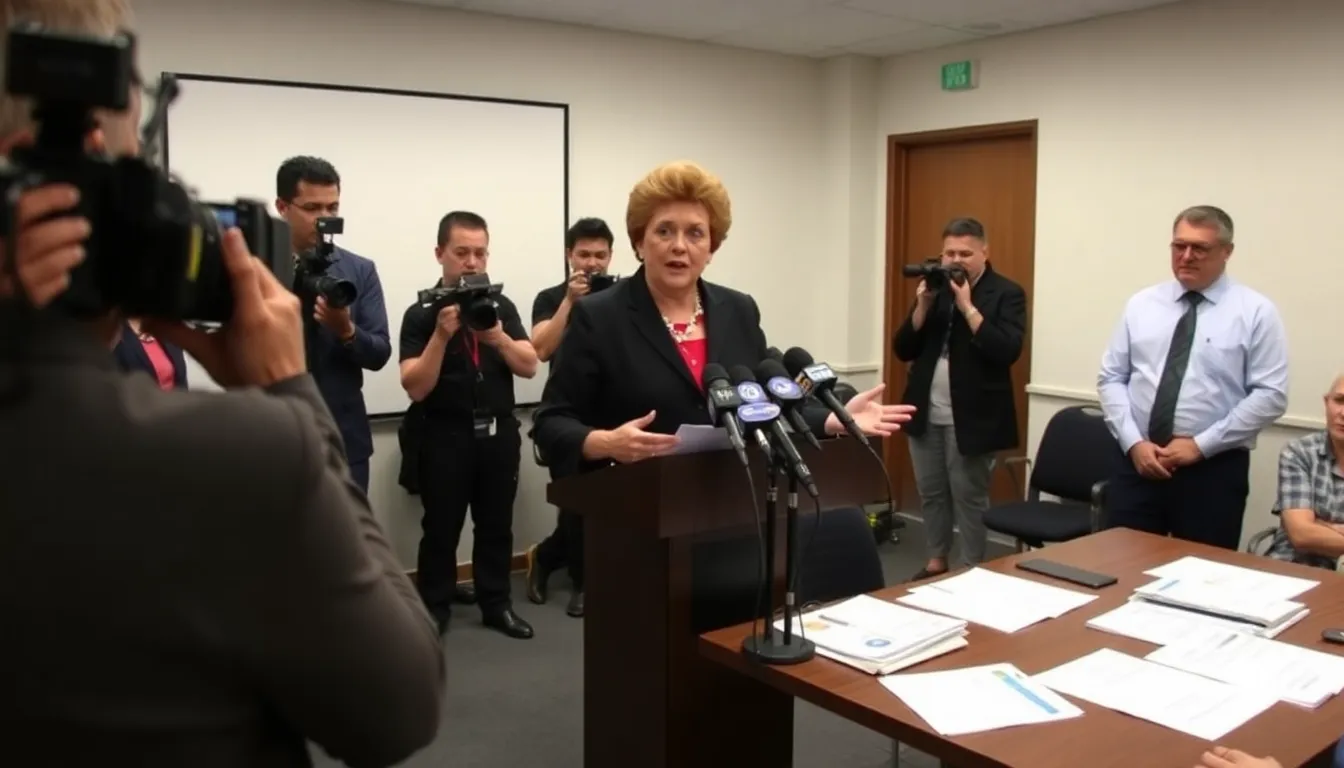
However, this rapid expansion has not been without its challenges. The Australian government has faced criticism over its management of gas resources, particularly regarding the balance between domestic supply and export commitments. As international demand surged, domestic consumers began to experience rising gas prices, leading to public outcry and calls for policy reform. This tension has persisted, culminating in recent debates over the proposed 25% export tax, which Pauline Hanson has labeled as ‘economic vandalism’, highlighting the crucial need for balanced energy policies.
The Influence of Global Markets
The dynamics of global energy markets have also played a crucial role in shaping Australia’s gas policy. Fluctuations in prices, geopolitical tensions, and competition from other gas-producing nations have all influenced the strategies adopted by Australian policymakers. As countries like the United States ramp up their own LNG exports, Australia is under pressure to maintain its competitive edge while ensuring that domestic needs are met. This complex interplay of local and international factors is central to understanding the current gas policy landscape.
Furthermore, the environmental implications of gas extraction and export have sparked significant debate. Policymakers are increasingly confronted with the need to balance economic growth with sustainability goals, leading to calls for a more regulated approach to gas exports. Hanson’s proposal for a Norway-inspired gas policy reflects a growing interest in models that prioritize national interests and environmental stewardship, aiming to create a more equitable framework for resource management, especially as Australia considers its position in the global energy market.
Key stakeholders and issues surrounding the proposed export tax
The announcement by Pauline Hanson regarding a Norway-inspired gas policy has sparked significant debate among various stakeholders in the energy sector. Key actors in this discussion include government officials, energy companies, environmental groups, and the general public, each with distinct interests and concerns.
One of the primary stakeholders is the Australian government, which is considering the implementation of a 25% export tax on gas. Proponents of the tax argue that it could generate substantial revenue for public services and support domestic energy prices. However, critics, including Hanson, label the tax as ‘economic vandalism,’ arguing that it could deter investment in the gas sector and ultimately harm the economy.
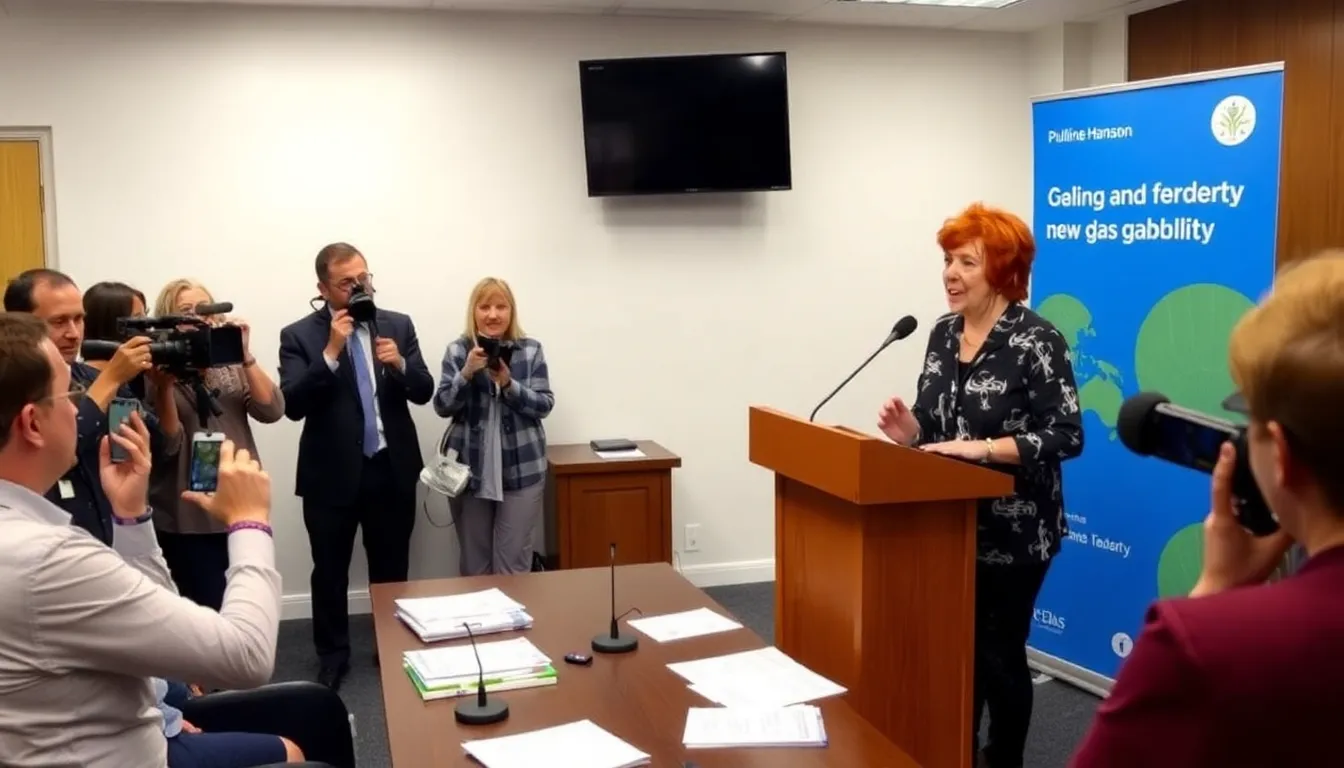
Energy companies are also central to the discourse, as they face the potential financial implications of the proposed tax. These organizations are concerned that increased taxation may lead to reduced competitiveness in the global market, impacting their ability to attract investment and innovate. Additionally, they worry about the long-term viability of gas projects if export taxes make them less profitable.
Environmental groups, while generally supportive of policies that aim to regulate the fossil fuel industry, are also wary of the implications of the proposed tax. They argue that any revenue generated should be used to transition to renewable energy sources rather than bolstering the fossil fuel industry. This highlights a significant conflict between economic interests and environmental sustainability.
- Potential revenue generation for public services through the export tax.
- Impact on investment and competitiveness in the gas sector.
- Conflicting interests between economic growth and environmental protection.
- Public opinion on energy policy and its alignment with national interests.
- Long-term implications for Australia’s energy landscape and transition to renewables.
Potential impacts on the Australian economy and gas market
The announcement of Pauline Hanson’s Norway-inspired gas policy is poised to impact various stakeholders across the Australian economy. Key groups affected include gas producers, consumers, and regional communities that rely heavily on the gas industry for employment and economic stability. The proposed 25% export tax has already drawn criticism, with many labeling it as ‘economic vandalism’, which could further complicate the landscape for these stakeholders.
In the short term, gas producers may face increased operational costs due to the new tax, potentially leading to reduced investment in exploration and production. This could result in a decline in domestic supply, which may drive up prices for consumers and businesses reliant on gas. Additionally, regional economies that depend on the gas sector might experience job losses and decreased local spending, impacting daily life for many families.

Mid-term impacts could include a shift in policy as the government navigates the backlash from the gas industry and the public. If the tax is implemented, it may prompt gas companies to seek alternative markets or invest in renewable energy sources, reshaping the energy landscape in Australia. This transition could create new opportunities for innovation and job creation in the renewable sector, but it may also lead to instability and uncertainty in the traditional gas market.
- Increased costs for gas producers and potential price hikes for consumers.
- Job losses in gas-dependent regions, affecting local economies.
- Potential for innovation in renewable energy as companies adapt to new policies.
- Market volatility as stakeholders react to the new tax and policy changes.
While the proposed gas policy could be seen as a threat to the current gas market, it also presents an opportunity for a broader discussion on energy independence and sustainability. Stakeholders may need to adapt quickly to the evolving landscape, finding ways to leverage new policies to their advantage, potentially leading to a more diversified energy portfolio for Australia.
A: Pauline Hanson’s new gas policy is inspired by Norway’s approach to gas management, focusing on maximizing benefits for Australians while ensuring sustainable practices. A: Hanson criticizes the 25% export tax as economic vandalism, arguing it would deter investment and harm the competitiveness of Australia’s gas sector. A: The export tax could lead to higher gas prices for consumers, as companies may pass on the costs to end-users, impacting both households and businesses. A: Potential benefits include increased domestic gas supply, job creation in the sector, and enhanced energy security for Australia. A: Supporters of Hanson’s gas policy include various industry groups and some political factions that advocate for energy independence and economic growth.
Frequently asked questions about the gas policy and export tax
Looking ahead: implications of Hanson’s gas policy and export tax debate
Pauline Hanson’s recent announcement of a gas policy inspired by Norway’s model has stirred significant discussion regarding Australia’s energy export strategies. By labeling the proposed 25% export tax as ‘economic vandalism,’ Hanson not only challenges the government’s approach to resource management but also highlights the potential risks to the economy and energy sector. As stakeholders assess the viability of her policy, the implications for both domestic energy consumers and international markets will come into sharper focus.
Moving forward, the debate surrounding this export tax will likely influence legislative discussions and energy policies. Observers should closely monitor how this situation evolves, particularly in relation to investor confidence and the broader economic landscape. The responses from both the government and industry leaders will be crucial in shaping Australia’s energy future.
- Watch for potential shifts in government policy as they respond to Hanson’s proposals and public sentiment.
- Consider the impact of Hanson’s gas policy on local job markets and energy prices.
- Monitor international reactions to Australia’s energy export strategies, particularly from countries reliant on Australian gas.
- Assess how this debate may affect Australia’s commitments to climate change and renewable energy initiatives.
- Evaluate the potential for increased investment in the gas sector if alternative policies are adopted.