
This upward trend in gas prices is primarily attributed to a combination of factors, including rising crude oil prices and ongoing supply chain challenges. Recent data indicates that crude oil prices have climbed to over $90 per barrel, driven by production cuts from major oil-producing countries and increased demand as the global economy continues to recover. For more insights on how these changes affect market dynamics, check out our article on gas and oil prices.
The implications of these rising fuel costs are significant, affecting not only individual consumers but also businesses reliant on transportation. Higher gas prices can lead to increased costs for goods and services, potentially contributing to inflationary pressures in the broader economy. This concern relates closely to broader discussions surrounding government preparedness for rising oil prices.
In addition, the spike in gas prices is prompting discussions among policymakers about energy independence and the need for sustainable alternatives. As consumers face higher costs at the pump, the urgency for a transition to renewable energy sources becomes increasingly apparent.
The recent surge in U.S. gas prices marks the 11th consecutive day of increases, a trend that has raised concerns among consumers and policymakers alike. To understand this phenomenon, it is essential to consider a combination of historical, political, and economic factors that have shaped the current energy landscape. Over the past few years, fluctuations in oil prices have been influenced by a variety of global events, including geopolitical tensions, supply chain disruptions, and changes in consumer demand, similar to trends observed in UK firms’ withdrawal from fixed energy contracts amid rising prices.
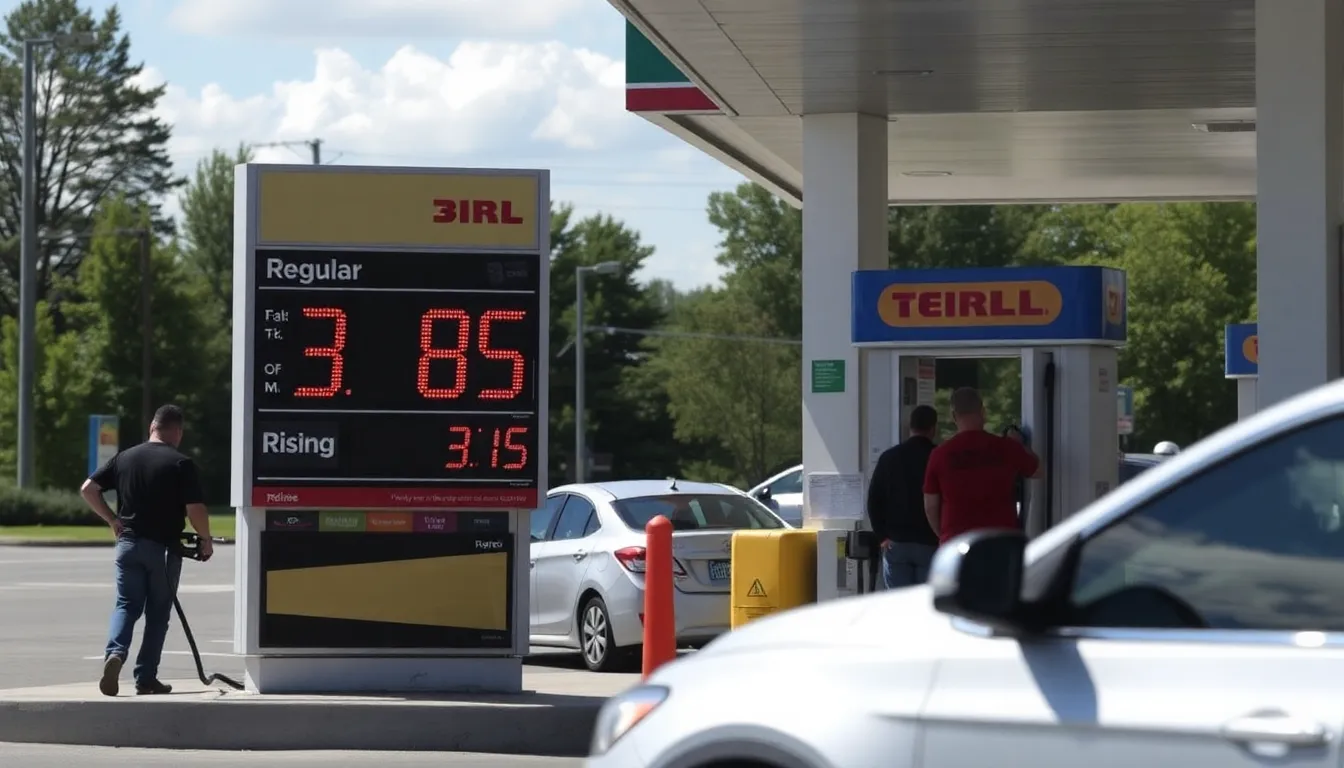
Understanding the factors behind the rising gas prices
The recent surge in U.S. gas prices marks the 11th consecutive day of increases, a trend that has raised concerns among consumers and policymakers alike. To understand this phenomenon, it is essential to consider a combination of historical, political, and economic factors that have shaped the current energy landscape. Over the past few years, fluctuations in oil prices have been influenced by a variety of global events, including geopolitical tensions, supply chain disruptions, and changes in consumer demand.
One significant milestone in the context of rising gas prices is the COVID-19 pandemic, which initially led to a dramatic decrease in demand for oil as travel restrictions were imposed and economic activity slowed. As the economy began to recover, demand rebounded more quickly than supply could adjust, leading to a tightening of the market. Additionally, OPEC+ production cuts implemented during the pandemic have continued to impact supply levels, contributing to higher prices at the pump.
Political factors also play a crucial role in shaping gas prices. Recent sanctions on oil-exporting countries, such as Russia, due to geopolitical conflicts have further strained global oil supplies. These actions, combined with the push for a transition to renewable energy, have created uncertainty in the fossil fuel markets. As the U.S. navigates its energy policies in the context of climate change, the balance between domestic production and international reliance remains a contentious issue.
The Impact of Inflation and Economic Recovery
Inflation has emerged as another critical factor affecting gas prices. The broader economic recovery has led to increased consumer spending, driving up demand for energy. Coupled with supply chain issues that have persisted since the pandemic, the result is a perfect storm of rising costs. As consumers face higher prices at the pump, the impact on household budgets and overall economic sentiment cannot be overlooked, adding pressure on policymakers to address these escalating costs.
Key stakeholders and issues affecting the gas market
The recent surge in U.S. gas prices for the eleventh consecutive day has drawn attention to various stakeholders involved in the energy sector. Key actors include consumers, oil companies, government regulators, and international oil producers. Each of these groups has distinct interests that shape their responses to rising prices and the overall market dynamics.
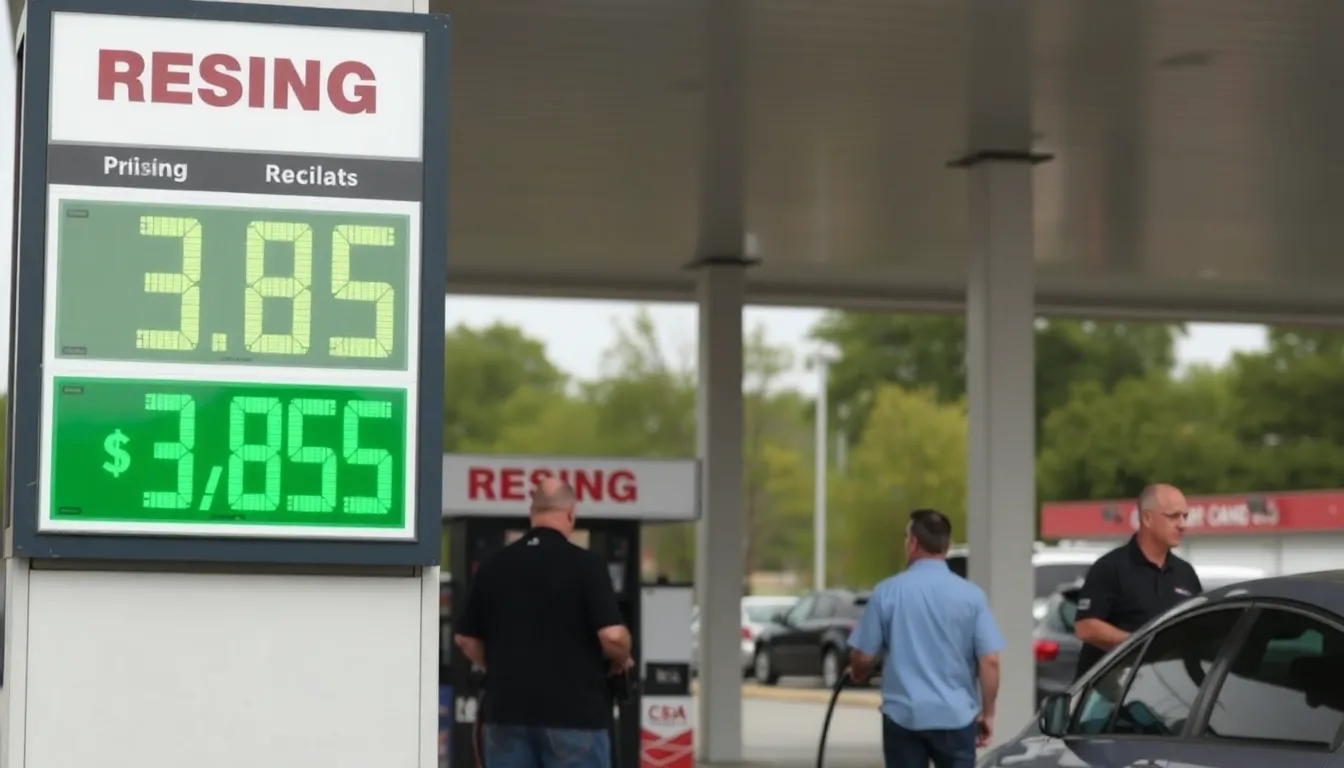
Consumers, who are often the most directly affected by fluctuating gas prices, have a vested interest in affordable fuel. Rising prices can strain household budgets, particularly for low- and middle-income families. As gas prices increase, consumer sentiment may shift, leading to calls for government intervention or regulation to stabilize prices.
Oil companies, on the other hand, benefit from higher prices as they can increase profit margins. However, they face pressure from both consumers and shareholders to balance profitability with public perception and environmental concerns. The ongoing transition to renewable energy sources also complicates their strategies, as they must navigate investments in cleaner technologies while maintaining traditional operations.
Government regulators play a crucial role in overseeing the energy market. Their interests include ensuring energy security, promoting competition, and protecting consumers. Key legal issues arise around antitrust laws and regulations that govern market practices, especially during times of price volatility. Additionally, geopolitical factors, such as tensions in oil-producing regions, can influence U.S. gas prices and regulatory responses.
- Consumer Impact: Rising prices can lead to increased public dissatisfaction.
- Oil Company Profits: Higher prices may boost profits but pose reputational risks.
- Regulatory Challenges: Balancing market oversight with promoting energy independence.
- Geopolitical Tensions: International conflicts can disrupt supply chains and impact prices.
- Renewable Energy Transition: The shift towards cleaner energy sources complicates traditional market dynamics.
How rising gas prices are affecting consumers and the economy
The recent surge in U.S. gas prices has significant implications for various groups, including consumers, businesses, and policymakers. As prices have jumped for the 11th consecutive day, households across the nation are feeling the pinch, particularly those with lower incomes who allocate a larger portion of their budgets to fuel costs.
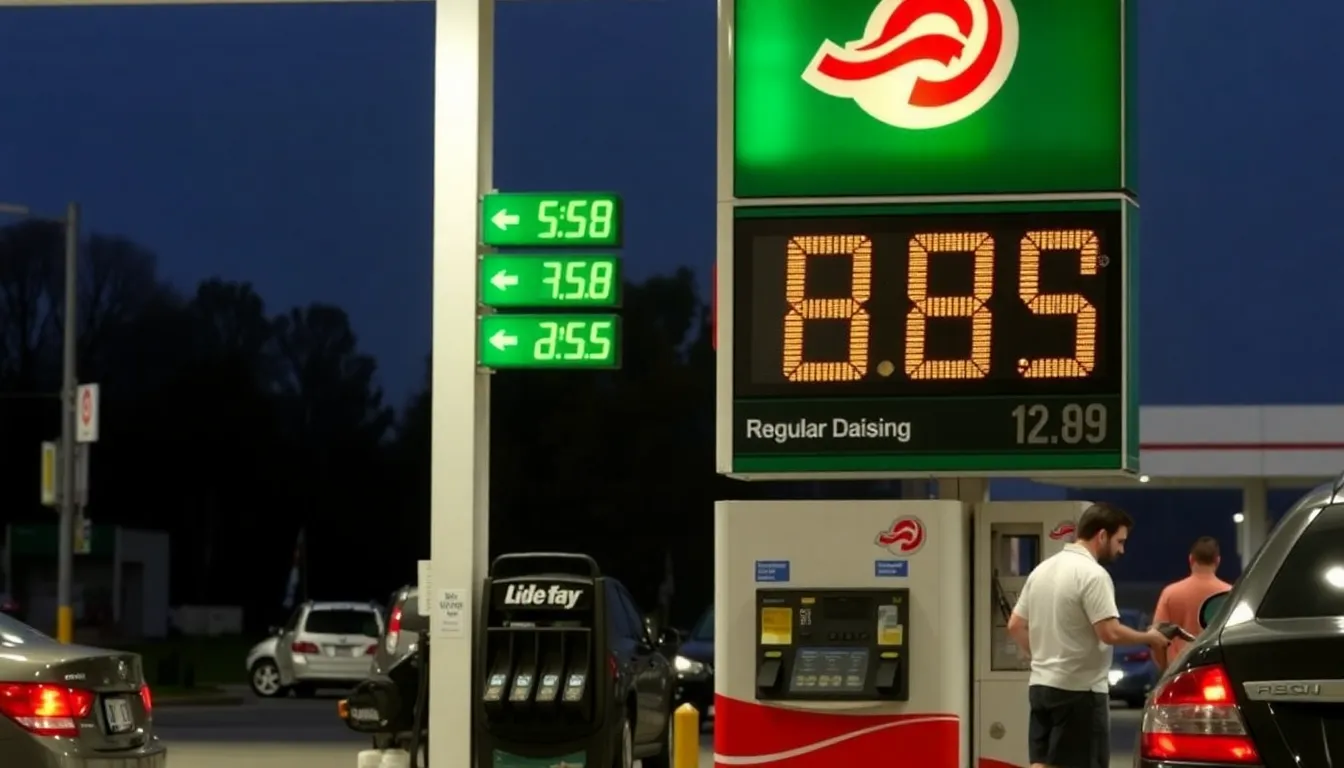
Industries heavily reliant on transportation, such as logistics, retail, and tourism, are also facing challenges. Higher fuel costs can lead to increased operational expenses, prompting businesses to either absorb these costs or pass them on to consumers through higher prices. This could result in decreased consumer spending in other areas, potentially slowing economic growth.
Regions that are more dependent on driving, such as suburban and rural areas, are likely to be affected more severely. In these regions, public transportation options are limited, making residents more vulnerable to fluctuations in gas prices. This can exacerbate existing economic disparities between urban and rural populations.
- Short-term impacts: Increased commuting costs may lead to reduced discretionary spending.
- Mid-term impacts: Continued price hikes could spark policy discussions around energy independence and alternative fuel sources.
- Risks: Businesses may face tighter profit margins, leading to potential layoffs or reduced hiring.
- Opportunities: There may be a renewed interest in electric vehicles and public transportation initiatives as consumers seek alternatives.
As policymakers respond to these rising costs, potential measures could include subsidies for public transportation or incentives for electric vehicle purchases. The outcome of these discussions may shape the future landscape of energy consumption and transportation in the U.S.
A: Gas prices are rising due to a combination of increased demand and higher crude oil prices, which have been influenced by geopolitical tensions and production cuts. A: While it’s difficult to predict exact timelines, analysts suggest that prices may remain elevated until supply stabilizes and demand decreases. A: Consumers, especially those who rely on driving for work or commuting, are most affected, as well as businesses that depend on transportation. A: Consumers can consider carpooling, using public transportation, or planning trips more efficiently to reduce fuel consumption. A: Some lawmakers are discussing potential measures such as releasing oil from strategic reserves or providing financial assistance to low-income households.
Frequently Asked Questions about gas prices
Looking ahead: The future of gas prices and oil markets
The recent surge in U.S. gas prices, now rising for the 11th consecutive day, signals a potential shift in the energy landscape as oil prices continue to climb. This trend may have significant implications for consumers, businesses, and policymakers alike. As the market reacts to various geopolitical and economic factors, it is essential to monitor how these developments will shape energy costs and consumer behavior in the coming weeks and months.
With the ongoing fluctuations in oil prices, stakeholders should remain vigilant. The interplay between supply chain disruptions, seasonal demand increases, and international relations will be crucial in determining the trajectory of gas prices. Observing these dynamics will provide insights into potential long-term trends and adjustments in the market.
- Consumer Impact: Rising gas prices are likely to affect household budgets, prompting consumers to reconsider travel plans and spending habits.
- Business Adjustments: Companies reliant on transportation may need to adapt their pricing strategies or logistics operations to manage increased fuel costs.
- Policy Responses: Policymakers may explore measures to alleviate the financial burden on consumers, including potential adjustments to fuel taxes or incentives for alternative energy sources.
- Global Market Dynamics: Watch for how international oil production decisions, particularly from OPEC+, respond to these price changes and their impact on U.S. energy independence.
- Investment Trends: Increased oil prices may drive investment in renewable energy technologies as businesses and governments seek to diversify energy sources and reduce dependency on fossil fuels.