
The conflict has resulted in increased volatility in the energy markets, with Brent crude oil prices soaring to over $100 per barrel for the first time since 2022. This spike has forced energy suppliers to reconsider the viability of fixed-rate deals, which previously offered consumers stability and predictability in their energy costs.
Companies such as British Gas and E.ON have reported a surge in customer inquiries about variable pricing options as households and businesses brace for potential increases in their energy bills. This shift in interest aligns with the broader trend of consumers seeking insight into geopolitical factors affecting energy prices.
The implications of these developments are significant, not only for energy suppliers but also for consumers facing rising costs. With winter approaching, many households are concerned about their ability to manage energy expenses amid the uncertainty created by the ongoing conflict and its impact on the global energy supply.
Understanding the background of the Iran conflict and its economic implications
The ongoing conflict in Iran has deep historical roots, with tensions dating back to the 1953 coup that overthrew the democratically elected Prime Minister Mohammad Mossadegh. This event set the stage for decades of political unrest and conflict, culminating in the 1979 Iranian Revolution, which established the Islamic Republic. The revolution not only changed the political landscape of Iran but also strained relations with Western countries, particularly the United States and the United Kingdom, leading to economic sanctions and geopolitical tensions that continue to this day.
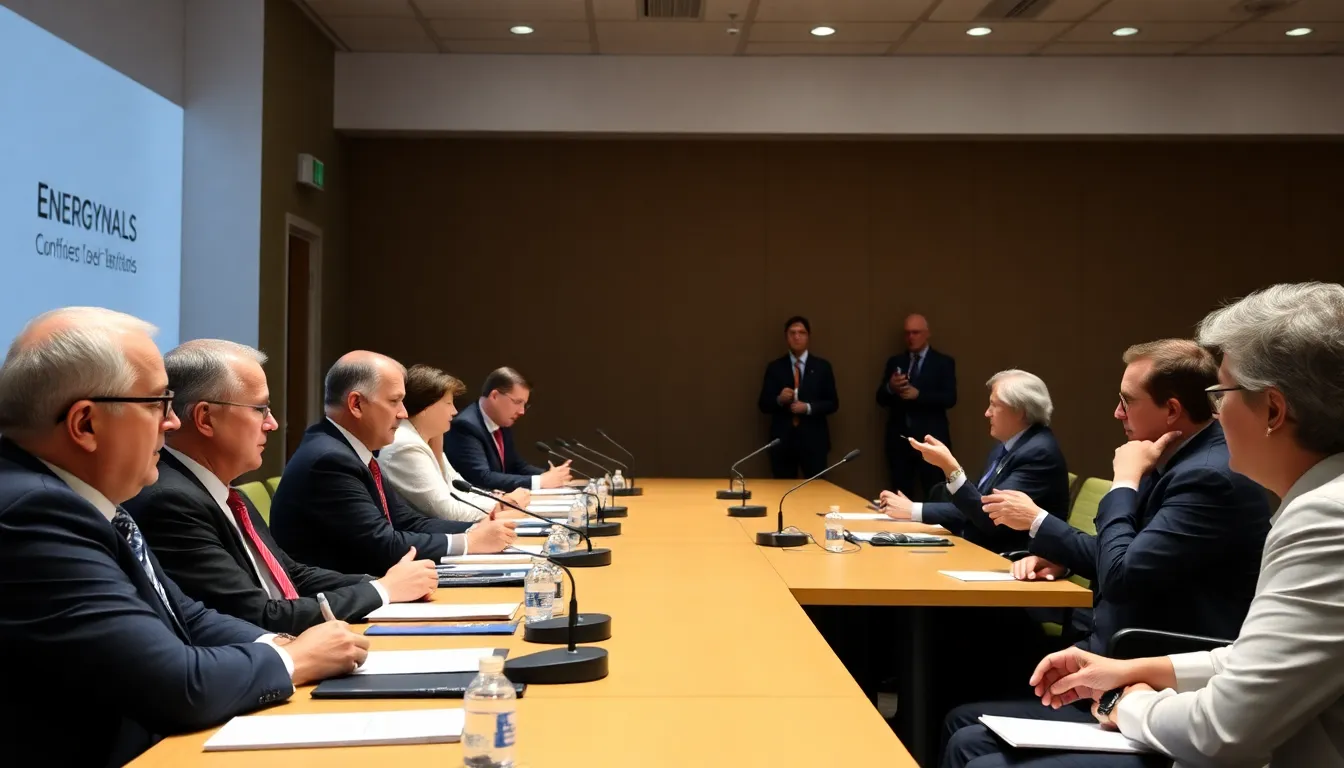
In recent years, the situation has escalated due to a combination of factors, including Iran’s nuclear ambitions and its involvement in regional conflicts. The U.S. withdrawal from the Joint Comprehensive Plan of Action (JCPOA) in 2018 further exacerbated tensions, triggering a series of sanctions that have crippled Iran’s economy. These sanctions have not only affected Iran but have also had a ripple effect on global energy markets, leading to increased prices and uncertainty in energy supply, highlighting the importance of international policy decisions.
The impact on UK energy firms
As the conflict in Iran continues to unfold, UK firms have begun to reassess their fixed energy deals in light of rising prices and supply chain disruptions. The war has led to a surge in energy costs, prompting businesses to pull back from long-term contracts that may expose them to volatile market conditions. This decision reflects a broader trend among companies seeking to mitigate risks associated with geopolitical instability and fluctuating energy prices.
The implications of these developments are significant, not only for UK firms but also for consumers who may face higher energy bills as a result of these market adjustments. The situation underscores the interconnectedness of global energy markets and the far-reaching consequences of political conflicts on economic stability.
Analyzing the key stakeholders and issues at play in the energy market
The ongoing conflict in Iran has significantly impacted global energy markets, prompting UK firms to withdraw from fixed energy deals. This situation involves various stakeholders, including energy companies, government entities, and consumers, each with distinct interests and concerns.
Energy companies, particularly those with investments in oil and gas, are facing heightened volatility in prices due to the conflict. Their primary interest lies in maintaining profitability while managing risks associated with fluctuating energy costs. The withdrawal from fixed energy deals reflects a strategic move to mitigate potential losses as prices surge.
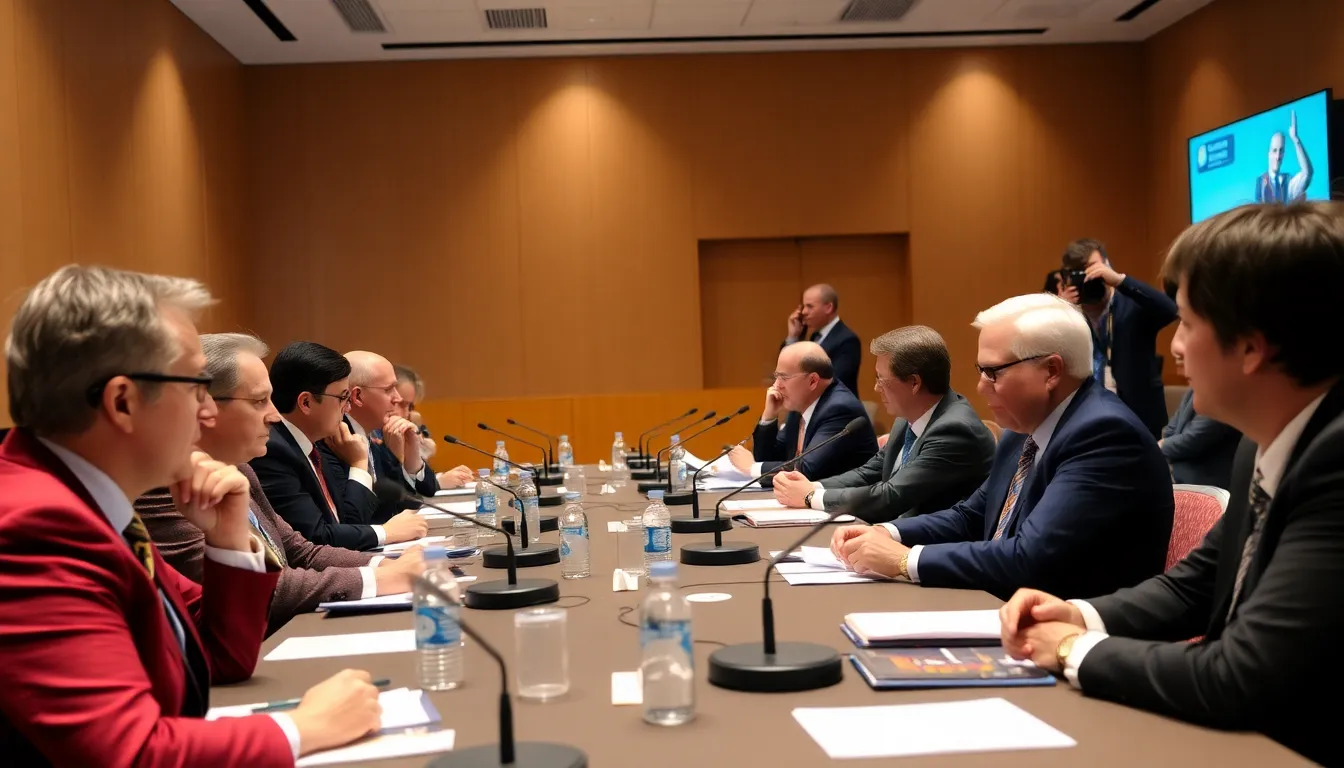
On the governmental side, UK policymakers are tasked with balancing energy security and economic stability. The rising energy prices could lead to increased inflation, affecting consumers and businesses alike. Consequently, the government may need to consider interventions, such as subsidies or regulatory adjustments, to protect vulnerable populations from the financial strain.
Consumers are also significant stakeholders in this scenario. As energy prices rise, households and businesses may face higher utility bills, leading to difficult trade-offs in their budgets. This situation raises critical questions about energy affordability and the long-term sustainability of the energy market.
- Energy Companies: Focused on profitability amid price volatility.
- UK Government: Aiming to ensure energy security while managing inflation.
- Consumers: Concerned about rising costs and energy affordability.
- International Markets: Influenced by geopolitical tensions and supply chain disruptions.
- Environmental Groups: Advocating for a transition to renewable energy amidst rising fossil fuel prices.
Examining the impact on consumers and the broader energy market
The ongoing conflict in Iran has led to a significant shift in the energy market, prompting UK firms to withdraw from fixed energy deals. This decision has far-reaching consequences for various groups, including consumers, businesses, and energy providers. As prices surge, the immediate impact is felt most acutely by households and small businesses that rely on stable energy costs.
Consumers are facing a dual challenge: rising energy prices and uncertainty in supply. Households may struggle to budget effectively as energy bills fluctuate, leading to increased financial strain. Small businesses, particularly those in energy-intensive sectors like manufacturing and hospitality, are at risk of reduced profitability, which could ultimately lead to layoffs or closures.

Regions heavily dependent on energy-intensive industries, such as manufacturing hubs in the Midlands and the North, may experience localized economic downturns. The instability in energy pricing can also affect local governments, which may need to revise budgets to accommodate higher energy costs, potentially diverting funds from essential services.
However, amidst these challenges, there are potential opportunities. Companies that adapt quickly by investing in renewable energy sources may find themselves at a competitive advantage. Additionally, there could be a push for policy changes that promote energy efficiency and sustainable practices, fostering a more resilient energy market in the long term.
- Increased financial strain on households and small businesses due to rising energy costs.
- Potential job losses in energy-intensive sectors.
- Local governments facing budgetary pressures.
- Opportunities for companies investing in renewable energy and efficiency measures.
- Possible policy shifts towards sustainability and energy resilience.
A: UK firms are withdrawing from fixed energy contracts primarily due to the significant increase in energy prices caused by the ongoing war in Iran. This conflict has created uncertainty in the energy market, prompting companies to reassess their commitments. A: The war in Iran has disrupted supply chains and heightened geopolitical tensions, leading to increased costs for energy resources. As a result, prices have surged, impacting both suppliers and consumers. A: Consumers may face higher energy bills as firms adjust their pricing strategies in response to increased costs. This could lead to a rise in overall living expenses for households. A: Some UK firms may explore variable energy contracts or seek alternative suppliers to mitigate risks associated with fixed deals. However, these options may also come with their own set of challenges. A: The outlook remains uncertain as the situation in Iran evolves. Companies will need to navigate fluctuating prices and potential supply disruptions in the coming months.
Frequently asked questions about the energy market changes
Key insights and future outlook on energy deals in the UK
The recent escalation of conflict in the Middle East, particularly the war in Iran, has prompted UK firms to reconsider their fixed energy deals. As prices surge due to geopolitical tensions, businesses are facing increased pressure to adapt their energy strategies. The volatility in the global energy market not only affects current pricing structures but also raises questions about long-term supply stability and the feasibility of future contracts.
In this context, firms must navigate a landscape marked by uncertainty, balancing immediate cost considerations with the need for sustainable energy solutions. The decisions made in the coming months will likely shape the energy procurement strategies of UK companies for years to come.
- Monitor fluctuations in global energy prices as they may lead to further adjustments in fixed energy contracts.
- Evaluate alternative energy sources and flexible contracts to mitigate risks associated with geopolitical events.
- Stay informed about government policies and initiatives aimed at stabilizing the energy market.
- Consider long-term investments in renewable energy as a hedge against future price volatility.
- Engage in scenario planning to prepare for various outcomes in the energy market stemming from ongoing conflicts.