
Exploring the Unseen Diversity of Ants
Recent studies have revealed a remarkable diversity among ant species, with researchers identifying over 15,000 distinct types worldwide. This surge in knowledge comes as scientists continue to explore remote ecosystems, particularly in tropical regions where many species remain undocumented. The findings underscore the ecological importance of ants, which play crucial roles in soil aeration, seed dispersal, and nutrient cycling.
This research highlighted the presence of several previously unknown species, which can be further explored in our article on unique ant species around the world.
The ongoing exploration of ant diversity is particularly significant in the context of global biodiversity loss. As ecosystems are increasingly threatened by human activities, understanding the full scope of species diversity becomes essential for conservation efforts. Ants, as key indicators of environmental health, provide valuable insights into the overall state of ecosystems.
Moreover, these findings have implications for various fields, including agriculture, ecology, and climate science. Ants contribute to pest control and soil fertility, making them vital for sustainable farming practices. As researchers continue to uncover the complexities of ant communities, their work highlights the urgent need for protective measures to preserve these essential species and their habitats.
Understanding the Importance of Ant Diversity
Historically, these industrious insects have thrived in a variety of environments, which is part of what makes the study of unique ant species so fascinating.
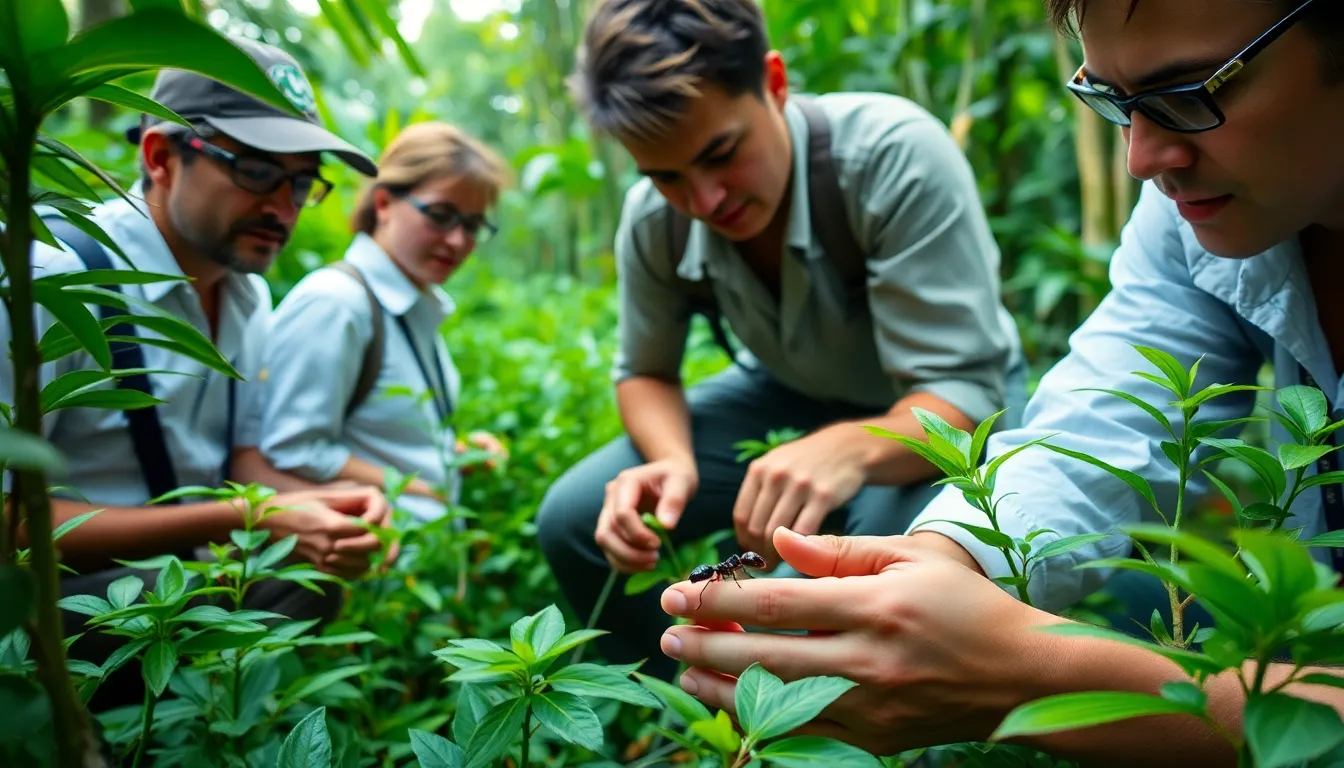
The significance of ant diversity extends beyond mere numbers; it is intertwined with ecological balance. Ants contribute to soil aeration, seed dispersal, and pest control, making them vital players in agricultural systems. Economically, farmers often rely on the natural pest management provided by ant populations, which can reduce the need for chemical pesticides. This reliance highlights the intricate relationship between human agriculture and ant biodiversity.
In recent years, the impact of climate change and habitat destruction has begun to threaten ant populations worldwide. As temperatures rise and habitats are altered, many ant species face extinction, which could have cascading effects on the ecosystems they inhabit. Understanding the historical context of these threats is essential for conservation efforts. For instance, the deforestation of tropical rainforests in the 20th century has led to significant declines in ant diversity, showcasing the urgent need for sustainable practices.
Key Milestones in Ant Research
Research on ant diversity has evolved significantly over the decades. In the early 20th century, scientists like William Morton Wheeler laid the groundwork for understanding ant behavior and social structure. The establishment of the AntWeb database in the 21st century marked a pivotal moment, providing researchers with access to a wealth of information on ant species and their distributions. These milestones have not only advanced scientific knowledge but have also raised awareness of the importance of conserving ant diversity in the face of ongoing environmental challenges.
Key Issues Surrounding Ant Research and Conservation
The study of ants has garnered significant attention due to their ecological importance and unique behaviors. Various stakeholders, including researchers, environmental organizations, and government agencies, play crucial roles in ant research and conservation efforts. Each of these groups has distinct interests that can sometimes conflict, leading to complex dynamics in the field.
Researchers are primarily motivated by the desire to understand ant behavior, ecology, and their role in ecosystems. Their findings can contribute to broader biological knowledge and inform conservation strategies. However, funding for research often comes from governmental or private sources, which may have specific agendas that can influence the direction of studies. This creates a potential conflict between scientific integrity and funding interests.
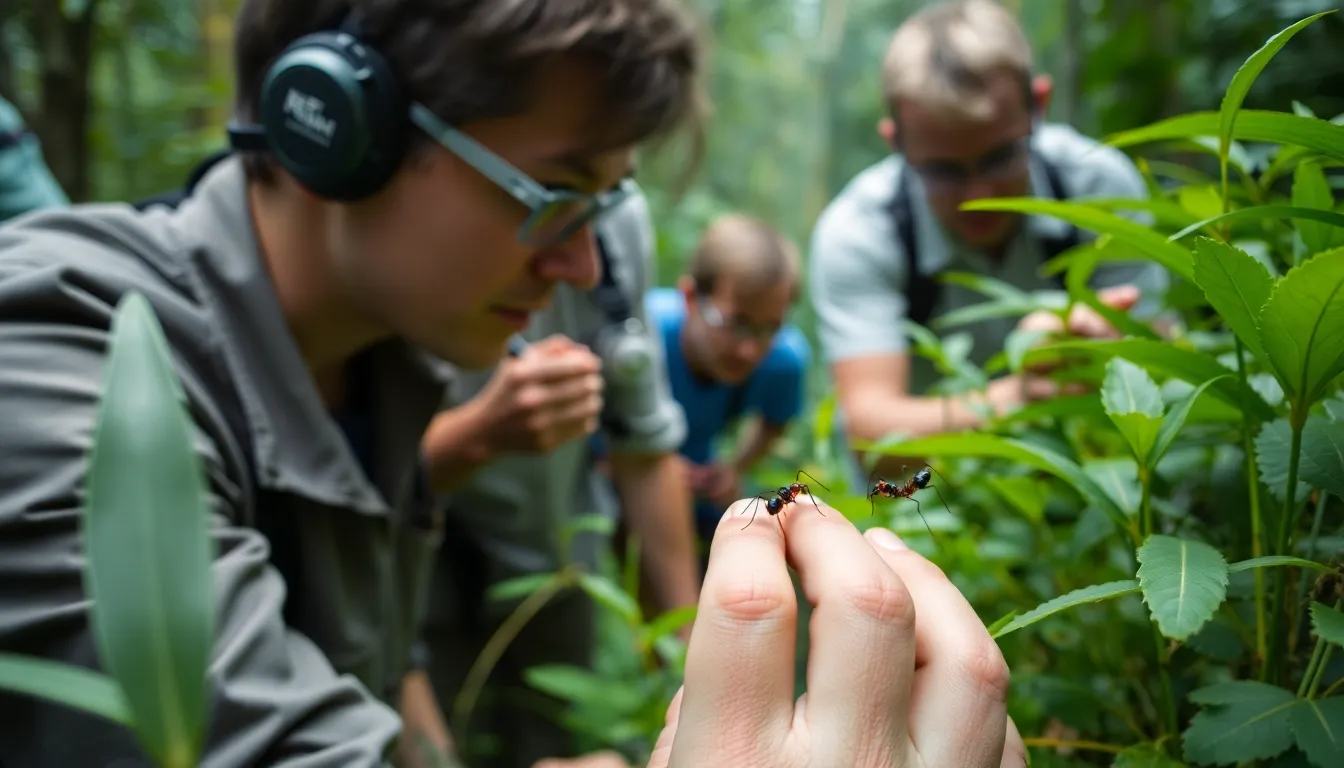
Environmental organizations advocate for the protection of ant habitats, recognizing their vital role in maintaining biodiversity. These groups often push for policies that safeguard ecosystems where ants thrive. However, their efforts can clash with economic interests, such as agriculture or urban development, which may prioritize land use over conservation. This leads to trade-offs between environmental sustainability and economic growth.
- Research Funding: The reliance on grants can shape research priorities, sometimes at the expense of less commercially viable studies.
- Habitat Loss: Urbanization and agricultural expansion threaten ant populations, raising concerns about biodiversity loss.
- Policy Conflicts: Legislation aimed at protecting ecosystems may face opposition from industries that rely on land development.
- Public Awareness: Increasing public interest in ants can drive conservation efforts, but misinformation can also lead to misguided initiatives.
- Global Warming: Climate change poses a significant threat to ant species, necessitating international cooperation for effective conservation.
The challenge lies in finding a sustainable approach that addresses the needs of all stakeholders while ensuring the preservation of ant populations and their habitats, which is critical for maintaining biodiversity.
How Unique Ant Species Affect Ecosystems
The emergence of unique ant species presents significant implications for various groups, particularly in regions where these ants thrive. Ecologists, farmers, and urban planners are among those who must navigate the changes brought about by these distinctive insects. The impact is profound, affecting not only local ecosystems but also agricultural practices and urban environments.
In the short term, communities may experience disruptions in their daily lives as these ants alter the balance of local ecosystems. For instance, farmers may notice changes in pest populations, with some unique ant species acting as natural predators, while others could disrupt crop growth by competing for resources. Urban areas may also see shifts in pest control dynamics, leading to increased reliance on alternative pest management strategies.
Mid-term impacts could include policy adjustments as governments and environmental agencies respond to the ecological shifts. New regulations may be introduced to manage the spread of these ants and mitigate their effects on agriculture and biodiversity. Additionally, industries such as agriculture and landscaping might need to adapt their practices to accommodate the presence of these unique ants, leading to potential innovations in sustainable farming and pest management.
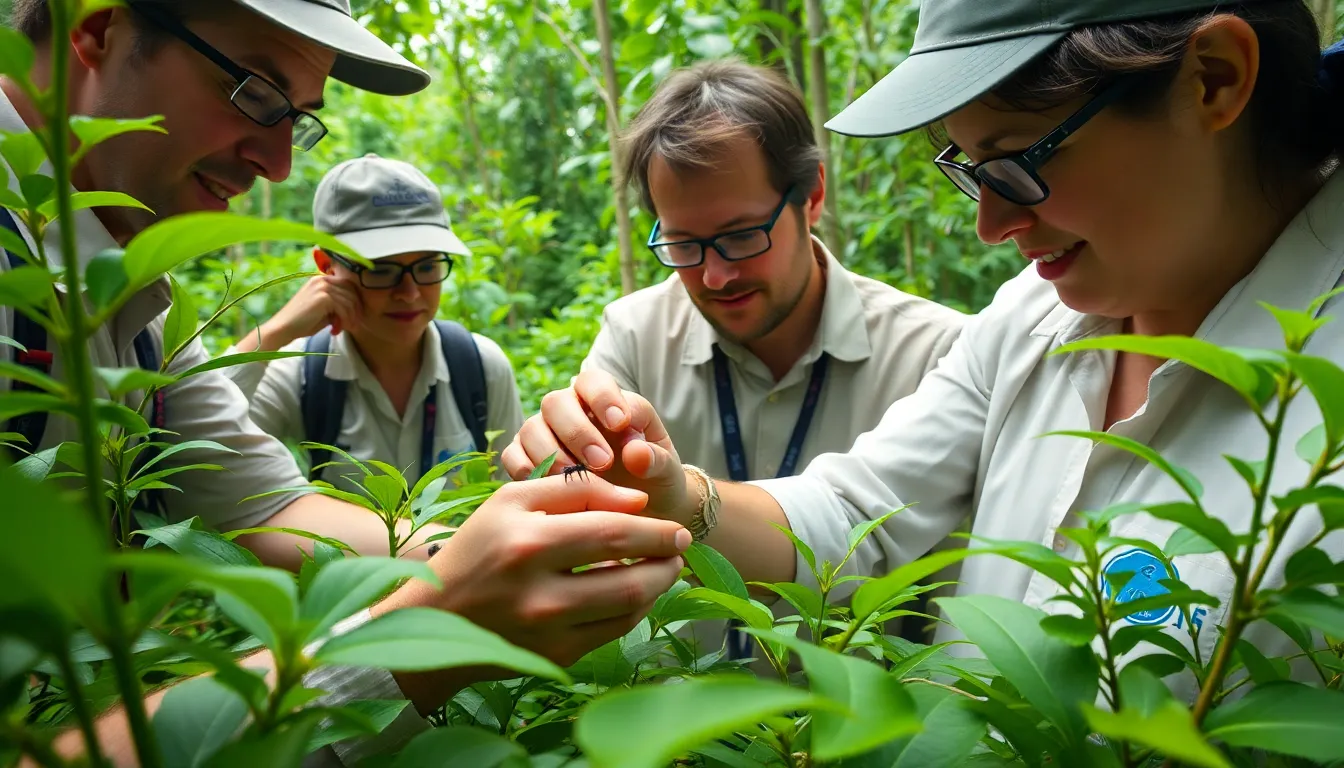
- Risks: Disruption of local ecosystems, competition with native species, potential crop damage.
- Opportunities: Natural pest control, innovation in agricultural practices, new research avenues in ecology.
Overall, the presence of these unique ant species poses both challenges and opportunities. Stakeholders must remain vigilant and adaptable to harness the benefits while mitigating the risks associated with these fascinating creatures.
A: These ant species are unique due to their distinct behaviors, physical characteristics, and adaptations that allow them to thrive in specific environments. A: Unique ant species can be found in various habitats around the world, including rainforests, deserts, and even urban areas, depending on their adaptations. A: Studying ants is important because they play crucial roles in ecosystems, such as soil aeration, seed dispersal, and serving as indicators of environmental health. A: You can help by supporting conservation organizations, participating in citizen science projects, and being mindful of the impact of pesticides on local ant populations. A: Yes, threats include habitat destruction, climate change, and invasive species that can disrupt native ant populations and ecosystems.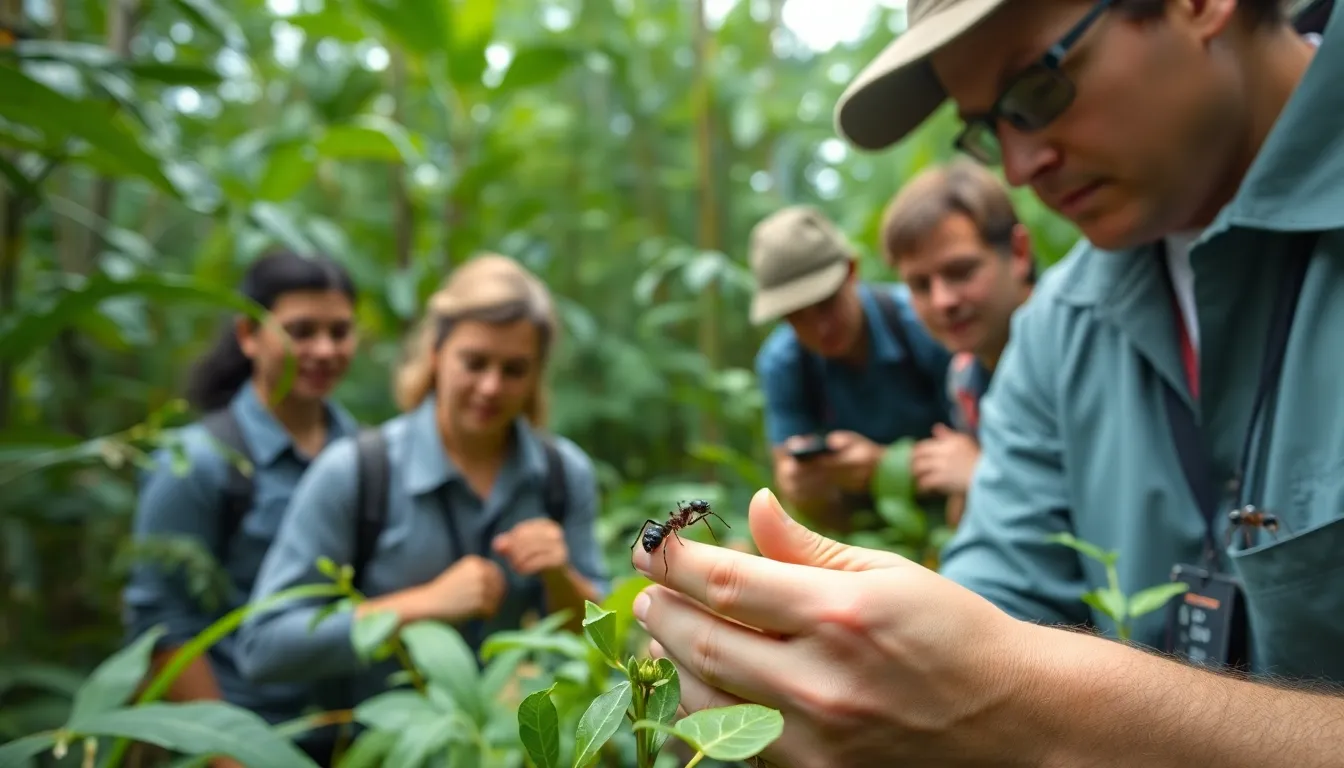
Frequently Asked Questions About Unique Ants
Key Takeaways and Future Directions in Ant Research
The exploration of unique ant species and their behaviors has opened new avenues for understanding ecological dynamics and evolutionary processes. As researchers delve deeper into the complexities of ant societies, it becomes increasingly clear that these insects play a crucial role in their environments, influencing everything from soil health to plant growth. This insight not only enhances our knowledge of biodiversity but also highlights the need for conservation efforts in the face of habitat loss and climate change.
Future studies should focus on the implications of these findings for ecosystem management and the potential applications in fields such as agriculture and pest control. Monitoring the interactions between ants and their environments will be essential in predicting how these species adapt to changing conditions.
- Ants as Indicators: Their presence and behaviors can serve as indicators of ecosystem health, prompting further research into environmental monitoring.
- Conservation Strategies: Understanding ant species diversity may inform targeted conservation strategies to protect vulnerable habitats.
- Applications in Agriculture: Insights gained from ant behaviors could lead to innovative pest management solutions that reduce reliance on chemical pesticides.
- Climate Adaptation: Observing how ants adapt to climate changes may provide clues for broader ecological resilience strategies.