
In recent months, the global oil market has seen a decline in demand due to slowing economic growth in key regions, including Europe and Asia. This downturn has intensified competition among oil-producing nations, further complicating the landscape for American frackers who are already operating on thin margins.
Additionally, the geopolitical situation in Venezuela poses both challenges and opportunities for U.S. oil producers. Former President Donald Trump’s administration had aimed to increase sanctions on Venezuela’s oil exports, which could potentially open up the market for U.S. crude. For more insights on this political climate, read about Understanding the Complexities of Trump’s Vision for Venezuela. However, the revival of Venezuelan oil production could lead to even greater supply in an already saturated market, impacting prices further.
As U.S. producers navigate these turbulent waters, they face mounting pressure to cut costs and improve efficiency. The current market dynamics are forcing many companies to reevaluate their strategies, with some considering mergers or other forms of consolidation to survive the ongoing crisis.
Understanding the global oil supply dynamics and Venezuela’s role
The global oil market has been characterized by a delicate balance between supply and demand, with various geopolitical factors influencing prices and production levels. In recent years, U.S. shale oil production, particularly from fracking, has significantly increased domestic output, contributing to a global oil supply glut. This oversupply has led to fluctuating oil prices, impacting both producers and consumers worldwide.
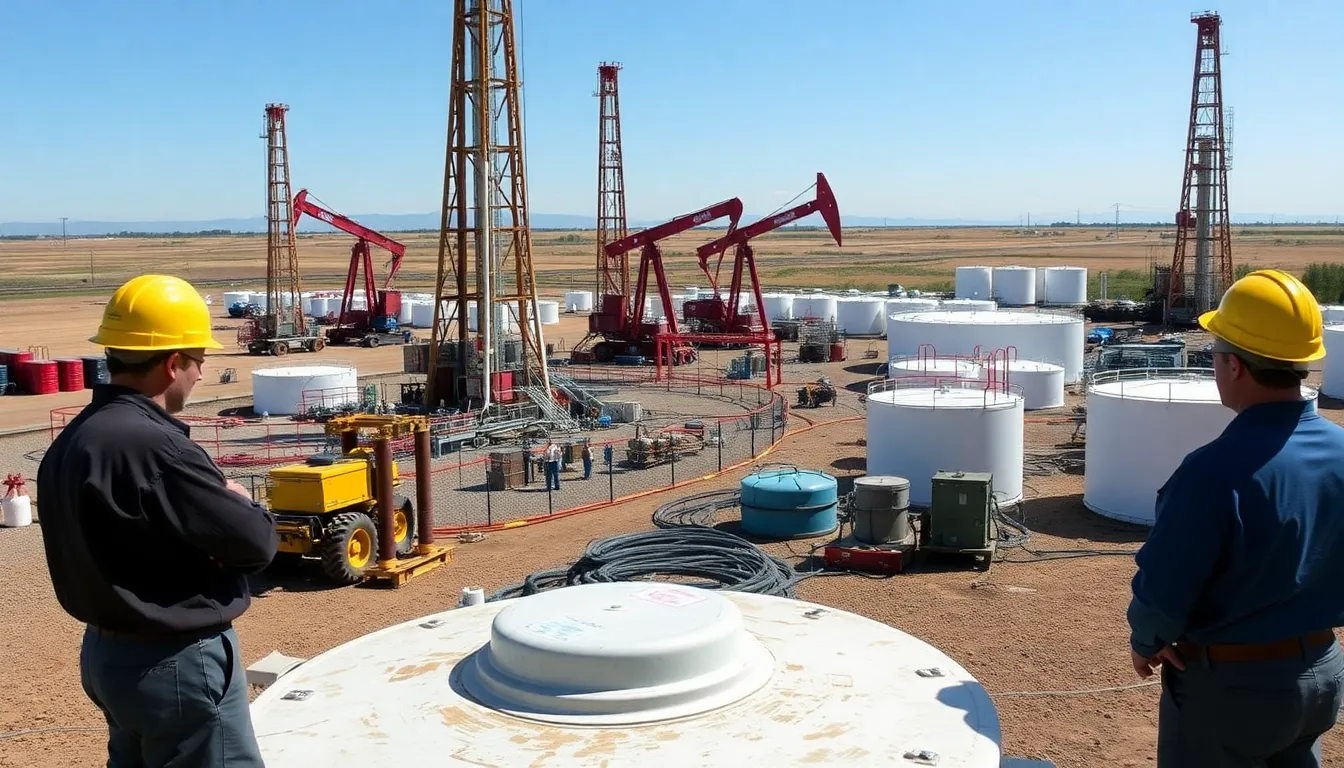
Venezuela, once a leading oil exporter, has faced a severe economic and political crisis that has drastically reduced its oil production capabilities. The country’s oil industry, which relies heavily on state-owned Petróleos de Venezuela, S.A. (PDVSA), has suffered from mismanagement, corruption, and U.S. sanctions. These sanctions were imposed in response to human rights abuses and the erosion of democracy under the regime of Nicolás Maduro, further crippling Venezuela’s ability to export oil and exacerbating the global supply situation.
The Impact of U.S. Sanctions
The U.S. sanctions on Venezuela have had far-reaching implications for the global oil market. By limiting Venezuela’s access to international markets and financial systems, these sanctions have not only reduced the country’s oil production but have also contributed to the overall volatility in oil prices. As the U.S. seeks to isolate Maduro’s government, the potential for re-entering Venezuelan oil into the global market remains a contentious issue, with implications for U.S. frackers who are already grappling with a saturated market.
Historically, Venezuela was one of the top oil producers in the world, holding the largest proven oil reserves. However, the decline in production over the past decade, coupled with the rise of U.S. shale oil, has shifted the dynamics of global oil supply. The interplay between U.S. fracking and Venezuelan oil production is crucial to understanding the current landscape, as any resurgence in Venezuelan output could further complicate the already fragile balance of supply and demand.
As the Biden administration navigates its foreign policy toward Venezuela, the potential for increased Venezuelan oil production poses a significant challenge for U.S. frackers, who may face intensified competition in an already oversupplied market. The historical context of Venezuela’s oil industry and the impact of U.S. policies will be essential in predicting future trends in global oil supply and prices.
Key stakeholders and the implications of US policies on Venezuelan oil
The ongoing dynamics of the global oil market are influenced by various stakeholders, each with distinct interests. In the context of US frackers and Venezuelan oil, key players include the US government, Venezuelan authorities, American oil companies, and international oil consumers. Each of these actors navigates a complex web of economic and political interests that shape their actions and responses to market fluctuations.
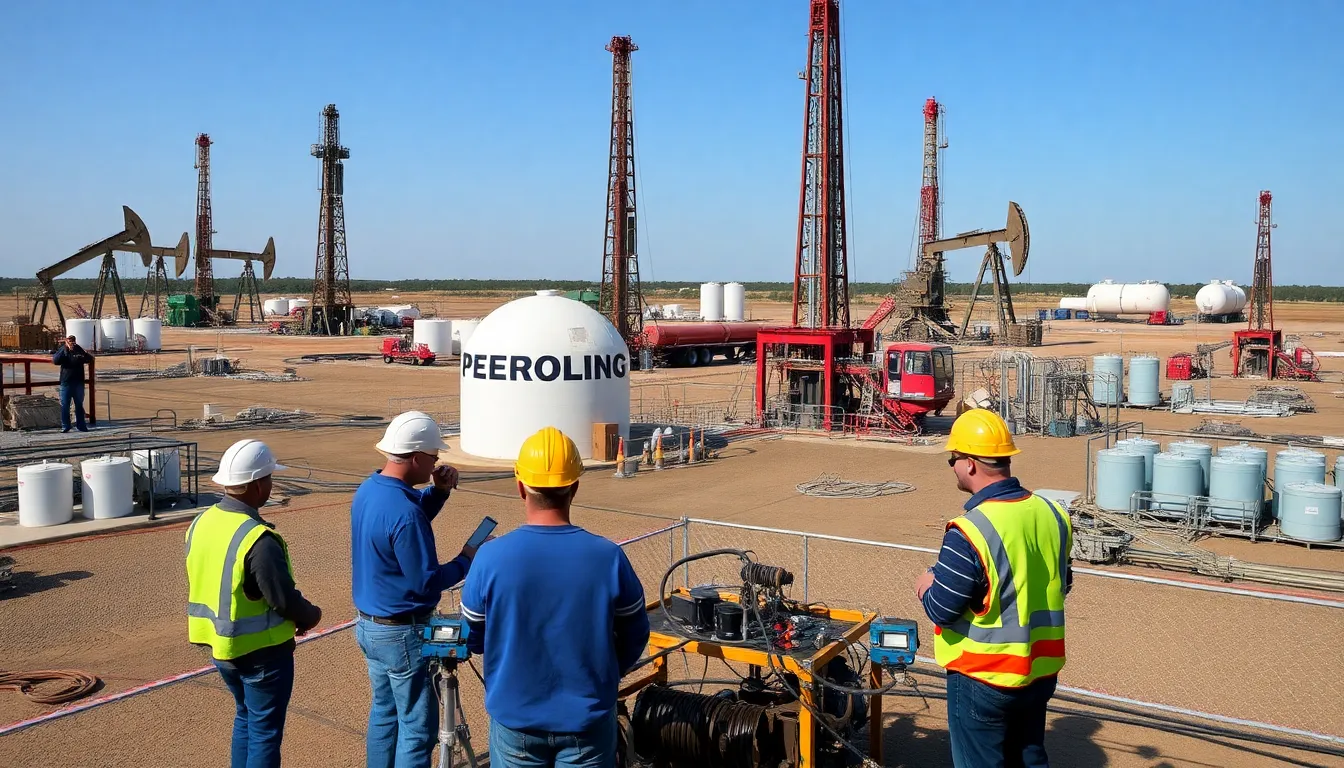
The US government, particularly under the Trump administration, has pursued policies aimed at isolating the Venezuelan regime, which it views as a geopolitical adversary. This stance is driven by a desire to undermine the Venezuelan economy and reduce its oil exports, thereby impacting global oil supply. However, this strategy may inadvertently exacerbate the existing supply glut faced by US frackers, who are already struggling with low prices and overproduction.
American oil companies, particularly those engaged in fracking, have a vested interest in stabilizing oil prices. They may find themselves at odds with US foreign policy if sanctions against Venezuela lead to further market instability. To explore the broader implications of these policies, check out our article on Trump withdraws US from key climate treaty and dozens of other groups. The potential for increased Venezuelan oil production, should sanctions be lifted or modified, presents both a threat and an opportunity for these companies. They must navigate the delicate balance between supporting US policy objectives and ensuring their own economic viability.
- Impact of sanctions: Sanctions on Venezuela have led to reduced oil exports, but any shift in policy could flood the market.
- Fracking challenges: US frackers face financial strain due to oversupply and low prices, complicating their operational decisions.
- Global oil dynamics: Increased Venezuelan production could destabilize the already volatile global oil market.
- Environmental concerns: The expansion of fracking in the US raises environmental issues that complicate stakeholder interests.
- International relations: The geopolitical implications of US actions toward Venezuela affect relationships with other oil-producing nations.
In summary, the interplay between US domestic oil production and foreign policy towards Venezuela creates a multifaceted landscape. Stakeholders must consider both immediate economic impacts and long-term geopolitical consequences as they navigate this complex environment.
How the oil supply glut affects US frackers and the broader market
The ongoing global oil supply glut poses significant challenges for US frackers, particularly as geopolitical dynamics shift with potential changes in Venezuelan oil policy. These changes could exacerbate the existing oversupply, affecting a range of stakeholders including oil producers, consumers, and investors.
In the short term, US frackers may face declining prices as increased supply from Venezuela could flood the market. This could lead to:
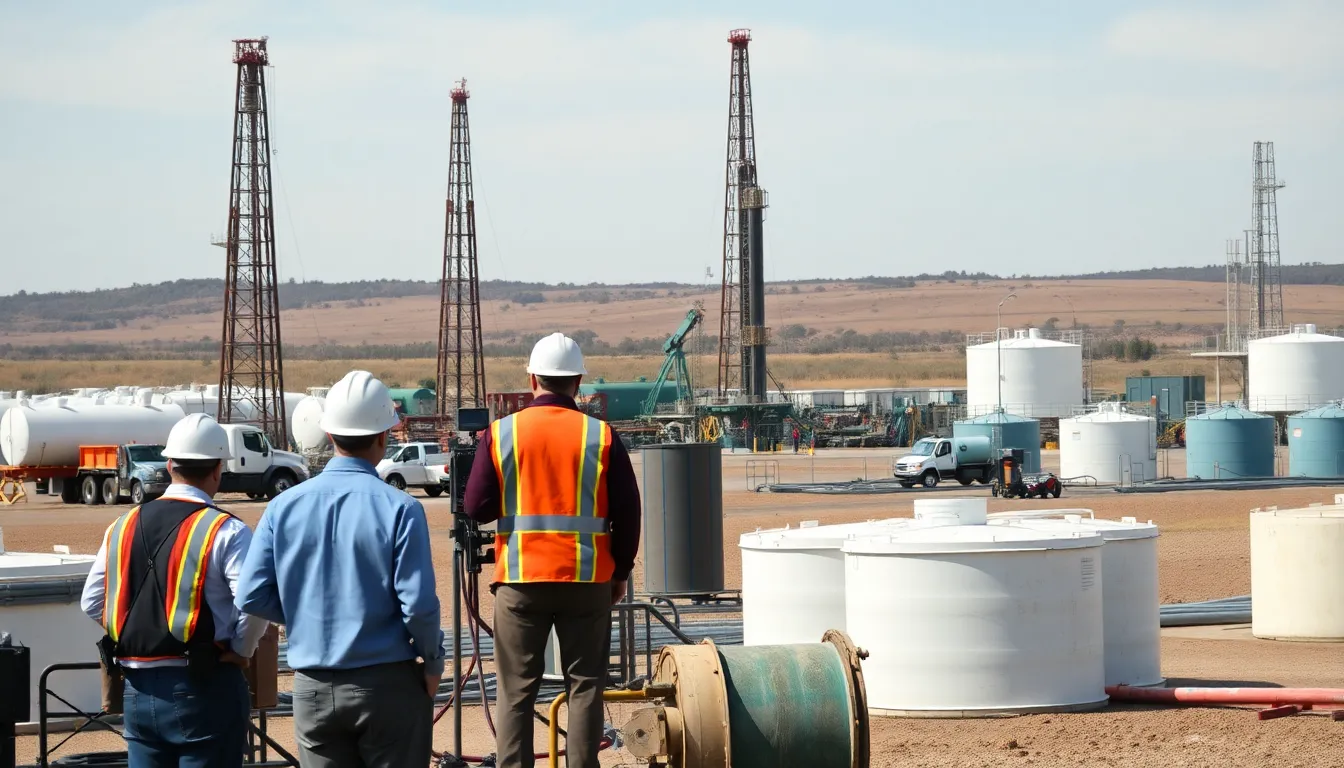
- Reduced profit margins for fracking companies.
- Potential layoffs and decreased investment in exploration and production.
- Increased competition among domestic producers, forcing some out of business.
For consumers, lower oil prices could translate to cheaper gasoline and heating costs, benefiting households and businesses reliant on fossil fuels. However, this short-term relief may come at the cost of long-term energy stability as fracking operations scale back.
In the mid-term, the impact on policy could be significant. Governments may push for more stringent regulations on fracking due to environmental concerns, influenced by the shifting dynamics in oil supply. Conversely, this environment could also create opportunities for innovation in energy technologies and alternative energy sources as companies seek to adapt to market pressures.
Ultimately, while the immediate effects of a global oil supply glut may challenge US frackers, there remains potential for growth in other sectors, as well as a renewed focus on sustainable energy practices in response to fluctuating oil prices.
A: The US is experiencing a significant oil supply glut, leading to lower prices and challenges for domestic frackers. A: Trump’s approach may increase Venezuelan oil production, further saturating the global market and exacerbating issues for US frackers. A: US frackers are dealing with low prices, high production costs, and increasing competition from foreign oil producers. A: Analysts suggest that unless there is a significant change in demand or production levels, the glut may persist in the near future. A: US frackers may need to focus on cost-cutting measures, technological advancements, and exploring new markets to remain competitive.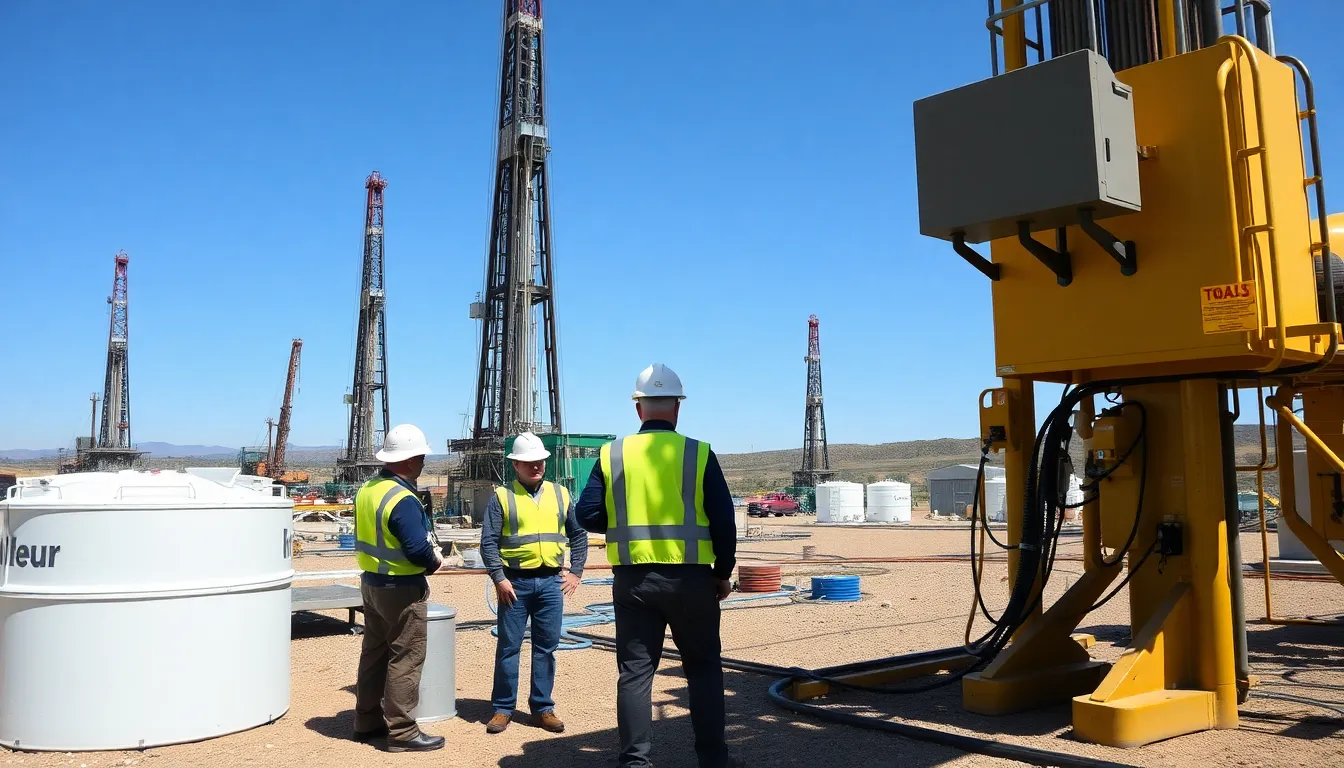
Frequently asked questions about US frackers and oil supply
Future outlook for US frackers in a changing oil landscape
The current global oil supply glut presents significant challenges for US frackers, particularly as geopolitical developments, such as Trump’s aspirations regarding Venezuela, could further exacerbate market conditions. With an influx of Venezuelan oil potentially re-entering the market, US producers may face intensified competition, leading to price pressures that could impact profitability and investment in the sector.
As the landscape evolves, frackers must navigate a complex interplay of supply dynamics, regulatory changes, and international relations. The ability to adapt to these factors will be crucial for maintaining market share and ensuring long-term viability in an increasingly competitive environment.
- Monitor the impact of Venezuelan oil re-entering the market on global prices and US production levels.
- Watch for potential regulatory changes that could affect fracking operations and environmental standards.
- Keep an eye on technological advancements that may improve efficiency and reduce costs for US frackers.
- Assess the geopolitical landscape, as shifts in foreign policy could influence oil supply chains and market stability.
- Evaluate the financial health of US fracking companies, as sustained low prices could lead to consolidation or bankruptcies in the sector.