
In recent months, the rise of remote work has shifted the perception of professional dressing, yet many companies still emphasize the importance of a formal appearance in the workplace. This has led to an increased demand for affordable, stylish clothing options that allow individuals to express their personal style while adhering to workplace expectations.
Retailers are responding to this demand by introducing budget-friendly collections aimed at professionals. Brands like H&M and Uniqlo have launched capsule wardrobes that focus on versatility and affordability, catering to the needs of workers who want to look good without breaking the bank.
Furthermore, the rise of second-hand shopping and online thrift stores has provided an alternative for those looking to save money while still dressing well. Platforms such as Poshmark and ThredUp have gained popularity, enabling consumers to find quality professional attire at a fraction of the original price.
As the conversation around workplace attire continues to evolve, finding the balance between budget constraints and personal expression remains a key issue for many. The current landscape presents both challenges and opportunities for individuals seeking to navigate professional dressing in a cost-effective manner.

Recommended Articles
- Britain embraces the workation trend for better work-life balance
- Displaced Palestinians in Egypt Await Reopening of Gaza Border
- US frackers face challenges as global oil supply glut worsens with Trump's Venezuelan strategy
- Red Rose Burton appointed to lead PWR players board
- Hospital flu cases decline as NHS prepares for cold weather
- Britain embraces the workation trend for better work-life balance
- Displaced Palestinians in Egypt Await Reopening of Gaza Border
- US frackers face challenges as global oil supply glut worsens with Trump's Venezuelan strategy
- Red Rose Burton appointed to lead PWR players board
- Hospital flu cases decline as NHS prepares for cold weather
Understanding the importance of work attire in today’s job market
In recent years, the way individuals dress for work has evolved significantly, reflecting broader changes in societal norms, economic conditions, and workplace culture. Historically, professional attire was often dictated by strict dress codes that emphasized formality, with suits and ties being the standard for men and tailored dresses or skirts for women. However, as the job market has transformed, particularly with the rise of tech companies and remote work, so too has the expectation around work attire.
The economic landscape has played a crucial role in this shift. During times of economic downturn, such as the 2008 financial crisis, many companies adopted more casual dress codes to cut costs and create a more relaxed work environment. This trend has persisted, leading to a growing acceptance of business casual and even casual attire in many industries. As a result, employees are now often encouraged to express their personal style while maintaining a professional appearance.
Social movements advocating for inclusivity and diversity have also influenced how people approach work attire. The push for representation in the workplace has led to a broader understanding of what constitutes professional dress, allowing individuals from various backgrounds to bring their cultural identities into their work environments. This shift has been particularly significant for marginalized groups, who may have previously felt pressured to conform to conventional standards of appearance.
Key milestones in the evolution of work attire
Several key milestones have marked the evolution of work attire. The introduction of “casual Fridays” in the 1990s was a pivotal moment that allowed employees to dress down at the end of the week, paving the way for more relaxed dress codes. Additionally, the rise of remote work during the COVID-19 pandemic has fundamentally changed expectations around work attire, as many employees now prioritize comfort without sacrificing professionalism. These changes highlight the ongoing negotiation between personal style and workplace expectations, encouraging individuals to find creative ways to dress well without overspending.
Key factors influencing personal style and budget constraints
In today’s fast-paced work environment, individuals face the challenge of dressing professionally while adhering to personal style preferences and budget limitations. Various stakeholders influence this dynamic, including fashion retailers, employers, and consumers themselves.

Fashion retailers have a vested interest in promoting affordable yet stylish clothing options. They aim to attract budget-conscious consumers who still desire to express their individuality through fashion. This has led to an increase in brands that focus on providing versatile pieces that can be mixed and matched, catering to diverse tastes without breaking the bank.
Employers, on the other hand, often establish dress codes that reflect the company’s culture and values. This can create tension between individual expression and organizational expectations. Employees may feel constrained by these policies, leading to a conflict between maintaining professionalism and showcasing personal style.
Another layer to this issue is the economic landscape. With rising living costs, many individuals are forced to prioritize essential expenses over discretionary spending on clothing. This has prompted a shift towards sustainable fashion practices, where consumers seek quality over quantity, often opting for second-hand or ethically produced items.
- Increased demand for versatile clothing that transitions from work to casual settings.
- Conflicts between employer dress codes and personal expression.
- Economic pressures influencing consumer purchasing decisions.
- Growth of sustainable fashion as a response to budget constraints.
- Emergence of online platforms that offer budget-friendly styling advice.
How dressing well affects career opportunities and confidence
The way individuals dress for work significantly impacts various groups, particularly young professionals, job seekers, and those in customer-facing roles. Industries such as retail, hospitality, and corporate sectors are especially affected, as appearance can influence first impressions and overall workplace dynamics. Regions with a strong emphasis on professional attire, like major metropolitan areas, also see a heightened effect.
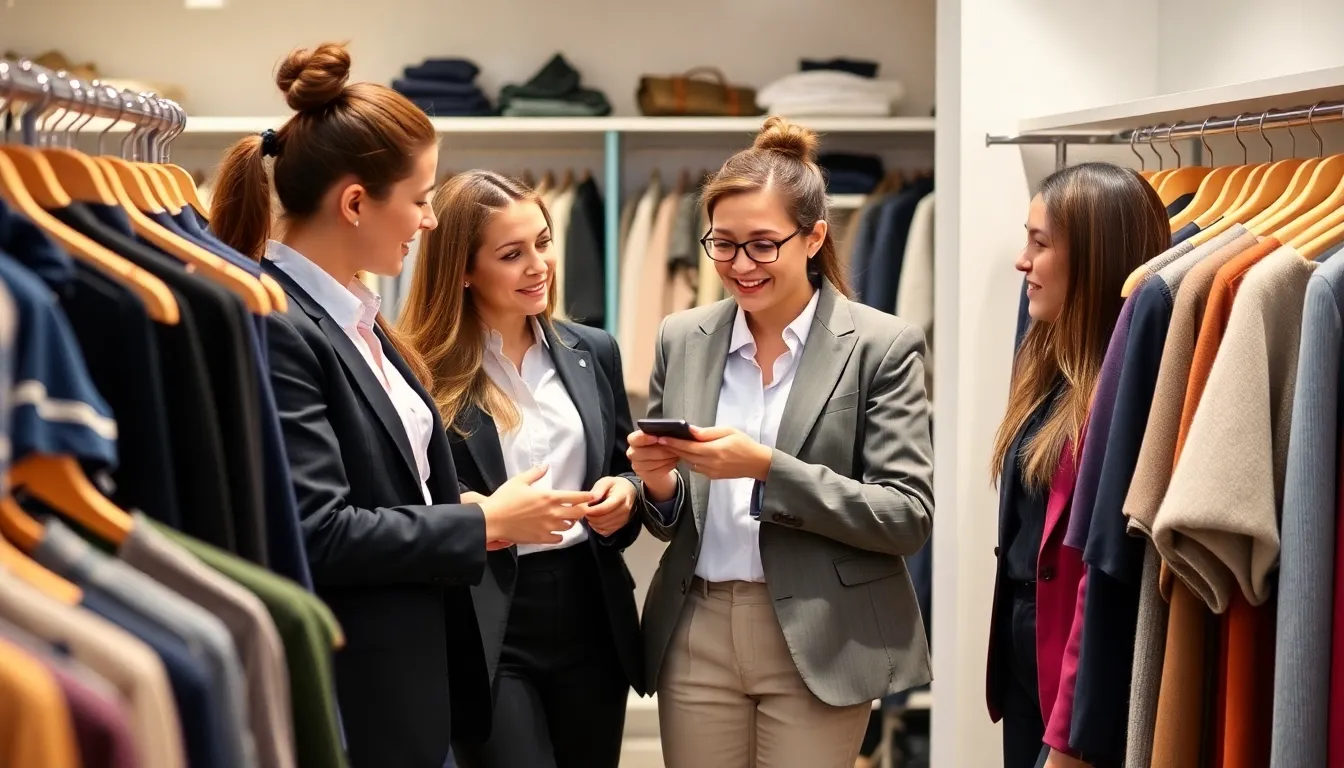
In the short term, individuals may experience a boost in confidence when they dress well without overspending. This can lead to improved performance at work, as employees feel more self-assured and ready to tackle challenges. Additionally, businesses may notice a positive shift in employee morale and customer interactions, potentially increasing sales and customer satisfaction.
Mid-term impacts include a shift in workplace culture where personal style is embraced alongside professionalism. Companies may begin to adopt more flexible dress codes, allowing employees to express their individuality while maintaining a polished appearance. However, there are risks involved; companies that fail to adapt may struggle to attract top talent who prioritize a balance of style and comfort.
- Improved employee confidence and performance.
- Increased customer satisfaction and sales.
- Potential for shifting workplace culture towards more inclusive dress codes.
- Risks of alienating talent in traditional industries.
- Opportunities for affordable fashion brands to thrive.
Ultimately, the intersection of personal style and professional attire presents both challenges and opportunities for individuals and businesses alike. By navigating this landscape wisely, stakeholders can foster environments that celebrate individuality while still adhering to professional standards.
A: Start by identifying versatile pieces that can be mixed and matched. Look for sales, thrift stores, and online discounts to find quality items at lower prices. A: Key items include tailored blazers, classic trousers, and versatile blouses. These can be dressed up or down depending on the occasion. A: Incorporate accessories like scarves, jewelry, or unique shoes that reflect your style. Choose colors and patterns that resonate with you while staying professional. A: Absolutely! Focus on quality over quantity, invest in timeless pieces, and take advantage of sales and discounts. A: Aim to refresh your wardrobe seasonally or whenever you notice key pieces becoming worn out. This keeps your style current without excessive spending.
Frequently asked questions about dressing for work
Key takeaways for stylish and affordable work attire
Finding the right balance between professionalism and personal style doesn’t have to break the bank. By focusing on versatile pieces, leveraging sales, and incorporating unique accessories, individuals can create a wardrobe that reflects their personality while adhering to workplace standards. Understanding the importance of quality over quantity will lead to smarter purchasing decisions that enhance both style and budget.
As you navigate your work wardrobe, consider the impact of sustainable choices and second-hand shopping, which not only save money but also contribute to a more eco-friendly fashion industry. Prioritizing comfort and fit will ensure that you feel confident and capable in your attire, ultimately translating to better performance at work.
- Invest in versatile basics that can be mixed and matched for different looks.
- Keep an eye out for sales and discounts to maximize your budget.
- Incorporate statement accessories to personalize your outfits without overspending.
- Explore thrift shops and online resale platforms for unique, affordable pieces.
- Focus on fit and comfort to enhance your confidence and productivity at work.