
Recent developments have intensified the situation, with the Biden administration signaling a potential shift in U.S. policy towards Venezuela. In December 2022, the U.S. eased some sanctions on the Maduro regime, allowing for limited oil exports to help stabilize the economy. This decision has sparked debates about the effectiveness of sanctions and their impact on the Venezuelan populace, raising questions about the future of U.S.-Venezuela relations, including the potential implications of U.S. control over Venezuelan oil sales.
The opposition, led by figures like Juan Guaidó, continues to struggle for legitimacy and support. Despite initial backing from the U.S. and other nations in 2019, Guaidó’s influence has waned, leading to a fragmented political landscape. The lack of unity among opposition factions has hindered efforts to challenge Maduro’s government effectively.
Furthermore, the humanitarian crisis remains dire, with over six million Venezuelans having left the country as of 2023, according to the United Nations. Those who remain face daily hardships, including hyperinflation, widespread poverty, and inadequate healthcare. International organizations are calling for increased aid and intervention to address the urgent needs of the Venezuelan population.
The Historical Background of U.S.-Venezuela Relations
The relationship between the United States and Venezuela has been complex and often contentious, shaped by a mix of economic interests, political ideologies, and historical events. In the early 20th century, the discovery of oil in Venezuela transformed the country into a key player in global energy markets, attracting U.S. investment and involvement. This laid the groundwork for a relationship that would oscillate between cooperation and conflict over the decades.
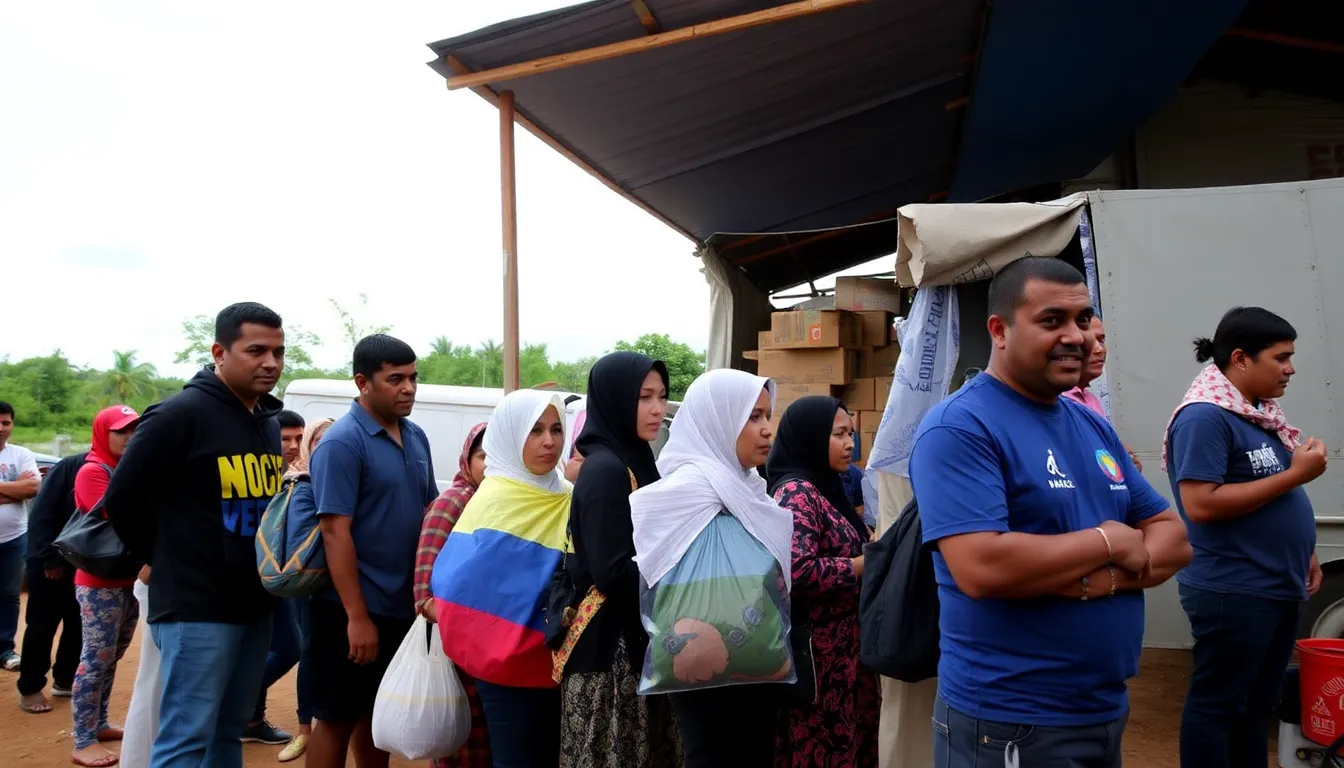
During the Cold War, the U.S. viewed Venezuela as an important ally in Latin America, particularly as a counterbalance to leftist movements. However, the rise of Hugo Chávez in the late 1990s marked a significant turning point. Chávez’s socialist policies and anti-American rhetoric strained relations, leading to a series of diplomatic spats and economic sanctions. The U.S. accused Chávez of undermining democracy and fostering authoritarianism, while Chávez portrayed the U.S. as an imperialist threat.
Key Milestones in Recent U.S.-Venezuela Relations
The situation escalated dramatically in the 2010s with Chávez’s death in 2013 and the subsequent rise of Nicolás Maduro, who continued Chávez’s policies but faced increasing domestic unrest and economic collapse. In 2015, the U.S. imposed sanctions on Maduro and his administration, citing human rights abuses and corruption. The 2018 presidential election, widely criticized as fraudulent, further soured relations, prompting the U.S. to recognize opposition leader Juan Guaidó as Venezuela’s legitimate president in 2019. Understanding the context of these developments is essential to grasp the full scope of Trump’s vision for Venezuela.
These events have led to a humanitarian crisis in Venezuela, with millions fleeing the country and an economy in shambles. The U.S. has maintained a hardline stance, though recent discussions around potential negotiations indicate a shifting approach. Understanding this historical context is crucial for grasping the complexities of Trump’s vision for Venezuela, which seeks to leverage U.S. influence while navigating the region’s intricate political landscape.
Key Stakeholders and Their Interests in Venezuela
In the complex landscape of Venezuela, various stakeholders play pivotal roles, each driven by distinct interests and objectives. The primary actors include the Venezuelan government, led by President Nicolás Maduro, the opposition parties, the United States government, and international organizations such as the United Nations and the Organization of American States (OAS).
The Venezuelan government, under Maduro, seeks to maintain power and control over the country’s vast oil resources, which are crucial for its economy. The government aims to suppress opposition and consolidate authority, often justifying its actions as necessary to combat foreign intervention and restore national sovereignty.
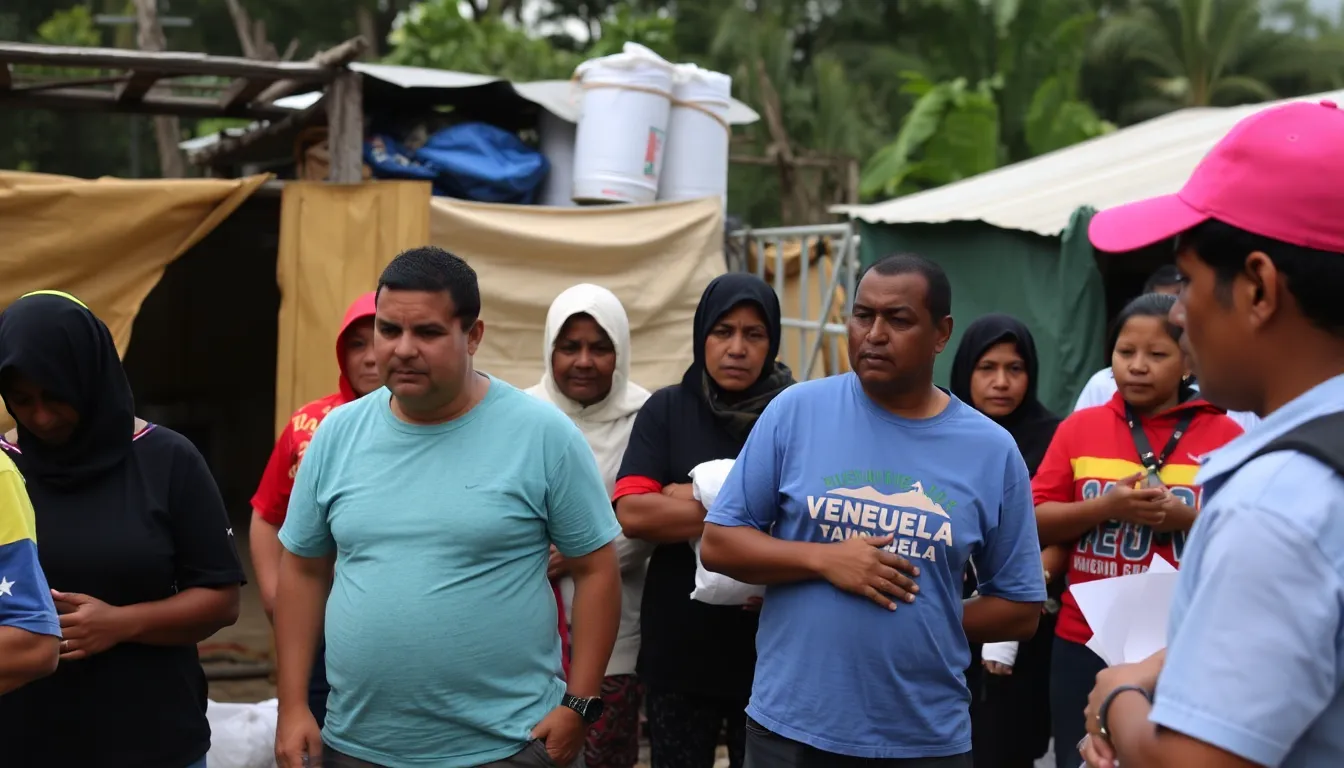
On the other hand, the opposition parties, which include a coalition of various political groups, strive to unseat Maduro and restore democratic governance. Their interests are rooted in addressing the humanitarian crisis, advocating for human rights, and promoting economic reforms. The opposition faces significant challenges, including repression and a lack of unified strategy.
The United States government has taken a strong stance against Maduro, implementing sanctions aimed at crippling the Venezuelan economy and supporting opposition efforts. The U.S. interests lie in promoting democracy, countering perceived threats to regional stability, and securing access to oil resources. However, this stance has led to tensions with countries that support Maduro, such as Russia and China.
- Humanitarian Crisis: The ongoing economic collapse has resulted in severe shortages of food, medicine, and basic services, leading to a mass exodus of Venezuelans.
- Geopolitical Tensions: The involvement of external powers like Russia and China complicates the situation, as they provide support to the Maduro regime, creating a geopolitical battleground.
- Sanctions and Economic Impact: U.S. sanctions have exacerbated economic hardships, raising questions about their effectiveness in achieving political change.
- International Diplomacy: Organizations like the UN and OAS play critical roles in mediating conflicts and addressing human rights violations, but their influence is often limited.
- Potential for Negotiation: There are ongoing discussions about potential negotiations between the government and opposition, though trust remains a significant barrier.
The Effects of Trump’s Policies on Venezuelan Citizens
Trump’s policies towards Venezuela have far-reaching implications for various groups, particularly the Venezuelan citizens who are grappling with an ongoing humanitarian crisis. The most affected demographics include low-income families, refugees, and those reliant on government services. As economic sanctions intensify, the struggle for basic necessities such as food, medicine, and shelter becomes increasingly dire, underscoring the urgent need for international intervention.
In the short term, the immediate impact of these policies can be seen in the daily lives of Venezuelans. With limited access to essential goods, many families are forced to choose between purchasing food and paying for healthcare. This has led to a surge in malnutrition rates and preventable diseases, exacerbating the already critical public health situation.
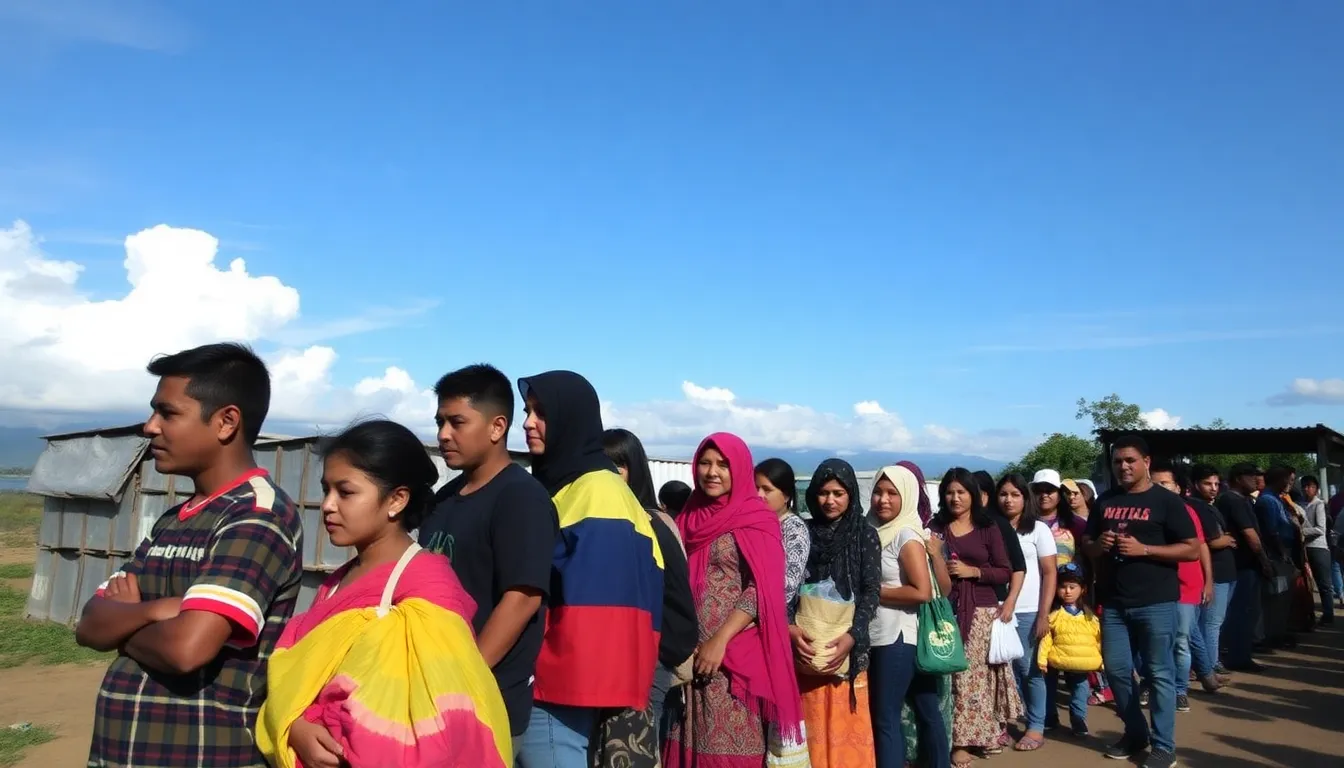
In the mid-term, businesses operating in Venezuela face significant challenges. Industries such as oil, agriculture, and healthcare are particularly vulnerable to the effects of sanctions and trade restrictions. As foreign investment dwindles and operational costs rise, local businesses may struggle to survive, leading to job losses and further economic decline.
- Increased poverty rates: As economic conditions worsen, more individuals are pushed into poverty.
- Healthcare deterioration: Sanctions contribute to a lack of medical supplies and services.
- Migration pressures: Continued instability may force more Venezuelans to seek refuge in neighboring countries.
However, there are potential opportunities that could arise from these challenges. For instance, international humanitarian organizations may increase their presence to provide aid, creating a network of support for those in need. Additionally, a shift in policy could open doors for diplomatic negotiations, potentially leading to a more stable environment for investment and economic recovery in the long run.
A: Trump’s Venezuela policy primarily aims to support opposition forces against the Maduro regime and promote democracy. It also seeks to curb the influence of countries like Russia and China in the region. A: Trump’s approach has led to strained relations with some Latin American countries that oppose U.S. intervention. However, it has also strengthened ties with nations that share similar views on the Venezuelan crisis. A: The humanitarian implications include increased sanctions that may exacerbate the suffering of Venezuelan citizens. Critics argue that while aiming to weaken the regime, these sanctions can lead to further economic hardship for the populace. A: Trump’s policies have faced scrutiny regarding their alignment with international law, particularly concerning sovereignty and intervention. Some experts argue that they violate principles of non-interference. A: Potential outcomes range from a successful transition to democracy to continued instability and suffering. The effectiveness of U.S. intervention remains a contentious issue among analysts.
Frequently Asked Questions about Trump’s Venezuela Strategy
Key Takeaways and Future Perspectives on Venezuela
As the political landscape in Venezuela continues to evolve, the complexities surrounding Donald Trump’s vision for the country highlight significant challenges and opportunities. The approach taken by the U.S. administration not only reflects geopolitical interests but also emphasizes the need for a nuanced understanding of the local dynamics at play. Observers should remain vigilant as the situation unfolds, considering both the potential for change and the entrenched barriers that persist.
Moving forward, it is essential to monitor the implications of U.S. policy decisions on Venezuela’s internal politics, humanitarian conditions, and international relations. The interplay between domestic actors and external influences will be crucial in shaping the future trajectory of the nation.
- Watch for shifts in U.S. foreign policy that may impact humanitarian aid and economic sanctions.
- Observe the response of Venezuelan opposition groups to external pressures and their strategies for unifying against the current regime.
- Consider the role of regional actors in influencing Venezuela’s political landscape and the potential for collaborative solutions.
- Monitor the humanitarian situation closely, as it remains a critical factor in both domestic and international discourse.
- Stay informed about the evolving narrative within U.S. politics regarding Venezuela, as it may affect future diplomatic engagements.