
The treaty, known as the Paris Agreement, was established in 2015 with the goal of limiting global warming to below 2 degrees Celsius.
In addition to the Paris Agreement, Trump’s administration has also rolled back numerous environmental regulations, impacting various sectors including air and water quality standards. This broader strategy has prompted backlash from dozens of environmental advocacy groups, which are now mobilizing to challenge these policy changes and advocate for stronger climate protections.
The implications of this withdrawal extend beyond the United States, as many countries rely on U.S. leadership in global climate discussions. As nations prepare for upcoming climate summits, the absence of U.S. participation raises questions about the future effectiveness of international climate agreements and the collective commitment to addressing climate change on a global scale.
Understanding the background of the climate treaty
The withdrawal of the United States from key climate treaties marks a significant shift in global environmental policy and has deep historical roots. The origins of international climate agreements can be traced back to the late 20th century, with the establishment of the United Nations Framework Convention on Climate Change (UNFCCC) in 1992 during the Earth Summit in Rio de Janeiro. This pivotal moment brought together nations to address the growing concerns over climate change and its impacts on the planet.
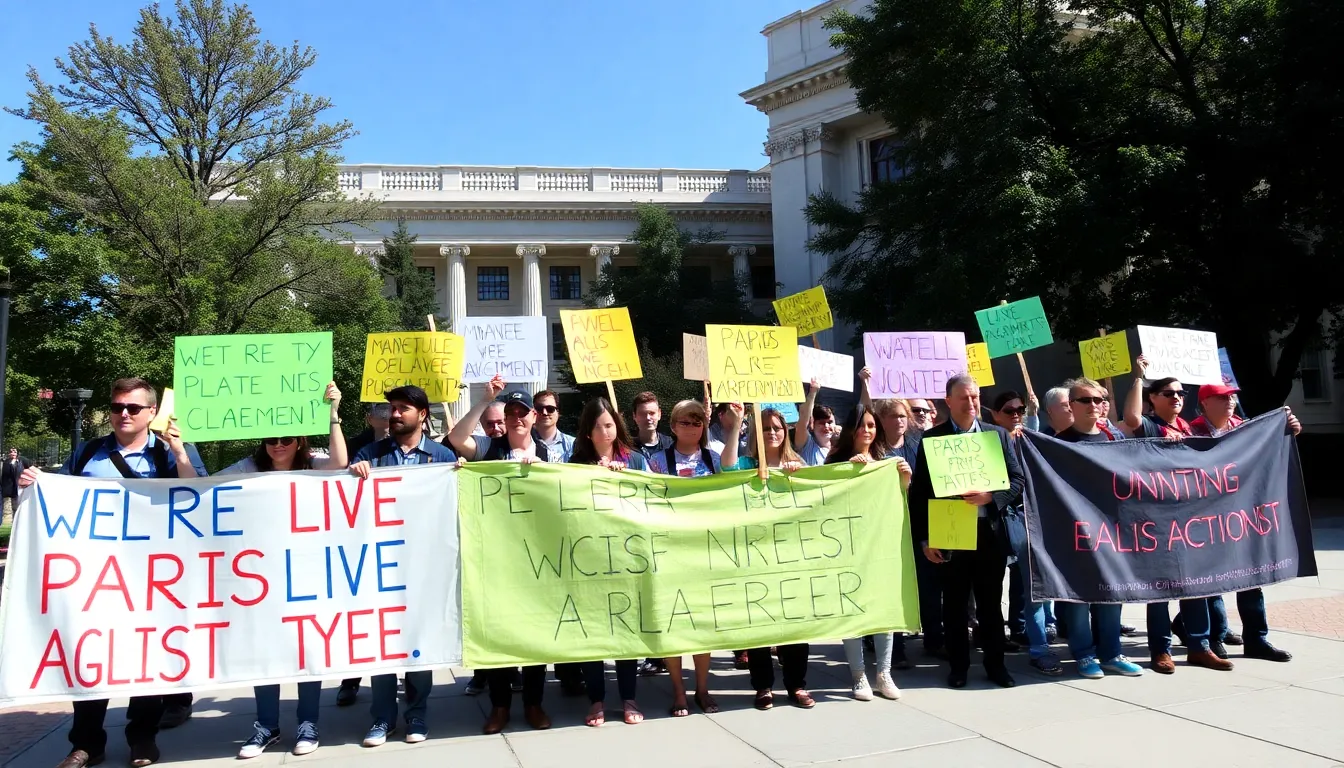
In 2015, the Paris Agreement emerged as a landmark accord, aiming to limit global warming to well below 2 degrees Celsius above pre-industrial levels. The agreement represented a collective effort by nearly 200 countries to reduce greenhouse gas emissions and adapt to climate change. The U.S. played a crucial role in the negotiations, showcasing its commitment to addressing climate issues. However, the political landscape began to shift dramatically with the election of Donald Trump in 2016.
Trump’s administration was characterized by a skepticism towards climate science and a strong focus on deregulation and economic growth, often prioritizing fossil fuel industries over environmental concerns. In 2017, he announced the U.S. withdrawal from the Paris Agreement, arguing that it imposed unfair economic burdens on American workers and businesses. This decision was met with widespread criticism from environmentalists, scientists, and political leaders, who argued that it undermined global efforts to combat climate change.
The impact of withdrawal on global climate efforts
The U.S. withdrawal from the Paris Agreement not only affected domestic climate policies but also had significant implications for international climate negotiations. As one of the largest emitters of greenhouse gases, the U.S. played a vital role in shaping global climate strategies. The exit prompted concerns among other nations about the future of collective climate action and leadership in the fight against climate change. Furthermore, numerous organizations, businesses, and local governments in the U.S. have since sought to fill the void left by the federal government, demonstrating a commitment to sustainability and climate initiatives despite the withdrawal, as seen in various reports on environmental advocacy.
Key stakeholders and issues surrounding the withdrawal
The recent decision by former President Trump to withdraw the United States from a key climate treaty has stirred significant debate among various stakeholders. The primary actors in this scenario include the U.S. government, international climate organizations, environmental advocacy groups, and the business sector, each with distinct interests and concerns regarding climate policy and international cooperation.
The U.S. government, particularly under the Trump administration, prioritized economic growth and deregulation, often viewing international agreements as constraints on national sovereignty and economic opportunity. This perspective has led to a withdrawal from treaties perceived as unfavorable, raising questions about the long-term implications for U.S. leadership in global climate efforts.
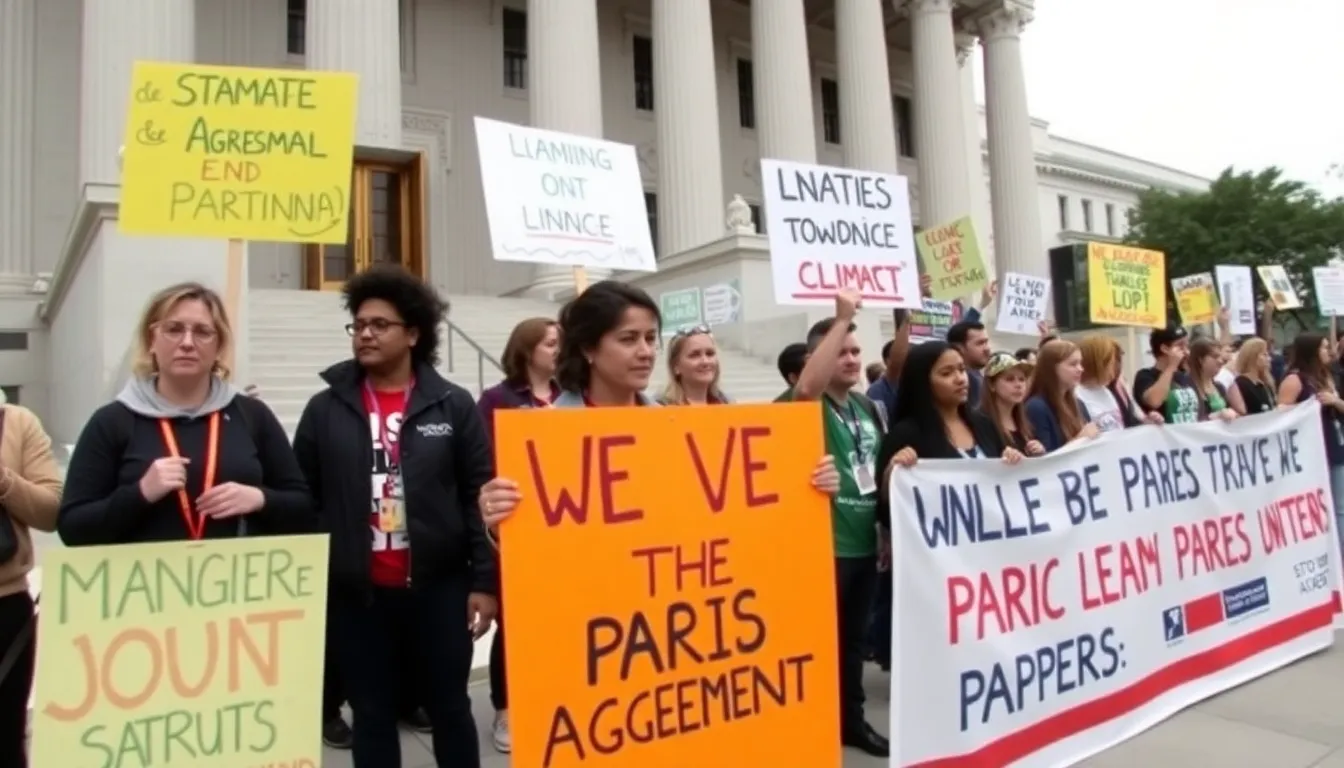
On the other hand, international organizations such as the United Nations Framework Convention on Climate Change (UNFCCC) and various non-governmental organizations (NGOs) advocate for collective action against climate change. Their interest lies in maintaining global commitments to reduce greenhouse gas emissions and promote sustainable practices. The withdrawal has prompted concerns about the potential weakening of international climate agreements and the impact on global efforts to combat climate change.
Furthermore, the business sector is divided on this issue. While some industries, particularly fossil fuels, may welcome deregulation and reduced compliance costs, others, such as renewable energy companies, fear that the withdrawal could undermine investments in clean technologies and slow the transition to sustainable energy solutions.
- Economic Interests: The U.S. government prioritizes economic growth, while environmental groups seek sustainable practices.
- International Relations: The withdrawal may strain relationships with other countries committed to climate action.
- Legal Implications: The exit raises questions about the U.S.’s adherence to international law and treaty obligations.
- Public Opinion: Voter sentiment on climate change could influence future policy decisions and elections.
- Investment Climate: The decision may impact investor confidence in the U.S. as a leader in climate initiatives.
Potential impacts on the environment and global cooperation
The withdrawal of the United States from key climate treaties is poised to significantly affect various groups, industries, and regions. Environmental organizations, climate scientists, and advocacy groups are likely to face increased challenges in their efforts to promote sustainability and combat climate change. Additionally, industries reliant on fossil fuels may experience a temporary boost, while renewable energy sectors could face uncertainty regarding future investments and policies.
In the short term, businesses in the fossil fuel sector may see an uptick in operations as regulatory constraints lessen. However, this could lead to greater environmental degradation, impacting communities that rely on clean air and water. Regions particularly vulnerable to climate change, such as coastal areas and those prone to extreme weather events, may experience heightened risks as international cooperation on climate initiatives diminishes.
In the mid-term, the implications for policy could be profound. Local governments may need to fill the void left by federal withdrawal, leading to a patchwork of regulations that could vary widely by state or municipality. This inconsistency could create challenges for businesses operating across state lines, complicating compliance and potentially increasing costs.
- Environmental Risks: Increased pollution and habitat loss.
- Economic Opportunities: Short-term gains for fossil fuel industries.
- Policy Challenges: Inconsistent regulations across states.
- Community Impact: Vulnerable populations facing greater climate risks.
While the withdrawal may pose significant risks, it could also present opportunities for innovation within the renewable energy sector. As traditional energy sources face scrutiny, there may be a surge in demand for alternative solutions, potentially leading to job creation and technological advancements in sustainability.
A: Trump cited concerns over economic impacts and the belief that the treaty was unfair to the US. He argued that it would hinder job growth and energy independence. A: The withdrawal may strain relationships with other countries committed to climate action, potentially undermining global efforts to combat climate change. A: The withdrawal may lead to a rollback of existing environmental regulations and a shift towards more fossil fuel reliance, impacting long-term sustainability. A: Yes, numerous environmental groups and international organizations have expressed strong opposition, arguing that it jeopardizes future generations. A: The US may need to reassess its climate strategy and consider new partnerships or agreements to address environmental challenges.
Frequently asked questions about the withdrawal
Key takeaways and future outlook on climate policy
The recent decision by Trump to withdraw the United States from a significant climate treaty, along with the departure of numerous other groups from similar commitments, marks a critical juncture in global climate policy. This shift not only alters the landscape of international cooperation on climate change but also raises questions about the future direction of U.S. environmental policies and their global implications.
As nations and organizations reassess their strategies in light of this development, it becomes essential to monitor the potential long-term effects on climate action, renewable energy investments, and international relations regarding environmental commitments. The evolving scenario may lead to increased pressure on state and local governments to fill the void left by federal policy shifts.
- Increased state and local initiatives: Expect a rise in climate action at the state and local levels as governments seek to uphold environmental standards and commitments.
- Impact on international relations: The withdrawal may strain relationships with other countries committed to climate action, potentially leading to reduced collaboration on global environmental issues.
- Investment shifts: Monitor changes in investment patterns as businesses adapt to the new regulatory landscape, potentially favoring more sustainable practices in response to public demand.
- Public response: Watch for heightened activism and public sentiment regarding climate change, which could influence future policy decisions and elections.
- Technological innovation: The need for climate solutions may drive innovation in clean technologies, creating opportunities for growth in the green economy.