
Recent reports indicate that approximately 30% of Ukraine’s arable land is currently affected by landmines and unexploded ordnance, making it unsafe for cultivation. This contamination poses a significant barrier to the recovery of wheat production, which is crucial for the nation’s economy and for countries reliant on Ukrainian grain exports, particularly in Africa and the Middle East. For more insights into economic impacts, check out our article on Exploring the Generation Gap and Its Implications.
In response to these challenges, various international organizations and NGOs have begun initiatives aimed at clearing these hazardous areas. For instance, in late 2023, the Ukrainian government partnered with the United Nations to launch a demining program, targeting the most affected regions. However, the scale of the operation is daunting, with estimates suggesting that it could take years to fully clear the fields. This collaboration emphasizes the importance of international support in recovery efforts.
The situation is further complicated by the fluctuating global grain market, where prices have been volatile due to the conflict. As Ukraine strives to restore its wheat production, the international community is closely monitoring the developments, recognizing that the outcome will have far-reaching implications for global food supply chains and prices.
Historical significance of Ukraine’s wheat production
Ukraine, often referred to as the “breadbasket of Europe,” has a rich agricultural heritage that dates back centuries. Its fertile soil, known as chernozem, is among the most productive in the world, enabling the country to cultivate vast quantities of wheat and other grains. Historically, Ukraine’s wheat production has played a crucial role not only in its own economy but also in global food security.
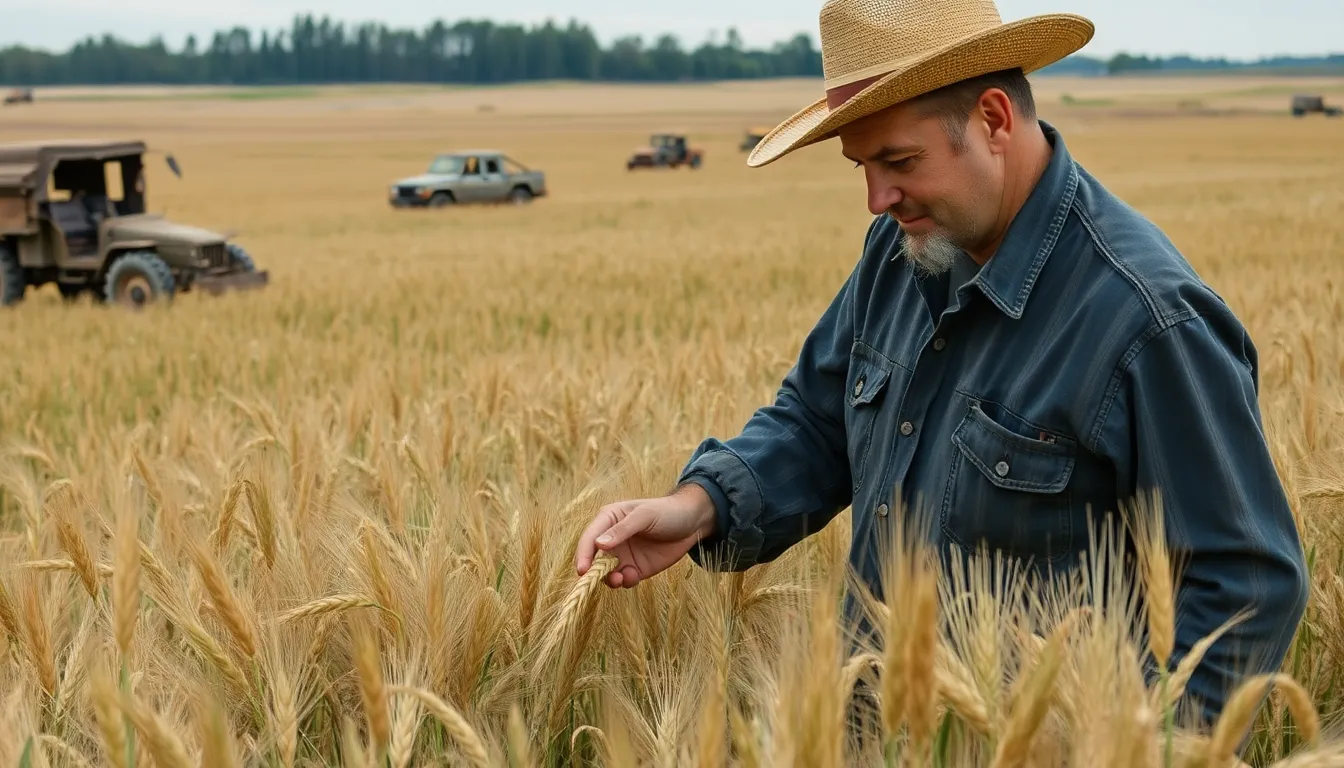
The significance of wheat production in Ukraine can be traced back to the early 20th century when the country was a major exporter of grain. However, the devastating impacts of the Soviet regime, particularly during the Holodomor in the 1930s, drastically altered agricultural practices and led to severe famine. This tragic history has shaped the national identity and resilience of the Ukrainian people, reinforcing the importance of agriculture in their socio-economic landscape, much like the resilience shown in efforts to address homelessness among veterans.
In the post-Soviet era, Ukraine regained its independence in 1991 and sought to revitalize its agricultural sector. By implementing market reforms, the country gradually increased its wheat production, positioning itself as one of the leading exporters in the world. Key milestones, such as joining the World Trade Organization in 2008 and signing the EU-Ukraine Association Agreement in 2014, further integrated Ukraine into global agricultural markets.
Impact of Conflict on Agricultural Production
However, the ongoing conflict that began in 2014, following Russia’s annexation of Crimea, has severely disrupted agricultural activities in the region. The war has not only led to the destruction of farmland but has also displaced farmers and caused significant economic instability. As a result, Ukraine’s wheat production has faced unprecedented challenges, raising concerns about food security both domestically and internationally.
As Ukraine continues to navigate the complexities of war and agricultural recovery, the question of whether its war-torn wheatfields can be cleansed and restored to their former glory remains a pressing issue. The outcomes of this struggle will have lasting implications for the country’s economy and its role in global food supply chains.
Key stakeholders and the challenges of agricultural recovery
The ongoing conflict in Ukraine has not only devastated its infrastructure but has also severely impacted its agricultural sector, particularly its wheatfields. Key stakeholders in this scenario include the Ukrainian government, international organizations, local farmers, and foreign governments. Each of these actors has distinct interests and concerns that shape the recovery process.
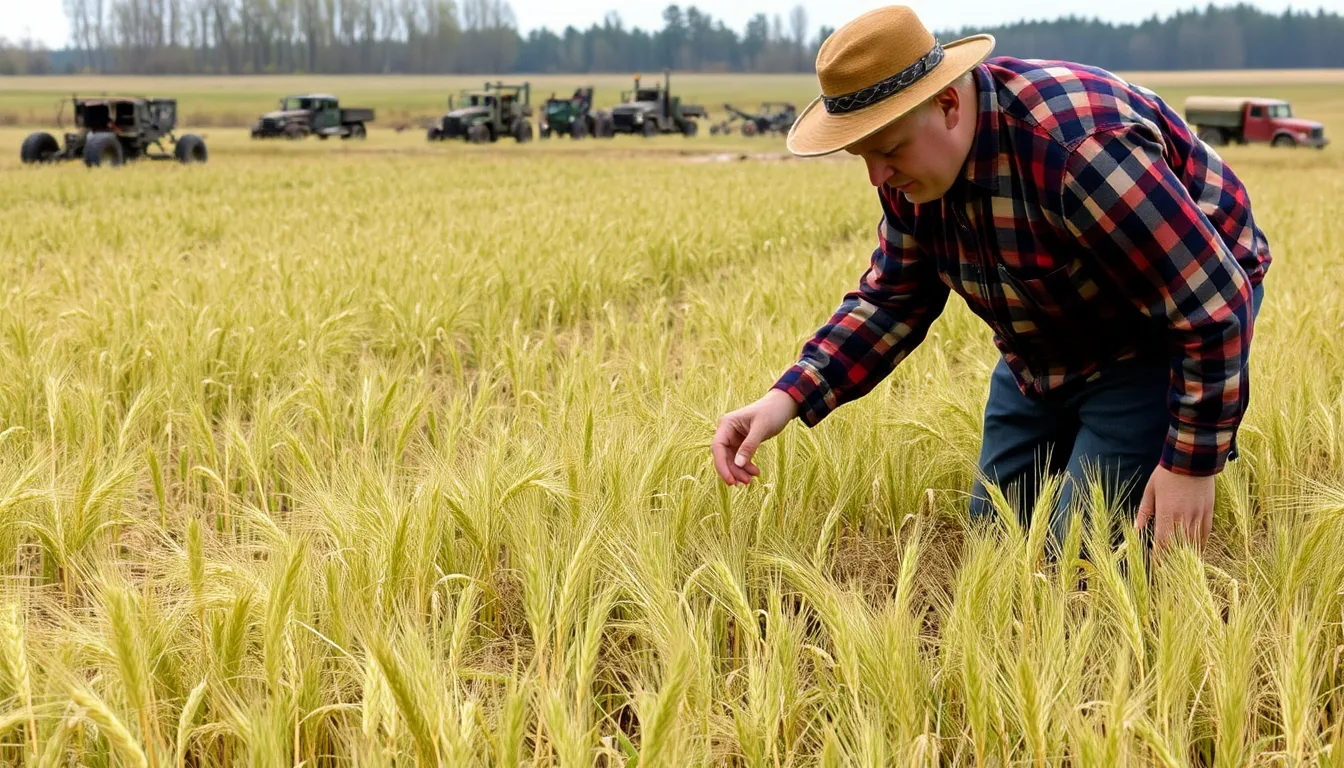
The Ukrainian government is primarily focused on restoring agricultural productivity to ensure food security and economic stability. This involves navigating the complexities of land ownership, as many farms have been damaged or repurposed during the conflict. Additionally, they must address the concerns of displaced farmers who may be unwilling or unable to return to their fields.
International organizations, such as the United Nations and the Food and Agriculture Organization (FAO), are also critical players. Their interests lie in providing humanitarian assistance and facilitating agricultural recovery. They face challenges in ensuring that aid reaches the most affected areas while also dealing with logistical issues arising from ongoing hostilities.
- Local farmers are caught in a precarious situation, balancing the need for immediate assistance with the long-term goal of rebuilding their livelihoods.
- Foreign governments, particularly those reliant on Ukrainian wheat exports, have a vested interest in stabilizing the region to secure their food supply chains.
- Legal issues surrounding land ownership and property rights complicate the recovery process, as many farms may have changed hands or been abandoned.
- Economic factors play a significant role, as the war has disrupted traditional farming practices and market access, leading to potential food shortages globally.
These intertwined interests create a complex landscape where conflicts and trade-offs are inevitable. For instance, while the government may prioritize rapid recovery, this could clash with the needs of local farmers who require time and resources to rebuild their operations sustainably. As stakeholders navigate these challenges, the future of Ukraine’s wheatfields hangs in the balance, highlighting the broader implications for global food security.
Effects on local farmers and global food markets
The ongoing conflict in Ukraine has severely impacted local farmers, disrupting their ability to cultivate and harvest wheat. As one of the world’s largest producers of wheat, any decline in Ukrainian agricultural output reverberates through global food markets, affecting prices and availability.
In the short term, local farmers face immediate challenges such as landmines and unexploded ordnance, which render fields unsafe for cultivation. This not only threatens their livelihoods but also leads to a reduction in wheat supply, causing prices to spike internationally. Consequently, food insecurity may rise, particularly in regions heavily reliant on Ukrainian wheat, such as parts of Africa and the Middle East.
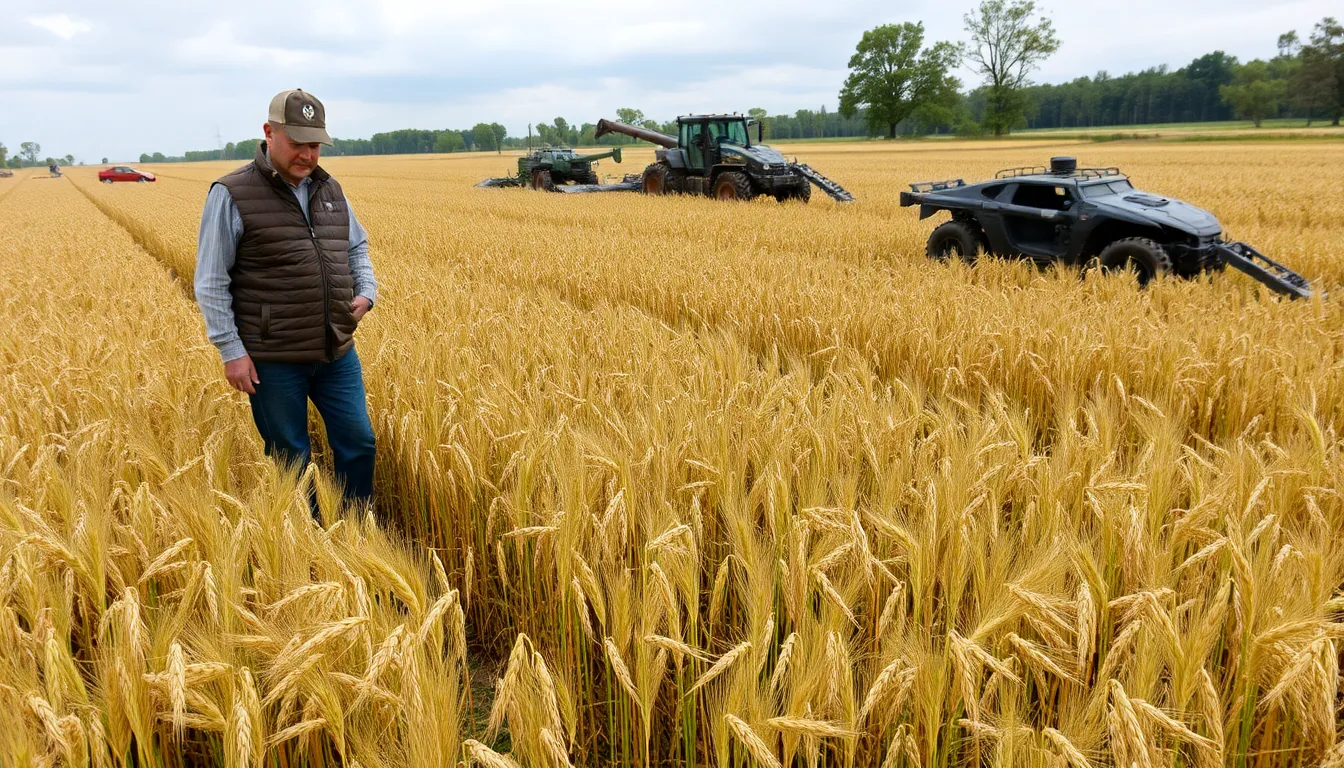
In the mid-term, as the conflict continues, policies surrounding trade and agricultural support may shift. Governments may need to implement measures to stabilize food prices and ensure supply chains are not further disrupted. This could lead to increased investment in alternative grain sources or shifts in agricultural practices in other countries to compensate for the loss.
- Local Farmers: Struggling to maintain production and facing safety hazards.
- Global Food Markets: Experiencing price volatility and supply shortages.
- Policy Changes: Potential shifts in trade policies to protect food security.
- Opportunities: Growth in alternative grain production and investment in agricultural technology.
While risks abound, there are also potential opportunities for innovation in agriculture. Countries may invest in developing more resilient farming practices or diversifying their crop production to reduce reliance on a single source. Additionally, the crisis may spur international cooperation to address food security challenges, leading to new partnerships and trade agreements.
A: The primary challenges include land contamination, infrastructure damage, and the displacement of farmers. Additionally, ongoing conflict complicates recovery efforts. A: Ukraine is a major wheat exporter, and disruptions in production can lead to increased prices and shortages worldwide. This situation raises concerns about food availability in many countries. A: Various organizations are assessing the land for contamination and planning demining operations. Efforts also include providing support to displaced farmers to resume their activities. A: Yes, advanced agricultural technologies and satellite imaging can help assess soil health and optimize recovery strategies, making the process more efficient. A: International organizations are providing funding, expertise, and resources to assist in the recovery of Ukraine’s agricultural sector, emphasizing the importance of food security.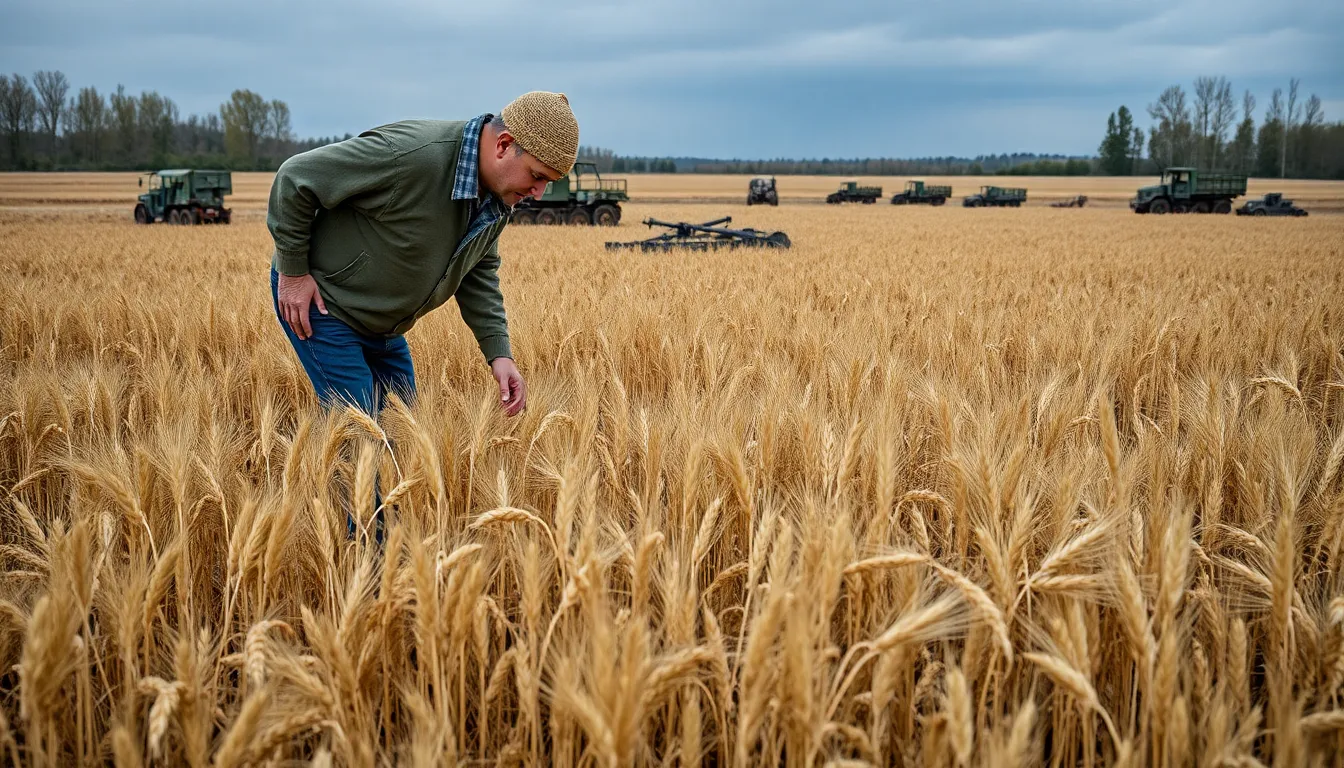
Frequently asked questions about the restoration of wheatfields
Future outlook for Ukraine’s agricultural recovery
The ongoing conflict in Ukraine has severely impacted its agricultural sector, particularly the wheatfields that are crucial for both the national economy and global food supply. As the situation evolves, the prospect of restoring these lands to productivity hinges on various factors, including international support, effective land management strategies, and the resilience of local farmers. The ability to cleanse and rehabilitate these war-torn fields will not only determine Ukraine’s agricultural future but also play a significant role in global food security.
Looking ahead, stakeholders must remain vigilant in monitoring the developments surrounding agricultural recovery efforts. The interplay between geopolitical dynamics and agricultural policies will be critical in shaping the pathways for revitalization and sustainability in Ukraine’s farming landscape.
- Watch for international aid initiatives aimed at supporting the restoration of agricultural infrastructure.
- Consider the impact of soil health and land management practices on the recovery of wheat production.
- Monitor the role of local farmers and communities in driving sustainable agricultural practices post-conflict.
- Pay attention to global market trends that may influence demand for Ukrainian wheat and agricultural products.
- Evaluate the effectiveness of policies aimed at ensuring food security in the region amidst ongoing challenges.