
Recent reports indicate that several key players in the industry are grappling with these escalating costs, which have been exacerbated by geopolitical tensions and supply chain disruptions. For instance, the ongoing conflict in Eastern Europe has led to increased energy prices, further straining the financial health of steelworks across the UK and beyond. The situation demands immediate attention from both industry leaders and policymakers, as highlighted in a recent article about the G7’s necessary measures to support energy supplies.
In response to these challenges, some steelworks are exploring options such as reducing production capacity or implementing workforce adjustments. These measures, however, come with their own set of implications, including potential job losses and community impact. Stakeholders are urging for strategic interventions to stabilize the sector and safeguard employment.
The financial viability of steelworks is not just an industry concern; it has broader economic implications. The steel industry is a critical component of the manufacturing sector, and its struggles could lead to a ripple effect across various industries reliant on steel products. As the situation evolves, it will be crucial for all involved to monitor developments closely and consider collaborative solutions.
Exploring the historical background of the steel industry
The steel industry has long been a cornerstone of industrial development, playing a crucial role in the economic growth of nations. In the UK, the steel sector has a storied history that dates back to the 19th century, when advancements in metallurgy and the introduction of the Bessemer process revolutionized steel production. This marked the beginning of a significant industrial era, leading to the establishment of numerous steelworks across the country, particularly in regions such as South Wales and the Midlands.
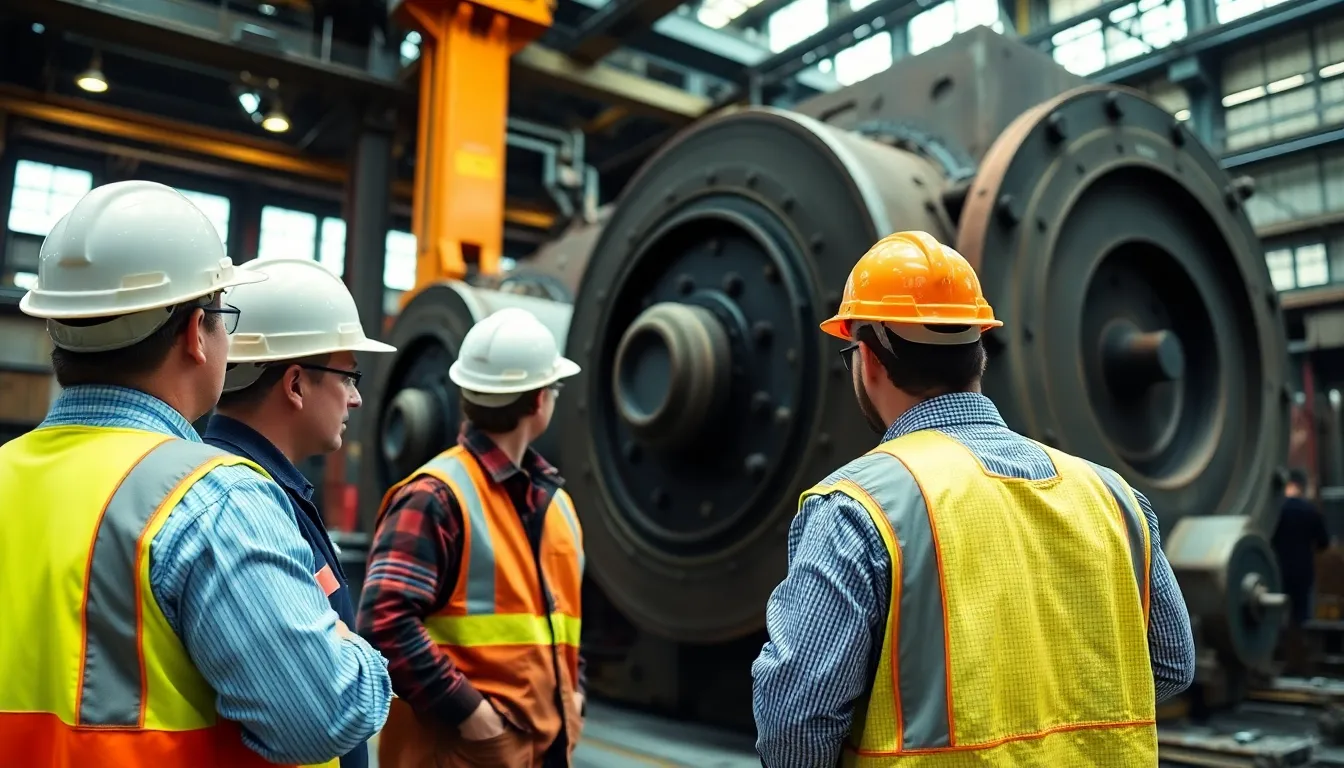
Throughout the 20th century, the steel industry in the UK experienced both boom and bust cycles, influenced by global market demands, technological advancements, and changing political landscapes. The nationalization of the industry in 1967 aimed to stabilize production and ensure job security, but by the late 1970s and early 1980s, the industry faced severe challenges, including international competition and declining domestic demand. This led to significant job losses and the closure of many steelworks, reshaping the landscape of the industry.
The impact of globalization and economic shifts
In the decades that followed, globalization further complicated the steel industry’s dynamics. The rise of emerging economies, particularly in Asia, introduced a flood of cheaper steel products into the market, putting immense pressure on UK steelworks. As companies struggled to compete, many were forced to adopt cost-cutting measures, including layoffs and plant closures. The economic downturn of the late 2000s exacerbated these challenges, leading to a critical re-evaluation of the industry’s viability.
Today, the steelworks that remain operational face a daunting financial burden, with reports indicating that some facilities are costing upwards of £1.3 million a day to run. This situation is a culmination of rising energy costs, regulatory pressures, and the need for substantial investment in modernization and sustainability efforts. As the industry grapples with these financial strains, the future of steel production in the UK hangs in the balance, prompting urgent discussions about government support and strategic planning, especially considering the sharp rise in gas and oil prices.
The historical trajectory of the steel industry in the UK is marked by resilience and adaptation, yet the current economic realities present unprecedented challenges. Understanding this context is essential for grasping the complexities of the current situation and the potential pathways forward for the steelworks that continue to operate amidst these financial pressures.
Analyzing the key stakeholders and their interests in the steelworks
The operation of the steelworks, which incurs a staggering cost of £1.3 million a day, involves a complex web of stakeholders, each with distinct interests and concerns. The primary actors include the steelworks management, employees, local government, environmental groups, and investors. Understanding their perspectives is crucial to grasping the broader implications of the facility’s financial burden, particularly in light of how increasing gas prices might impact operational decisions.
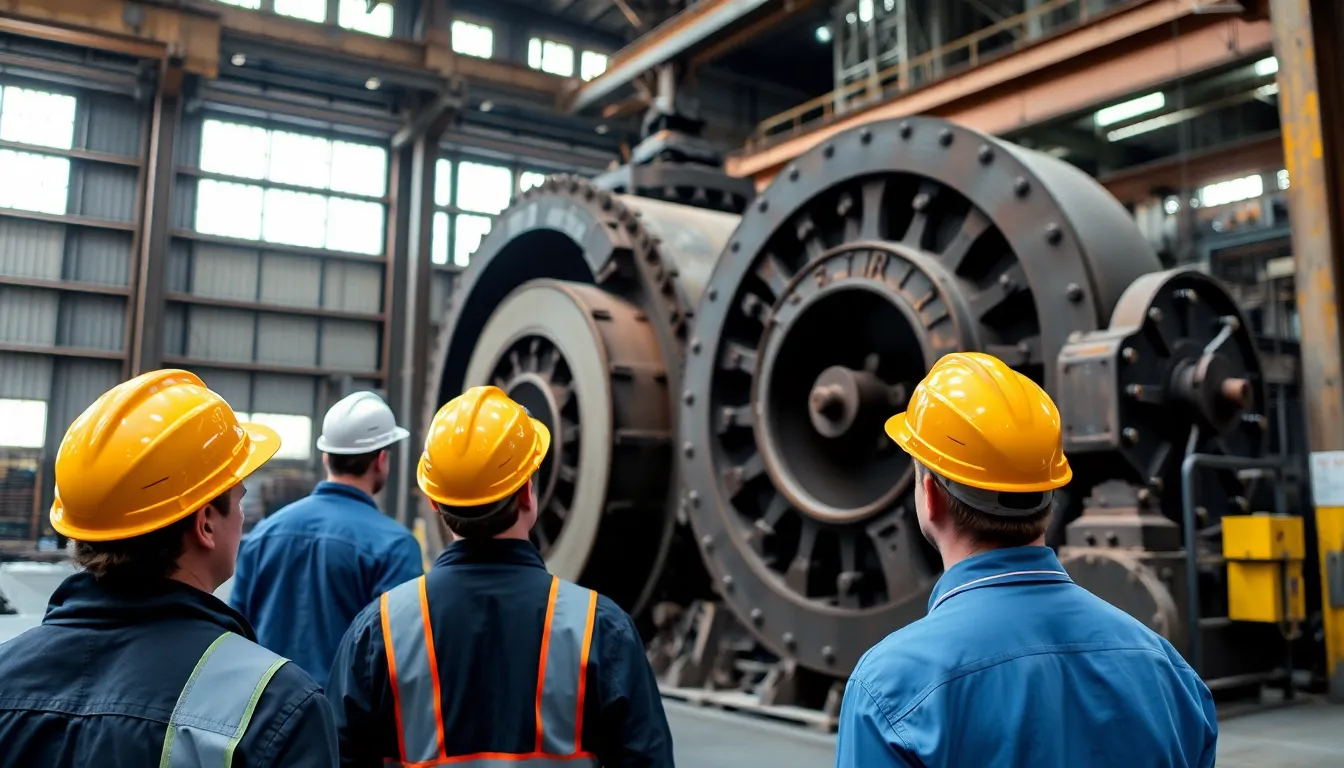
Management at the steelworks is primarily focused on operational efficiency and profitability. They are tasked with making strategic decisions that balance costs with production outputs. Their interests may conflict with those of the workforce, who seek job security and fair wages. Employees are concerned about potential layoffs or wage cuts as the company navigates its financial challenges.
Local government officials have a vested interest in the steelworks due to its economic impact on the community. The facility provides jobs and supports local businesses, making its financial viability a priority for local leaders. However, they must also consider environmental regulations and community health concerns, which can complicate their support for the steelworks.
Environmental groups play a critical role in the discourse surrounding the steelworks, advocating for sustainable practices and compliance with environmental laws. Their interests may clash with those of the management, particularly if the latter prioritizes cost-cutting measures that could lead to increased emissions or other ecological risks.
- Potential for job losses if operational costs cannot be reduced.
- Impact of environmental regulations on operational decisions.
- Pressure from investors for improved financial performance.
- Community support for the steelworks as a local economic driver.
- Trade-offs between profitability and sustainable practices.
Assessing the impact on workers and the local economy
The steelworks, which incurs a staggering cost of £1.3 million per day to operate, significantly impacts various stakeholders, particularly workers, local businesses, and the broader economy. The immediate effect on the workforce is profound, with potential job losses and reduced hours looming if the financial strain continues. This situation not only affects the livelihoods of those directly employed at the steelworks but also has a ripple effect on families and communities reliant on these jobs.
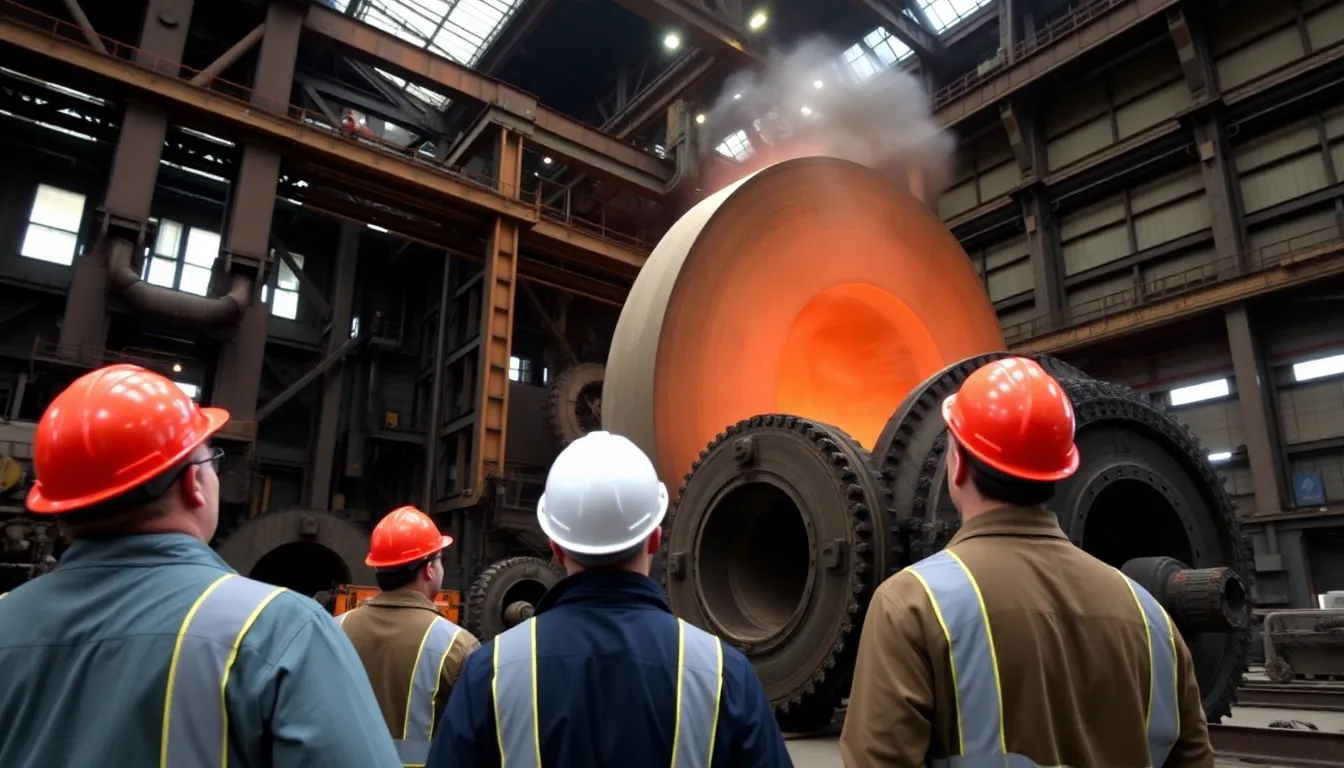
Regions surrounding the steelworks are likely to experience short-term economic downturns. Local businesses that depend on the influx of workers for their sales, such as restaurants, shops, and service providers, may see a decline in revenue. This could lead to a chain reaction of layoffs and closures, further exacerbating the economic challenges faced by the community.
In the mid-term, the ongoing operational costs may compel policymakers to reassess industrial support strategies. This could result in increased advocacy for government intervention or subsidies to sustain the steelworks, influencing local and national policy discussions. Conversely, if the steelworks cannot sustain its operations, it may lead to a shift in focus towards alternative industries, prompting investment in new sectors and job creation opportunities.
- Job Security: Potential layoffs and reduced working hours for employees.
- Local Economy: Decreased revenues for local businesses reliant on steelworks employees.
- Policy Changes: Possible government intervention or strategic shifts in industrial support.
- Investment Opportunities: Emergence of new industries and job creation as a response to economic shifts.
While the challenges are significant, there are also potential opportunities for innovation and diversification within the region. As the economy adapts, there may be a push towards sustainable practices and technologies in steel production, which could open up new avenues for investment and job creation in green industries.
A: The daily costs are influenced by operational expenses, maintenance, labor, and energy prices. Fluctuations in raw material costs also play a significant role. A: The high operational costs may lead to job insecurity and economic instability in the local area, affecting businesses that rely on the steelworks. A: Management is exploring various strategies, including technological upgrades and efficiency improvements, to lower operational costs. A: If costs remain unsustainable, it could lead to potential layoffs, reduced production, or even closure of the facility. A: Many steelworks face similar challenges, but the specific costs can vary based on location, management practices, and market conditions.
Frequently asked questions about the steelworks costs
Key takeaways and future outlook for the steelworks
The ongoing operational costs of the steelworks, estimated at £1.3 million per day, underscore the urgent need for strategic financial planning and operational efficiency. As the industry grapples with fluctuating demand and rising energy prices, stakeholders must consider innovative solutions to enhance sustainability and profitability.
Future developments in technology and potential government support could play a crucial role in shaping the steelworks’ ability to adapt and thrive. Monitoring market trends and regulatory changes will be essential for navigating the challenges ahead.
- Investing in energy-efficient technologies could reduce operational costs significantly over time.
- Collaboration with government bodies may provide access to funding or incentives aimed at supporting the steel industry.
- Exploring alternative materials or processes could diversify product offerings and reduce dependency on traditional steel production.
- Staying informed about global market trends will be vital for adjusting production strategies in response to demand fluctuations.
- Engaging with local communities can foster goodwill and potentially open new avenues for business partnerships.