
The VA’s focus on guardianship is significant as it seeks to provide legal protection and support for vulnerable veterans who may be unable to manage their finances or personal affairs due to mental health challenges or other disabilities. By establishing guardianship arrangements, the VA aims to ensure that these individuals receive the necessary care and resources to improve their living conditions. This initiative draws parallels with other efforts, such as those outlined in campaigns aimed at enhancing protection for vulnerable populations.
As part of this initiative, the VA is collaborating with local organizations and legal entities to identify veterans who would benefit from guardianship. The program emphasizes a person-centered approach, aiming to respect the dignity and autonomy of veterans while providing them with the support they need to regain stability in their lives. Such collaborations echo those seen in cases like international efforts to safeguard communities facing unique challenges.
This development is crucial not only for the well-being of homeless veterans but also for the broader community, as it highlights the ongoing challenges faced by those who have served in the military. The VA’s proactive stance reflects a commitment to addressing the needs of this vulnerable population and underscores the importance of comprehensive solutions to homelessness among veterans.
Understanding the background of veterans’ homelessness
Homelessness among veterans in the United States has been a persistent issue, rooted in a complex interplay of historical, social, and economic factors. Since the end of the Vietnam War, many veterans have struggled to reintegrate into civilian life, facing challenges such as PTSD, substance abuse, and a lack of adequate support systems. The stigma surrounding mental health issues has often exacerbated these challenges, leaving many veterans feeling isolated and without resources.
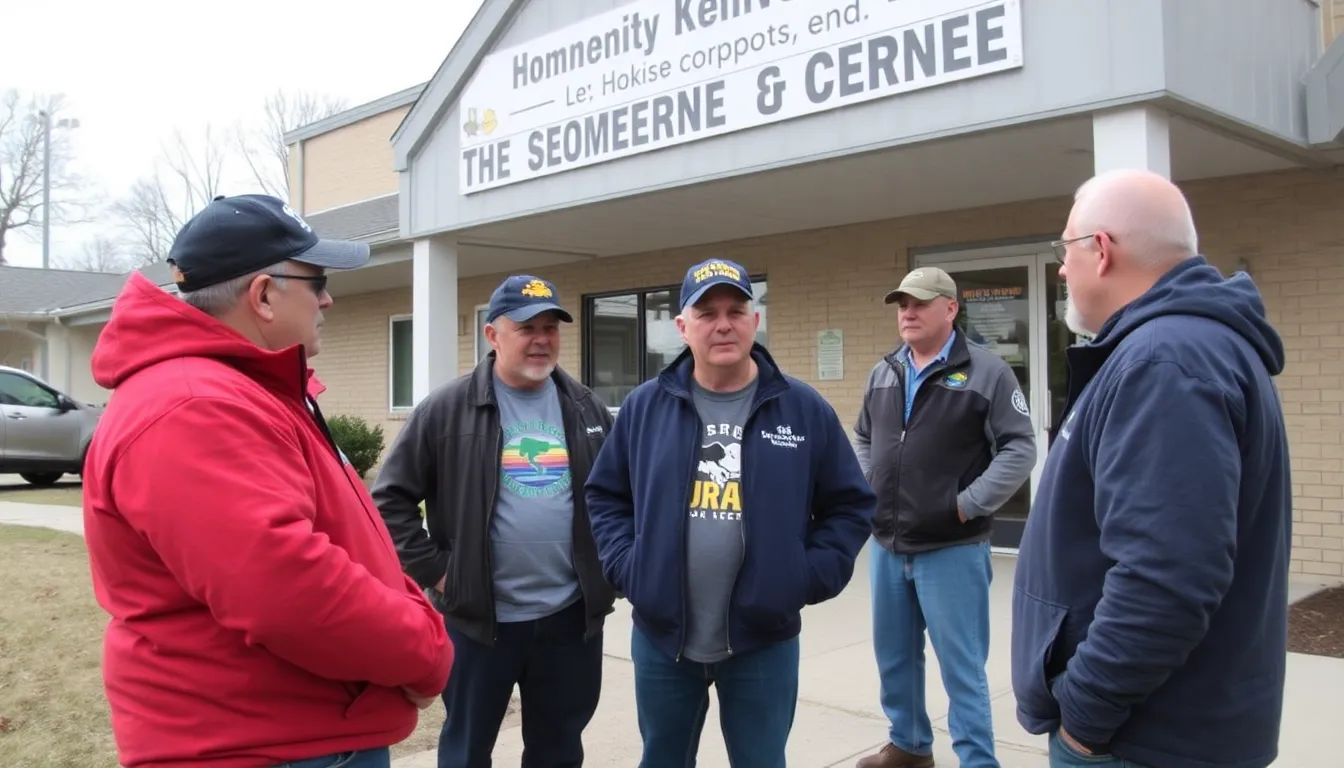
The political landscape has also played a significant role in shaping the current state of veteran homelessness. Various administrations have introduced programs aimed at addressing the needs of homeless veterans, but funding and implementation have often fallen short. The 2008 financial crisis further strained resources, leading to increased unemployment and housing instability, disproportionately affecting those who have served in the military.
Key Milestones in Addressing Veteran Homelessness
Over the years, several key milestones have marked the efforts to combat veteran homelessness. The creation of the U.S. Department of Veterans Affairs (VA) in 1930 aimed to provide support and services to veterans, but it wasn’t until the 1980s that homelessness among veterans became a recognized crisis. In 2010, the VA launched the “Opening Doors” initiative, setting ambitious goals to eliminate veteran homelessness by 2015, a goal that has seen varying degrees of success.
Recent initiatives, such as the VA’s drive to establish guardianship for some homeless veterans, reflect a growing recognition of the need for tailored solutions. This approach aims to provide vulnerable veterans with the legal and social support necessary to regain stability and improve their quality of life. By understanding the historical context and the evolution of policies surrounding veteran homelessness, stakeholders can better address the ongoing challenges faced by this population.
Key stakeholders and issues surrounding the guardianship initiative
The initiative by the Department of Veterans Affairs (V.A.) to place certain homeless veterans under guardianship involves several key stakeholders, each with distinct interests. The primary actors include the V.A., homeless veterans, advocacy groups, and state legal systems. Understanding their motivations and the potential conflicts that may arise is crucial for a comprehensive analysis of the initiative, similar to how legal rulings can impact community structures.
The V.A. aims to ensure that vulnerable veterans receive necessary support and protection, particularly those who may be unable to manage their own affairs due to mental health issues or substance abuse. This initiative is intended to provide a safety net for these individuals, ensuring they have access to essential services and resources. However, this raises questions about the autonomy of the veterans involved and the implications of guardianship.
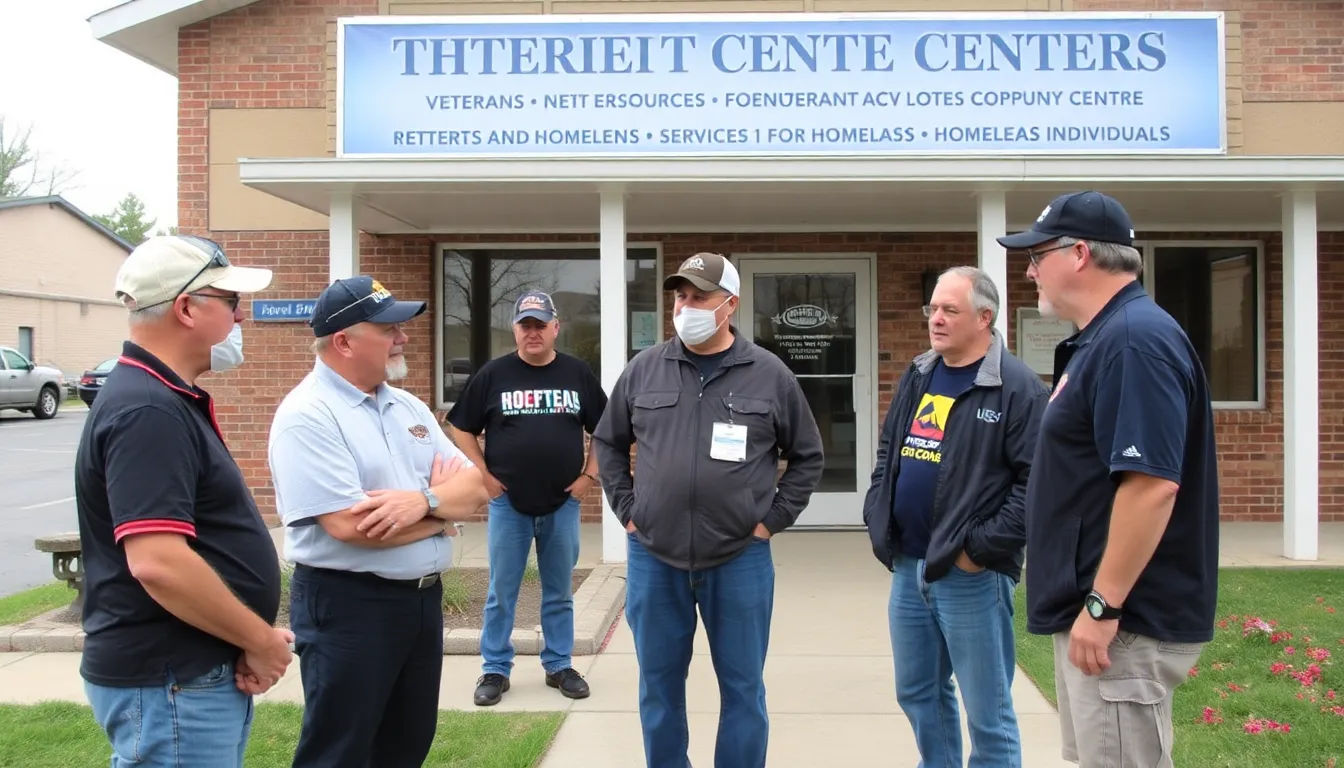
Homeless veterans, the central focus of this initiative, may have mixed feelings about guardianship. While some may welcome assistance in navigating complex systems, others might view it as a loss of personal freedom. Advocacy groups, such as the National Coalition for Homeless Veterans, play a critical role in representing the interests of these individuals, pushing for policies that prioritize their rights and dignity while seeking to balance safety and autonomy.
- Legal issues: The guardianship process involves legal complexities that can vary significantly by state, raising concerns about consistency and fairness in how veterans are treated.
- Economic considerations: Funding for guardianship programs may be limited, leading to potential trade-offs between the number of veterans served and the quality of care provided.
- Ethical dilemmas: The initiative poses ethical questions regarding consent and the rights of veterans to make their own decisions, even when they are at risk.
- Impact on existing services: There is a concern that the focus on guardianship may divert resources from other critical services designed to help homeless veterans achieve independence.
- Community involvement: Local organizations and community members may have differing views on the guardianship approach, influencing public perception and support for the initiative.
As this initiative unfolds, it will be essential to monitor the interactions among these stakeholders and the broader implications for homeless veterans seeking support. Balancing the need for protection with respect for individual rights remains a pivotal challenge in the implementation of this guardianship drive.
The potential impact on homeless veterans and the community
The initiative by the V.A. to place some homeless veterans into guardianship is set to affect various groups, including the veterans themselves, local communities, and social service organizations. The guardianship program aims to provide support and stability to veterans who may struggle with mental health issues or substance abuse, thus directly impacting their quality of life.
In the short term, the program may lead to improved access to healthcare and social services for the veterans involved. This could result in enhanced daily living conditions, as guardians can help manage finances and coordinate necessary treatments. However, there may also be challenges in implementation, such as finding qualified guardians and ensuring that the veterans’ rights are protected.
In the mid-term, the program could influence local businesses and service providers. As veterans transition into more stable living situations, they may contribute positively to the economy by participating in the workforce or engaging in community activities. This could foster a more inclusive environment and stimulate local economies.
- Short-term impacts: Improved healthcare access and living conditions for veterans.
- Mid-term impacts: Potential economic contributions from veterans as they reintegrate into society.
- Risks: Challenges in guardian selection and oversight, potential infringement on veterans’ rights.
- Opportunities: Strengthening community ties and enhancing support networks for vulnerable populations.
Overall, while the guardianship initiative presents certain risks, it also opens up avenues for positive change within the veteran community and the broader society. The success of this program will largely depend on effective implementation and community support.
A: The initiative aims to provide homeless veterans with necessary support by placing them under guardianship, which can help manage their affairs and access needed resources. A: Veterans will be assessed based on their individual needs and circumstances, ensuring that those most in need receive assistance. A: Guardians will assist veterans with financial management, healthcare decisions, and accessing social services to improve their quality of life. A: No, participation is voluntary, and veterans can choose to opt-in based on their personal situation. A: Families can reach out to the V.A. to learn more about the program and discuss potential guardianship options for their loved ones.
Frequently asked questions about the guardianship program
Insights and outlook on the guardianship initiative for veterans
The recent initiative by the Veterans Affairs (VA) to establish guardianship for certain homeless veterans marks a significant step in addressing the complex challenges faced by this vulnerable population. By providing legal protections and support, the VA aims to ensure that these individuals receive the care and assistance they need, potentially leading to improved outcomes in their quality of life. This initiative not only highlights the importance of safeguarding the rights of homeless veterans but also emphasizes the need for a comprehensive approach to tackle the underlying issues of homelessness and mental health.
As this program unfolds, it will be crucial to monitor its implementation and effectiveness. Stakeholders must consider how guardianship can be balanced with veterans’ autonomy, ensuring that the initiative serves as a supportive measure rather than an infringement on personal freedoms. The success of this initiative could set a precedent for similar programs aimed at other marginalized groups, ultimately reshaping how society approaches guardianship and support systems.
- Implementation Challenges: Watch for potential hurdles in the rollout of the guardianship program, including legal complexities and resource allocation.
- Impact on Autonomy: Consider how the guardianship model will respect the independence of veterans while providing necessary support.
- Long-term Outcomes: Evaluate the effectiveness of the initiative in improving the overall well-being of homeless veterans over time.
- Broader Implications: Observe if this program influences policies for other vulnerable populations facing similar challenges.
- Community Involvement: Monitor how local organizations and communities engage with the VA to support this initiative.