
The Sri Lankan Cabinet, led by President Ranil Wickremesinghe, approved this initiative on October 24, 2023, as part of broader efforts to alleviate the strain on the nation’s fuel supply. The country has been grappling with severe fuel shortages, which have impacted transportation, agriculture, and daily life for its citizens. By reducing the number of working days, officials hope to lessen the demand for fuel and improve availability. This situation is reminiscent of how steelworks are facing significant operational costs as they adapt to economic pressures.
This policy is not an isolated case; several other countries in the region are implementing similar strategies. For instance, nations like Pakistan and Bangladesh have also introduced measures aimed at reducing fuel consumption in response to the economic pressures caused by fluctuating oil prices. Sri Lanka’s decision underscores the urgency of the situation as governments strive to balance economic activity with resource conservation.
As the situation evolves, the effectiveness of Sri Lanka’s decision will be closely monitored, both domestically and internationally. The outcome may influence other nations facing similar challenges, potentially leading to a coordinated approach to fuel conservation in the region. This initiative highlights the interconnectedness of energy policies in Asia and the urgent need for sustainable solutions to address fuel shortages.
Understanding the fuel crisis affecting Asian countries
The fuel crisis impacting Sri Lanka and other Asian nations has roots in a complex interplay of global economic shifts, local governance challenges, and environmental factors. In recent years, many countries in the region have struggled with rising fuel prices, exacerbated by geopolitical tensions, particularly in oil-producing regions. The COVID-19 pandemic further strained supply chains, leading to shortages and increased costs that have forced governments to reevaluate their energy policies.
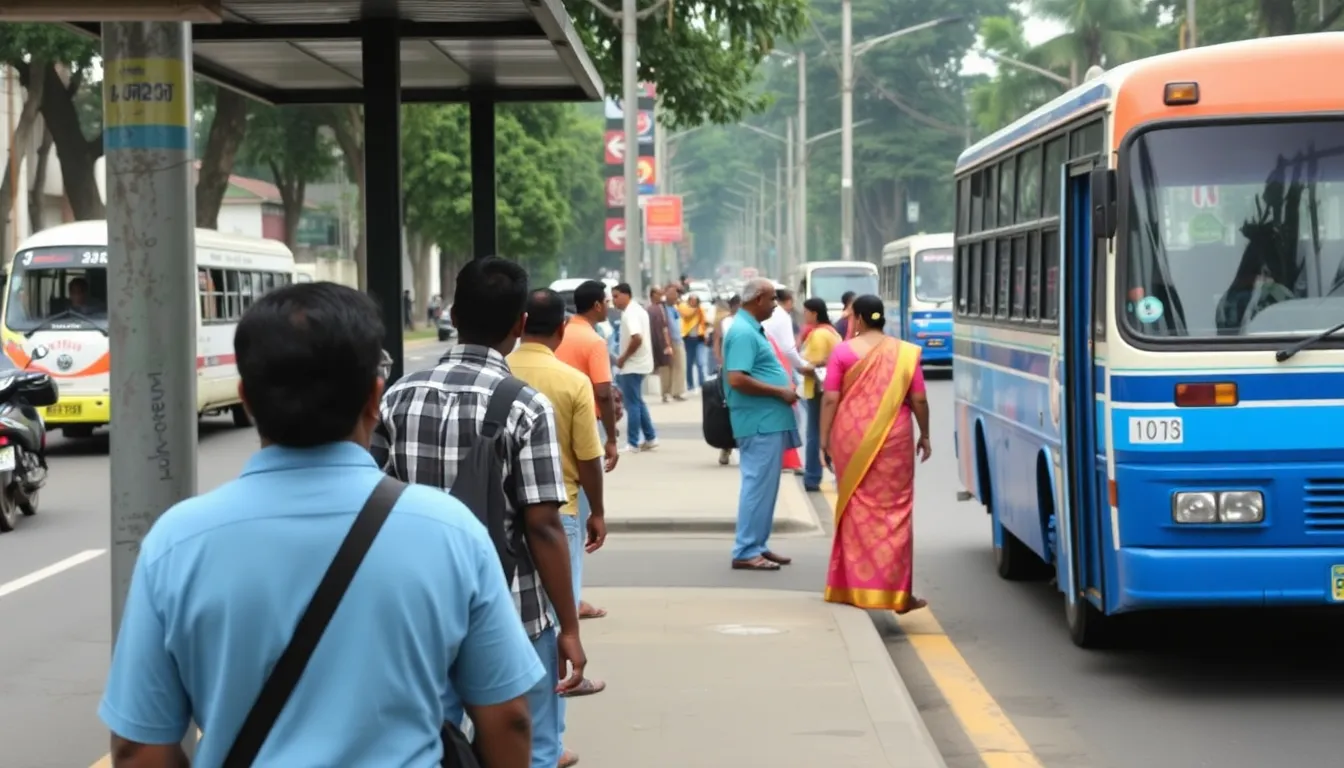
Sri Lanka, in particular, has faced significant economic challenges, including a severe foreign exchange shortage that has hindered its ability to import essential goods, including fuel. The government’s decision to declare Wednesdays as a day off aims to reduce fuel consumption and alleviate the pressure on the national supply. This initiative reflects a broader trend among Asian countries seeking to conserve energy amidst escalating prices and dwindling resources, similar to efforts by officials in other sectors to adapt to changing global dynamics.
Historical Context of Energy Consumption in Sri Lanka
Historically, Sri Lanka has relied heavily on imported fossil fuels to meet its energy demands. The country’s energy policies have evolved over the decades, often influenced by global oil prices and domestic political considerations. The recent economic crisis, marked by rising inflation and currency depreciation, has forced the government to take unprecedented measures, including rationing fuel and promoting public transport.
As nations like Sri Lanka grapple with these challenges, the need for sustainable energy solutions has become increasingly urgent. The government’s decision to implement a midweek holiday is not just a short-term fix; it signifies a shift towards more sustainable practices that could help mitigate future crises. This situation serves as a critical reminder of the interconnectedness of global energy markets and the importance of strategic planning in energy consumption.
Key stakeholders and implications of the new policy
The recent decision by the Sri Lankan government to declare Wednesdays as a non-working day is a strategic response to the ongoing fuel crisis affecting many Asian countries. This policy aims to conserve fuel resources amidst rising global oil prices and supply chain disruptions. Key stakeholders in this scenario include the Sri Lankan government, local businesses, citizens, and international organizations that can offer support during this challenging period.
The Sri Lankan government, led by President Ranil Wickremesinghe, is primarily interested in stabilizing the economy and ensuring energy sustainability. By reducing the number of operational days, the government hopes to alleviate pressure on fuel supplies while promoting a culture of energy conservation. However, this decision has sparked debates regarding its effectiveness and potential economic repercussions.
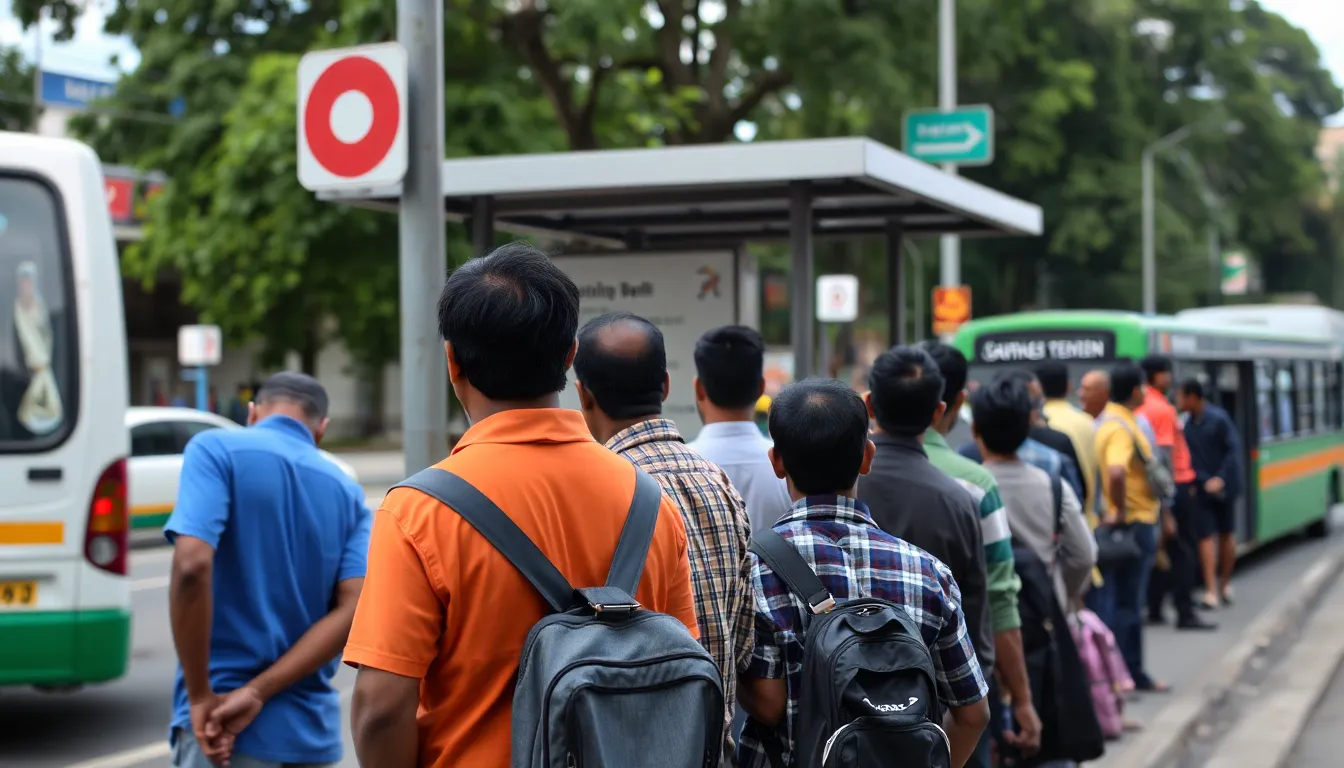
Local businesses, particularly those reliant on daily operations, face significant challenges due to this policy. Many small and medium enterprises may struggle to maintain their revenue streams with a reduced workweek. The trade-off between conserving fuel and sustaining economic activity becomes a critical issue for these stakeholders, as they navigate the impact on productivity and employee wages.
- Economic Impact: The reduction in operational days may lead to decreased overall productivity, impacting GDP growth.
- Public Response: Citizens may have mixed reactions, balancing the need for fuel conservation against the inconvenience of reduced working days.
- International Relations: Sri Lanka’s actions may influence regional policies, as neighboring countries observe the outcomes of this initiative.
- Environmental Considerations: The policy may encourage a shift towards more sustainable practices, prompting discussions on long-term energy strategies.
International organizations, including the International Monetary Fund (IMF), are also key players in this scenario. They may provide financial assistance or guidance to help Sri Lanka manage its fuel crisis and economic challenges. The interplay between domestic policy and international support will be crucial as Sri Lanka navigates this complex landscape.
Effects of the policy on citizens and businesses
The recent decision by Sri Lanka to declare Wednesdays as a non-working day aims to conserve fuel amid rising energy costs and supply challenges. This policy impacts various groups, including government employees, private sector workers, and daily commuters. The immediate effect will be a shift in work schedules and daily routines for many citizens.
Industries heavily reliant on transportation, such as logistics and retail, may experience disruptions. With one less day for business operations, companies might need to adjust their supply chains and staffing. This could lead to temporary shortages in essential goods and services, affecting consumers directly.
In the short term, people may face challenges in accessing services and commuting. Public transport systems could see fluctuations in ridership, while businesses might struggle with reduced hours. However, there are also opportunities for innovation in remote work and flexible scheduling, as companies adapt to the new normal.
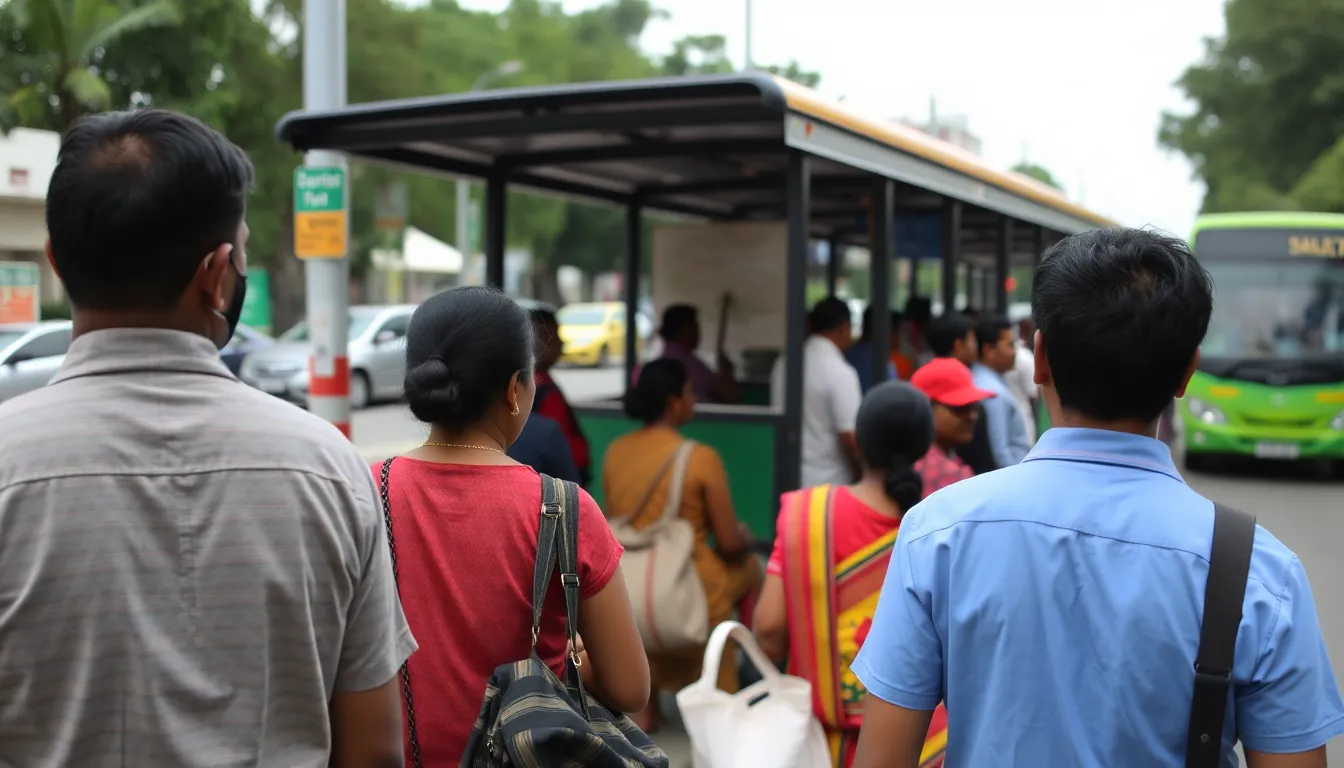
In the mid-term, the policy could encourage a cultural shift towards more sustainable practices. As citizens adjust to a four-day workweek, there may be an increase in local tourism and recreational activities on Wednesdays, benefiting the hospitality and leisure sectors.
- Short-term risks: Disruption of supply chains and essential services.
- Mid-term opportunities: Growth in local tourism and innovation in remote work.
- Impact on transportation: Fluctuations in public transport usage.
A: Sri Lanka aims to conserve fuel amid a severe energy crisis impacting the country and the region. The government believes that reducing the number of working days can help manage fuel consumption. A: Businesses may need to adjust their operations to accommodate the new non-working day. Some sectors might face challenges, while others could find opportunities to optimize their schedules. A: Currently, the policy is set as a temporary measure to address immediate fuel shortages. The government will evaluate its effectiveness and may make adjustments in the future. A: Several Asian countries are exploring various strategies to conserve fuel, including reduced working hours and promoting public transportation. A: Citizens may benefit from reduced commuting costs and improved air quality due to fewer vehicles on the road. However, they may also face disruptions in services and business operations.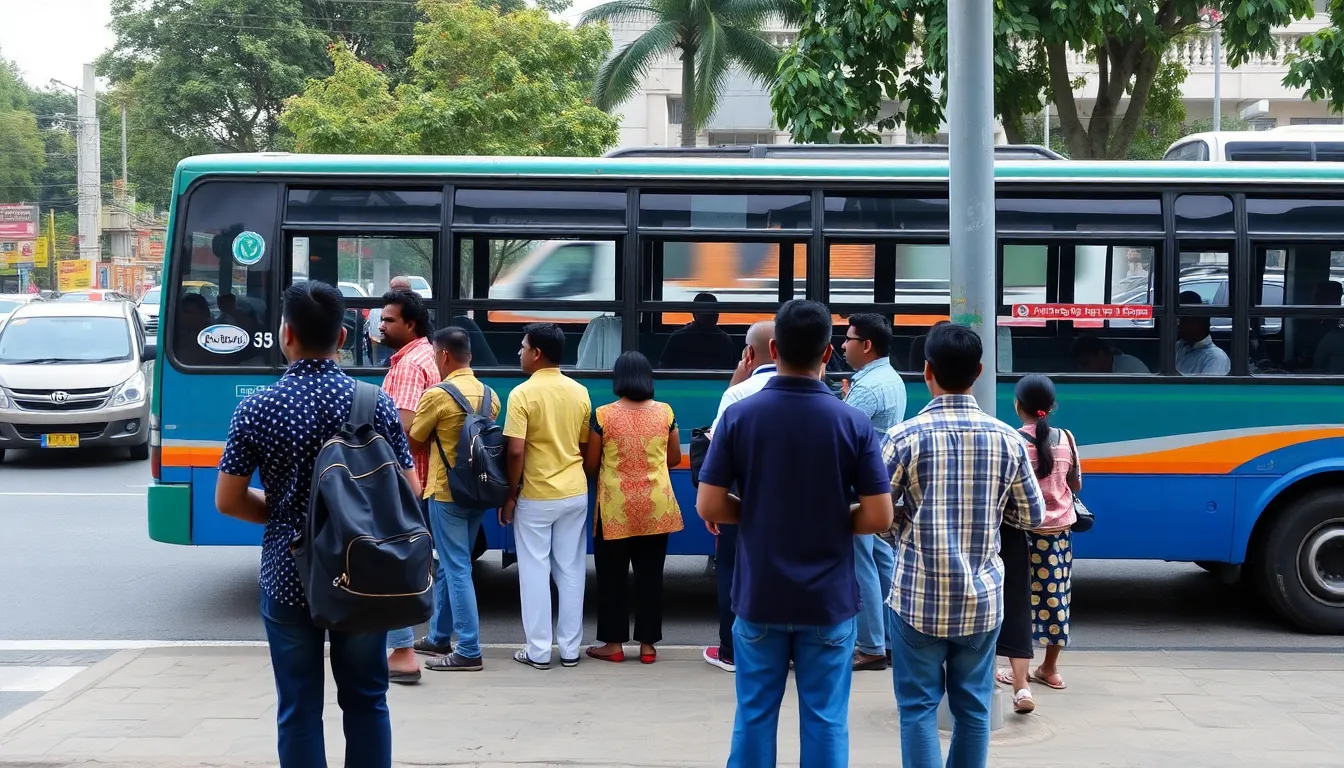
Frequently asked questions about the new policy
Future outlook on fuel conservation efforts in Sri Lanka
The decision by Sri Lanka to declare Wednesdays as a non-working day is a significant step in the country’s efforts to manage fuel shortages amid rising global prices and supply chain disruptions. This initiative reflects a broader trend in Asia, where countries are increasingly seeking innovative solutions to conserve energy and reduce dependency on fossil fuels. As Sri Lanka navigates these challenges, the effectiveness of such measures will be closely monitored, with potential implications for economic productivity and public compliance.
In the coming months, it will be crucial to observe how this policy impacts both daily life and economic activities. The response from businesses and the public will play a vital role in determining the long-term viability of similar strategies in other regions. Additionally, the success of these initiatives may encourage neighboring countries to adopt comparable measures, further influencing regional energy policies.
- Monitor the economic impact of the Wednesday off policy on productivity and business operations.
- Watch for public response and compliance, which could determine the success of fuel conservation measures.
- Consider the potential for similar initiatives in neighboring countries as they face their own fuel challenges.
- Evaluate the long-term implications for energy policy in Sri Lanka and the region as a whole.
- Stay informed about alternative energy solutions being explored as part of broader conservation efforts.