
Local authorities have confirmed that at least 15 people have been rescued, but the fate of more than 50 others remains uncertain. Emergency responders, including police and military personnel, are utilizing heavy machinery to sift through the debris, while volunteers from local communities are also assisting in the search efforts. For more details, read about the Giant landfill collapse in the Philippines.
The Philippine government has declared a state of emergency in the affected area, enabling quicker mobilization of resources and aid. Families of the missing individuals are anxiously awaiting news, as hope dwindles with each passing hour.
This disaster highlights ongoing concerns regarding waste management practices in the country, where illegal dumping and poorly maintained landfills have become critical issues. As rescue operations continue, the need for improved safety regulations and infrastructure in waste disposal sites is being brought to the forefront, echoing concerns noted in various reports on landfill safety.
Understanding the circumstances leading to the landfill collapse
The recent landfill collapse in the Philippines is a tragic reminder of the ongoing issues surrounding waste management in the country. The Philippines has long struggled with inadequate waste disposal systems, which are exacerbated by rapid urbanization and population growth. Over the years, many informal settlements have developed around or even on top of landfills, as people seek shelter near sources of employment, often leading to dangerous living conditions.
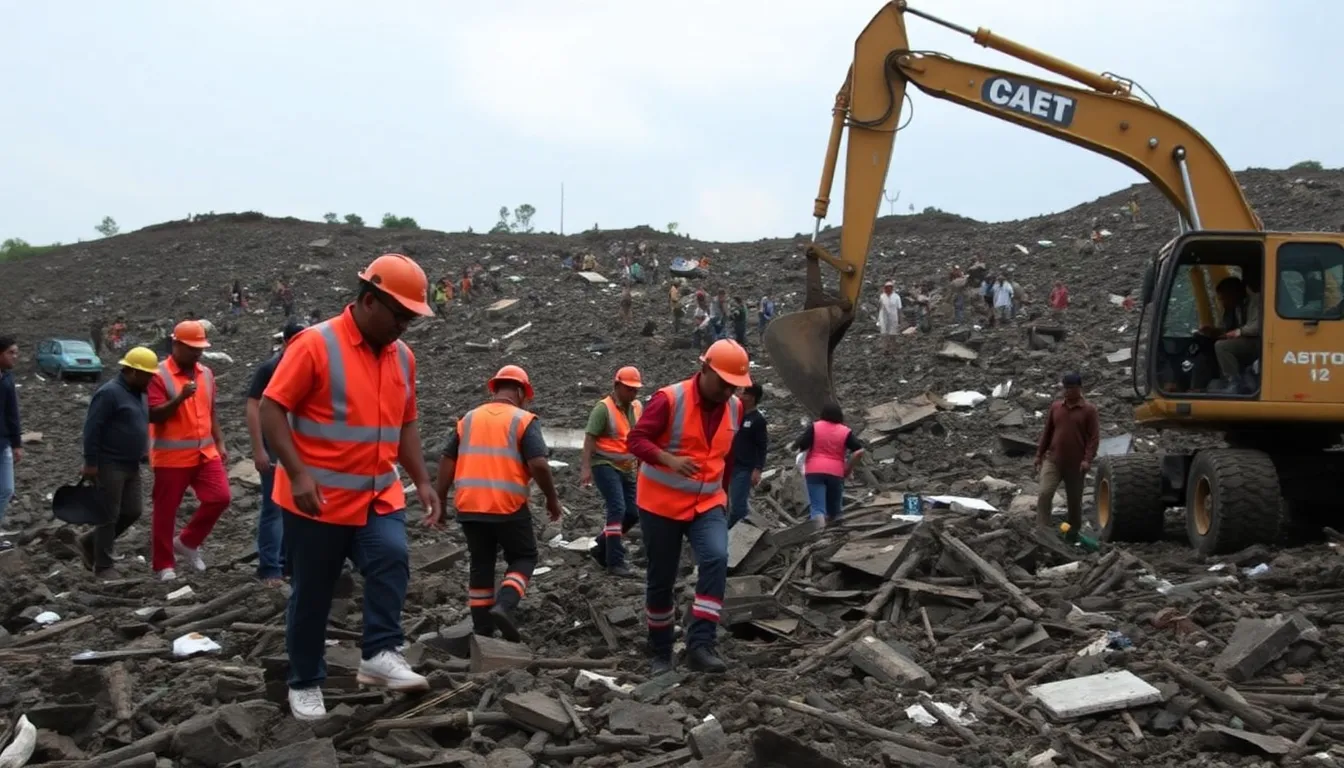
Historically, the Philippines has faced significant challenges in managing its waste. The country generates millions of tons of waste annually, yet only a fraction is properly disposed of or recycled. Many local governments lack the resources or infrastructure to implement effective waste management systems. This has led to the proliferation of open dumpsites, which are not only environmental hazards but also pose serious risks to the communities living nearby. For insights on the impact, refer to related discussions.
The role of government policies
Government policies have often failed to address the root causes of waste management issues. While there are laws in place aimed at promoting ecological solid waste management, enforcement has been inconsistent. Corruption and lack of funding have hindered the implementation of these policies, leaving many communities vulnerable. The recent collapse serves as a stark wake-up call for authorities to reevaluate their approach and prioritize the safety and well-being of residents living near hazardous sites.
Furthermore, the economic factors at play cannot be overlooked. Many families depend on scavenging in landfills for their livelihood, creating a complex situation where individuals are forced to risk their safety for survival. This economic dependency on informal waste collection makes it difficult for communities to advocate for better living conditions, as they may fear losing their only source of income.
As rescuers continue to search for those missing in the aftermath of the collapse, the incident highlights the urgent need for comprehensive solutions to the waste management crisis in the Philippines. Addressing these systemic issues is crucial to preventing future tragedies and ensuring the safety of vulnerable populations living in precarious conditions.
Key stakeholders and issues surrounding the landfill safety
The recent landfill collapse in the Philippines has highlighted a complex web of stakeholders, each with their own interests and concerns. The primary actors include local government authorities, environmental organizations, affected families, and waste management companies. Each group plays a crucial role in the ongoing response and recovery efforts, as well as in the broader discourse on landfill safety and regulations.
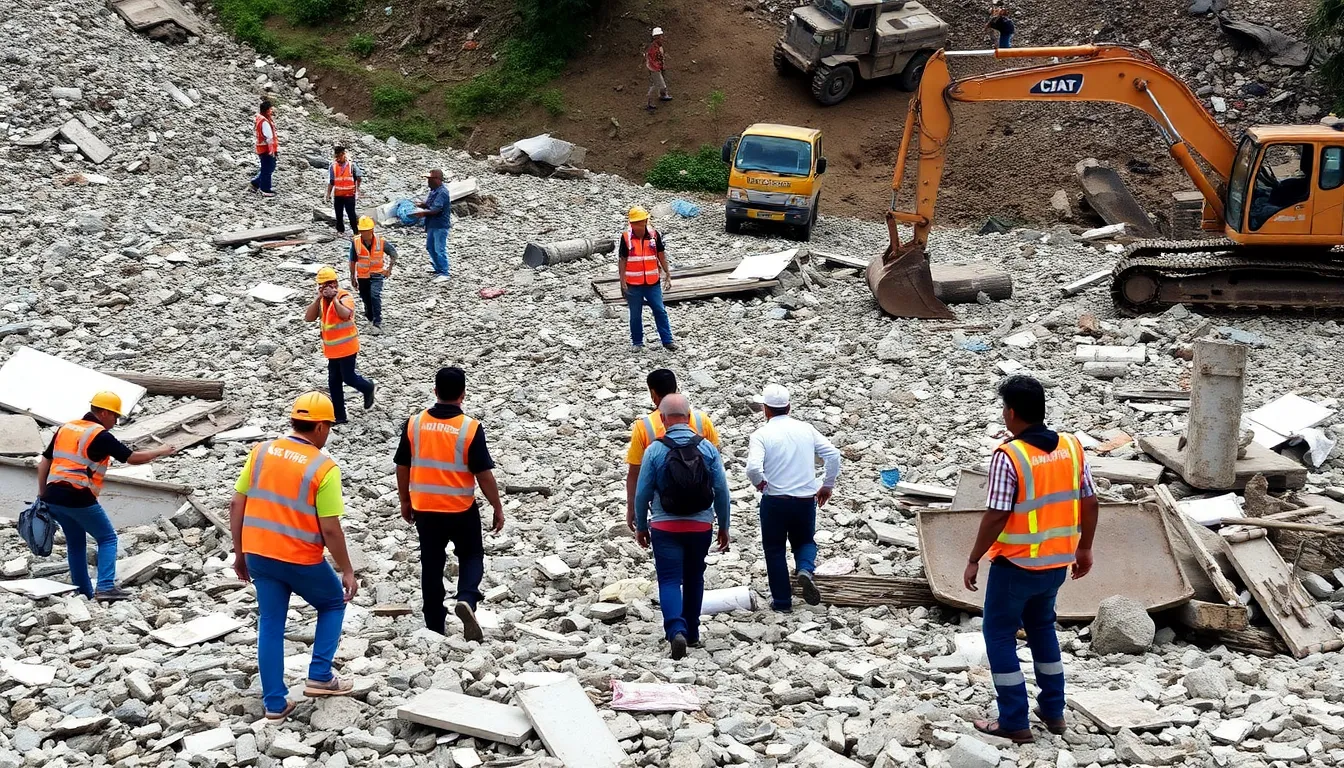
Local government authorities are under pressure to ensure the safety of waste management practices and to provide immediate assistance to those affected by the collapse. Their interests lie in maintaining public safety, addressing community concerns, and managing the potential political fallout from the disaster. Failure to act effectively may lead to public outcry and loss of trust in local governance.
Environmental organizations are advocating for stricter regulations on landfill operations and better waste management practices. They emphasize the need for sustainable solutions to waste disposal, arguing that the reliance on landfills poses significant risks to both human health and the environment. Their interests often conflict with those of waste management companies, which may prioritize profit over safety and environmental considerations.
- Public Safety: Ensuring the safety of residents living near landfills is a primary concern for local authorities.
- Regulatory Compliance: Waste management companies must adhere to environmental laws, which can be a point of contention.
- Affected Families: Families of missing persons are seeking answers and accountability, highlighting the human impact of regulatory failures.
- Environmental Sustainability: Advocacy for sustainable waste management practices is paramount in preventing future disasters.
- Political Accountability: Local governments face scrutiny over their handling of landfill safety and disaster response.
The intersection of these interests creates a challenging landscape for addressing the aftermath of the landfill collapse. Legal issues may arise as affected families seek compensation, while local authorities grapple with potential negligence claims against waste management companies. The economic implications are significant, as the disaster could lead to increased costs for waste management and heightened regulatory scrutiny, affecting the industry as a whole.
The implications for the local community and environment
The recent landfill collapse in the Philippines has left dozens missing, significantly impacting the local community. Families of the missing individuals are facing immense emotional distress, with many livelihoods directly tied to the landfill operations. The immediate response efforts are straining local resources, as rescue teams work tirelessly to locate survivors while community members rally to support one another.
In the short term, daily life for residents near the landfill has been disrupted. Access to essential services may be hindered, and the fear of further collapses could lead to increased anxiety among the population. Businesses that rely on the landfill for waste disposal are also affected, facing operational challenges and potential financial losses as cleanup and recovery efforts take precedence.
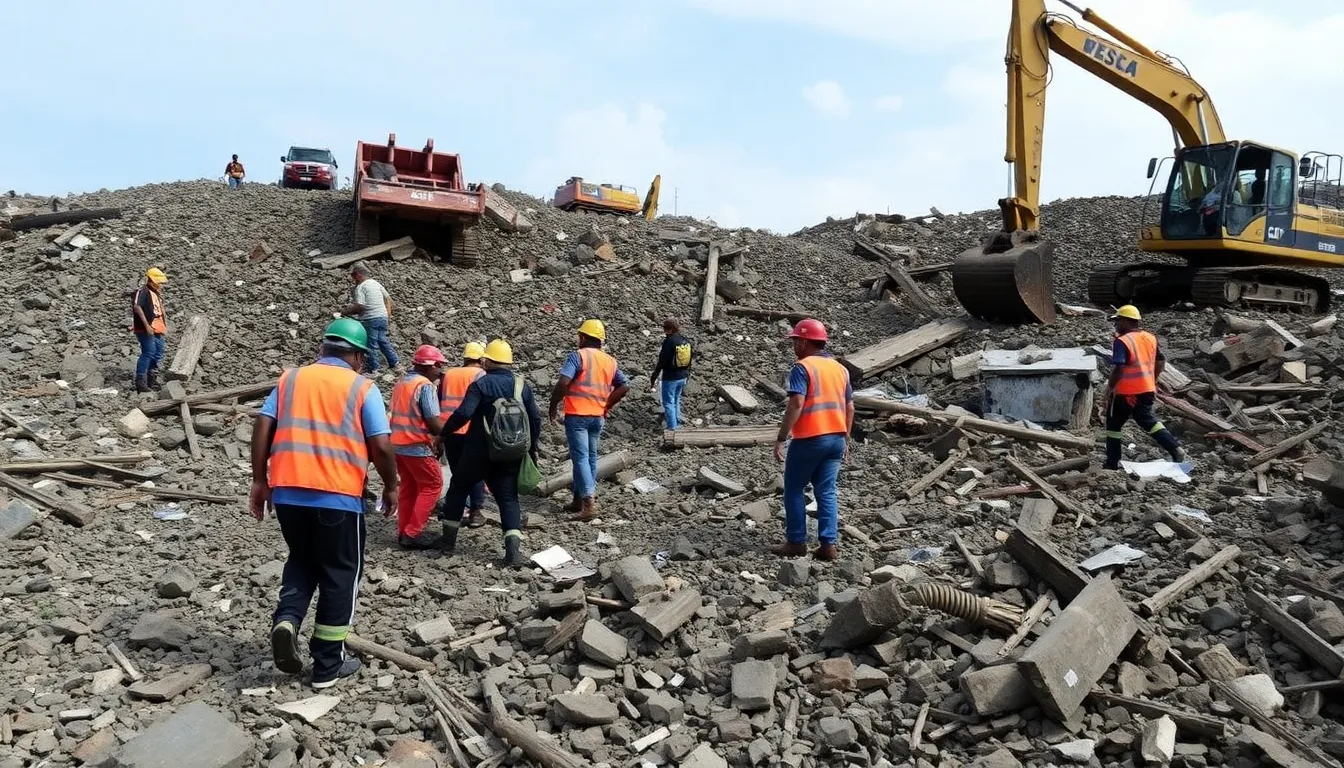
Mid-term impacts may include changes in local policies regarding waste management and landfill operations. Authorities may implement stricter regulations to prevent similar incidents in the future, potentially leading to increased costs for waste disposal services. This could prompt a shift towards more sustainable waste management practices, creating opportunities for local businesses that specialize in recycling and waste reduction.
- Emotional and financial strain on families of the missing.
- Disruption of local businesses reliant on landfill operations.
- Potential policy changes in waste management regulations.
- Opportunities for sustainable waste management initiatives.
In addition to the risks, the tragedy could catalyze community engagement and awareness around environmental issues. Local organizations may emerge to advocate for safer waste management practices, fostering a sense of solidarity and purpose among residents. This could lead to long-term positive changes in how waste is handled, benefiting both the community and the environment.
A: The collapse is believed to have been triggered by heavy rainfall and poor structural integrity of the landfill. Investigations are ongoing to determine the exact causes. A: Authorities have reported that dozens of individuals are still unaccounted for, and rescue teams are working tirelessly to locate them. A: In response to the disaster, local officials are reviewing safety protocols and regulations regarding landfill operations to prevent future incidents. A: The public can assist by providing information about missing persons and supporting local organizations involved in the rescue operations. A: The collapse poses significant environmental risks, including potential contamination of nearby water sources and disruption of local ecosystems.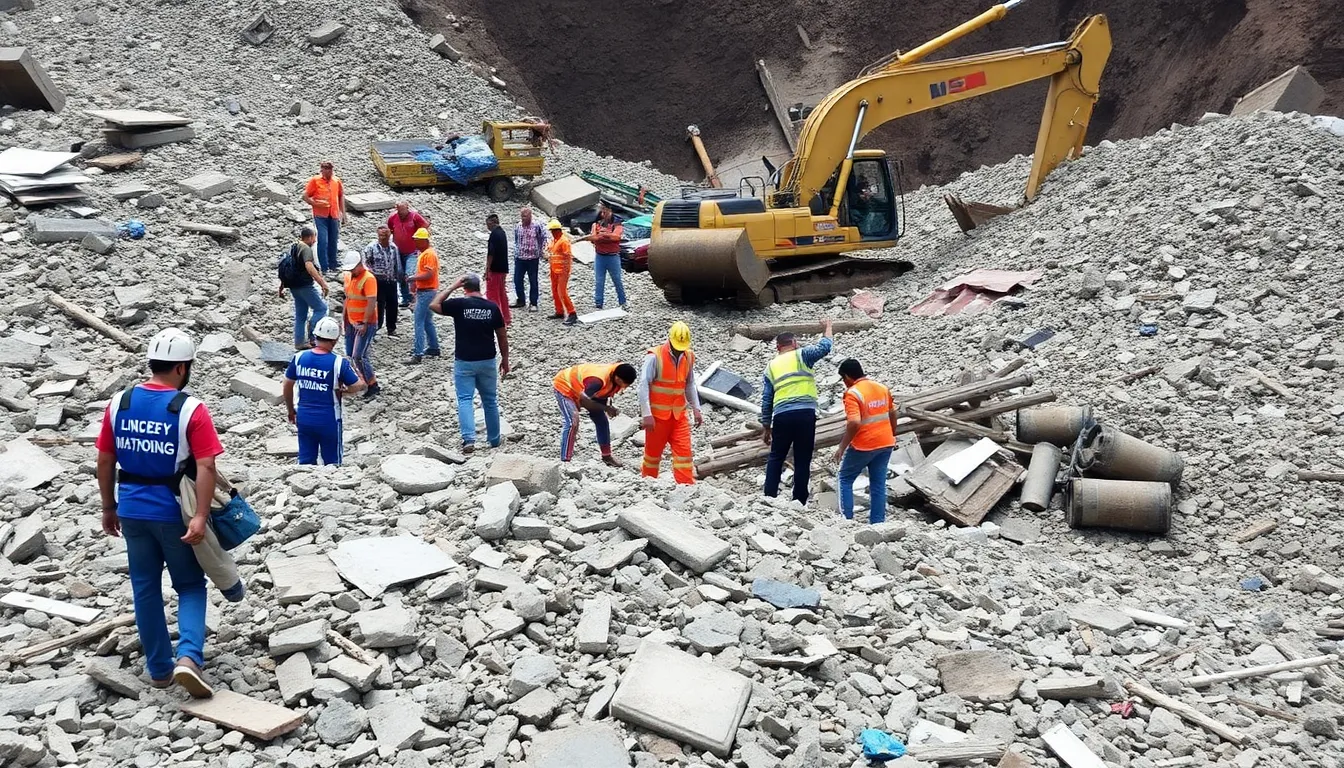
Frequently asked questions about the landfill collapse
Looking ahead: key takeaways and future considerations
The recent landfill collapse in the Philippines serves as a tragic reminder of the vulnerabilities associated with waste management practices in urban areas. As rescue operations continue, the focus must shift towards understanding the underlying causes of such incidents and implementing measures to prevent future occurrences. The need for improved infrastructure, regulatory oversight, and community awareness cannot be overstated.
In the wake of this disaster, stakeholders must prioritize the development of sustainable waste management systems that not only safeguard lives but also protect the environment. The collaboration between government agencies, local communities, and environmental organizations will be crucial in creating a resilient framework for managing waste effectively.
- Increased investment in waste management infrastructure is essential to prevent similar disasters.
- Stronger regulations and enforcement mechanisms should be established to ensure safety standards in landfill operations.
- Community education programs on waste disposal and management can empower residents to engage in safer practices.
- Regular assessments of landfill sites can help identify risks and implement timely interventions.
- Collaboration between public and private sectors is vital for developing innovative solutions to waste management challenges.