
This incident not only affected investor confidence but also sparked debates about the sustainability of Musk’s aggressive approach to innovation.
In the tech realm, X has faced a significant backlash following the introduction of controversial content moderation policies in June. Critics argue that these policies have led to increased misinformation on the platform, prompting calls for regulatory scrutiny. The backlash has resulted in a decline in user engagement, with many former users migrating to alternative social media platforms.
Additionally, Musk’s personal life has also been a topic of scrutiny. His public statements and behavior have drawn criticism, particularly after a series of erratic tweets in September that led to a temporary suspension of his account. These incidents have raised concerns about the impact of his personal conduct on his business ventures and public perception.
As 2025 progresses, the interplay between Musk’s ambitious goals and the resulting chaos continues to shape discussions around leadership in the tech industry. Stakeholders are closely monitoring how these events will influence his companies and the broader market landscape, as well as the implications for regulatory frameworks in the evolving tech environment.
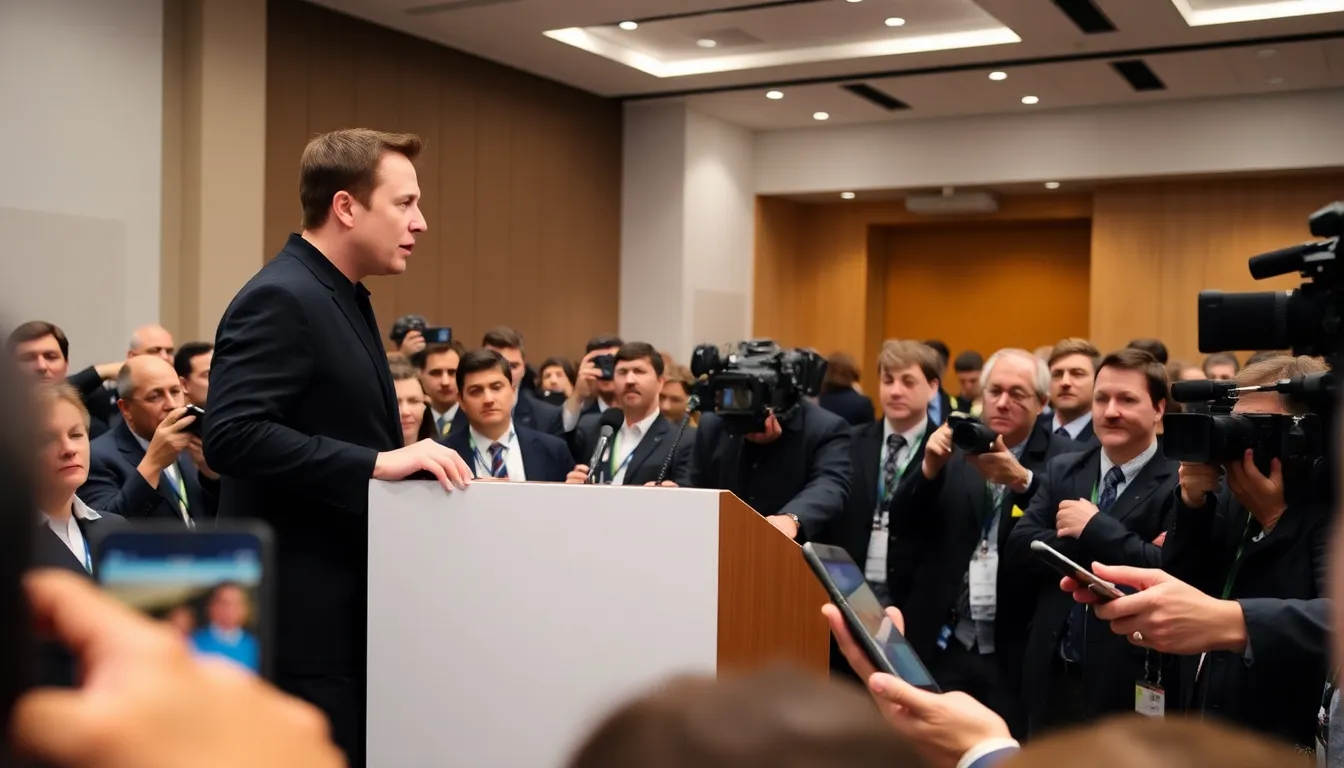
Understanding the background of Musk’s rise and fall
Musk first gained prominence in the late 1990s with the founding of Zip2, a software company that provided business directories and maps for newspapers, which laid the groundwork for his later ventures, including X.com, which eventually became PayPal.
The early 2000s saw Musk pivot towards the automotive and aerospace industries, where he sought to revolutionize transportation and space exploration. Tesla, founded in 2003, aimed to accelerate the world’s transition to sustainable energy, while SpaceX, established in 2002, focused on reducing space transportation costs to enable the colonization of Mars. These companies not only showcased Musk’s vision but also positioned him as a key player in the fight against climate change and the push for interplanetary travel.
This chaotic approach has drawn both criticism and admiration, creating a complex public persona that oscillates between that of a visionary and a reckless entrepreneur.
Key milestones in Musk’s journey
Several key milestones have defined Musk’s trajectory. In 2010, Tesla went public, marking a significant moment in the electric vehicle market and establishing Musk as a billionaire. The launch of the Falcon 1 rocket in 2008 by SpaceX marked the first privately developed liquid-fueled rocket to reach orbit, setting a precedent for private space exploration. More recently, Musk’s acquisition of Twitter in 2022 and the subsequent changes he implemented have drawn widespread attention and criticism, illustrating the ongoing tension between innovation and chaos in his career.
Key stakeholders and issues surrounding Musk’s actions
Elon Musk, as the world’s richest person, has become a focal point for various stakeholders, including investors, employees, governments, and the general public. Each of these groups has distinct interests that often conflict with one another, creating a complex web of relationships and issues that must be navigated.
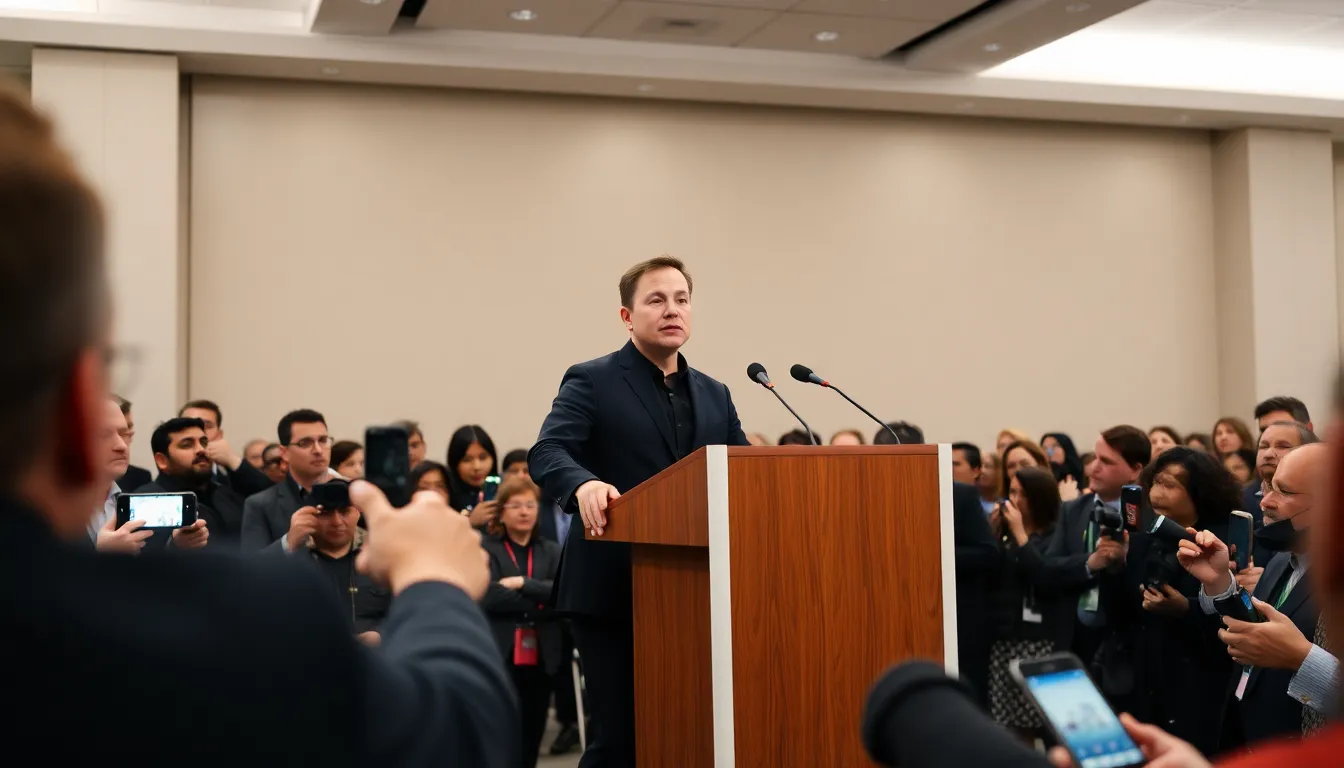
Investors, particularly those in Musk’s companies like Tesla and SpaceX, are primarily interested in profitability and sustainable growth. They are concerned about Musk’s unpredictable behavior on social media, which can lead to market volatility and affect stock prices. The challenge for these investors is to balance their expectations of innovation and risk management in a rapidly changing economic landscape.
Governments also play a crucial role in this dynamic. Regulatory bodies are increasingly scrutinizing Musk’s ventures, especially concerning environmental regulations and labor practices. For instance, Tesla’s production methods have raised questions about sustainability and worker treatment, leading to potential legal challenges. Additionally, Musk’s ventures in space exploration invite international regulatory considerations, as nations assess the implications of privatized space travel.
- Investor concerns: Market volatility due to Musk’s public statements.
- Regulatory scrutiny: Compliance with environmental and labor laws.
- Public perception: The impact of Musk’s behavior on brand reputation.
- Technological innovation: Balancing rapid advancements with ethical considerations.
- Global competition: The race in space exploration and electric vehicles.
Furthermore, the general public’s interest cannot be overlooked. As Musk’s actions often dominate headlines, public opinion can sway the success of his initiatives. Issues such as privacy, data security, and the ethical implications of artificial intelligence are increasingly relevant as Musk ventures further into these fields. The challenge lies in addressing these concerns while continuing to push the boundaries of technology and innovation.
The effects of Musk’s chaos on markets and society
Elon Musk’s unpredictable actions and decisions have reverberated across various sectors, impacting a wide array of stakeholders, from tech enthusiasts to traditional industries. Investors in companies like Tesla and SpaceX have experienced significant volatility, while other sectors such as renewable energy and transportation are also feeling the effects of his chaotic leadership style.
In the short term, consumers may notice fluctuations in product availability and pricing as companies scramble to adapt to Musk’s shifting priorities. For instance, Tesla’s production timelines have been disrupted, leading to delays in vehicle deliveries. Additionally, the volatility in stock prices can lead to a lack of confidence among investors, affecting market stability.
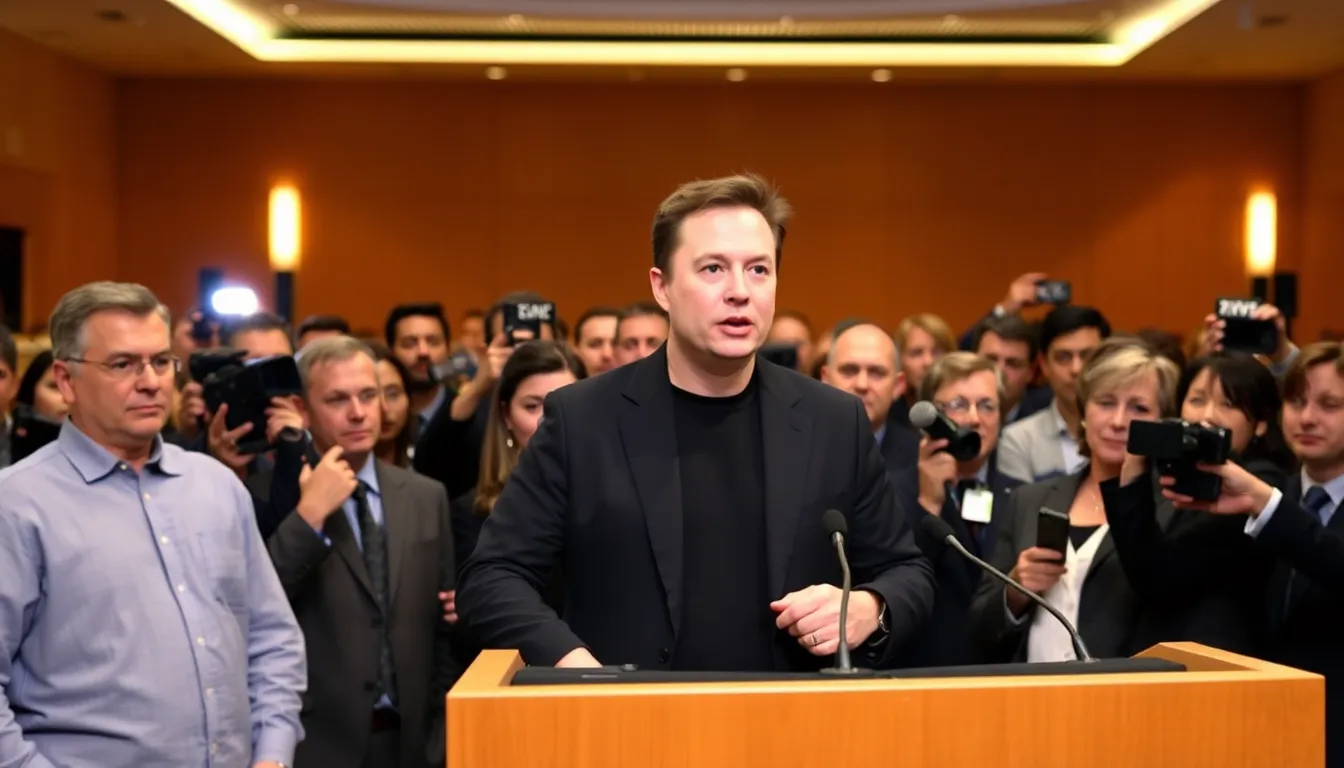
In the mid-term, industries such as automotive, aerospace, and social media may undergo transformative changes. Businesses that rely on stable leadership and predictable market behavior could suffer, while innovative startups may find opportunities to fill gaps left by larger corporations struggling to keep pace with Musk’s rapid advancements. The regulatory environment may also shift as governments respond to Musk’s bold initiatives and controversial statements.
- Risks: Market instability, investor uncertainty, and potential regulatory backlash.
- Opportunities: Growth for agile startups, advancements in technology, and increased investment in renewable energy.
Regions heavily invested in technology and innovation, such as Silicon Valley and parts of Europe, may experience both the brunt of Musk’s chaos and the benefits of his disruptive innovations. As companies adapt to the new normal, the landscape of business and consumer behavior is likely to evolve, creating a dynamic environment ripe for both challenges and opportunities.
A: Several controversial decisions, public statements, and business moves contributed to Musk’s chaotic image, including his approach to social media and corporate governance. A: Musk’s unpredictable behavior often led to significant fluctuations in the stock prices of his companies, particularly Tesla and SpaceX, causing investor uncertainty. A: Public opinion on Musk is polarized, with some viewing him as a visionary and others as a reckless leader whose chaos undermines his achievements. A: Musk’s leadership has become more erratic, focusing on rapid innovation but often disregarding traditional corporate norms, leading to criticism. A: The long-term effects could include increased regulatory scrutiny, shifts in investor confidence, and changes in how tech companies operate.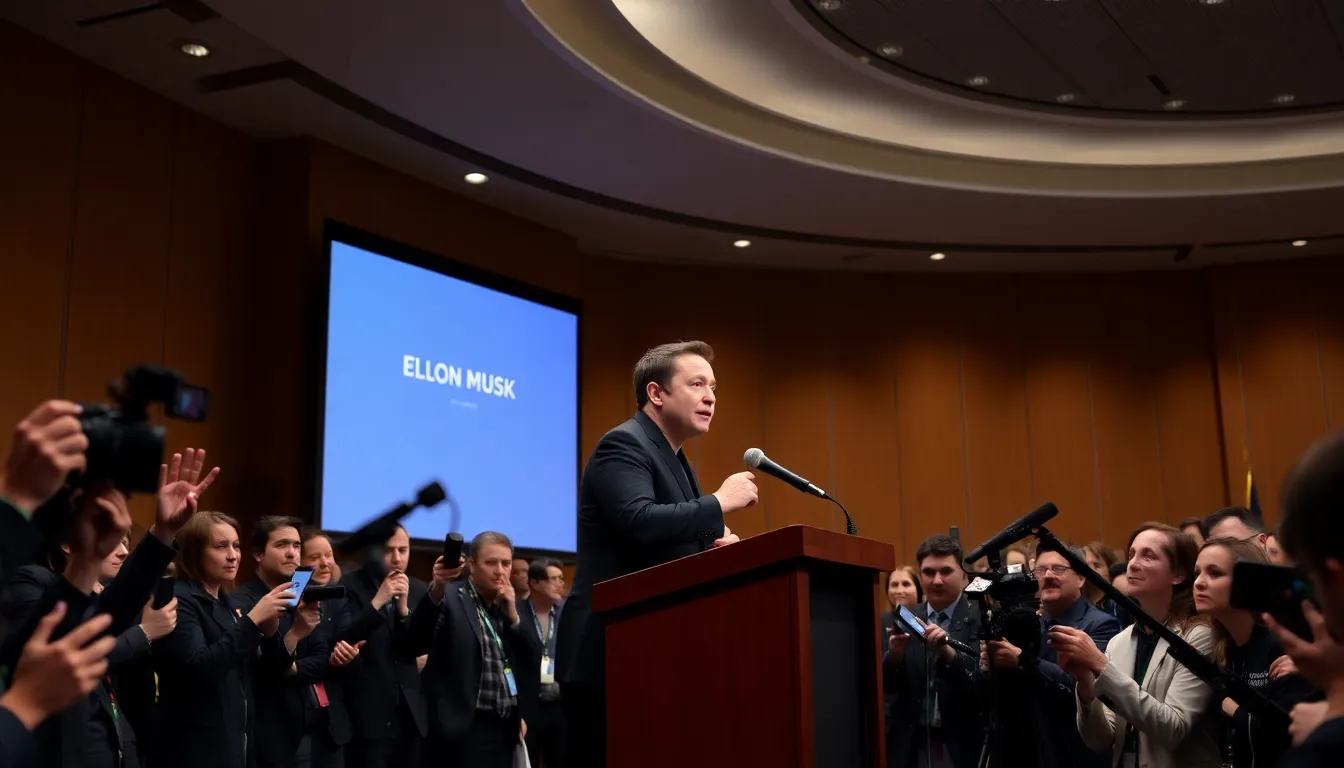
Frequently asked questions about Elon Musk in 2025
Key takeaways and future outlook on Musk’s influence
Elon Musk’s journey through 2025 has been marked by unprecedented shifts in technology, business, and social dynamics. His ability to navigate chaos while maintaining a significant global presence underscores the complexities of leadership in the modern age. As we reflect on his impact, it becomes clear that understanding Musk’s strategies and the implications of his actions will be crucial for stakeholders across industries.
Looking ahead, several scenarios emerge that could shape the future landscape, influenced by Musk’s decisions and the broader trends he embodies. Observers should remain vigilant as these developments unfold, as they may offer both challenges and opportunities in various sectors.
- Innovation in Technology: Musk’s ventures are likely to continue pushing the boundaries of technology, especially in areas like artificial intelligence and renewable energy.
- Market Volatility: His unpredictable nature may lead to increased volatility in markets, prompting investors to adopt more agile strategies.
- Social Media Dynamics: As Musk’s influence on social media evolves, it could reshape public discourse and consumer behavior significantly.
- Regulatory Challenges: Increased scrutiny from regulators may affect Musk’s companies, necessitating adaptive strategies to navigate compliance and public perception.
- Global Economic Impact: Musk’s business decisions could have far-reaching implications for global supply chains and economic stability, warranting close observation.